Androgen Deprivation Therapy: Managing Advanced Prostate Cancer

Updated: 2 days ago
Medically reviewed by Dr. Baraa Alnahhal, MD · Last reviewed: October 2026
Quick Answer
Androgen deprivation therapy (ADT) is a hormone treatment for advanced prostate cancer that lowers testosterone to starve cancer cells and slow tumor growth [1]. It is given through periodic injections or surgical removal of the testicles [1]. It can shrink tumors and extend life but may cause fatigue, hot flashes and bone density loss [1], and is often combined with radiation or chemotherapy.
What the research says
Adding a second treatment to ADT improved survival in metastatic hormone-sensitive prostate cancer. A systematic review and network meta-analysis of ten randomized trials found relevant survival benefits versus ADT alone for ADT plus docetaxel (high-certainty evidence), abiraterone (moderate), enzalutamide (low), apalutamide (high) and docetaxel plus darolutamide (high). None of the combinations showed a clear improvement in quality of life, and grade 3 to 5 adverse effects were more frequent with all systemic combinations (PubMed: Menges et al., Eur Urol Oncol, 2022) [2].
ADT was linked to more fractures, cardiovascular deaths and diabetes, although absolute risks were low. A systematic review of 14 studies found that men on ADT had a 23% higher risk of fracture (summary relative risk 1.23; 95% CI 1.10 to 1.38) and a 17% higher risk of cardiovascular-related death (summary hazard ratio 1.17; 95% CI 1.07 to 1.29) than men with prostate cancer who did not receive ADT. Two large studies also showed an elevated risk of diabetes (PubMed: Taylor et al., Cancer, 2009) [3].
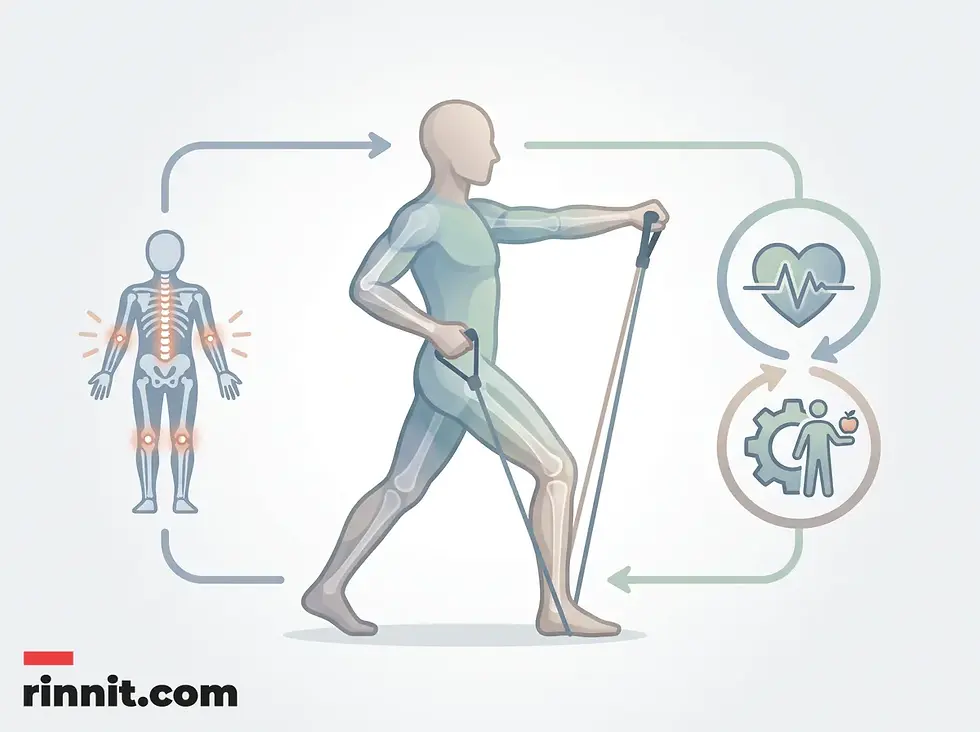
Resistance exercise counteracted ADT-related muscle loss. In a randomized trial, 60 men with prostate cancer on ADT did 20 weeks of resistance exercise training (with or without whey protein) and 36 received usual care. Muscle mass and strength increased in both exercise groups and decreased in the usual-care group, and protein supplements added no further benefit (PubMed: Houben et al., Med Sci Sports Exerc, 2023) [4].

What is Androgen Deprivation Therapy?
Androgen deprivation therapy (ADT) is a specialized form of hormone therapy used to treat advanced prostate cancer. The fundamental principle behind ADT is that prostate cancer cells require androgens—primarily testosterone—to grow and multiply [1]. By "depriving" the cancer of these hormones, healthcare providers can effectively slow the growth of tumors, reduce the risk of complications, and alleviate symptoms associated with advanced stages of the disease [1].
While ADT is not considered a curative treatment on its own, it is a vital tool for helping patients live longer and maintain a better quality of life [1]. It is often used to shrink tumors before radiation therapy or to reduce the chances of the cancer returning after surgery.
Main Treatment Options
There are two primary ways that ADT is administered to patients, each focusing on the reduction of testosterone production.
Which drug classes are used in androgen deprivation therapy?
For most patients, medication is the preferred route for ADT. These drugs are categorized into two main classes, each working differently within the body's endocrine system.
GnRH Agonists: These medications, such as goserelin and leuprolide, are typically given as injections every one, three, or six months [1]. They may cause a temporary "flare" in cancer symptoms before testosterone levels drop significantly.
GnRH Antagonists: These drugs, including degarelix and relugolix, work more directly and do not cause the initial flare associated with agonists. They are available as both injections and oral pills [1].
In many cases, ADT is used as part of a combination therapy. Patients may also receive androgen synthesis inhibitors to block testosterone production in the adrenal glands, or antiandrogens to prevent any remaining testosterone from reaching the cancer cells [1].

What are the side effects and long-term risks of androgen deprivation therapy?
Reducing testosterone levels in the body can lead to a variety of side effects, as this hormone plays a crucial role in many bodily functions. Patients and their providers must work together to manage these impacts effectively.
Metabolic and Physical Changes: Fatigue, hot flashes, night sweats, and enlarged breast tissue are common [1]. There is also an increased risk of developing diabetes and heart problems [1] [3].
Bone and Muscle Health: A significant concern is the loss of muscle strength and bone density (osteoporosis), which can lead to a higher risk of fractures [1] [3].
Sexual and Emotional Health: Patients often experience a low sex drive, erectile dysfunction, mood swings, and difficulties with cognitive focus [1].
To combat these issues, healthcare providers often recommend regular exercise to maintain muscle mass [1] [4] and specific medications to support bone health [1]. Regular checkups and blood tests are essential for monitoring both the effectiveness of the treatment and the patient's overall well-being [1].
Conclusion
Androgen deprivation therapy remains a cornerstone of advanced prostate cancer management. By effectively starving cancer cells of the hormones they need to survive, ADT offers patients a path to a longer, more comfortable life [1]. While the side effects can be challenging, the combination of modern medications and proactive management strategies allows many individuals to navigate their treatment successfully.
Frequently Asked Questions
1. What is ADT in cancer treatment?
ADT stands for Androgen Deprivation Therapy, a hormone treatment that reduces testosterone levels to slow the growth of advanced prostate cancer.
2. Is androgen deprivation therapy a cure?
No, ADT is not a cure for prostate cancer, but it is highly effective at shrinking tumors, slowing the disease, and helping patients live longer.
3. How is ADT administered?
ADT is most commonly given through periodic injections (every 1 to 6 months) or oral pills, though surgical removal of the testicles is also an option.
4. What are GnRH agonists?
GnRH agonists are medications that block brain signals to the testicles. They may cause a temporary "flare" in symptoms before testosterone levels drop.
5. What are the most common side effects of ADT?
Common side effects include fatigue, hot flashes, night sweats, loss of bone density, erectile dysfunction, and mood swings.
6. How does ADT affect bone health?
Lowering testosterone can lead to osteoporosis (loss of bone density), increasing the risk of broken bones. Providers often prescribe bone-strengthening meds.
7. Can exercise help during ADT?
Yes, regular exercise, especially resistance training, is highly recommended to help combat the loss of muscle mass and strength caused by the therapy.
8. What is intermittent ADT?
Intermittent ADT involves taking medication until testosterone levels are sufficiently low, then stopping to give the body a rest before restarting when levels rise.
9. Why is ADT combined with other treatments?
Combining ADT with treatments like radiation, chemotherapy, or androgen synthesis inhibitors can make the overall treatment more effective at controlling the cancer.
10. When should I call my doctor while on ADT?
You should contact your healthcare provider if you experience new or worsening side effects, or if the physical and emotional impacts of the treatment become unmanageable.
Related Reading
PSMA-Targeted Therapy (Pluvicto): How It Works and What to Expect explains PSMA-targeted therapy for advanced prostate cancer.
References
Cleveland Clinic. Androgen Deprivation Therapy (ADT). Cleveland Clinic. Nov. 12, 2025. https://my.clevelandclinic.org/health/treatments/androgen-deprivation-therapy
Menges D, Yebyo HG, Sivec-Muniz S, et al. Treatments for metastatic hormone-sensitive prostate cancer: systematic review, network meta-analysis, and benefit-harm assessment. Eur Urol Oncol. 2022;5(6):605-616. PMID 35599144. https://doi.org/10.1016/j.euo.2022.04.007
Taylor LG, Canfield SE, Du XL. Review of major adverse effects of androgen-deprivation therapy in men with prostate cancer. Cancer. 2009;115(11):2388-2399. PMID 19399748. https://doi.org/10.1002/cncr.24283
Houben LHP, Overkamp M, van Kraaij P, et al. Resistance exercise training increases muscle mass and strength in prostate cancer patients on androgen deprivation therapy. Med Sci Sports Exerc. 2023;55(4):614-624. PMID 36534950. https://doi.org/10.1249/MSS.0000000000003095
Medical Disclaimer
This article is for informational purposes only and does not constitute medical advice. Always seek the advice of your physician or other qualified health provider with any questions you may have regarding a medical condition. Never disregard professional medical advice or delay in seeking it because of something you have read here.



Comments