Anabolic Steroids: Medical Uses, Mechanisms, and Health Risks

Updated: 2 days ago
Medically reviewed by Dr. Baraa Alnahhal, MD · Last reviewed: October 2026
Quick Answer
Anabolic steroids are synthetic versions of testosterone used to treat conditions like male hypogonadism, breast cancer and osteoporosis [1]. Prescribed forms are generally safe under medical supervision, but misuse by athletes and bodybuilders involves dangerously high doses [1]. This misuse can cause permanent health problems, including high blood pressure, blood clots, heart disease and severe hormonal imbalances.
What the research says
Steroid use suppressed the body’s own hormone production, and testosterone stayed low for months after stopping. A systematic review of 33 studies (3,879 participants) included a meta-analysis of 11 studies in male users. During steroid use, luteinizing hormone fell by 3.37 IU/L (95% CI −5.05 to −1.70), follicle-stimulating hormone by 1.73 IU/L (95% CI −2.67 to −0.79) and testosterone by 10.75 nmol/L (95% CI −15.01 to −6.49). After stopping, gonadotropins returned to baseline within 13 to 24 weeks, but testosterone remained lower than baseline (−9.40 nmol/L; 95% CI −14.38 to −4.42) (PubMed: Christou et al., Sports Med, 2017) [2].
Steroids increased strength and lean mass in athletes, but with lipid changes and severe adverse events. An umbrella review of 27 papers found that anabolic steroids led to a 5% to 52% increase in strength and a 0.62 standard mean difference in lean body mass, with subsequent lipid derangements. The authors concluded that steroids, growth hormone and erythropoietin are associated with severe adverse events and do not support a performance benefit despite changes in body composition and strength (PubMed: Warrier et al., Sports Health, 2024) [3].
More than a third of black-market steroid samples were counterfeit. A systematic review and meta-analysis of 19 studies covering 5,413 black-market samples estimated that 36% (95% CI 29 to 43) were counterfeit and a further 37% (95% CI 17 to 63) were of substandard quality, with some containing no active ingredient, a wrong ingredient or a different dose than labeled (PubMed: Magnolini et al., BMC Public Health, 2022) [4].

What are Anabolic Steroids?
Anabolic steroids are synthetic medications designed to mimic the effects of testosterone, the primary male sex hormone [1]. The term "anabolic" refers to the drug's ability to build tissue, particularly muscle mass [1], while "androgenic" relates to the development of male physical characteristics. These compounds are distinct from corticosteroids, such as prednisone, which are used to reduce inflammation and suppress the immune system.
Healthcare providers prescribe anabolic steroids to address specific hormonal deficiencies and chronic health conditions. They are available in various forms to suit different treatment needs, including oral pills, injections, topical creams, skin patches, and implantable pellets [1].
Approved Medical Applications
The U.S. Food and Drug Administration (FDA) has approved the use of anabolic steroids for several health conditions, although some older approvals have ended; for example, the FDA withdrew approval of oxandrolone tablets, once used for weight loss and muscle wasting, in 2023 [1]. Beyond these, providers may also use them "off-label" for other therapeutic purposes [1].
Condition Type | Examples of Use |
Hormonal Issues | Male hypogonadism (low testosterone), delayed puberty in boys [1]. |
Chronic Illness | Muscle wasting in AIDS or cancer patients, aplastic anemia [1]. |
Women's Health | Certain types of breast cancer, endometriosis [1]. |
Bone Health | Treatment of osteoporosis [1] to improve bone density. |
How do anabolic steroids work?
Anabolic steroids function by activating androgen receptors throughout the body, effectively mimicking the biological signals sent by natural testosterone [1]. In patients with low hormone levels, these medications return testosterone to a healthy physiological range [1], restoring normal function.
For individuals suffering from muscle atrophy due to cancer or AIDS, steroids increase the number of androgen receptors in skeletal muscle [1]. This process leads to significant gains in muscle size and strength [1], helping to counteract the debilitating effects of chronic disease. In certain breast cancers, these drugs work by lowering estrogen levels, which can block the growth of cancer cells that rely on estrogen to multiply [1].

What are the side effects and risks of misusing anabolic steroids?
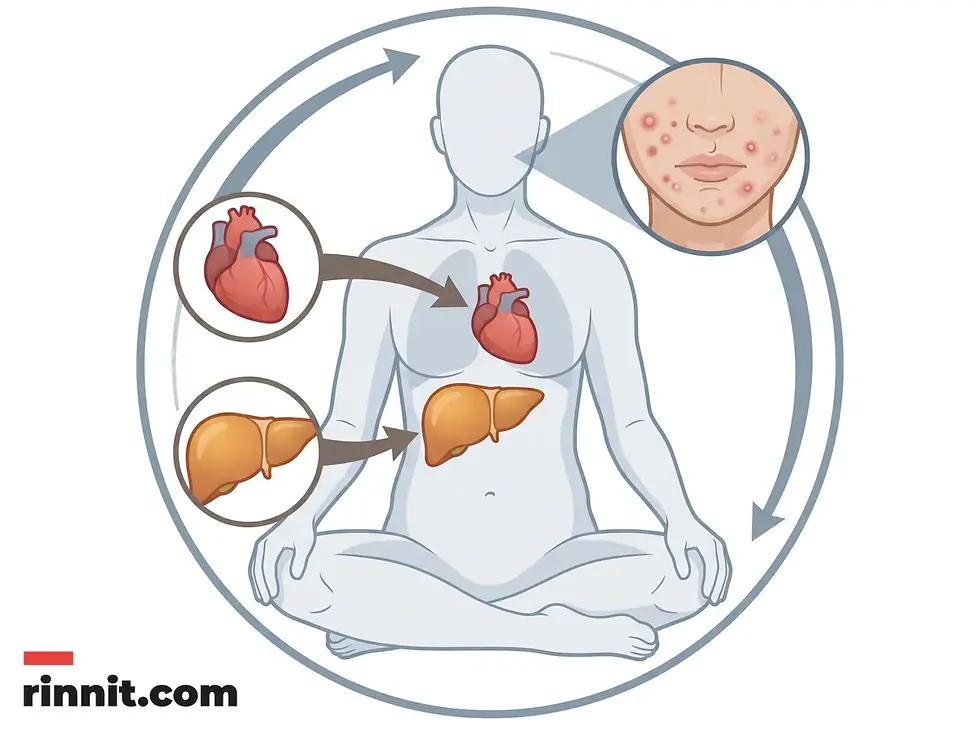
Anabolic steroids can cause side effects such as acne, oily skin, fluid retention and menstrual changes even when prescribed [1], and misuse carries serious risks. These risks become significantly more severe when the drugs are misused for non-medical purposes, such as bodybuilding or athletic performance enhancement [1].
Common Prescription Side Effects: Patients may experience acne, oily skin, fluid retention (swelling in the ankles), and prostate stimulation [1]. Men may notice smaller testicles or breast enlargement, while women may experience menstrual changes or vaginal dryness [1].
Severe Risks of Misuse: Non-prescription use often involves doses 10 to 100 times higher than medical recommendations [1]. This level of misuse can lead to life-threatening complications, including high blood pressure, blood clots, heart attacks, strokes, and liver damage [1].
Psychological Impact: Steroid misuse is often linked to body dysmorphic disorders, such as muscle dysmorphia [1], where individuals become obsessed with increasing their muscle mass despite the health consequences.
Conclusion
Anabolic steroids are powerful hormonal tools that, when used correctly, provide essential treatment for a variety of serious medical conditions. From restoring testosterone levels to helping patients recover muscle mass, their therapeutic value is well-established. However, the high potential for misuse and the resulting severe health risks highlight the importance of using these medications only under strict medical supervision.
Frequently Asked Questions
1. What is the difference between anabolic steroids and corticosteroids?
Anabolic steroids mimic testosterone to build muscle and treat hormonal issues. Corticosteroids resemble cortisol and are used to reduce inflammation and immune activity.
2. Are anabolic steroids legal?
Yes, they are legal when prescribed by a healthcare provider for a legitimate medical condition. Using them without a prescription for performance enhancement is illegal.
3. What does "anabolic" mean?
"Anabolic" refers to the process of building up tissues in the body, most notably skeletal muscle.
4. How are anabolic steroids taken?
Anabolic steroids can be administered in several ways, including oral pills, intramuscular injections, topical gels or creams, skin patches, and implantable pellets.
5. Can women use anabolic steroids?
Yes, healthcare providers prescribe them to women for specific conditions like certain types of breast cancer, endometriosis, and osteoporosis.
6. What is male hypogonadism?
Male hypogonadism is a condition where the body does not produce enough testosterone. Anabolic steroids are a primary treatment to restore hormone levels to a healthy range.
7. What are the signs of steroid misuse?
Signs include rapid muscle gain, severe acne, mood swings, and physical changes like breast enlargement in men or facial hair growth in women.
8. Is the initial "flare" from GnRH agonists dangerous?
This question applies to prostate cancer hormone therapy, not anabolic steroids. GnRH agonists can briefly worsen prostate cancer symptoms when first started, and providers usually prevent this with antiandrogen pills.
9. Can steroid side effects be permanent?
While many side effects are reversible after stopping the drug, some complications from high-dose misuse, like heart damage or certain physical changes, can be permanent.
10. Why do athletes misuse anabolic steroids?
Athletes and bodybuilders often misuse them to rapidly increase lean muscle mass, strength, and overall athletic performance, despite the health risks.
Related Reading
Testosterone Replacement Therapy (TRT): Benefits, Side Effects, and Who It's For explains medical testosterone therapy, benefits and risks.
Understanding Low Testosterone: Symptoms, Causes, and Modern Treatments covers low testosterone symptoms and treatment options.
Gynecomastia: Why Breast Tissue Grows in Men, and What Treatment Can — and Can't — Do explains male breast enlargement, including steroid-related causes.
Corticosteroids (Glucocorticoids): Uses, Types, Side Effects and When to Call Your Doctor describes a different steroid class used to calm inflammation.
References
Cleveland Clinic. Anabolic Steroids: What They Are, Uses, Side Effects & Risks. Cleveland Clinic. Feb. 7, 2023. https://my.clevelandclinic.org/health/treatments/5521-anabolic-steroids
Christou MA, Christou PA, Markozannes G, et al. Effects of anabolic androgenic steroids on the reproductive system of athletes and recreational users: a systematic review and meta-analysis. Sports Med. 2017;47(9):1869-1883. PMID 28258581. https://doi.org/10.1007/s40279-017-0709-z
Warrier AA, Azua EN, Kasson LB, et al. Performance-enhancing drugs in healthy athletes: an umbrella review of systematic reviews and meta-analyses. Sports Health. 2024;16(5):695-705. PMID 37688400. https://doi.org/10.1177/19417381231197389
Magnolini R, Falcato L, Cremonesi A, et al. Fake anabolic androgenic steroids on the black market: a systematic review and meta-analysis on qualitative and quantitative analytical results found within the literature. BMC Public Health. 2022;22(1):1371. PMID 35842594. https://doi.org/10.1186/s12889-022-13734-4
Medical Disclaimer
This article is for informational purposes only and does not constitute medical advice. Always seek the advice of your physician or other qualified health provider with any questions you may have regarding a medical condition. Never disregard professional medical advice or delay in seeking it because of something you have read here.



Comments