Wiskott-Aldrich Syndrome: Understanding This Rare Genetic Immune Disorder

Updated: 3 days ago
Medically reviewed by Dr. Baraa Alnahhal, MD · Last reviewed: October 2026
Wiskott-Aldrich syndrome is a rare X-linked genetic disorder that primarily affects males, impairing the immune system and blood clotting. Characterized by a triad of eczema, frequent infections, and easy bleeding, the condition stems from a mutation in the WAS gene. While it carries risks of life-threatening complications, early diagnosis and advanced treatments like stem cell transplants offer paths toward significantly improved outcomes.
Quick Answer
Wiskott-Aldrich syndrome (WAS) is a rare genetic condition caused by a mutation in the WAS gene on the X chromosome, which disrupts a protein essential for blood cell adhesion and immune function [1]. It typically affects male infants, causing eczema, low platelet counts with bleeding and frequent infections [1]. Management involves symptom control and definitive therapies such as stem cell transplants.
What the research says
Stem cell transplant gives excellent survival today. In 197 patients with Wiskott-Aldrich syndrome transplanted at European centers between 2006 and 2017, 3-year overall survival was 88.7% and chronic graft-versus-host disease-free survival was 81.7%; patients younger than 5 years at transplant had significantly better survival (Albert et al., Blood, 2022) [2].
Gene therapy is promising but still investigational. In a phase 1/2 trial of 5 patients with severe WAS, all were alive and well after a median 7.6 years, with improvement in eczema, infections, and bleeding; two patients with a history of autoimmunity had autoimmune flares after treatment (Labrosse et al., Blood, 2023) [3].
What is Wiskott-Aldrich syndrome?
Wiskott-Aldrich syndrome is fundamentally a disorder of the immune system and blood cells driven by genetic factors. It is classified as an X-linked recessive condition, meaning it almost exclusively affects males [1]. In the United States, the condition is rare, with an estimated prevalence of approximately three per million males, totaling fewer than 5,000 individuals nationwide [1].
The underlying cause is a mutation in the WAS gene, located on the short arm of the X chromosome. This gene is responsible for creating the Wiskott-Aldrich syndrome protein, which is found in all blood cells. This protein tells cells to attach to other tissues and cells in a process called adhesion [1]. When this protein is missing or defective, the immune system cannot effectively coordinate its defense against bacteria and viruses.
Feature | Wiskott-Aldrich Syndrome (WAS) Details |
Genetic Cause | Mutation of the WAS gene on the X chromosome |
Inheritance | X-linked recessive (primarily affects males) |
Prevalence | ~3 per million males |
Core Defect | Impaired cell adhesion and immune signaling |
Primary Risks | Severe infections, bleeding, and autoimmune disease |
The condition does run in some families, but over 30% of all cases occur without a family history (de novo), resulting from a new genetic mutation that happens during conception [1].
What is the classic symptom triad of Wiskott-Aldrich syndrome?
Clinically, Wiskott-Aldrich syndrome is most often identified by a specific triad of symptoms that emerge early in life. While the severity can vary between individuals, most patients will experience some combination of skin, immune, and blood-related issues.
1. Chronic Eczema
Eczema is a hallmark of the condition, presenting as itchy, dry, and inflamed patches of skin. In infants, this can be particularly distressing and may be one of the first visible signs that prompts a medical evaluation.
2. Immune Deficiency
Because the white blood cells lack the necessary protein to function correctly, the body's natural defenses are compromised. This leads to frequent and often severe infections, such as pneumonia or thrush [1]. Furthermore, a malfunctioning immune system may mistakenly attack the body's own tissues, resulting in autoimmune conditions like rheumatoid arthritis, vasculitis, or anemia [1]. There is also a significantly increased risk of developing certain cancers, including leukemia and lymphoma [1].
3. Microthrombocytopenia (Bleeding Issues)
Patients with Wiskott-Aldrich syndrome have blood platelets that are both fewer in number and smaller in size than normal [1]. This deficiency, known as microthrombocytopenia, severely impairs the blood's ability to clot. Common manifestations include frequent nosebleeds, bloody diarrhea, easy bruising, and purpura (bleeding under the skin) [1]. A distinctive sign is petechiae, which appear as tiny red dots on the skin [1] caused by minor capillary bleeding.

How is Wiskott-Aldrich syndrome diagnosed?
Healthcare providers typically diagnose Wiskott-Aldrich syndrome during infancy or early childhood [1]. The process often begins when a child presents with unusual bleeding, persistent bruising, or chronic bloody diarrhea [1]. Early detection is critical for preventing the most severe complications of the disorder.
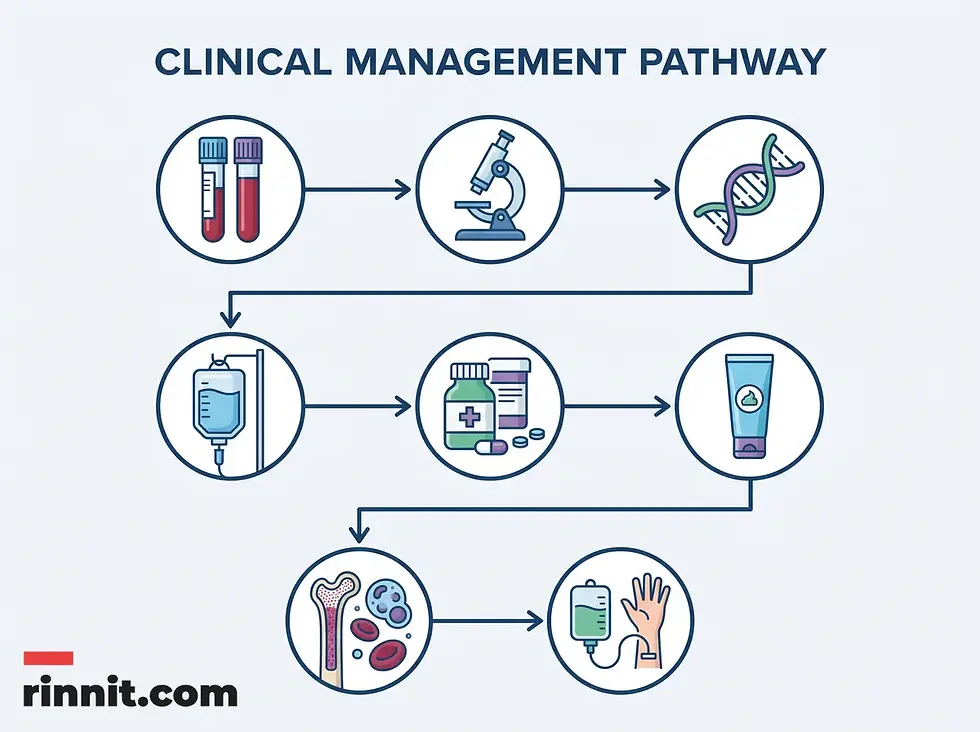
Diagnostic protocols usually involve a combination of blood work and genetic analysis. A Complete Blood Count (CBC) is essential to evaluate the number and size of platelets, while a peripheral blood smear allows for a closer examination of blood cell morphology [1]. Genetic testing is the definitive method to confirm a mutation in the WAS gene. Additionally, providers may test the child's ability to produce antibodies following standard vaccinations to assess the functional state of the immune system [1].
When should you see a healthcare provider about Wiskott-Aldrich syndrome?
If your child has Wiskott-Aldrich syndrome, contact their provider whenever they are sick or have bloody diarrhea, frequent nosebleeds, large bruises or recurrent infections [1]. Also see your child's provider if they have:
Bloody diarrhea
Frequent nosebleeds
Large areas of bruising
Changes to their skin
Recurrent infections (such as severe chickenpox or thrush, or bacterial infections) [1]
How is Wiskott-Aldrich syndrome treated and managed long term?
Management strategies for Wiskott-Aldrich syndrome focus on two main areas: controlling immediate symptoms and pursuing definitive, life-preserving therapies. Because common illnesses like chickenpox can become life-threatening for these children, rapid medical intervention for any sign of infection is a priority [1].
Symptom-Based Care
Daily management often includes the use of antibiotics or antiviral medications to prevent or treat infections [1]. Immunoglobulin (antibody) infusions are frequently used to supplement the child's weakened immune system [1]. For those with severe bleeding risks, platelet transfusions may be necessary [1]. Eczema is typically managed with topical medications [1] and intensive moisturizing routines.
Definitive Therapies
To address the underlying cause and prevent long-term complications, more intensive treatments are often required. A stem cell (bone marrow) transplant is currently the primary definitive treatment and can cure the condition by replacing abnormal blood cells with healthy ones that function as expected [1]. Gene therapy is also being explored as an investigational option in clinical settings [1]. Families are strongly encouraged to seek genetic counseling to understand the inheritance patterns and risks for future children [1].
Treatment Category | Specific Interventions |
Infection Control | Antibiotics, antivirals, immunoglobulin infusions |
Bleeding Management | Platelet transfusions, injury prevention |
Skin Care | Topical medications, OTC moisturizers |
Definitive Care | Stem cell transplant, investigational gene therapy |
Precautions | Avoidance of live-virus vaccines |
What is the outlook for Wiskott-Aldrich syndrome?
Wiskott-Aldrich syndrome can be fatal. Children who do not undergo a stem cell transplant may have a life expectancy of about 15 years, and infections, bleeding in the brain, or cancer can be life-threatening [1]. Medical advancements and treatment options are available to improve overall life expectancy, and because of the higher risk of leukemia and lymphoma, regular cancer screenings are needed throughout life [1].
How can people with Wiskott-Aldrich syndrome prevent problems and stay safe?
Wiskott-Aldrich syndrome cannot be prevented because it is genetic [1]. If you plan to have biological children and want to understand your risk of having a child with a genetic condition, talk with your healthcare provider about genetic testing [1].
Preventing complications is a central component of living with Wiskott-Aldrich syndrome. Because the immune system is compromised, certain standard medical practices must be modified. For instance, live-virus vaccines (such as the live-virus flu vaccine) are generally avoided because the weakened strain could actually cause the disease in a child with WAS [1].
Environmental safety is also paramount. Parents and caregivers must take extra precautions to prevent injuries that could lead to uncontrolled bleeding. Regular follow-ups with a multidisciplinary medical team—including immunologists, hematologists, and dermatologists—ensure that potential issues like autoimmune flares or early signs of cancer are caught and treated immediately.
Conclusion
Wiskott-Aldrich syndrome presents significant challenges for affected children and their families, but modern medicine has transformed the outlook for this rare condition. Through a combination of early diagnostic vigilance, proactive symptom management, and advanced therapies like stem cell transplantation, it is possible to mitigate the most severe risks. Continued research into gene therapy holds further promise for future clinical advancements.
If you suspect a child is showing signs of unusual bleeding or chronic infections, consult a pediatric specialist immediately to begin the necessary diagnostic evaluations.
Frequently Asked Questions
What is the primary cause of Wiskott-Aldrich syndrome?
The condition is caused by a mutation in the WAS gene on the X chromosome, which prevents blood cells from adhering correctly to other cells and tissues.
Why does Wiskott-Aldrich syndrome mainly affect males?
Wiskott-Aldrich syndrome is an X-linked recessive disorder. Since males have only one X chromosome, a single mutation on that chromosome will cause the condition.
Can a child with Wiskott-Aldrich syndrome receive vaccines?
Children with WAS can receive some vaccines, though they may be less effective. However, live-virus vaccines are typically avoided because a live strain of the virus may cause an illness in the child.
What is a WAS-related disorder?
WAS-related disorders involve the WAS gene and affect the immune system. X-linked thrombocytopenia, which causes low platelets, is one example.
Is Wiskott-Aldrich syndrome always inherited?
No. While it often runs in families, over 30% of cases are de novo, meaning they result from a new mutation that occurs during conception.
What is the "classic triad" of symptoms?
The classic triad consists of eczema, immune deficiency (frequent infections), and microthrombocytopenia (low and small platelets leading to bleeding).
What is the most effective treatment for Wiskott-Aldrich syndrome?
A stem cell (bone marrow) transplant is currently the most effective definitive treatment and can cure the condition by replacing abnormal blood cells with healthy ones.
What are petechiae?
Petechiae are tiny red or purple dots on the skin caused by minor bleeding under the surface, often seen in those with low platelet counts.
Can females have Wiskott-Aldrich syndrome?
Wiskott-Aldrich syndrome is extremely unlikely in females, as the condition is X-linked and typically only manifests when the single X chromosome in males is affected.
What is the role of the WAS protein?
The protein tells blood cells to attach to other cells and tissues, a process called adhesion that is essential for a healthy immune response.
What cancers are associated with Wiskott-Aldrich syndrome?
The compromised immune system increases the risk of developing leukemia and lymphoma, so regular cancer screenings are needed throughout life.
Related Reading
MPV Blood Test (Mean Platelet Volume): Normal Range, High and Low Results explains the blood test that measures platelet size and helps evaluate this condition.
References
Cleveland Clinic. Wiskott-Aldrich Syndrome. Cleveland Clinic. Last updated March 6, 2024. https://my.clevelandclinic.org/health/diseases/wiskott-aldrich-syndrome
Albert MH, Slatter MA, Gennery AR, et al. Hematopoietic stem cell transplantation for Wiskott-Aldrich syndrome: an EBMT Inborn Errors Working Party analysis. Blood. 2022;139(13):2066-2079. PMID 35100336. https://doi.org/10.1182/blood.2021014687
Labrosse R, Chu JI, Armant MA, et al. Outcomes of hematopoietic stem cell gene therapy for Wiskott-Aldrich syndrome. Blood. 2023;142(15):1281-1296. PMID 37478401. https://doi.org/10.1182/blood.2022019117
Medical disclaimer
The information provided in this article is for educational purposes only and should not be used as a substitute for professional medical advice, diagnosis, or treatment. Always seek the advice of your physician or other qualified health provider with any questions you may have regarding a medical condition.



Comments