What Is Narcolepsy in Children?

Updated: 3 days ago
Medically reviewed by Dr. Baraa Alnahhal, MD · Last reviewed: October 2026
Quick Answer: What Is Narcolepsy in Children?
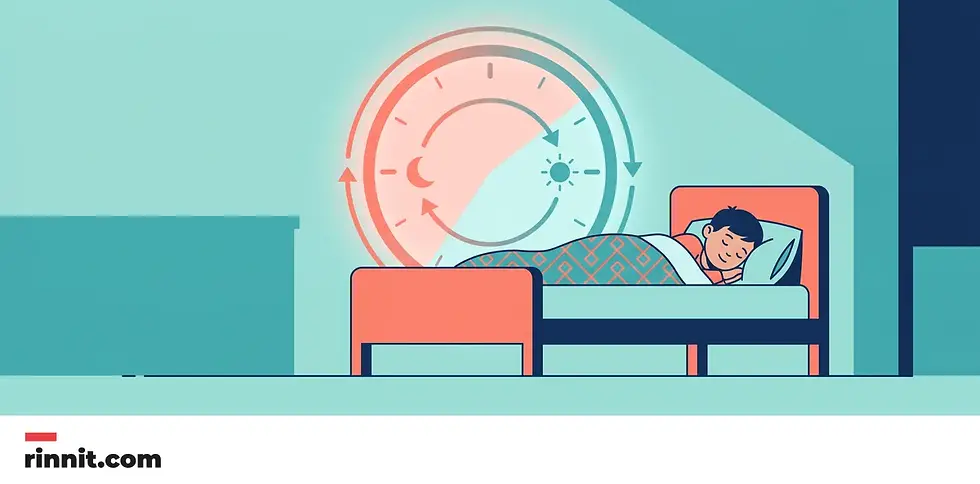
Narcolepsy is a nervous system condition in which the brain cannot properly manage the transition between being awake and asleep. [1] [2] In children, it often causes extreme daytime tiredness even after a full night's rest, [2] and some have cataplexy, hallucinations or sleep paralysis. [1] [3] Diagnosis involves specialized sleep studies, [1] [2] and treatment aims to improve alertness [1] and stabilize nighttime sleep.
What the research says
Childhood narcolepsy is easy to mistake for behavior problems. A review of pediatric narcolepsy notes that the condition affects roughly 0.025% to 0.05% of the general population and that cataplexy accompanies sleepiness in about 70% of patients. Children often respond to sleepiness with irritability, hyperactivity and poor attention, which can be misread as misbehavior, and pediatric narcolepsy is associated with rapid weight gain, precocious puberty, ADHD, depression, anxiety and impaired school performance (Plazzi et al., Pediatr Neurol, 2018 [3]).
Pitolisant improved symptoms in children in a randomized trial. In a double-blind, placebo-controlled trial of 110 children aged 6 to 17 years (72 on pitolisant, 38 on placebo), the Ullanlinna Narcolepsy Scale score fell by 6.3 points with pitolisant versus 2.6 with placebo (difference -3.7, 95% CI -6.4 to -1.0, p=0.007). Adverse events were reported by 31% versus 34%; headache (19% versus 8%) and insomnia (7% versus 3%) were the most frequent. The treatment period was short, so long-term safety still needs study (Dauvilliers et al., Lancet Neurol, 2023 [4]).
Guidelines suggest modafinil or sodium oxybate for children, based on conditional recommendations. The American Academy of Sleep Medicine's systematic-review-based guideline made conditional ("we suggest") recommendations for modafinil and for sodium oxybate in pediatric narcolepsy, which means the choice should weigh each child's situation and family preferences (Maski et al., J Clin Sleep Med, 2021 [5]).
Key Takeaways: Narcolepsy in Children
Feature | Details |
Primary Symptom | |
Common Trigger | |
Diagnostic Tests | |
Treatment Focus | Medication (stimulants/sodium oxybate) and scheduled naps. [1] |
School Support | Often requires an IEP or 504 plan for accommodations. |
Long-term Outlook | Chronic but manageable; does not affect life expectancy. |
What is narcolepsy in children?
Narcolepsy is a lifelong neurological condition that interferes with a child's internal sleep clock. [1] [2] Unlike normal tiredness, narcolepsy causes a child to feel an overwhelming urge to sleep throughout the day, regardless of how much rest they received the night before. [2] This can significantly impact a child's ability to learn, socialize, and participate in daily activities. [1] [3]
There are two primary forms of the condition:
What are the symptoms and clinical signs of narcolepsy in children?
The symptoms of narcolepsy in children can be subtle at first and are often mistaken for behavioral issues or laziness. [1] [3] Recognizing the four main symptoms of narcolepsy is crucial for early intervention.
The Four Primary Symptoms
Excessive Daytime Sleepiness (EDS): This is almost always the first sign. [1] Children may fall asleep in the middle of a conversation, during a meal, or while playing. [6]
Cataplexy: A sudden loss of muscle tone. [1] [2] It might look like a drooping eyelid, a sagging jaw, or a total collapse. It is usually triggered by intense emotions like laughter or anger. [1] [2]
Sleep Paralysis: A frightening sensation where the child is unable to move or speak for a few seconds or minutes while falling asleep or waking up. [1] [2]
Vivid Hallucinations: Dream-like images or sounds that occur during the transition between sleep and wakefulness, which can be very scary for younger children. [1] [2]
Secondary Indicators
Disturbed Nighttime Sleep: Frequently waking up during the night. [1] [2]
Automatic Behaviors: Performing routine tasks (like writing or eating) for a few seconds while technically asleep. [1]
Sudden Weight Gain: Often associated with the onset of Type 1 narcolepsy. [1] [3]
Early Puberty: In some cases, the hormonal changes in the brain can trigger precocious puberty. [1] [3]

What causes narcolepsy in children, and who is at risk?
Narcolepsy is caused by a malfunction in the hypothalamus, the part of the brain responsible for regulating sleep. [1] [2] In Type 1 narcolepsy, the brain loses the cells that produce hypocretin, a chemical essential for staying awake. [2]
Potential Cause | Description |
Autoimmune Response | |
Genetics | A family history of sleep disorders may increase risk. [1] |
Brain Trauma | |
Infections |
How is narcolepsy in children diagnosed and tested?
Because narcolepsy is rare in children, it is often misdiagnosed as ADHD, depression, or epilepsy. [1] [2] A definitive diagnosis requires a visit to a pediatric sleep specialist.
Medical History and Sleep Diary: Parents track the child's sleep patterns and “sleep attacks” for several weeks. [1]
Actigraphy: The child wears a wrist device that monitors movement and rest periods for up to two weeks. [1]
Polysomnogram (PSG): An overnight stay in a sleep lab where sensors monitor brain waves, heart rate, and breathing. [1] [2]
Multiple Sleep Latency Test (MSLT): A daytime test where the child is given five opportunities to nap to see how quickly they fall into REM sleep. [1] [2]
How is narcolepsy in children treated and managed?
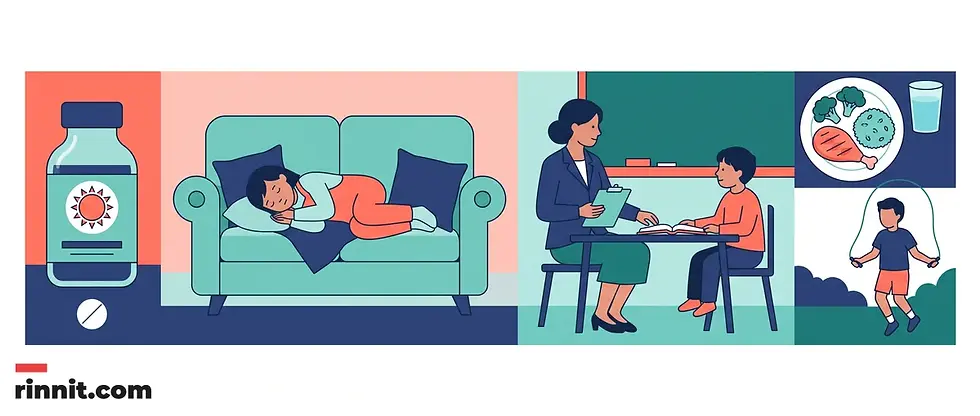
Narcolepsy in children has no cure, but medicines and behavioral strategies such as scheduled naps and good sleep habits are highly effective at managing symptoms. [1] [2]
Medical Interventions
Wake-Promoting Agents and Pitolisant: Medicines such as modafinil or pitolisant may be used to improve alertness; [1] [2] your child's specialist chooses based on age and symptoms.
Stimulants: Medications that help the child stay alert during school hours. [1]
Sodium Oxybate: A specialized medication taken at night to improve sleep quality and reduce cataplexy. It carries an FDA boxed warning for serious breathing and nervous-system depression, so it must never be combined with alcohol or other sedating medicines. [1] [2]
Antidepressants: Sometimes used to help control muscle weakness [1] [2] and hallucinations.
Behavioral Strategies
Scheduled Naps: One or two short, planned naps during the day can prevent sudden sleep attacks. [1] [2]
Sleep Hygiene: Maintaining a strict bedtime routine and a cool, dark sleeping environment. [1]
Regular Exercise: Physical activity helps stabilize sleep cycles, though it should be avoided right before bed. [1] [2]
How can children with narcolepsy be supported at school?
Academic success is possible with the right support system. Parents should work with school administrators to establish an Individualized Education Program (IEP) or a 504 Plan.
Common School Accommodations:
Conclusion
Narcolepsy in children is a complex neurological challenge, but it is not a barrier to a successful and happy childhood. By combining medical expertise with supportive school environments and consistent home routines, families can effectively manage the symptoms. Early diagnosis remains the most powerful tool in ensuring that a child's development remains on track.
For more resources and visual guides on managing pediatric health conditions, explore our infographic templates library.
Frequently Asked Questions
Is narcolepsy in children common?
No, it is a rare condition affecting approximately 20 to 50 people per 100,000. [1]
Can a child outgrow narcolepsy?
What is the first sign of narcolepsy?
Excessive daytime sleepiness is usually the first noticeable symptom. [1]
Is cataplexy dangerous?
While the muscle weakness itself isn't harmful, a sudden collapse can lead to falls or injuries. [2]
How is it different from just being a “sleepy teen”?
Narcolepsy involves sudden, uncontrollable sleep attacks and REM disturbances that normal tiredness does not.
Can my child still play sports?
Yes, most children can participate in sports, though triggers for cataplexy should be monitored.
Does narcolepsy affect intelligence?
No, it is a sleep regulation issue, not a cognitive disability.
Are the hallucinations real to the child?
Yes, they are very vivid and can be indistinguishable from reality for a young child. [1]
What triggers cataplexy?
Can narcolepsy be prevented?
There is currently no known way to prevent the autoimmune response that causes narcolepsy.
Is there a genetic test for narcolepsy?
While some genetic markers are linked to it, they do not provide a definitive diagnosis on their own. [2]
How long does a sleep attack last?
They can last from a few minutes to up to half an hour. [6]
Will my child need medication forever?
Most children require long-term medication to maintain alertness and safety.
Does narcolepsy cause weight gain?
Can narcolepsy cause ADHD symptoms?
Yes, sleepiness can lead to irritability and lack of focus that mimics ADHD. [3]
Is sleep paralysis harmful?
It is not physically harmful, but it can be emotionally traumatic.
What is hypocretin?
It is a chemical produced in the brain that helps regulate wakefulness and REM sleep. [2]
Can diet help manage narcolepsy?
Avoiding heavy, carb-rich meals during the day may help reduce sleepiness.
What is a “sleep attack”?
An irresistible urge to sleep that occurs suddenly during normal activities.
Is it safe for a child with narcolepsy to swim?
Swimming carries risk because of sleep attacks or cataplexy, so it should only happen with close, constant adult supervision [1] and with advice from your child's specialist.
How do I explain this to my child?
Focus on the idea that their brain's “sleep switch” is a little bit loose and needs special help to stay in the right position.
Are there support groups for parents?
Yes, many organizations provide resources and community for families dealing with pediatric sleep disorders. [1] [2]
Can narcolepsy affect a child's mood?
What is REM sleep?
Rapid Eye Movement sleep, the stage where most dreaming occurs.
Why does narcolepsy cause hallucinations?
The brain's REM sleep “dreams” spill over into wakefulness.
What is the MSLT?
The Multiple Sleep Latency Test, which measures how quickly someone falls asleep during the day. [2]
Can a brain injury cause narcolepsy?
Yes, if the injury affects the hypothalamus. [2]
Does caffeine help?
While it may provide a temporary boost, it is not a substitute for prescribed medical treatment.
What should I do during a cataplexy attack?
Stay calm, support the child's body to prevent a fall, and wait for the muscles to regain strength.
Is narcolepsy related to epilepsy?
No, they are different neurological conditions, though cataplexy is sometimes misdiagnosed as a seizure. [1] [2]
Can my child drive when they grow up?
Many people with narcolepsy can drive safely if their symptoms are well-controlled by medication.
Does narcolepsy affect life expectancy?
No, it does not directly impact how long a person lives.
Why is it hard to diagnose?
Because the symptoms overlap with many other common childhood conditions.
What is “automatic behavior”?
Continuing a task while in a brief sleep state without being aware of it. [1]
Are there different degrees of narcolepsy?
Yes, some children have very frequent attacks, while others have milder symptoms.
What is a 504 plan?
A legal document that ensures a child with a disability receives necessary accommodations in school.
Can puberty change symptoms?
Hormonal shifts during puberty can sometimes alter the frequency or intensity of sleep attacks.
Is narcolepsy an autoimmune disease?
Type 1 is widely considered to be an autoimmune condition. [2]
How many naps does a child need?
Usually one or two 20-minute naps are sufficient to help maintain alertness.
Does narcolepsy cause snoring?
Not directly, but other sleep issues like apnea can coexist with narcolepsy. [2]
Can a child with narcolepsy go to college?
Absolutely; universities also provide accommodations for students with sleep disorders.
What is the hypothalamus?
The command center in the brain that manages sleep, hunger, and body temperature. [7]
Is narcolepsy contagious?
No, it is not an infectious disease.
Can stress make it worse?
Yes, stress can increase the frequency of both sleep attacks and cataplexy.
What is sodium oxybate?
A powerful medication that helps consolidate nighttime sleep and reduce daytime symptoms. [2]
How do specialists test hypocretin levels?
Through a lumbar puncture (spinal tap), though this is not always necessary for diagnosis. [1]
Is it okay to wake a child from a sleep attack?
Yes, but they may be disoriented or irritable upon waking.
Can narcolepsy affect social skills?
Where can I find more information?
Consult a pediatric sleep center or national narcolepsy advocacy organizations.
Related Reading
Multiple Sleep Latency Test (MSLT): How It Diagnoses Narcolepsy and What to Expect explains the daytime nap test used to diagnose narcolepsy and hypersomnia.
References
Cleveland Clinic. Narcolepsy in Children: What It Is, Symptoms & Treatment. Cleveland Clinic. Last updated February 19, 2024. https://my.clevelandclinic.org/health/diseases/14307-narcolepsy-in-children
National Institute of Neurological Disorders and Stroke. Narcolepsy. NINDS. Last reviewed August 25, 2026. https://www.ninds.nih.gov/health-information/disorders/narcolepsy
Plazzi G, Clawges HM, Owens JA. Clinical characteristics and burden of illness in pediatric patients with narcolepsy. Pediatr Neurol. 2018;85:21-32. PMID 30190179. https://doi.org/10.1016/j.pediatrneurol.2018.06.008
Dauvilliers Y, Lecendreux M, Lammers GJ, et al. Safety and efficacy of pitolisant in children aged 6 years or older with narcolepsy with or without cataplexy: a double-blind, randomised, placebo-controlled trial. Lancet Neurol. 2023;22(4):303-311. PMID 36931805. https://doi.org/10.1016/S1474-4422(23)00036-4
Maski K, Trotti LM, Kotagal S, et al. Treatment of central disorders of hypersomnolence: an American Academy of Sleep Medicine clinical practice guideline. J Clin Sleep Med. 2021;17(9):1881-1893. PMID 34743789. https://doi.org/10.5664/jcsm.9328
Mayo Clinic. Narcolepsy: Symptoms and causes. Mayo Clinic. Last updated November 15, 2024. https://www.mayoclinic.org/diseases-conditions/narcolepsy/symptoms-causes/syc-20375497
MedlinePlus. Hypothalamus. MedlinePlus Medical Encyclopedia. Last reviewed April 24, 2025. https://medlineplus.gov/ency/article/002380.htm
Disclaimer
This information is for educational purposes only and does not constitute medical advice. Always seek the counsel of a qualified healthcare professional regarding any medical condition or emergency. If you are experiencing a life-threatening emergency, call 911 or your local emergency services immediately.



Comments