What is Hemolysis? A Guide to Red Blood Cell Breakdown

Updated: 3 days ago
Medically reviewed by Dr. Baraa Alnahhal, MD · Last reviewed: October 2026
Quick Answer
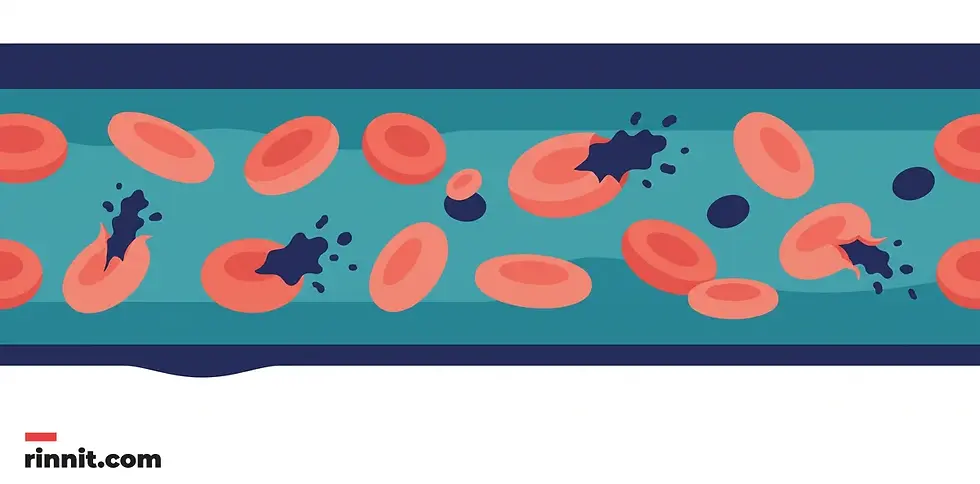
Hemolysis is the premature breakdown or destruction of red blood cells [1] [2]. When cells are destroyed faster than the bone marrow can replace them, the result is hemolytic anemia [1]. Hemolysis can occur inside blood vessels or in organs such as the spleen [1] [2]. Treatment focuses on the underlying cause, such as an infection, an immune response or exposure to certain toxins.
What the research says
Hemolysis is confirmed with a handful of blood tests. A clinical review in American Family Physician explains that hemolytic anemia is defined by premature red blood cell destruction, and that confirming it relies on reticulocytosis, raised lactate dehydrogenase, raised unconjugated bilirubin, and low haptoglobin, with the direct antiglobulin test separating immune from non-immune causes and a blood smear to look for abnormal cell shapes (Phillips & Henderson, American Family Physician, 2018 [2]).
Treatment of autoimmune hemolysis depends on the antibody type. An international consensus group recommended corticosteroids as first-line therapy for warm autoimmune hemolytic anemia, adding rituximab early in severe cases or when steroids do not work promptly, and rituximab with or without bendamustine as first-line treatment for cold agglutinin disease that needs therapy (Jäger et al., Blood Reviews, 2020 [3]).
Some hemolysis is a normal part of how the body recycles red blood cells. Laboratory work on human spleen tissue showed that aged red blood cells held in the spleen undergo hemolysis, making it a key step in normal red cell turnover (Klei et al., Blood, 2020 [4]).
Key Takeaways
Feature | Description |
Primary Process | |
Normal Lifespan | Red blood cells typically live for about 120 days [1]. |
Location | Can occur in the blood vessels (intravascular) or the spleen (extravascular) [1]. |
Common Symptoms | Fatigue, jaundice (yellowing), dizziness, and heart palpitations [1]. |
Key Triggers | Infections, autoimmune disorders, genetic defects, and certain toxins [1]. |
Diagnostic Tools | CBC, reticulocyte count, bilirubin levels, and the Coombs test [1]. |
How does hemolysis break down red blood cells?
Red blood cells are the workhorses of the circulatory system, responsible for carrying oxygen from the lungs to every tissue in the body. Under normal circumstances, these cells have a lifespan of approximately 120 days [1]. Once they become aged or damaged, they are naturally filtered out and destroyed by the spleen and liver. However, hemolysis becomes a clinical concern when this destruction happens prematurely or at an accelerated rate.
When hemolysis occurs too quickly, the bone marrow—the body's "blood factory"—struggles to keep up with the demand for new cells. This imbalance leads to a shortage of oxygen-carrying red blood cells, a condition referred to as hemolytic anemia [1]. Depending on where the destruction takes place, clinicians categorize the condition into two primary types:
Extravascular Hemolysis: This is the most common form, where red blood cells are removed from circulation and destroyed by macrophages in the spleen or liver.
Intravascular Hemolysis: In this form, the red blood cells burst directly within the blood vessels [1], releasing their contents (such as hemoglobin) into the plasma.

What are the root causes of hemolysis?
The triggers for hemolysis are diverse and can be broadly classified into inherited (genetic) and acquired factors. In many cases, the body's immune system mistakenly identifies its own red blood cells as foreign threats, leading to autoimmune-driven destruction [1].
Common Triggers and Risk Factors
Category | Specific Examples |
Genetic Disorders | Sickle cell disease, Thalassemia, G6PD deficiency, and Spherocytosis [1]. |
Infections | Malaria, Babesiosis, HIV, and Rocky Mountain spotted fever [1]. |
Immune Responses | Autoimmune hemolytic anemia (AIHA) and blood transfusion reactions [1]. |
Medical Devices | Mechanical heart valves, hemodialysis machines, and heart-lung bypass [1]. |
Pregnancy | HELLP syndrome and severe preeclampsia [1]. |
External Toxins | Lead, arsenic, copper, and certain snake venoms [1]. |
What are the symptoms of hemolysis?
The symptoms of hemolysis are largely related to the resulting anemia and the accumulation of cell breakdown products like bilirubin. Because red blood cells are essential for oxygen transport, many patients experience profound fatigue and physical weakness.
When red blood cells break down, they release bilirubin. If the liver cannot process this excess bilirubin quickly enough, it builds up in the body, causing jaundice—a noticeable yellowing of the skin and the whites of the eyes [1].
Common signs to monitor include:
Persistent Fatigue: A constant feeling of tiredness or lack of energy [1].
Physical Changes: Pale skin (pallor) or jaundice [1].
Cardiovascular Strain: Rapid heart rate (tachycardia) and shortness of breath [1] [2].
Organ Changes: An enlarged spleen [1], which may cause pain or fullness in the upper left abdomen.
Cold Sensitivity: Fingers or toes turning blue or white in the cold (Raynaud’s phenomenon), particularly in specific immune-related types.
How is hemolysis diagnosed and evaluated?
Accurately diagnosing hemolysis requires a combination of blood tests to confirm cell destruction and identify the underlying cause. Physicians typically start with a Complete Blood Count (CBC) to measure hemoglobin and hematocrit levels.
Standard Diagnostic Tests
Test Name | What it Measures | Significance in Hemolysis |
Reticulocyte Count | Number of immature red blood cells. | |
Bilirubin Test | Levels of waste products from RBC breakdown. | |
Haptoglobin Test | A protein that binds to free hemoglobin. | Low levels suggest intravascular hemolysis [1]. |
Coombs Test (DAT) | Presence of antibodies on red blood cells [1]. | |
Blood Smear | Visual examination of cell shape and size [1]. | Identifies specific genetic defects like sickle cells. |

How is hemolysis managed, and how do people recover?
The primary goal of treatment is to stop the destruction of red blood cells and manage the resulting anemia. Because the causes are so varied, management plans are highly individualized. For instance, if a specific medication is triggering the reaction, the first step is to discontinue its use.
Common Treatment Modalities
Medication: Corticosteroids or immunosuppressants are often used to dampen the immune system's attack on red blood cells [3]. In specific cases, drugs like Rituximab may be prescribed [3].
Supportive Care: Blood transfusions are reserved for severe or life-threatening cases of anemia to quickly boost oxygen-carrying capacity.
Surgical Intervention: If the spleen is the primary site of cell destruction (extravascular hemolysis), a splenectomy may be performed to remove the organ.
Supplements: Folic acid is often provided to support the bone marrow in producing new red blood cells; iron is given only when tests show a deficiency.
Conclusion
Hemolysis is a complex biological process that, when accelerated, can significantly impact a person's quality of life. By recognizing the early signs—such as jaundice and persistent fatigue—and seeking professional clinical evaluation, patients can effectively manage the condition. Whether the cause is genetic, immune-related, or environmental, modern medicine offers a wide range of strategies to stabilize red blood cell levels and support long-term health.
Frequently Asked Questions (FAQ)
What exactly is hemolysis?
Is hemolysis always a bad thing?
No, it is a normal part of the cell cycle for old cells [4], but it is problematic when it happens too early.
What is the difference between intravascular and extravascular hemolysis?
Intravascular occurs inside the blood vessels, while extravascular occurs in organs like the spleen [1].
Can hemolysis cause anemia?
Yes, it leads to hemolytic anemia if the bone marrow cannot replace the destroyed cells fast enough [1].
What are the most common symptoms?
Fatigue, jaundice, pale skin, and shortness of breath [1].
Why does jaundice happen during hemolysis?
It is caused by the buildup of bilirubin, a byproduct of red blood cell breakdown [1].
Can infections cause hemolysis?
Yes, infections like malaria and HIV are known triggers [1].
Is hemolysis genetic?
It can be, as in the case of sickle cell disease or thalassemia [1].
What is G6PD deficiency?
It is a genetic condition that makes red blood cells susceptible to breakdown under certain stresses.
Can medications trigger hemolysis?
Yes, certain antibiotics and pain relievers can cause an immune reaction that destroys RBCs [1].
What is autoimmune hemolytic anemia (AIHA)?
A condition where the immune system mistakenly attacks its own red blood cells [1].
How is hemolysis diagnosed?
Through blood tests like CBC, reticulocyte count, and bilirubin levels [1].
What is the Coombs test?
A test used to detect antibodies that are attacking red blood cells [1].
What does a high reticulocyte count mean?
It indicates that the bone marrow is working overtime to produce new red blood cells. [1]
Can pregnancy cause hemolysis?
Yes, conditions like HELLP syndrome involve hemolysis as a core component [1].
What are the risks of untreated hemolysis?
Severe anemia, heart failure, and organ damage.
Can toxins cause red blood cells to burst?
Yes, exposure to lead, arsenic, or snake venom can trigger hemolysis [1].
How do medical devices like heart valves cause hemolysis?
The mechanical force of the device can physically damage red blood cells as they pass through [2].
What is the treatment for immune-related hemolysis?
Corticosteroids and other immunosuppressive drugs [3].
When is a blood transfusion necessary?
When anemia becomes severe enough to threaten oxygen delivery to vital organs.
Why would a doctor remove the spleen?
To stop it from filtering out and destroying red blood cells in extravascular hemolysis.
Are there supplements that help?
Folic acid is commonly used to support new blood cell production; iron is only given when a deficiency is confirmed.
Can cold weather trigger hemolysis?
Yes, in a condition called cold agglutinin disease, antibodies become active in cold temperatures [3].
What is Raynaud’s phenomenon?
A condition where fingers or toes turn blue or white, sometimes seen in specific types of hemolysis.
Is hemolysis curable?
Many acquired forms are curable by treating the underlying cause, while genetic forms are managed long-term.
Can exercise cause hemolysis?
In rare cases, extreme physical exertion (like long-distance running) can cause "footstrike hemolysis."
What is hemoglobinuria?
The presence of hemoglobin in the urine, often making it look dark or tea-colored.
How long do red blood cells normally live?
About 120 days [1].
What is the role of haptoglobin?
It is a protein that clears free hemoglobin from the blood; low levels are a sign of hemolysis [1] [2].
Can diet affect hemolysis?
For those with G6PD deficiency, avoiding certain foods like fava beans is crucial.
What is the "triad" of symptoms in some types?
Jaundice, anemia, and an enlarged spleen.
Can high blood pressure cause hemolysis?
Extremely high blood pressure can physically damage red blood cells [1].
What is a peripheral blood smear?
A test where a lab technician looks at your blood under a microscope to check cell shape [1].
Can snake bites cause this?
Yes, certain venoms are "hemotoxic" and destroy red blood cells [1].
What is DIHA?
Drug-induced immune hemolytic anemia.
Is fatigue from hemolysis different from normal tiredness?
Yes, it is often more profound and accompanied by shortness of breath.
Can hemolysis affect the kidneys?
Yes, large amounts of free hemoglobin can damage the kidneys.
What is the bone marrow's role?
It is the primary site where new red blood cells are produced.
Can stress cause hemolysis?
While not a direct cause, it can worsen symptoms in those with underlying conditions.
How often should patients be monitored?
This depends on the severity and cause, ranging from weekly to monthly check-ups.
Can children have hemolysis?
Yes, especially if they have inherited conditions like spherocytosis.
What is the liver's role in this?
The liver helps process the bilirubin produced when cells break down.
Can blood transfusions cause hemolysis?
Yes, if the blood types are not perfectly matched.
What is a "hemolytic crisis"?
A sudden, rapid drop in red blood cell levels that requires emergency care.
Can alcohol affect hemolysis?
Chronic alcohol use can lead to liver issues that complicate the body's ability to handle cell breakdown.
Is there a link between hemolysis and heart palpitations?
Yes, the heart beats faster to try and circulate the remaining oxygen-rich blood.
What is thalassemia?
A genetic blood disorder that causes the body to have less hemoglobin than normal.
Can vitamin deficiencies cause this?
While not a direct cause of hemolysis, they can make anemia worse.
What is the outlook for patients?
With proper diagnosis and treatment of the underlying cause, most patients lead normal lives.
Should I see a specialist?
Yes, a hematologist is the primary specialist for blood-related conditions like hemolysis.
Related Reading
LDH (Lactate Dehydrogenase) Test: Normal Range and What High LDH Means explains the enzyme blood test that signals tissue damage.
References
Cleveland Clinic. Hemolysis. Cleveland Clinic. Last updated August 15, 2022. https://my.clevelandclinic.org/health/diseases/24108-hemolysis
Phillips J, Henderson AC. Hemolytic anemia: evaluation and differential diagnosis. American Family Physician. 2018;98(6):354-361. PMID: 30215915. https://pubmed.ncbi.nlm.nih.gov/30215915/
Jäger U, Barcellini W, Broome CM, et al. Diagnosis and treatment of autoimmune hemolytic anemia in adults: recommendations from the First International Consensus Meeting. Blood Reviews. 2020;41:100648. PMID: 31839434. https://doi.org/10.1016/j.blre.2019.100648
Klei TRL, Dalimot J, Nota B, et al. Hemolysis in the spleen drives erythrocyte turnover. Blood. 2020;136(14):1579-1589. PMID: 32777816. https://doi.org/10.1182/blood.2020005351
Disclaimer
The information provided in this article is for educational purposes only and should not be used as a substitute for professional medical advice, diagnosis, or treatment. Always seek the advice of your physician or other qualified health provider with any questions you may have regarding a medical condition.



Comments