What Is Benign Fasciculation Syndrome? Symptoms, Causes, Diagnosis, and Treatment Explained

Updated: 2 days ago
Medically reviewed by Dr. Baraa Alnahhal, MD · Last reviewed: October 2026
Quick Answer: What is benign fasciculation syndrome?
Benign fasciculation syndrome is a condition in which a person has frequent muscle twitches, called fasciculations, without any underlying medical condition. The twitches are involuntary, painless and harmless, though they can be annoying or distracting. A single twitch may last seconds, minutes or even hours, and the pattern of twitching can continue for months or years. [1]
Key takeaways
BFS is defined by frequent muscle twitching with no underlying disease. [1] A fasciculation is a visible, involuntary twitch of a single muscle that occurs while the muscle is at rest and causes no pain or damage.
The twitches most often affect the calves, thighs, eyelids, nose, arms, and hands. They can appear anywhere in the body and typically involve one muscle at a single site at a time. [1]
Stress, poor sleep, caffeine, alcohol, anxiety, strenuous exercise, viral infections, and hyperthyroidism are associated triggers. The exact cause is unknown, but an overactive peripheral nerve appears to drive each twitch. [1]
Diagnosis is a process of ruling everything else out. A neurologist typically uses a neurological exam, EMG, blood tests (thyroid and calcium), and brain and spinal imaging; normal results point to BFS. [1]
There is no specific treatment because the twitches are harmless. [1] Avoiding known triggers and managing anxiety is the primary approach, with limited evidence for a few medications.
BFS is not the same as ALS. In BFS, twitches usually occur in one muscle at a time without other symptoms, whereas ALS involves progressive weakness, atrophy, and multi-muscle twitching. Most people with BFS never develop ALS. [1]
What the research says
Most people with BFS never develop motor neuron disease. In a Mayo Clinic follow-up of 121 patients diagnosed with benign fasciculations (all with a normal neurological exam and normal electrophysiological studies apart from fasciculation potentials), telephone interviews 2 to 32 years after diagnosis found that none had developed symptomatic motor neuron disease. Forty of the patients worked in health care careers, and 19 described onset after a viral infection. (Blexrud et al., Ann Neurol, 1993) [3]
BFS tends to persist, but anxiety usually does not worsen over time. In a prospective study that followed 35 patients with BFS for 24 months, fasciculations persisted in 93%, anxiety levels did not change over time, and no patient developed motor neuron disease. Although most patients reported anxiety, only 14% were anxious on the Zung self-rating anxiety scale. Subjective weakness, sensory symptoms, and cramps were common and resolved to varying degrees. (Filippakis et al., Muscle Nerve, 2018) [4]
What Is Benign Fasciculation Syndrome?

Benign fasciculation syndrome (BFS) is a condition in which you experience frequent muscle twitches without having any kind of underlying medical condition. The word “fasciculation” refers to a visible, involuntary twitching of an individual muscle. The word is pronounced “fass-ick-you-lay-shun.” [1]
Each twitch does not hurt and can last for several seconds, minutes, or even hours. [1] The sensations may feel annoying or distracting, but they do not cause harm to the muscle or to the body.
Most people notice occasional muscle twitches from time to time. People with benign fasciculation syndrome differ in one key way: they experience muscle twitches frequently over a period of several months. [1]
What is a fasciculation?
A fasciculation happens when a single peripheral nerve that controls a muscle becomes overactive, resulting in involuntary muscle movement. [1] You may see or feel the skin ripple or the muscle briefly jump on its own, usually while the muscle is relaxed and at rest.
Symptoms of Benign Fasciculation Syndrome
The main symptom of benign fasciculation syndrome is frequent muscle twitching. The twitching happens when your muscle is at rest, meaning it is relaxed. The pattern of twitching can continue for months or even years. [1]
The twitches can occur anywhere in your body, but they most often occur in or around your: [1]
Calves
Thighs
Eyelids
Nose
Arms
Hands
Some people with BFS also experience muscle cramps alongside the twitching. This combination is known as cramp-fasciculation syndrome (CFS). [1]

BFS symptoms at a glance
Feature | What It Looks Like |
Primary symptom | Frequent, involuntary muscle twitching [1] |
When twitches occur | While the muscle is at rest (relaxed) [1] |
Duration of a single twitch | Seconds, minutes, or even hours [1] |
How long the condition lasts | Months or even years [1] |
Most common locations | Calves, thighs, eyelids, nose, arms, hands [1] |
Pain level | Painless [1] |
Harmfulness | Harmless; no muscle damage |
Possible companion symptom | Muscle cramps (cramp-fasciculation syndrome) [1] |
What Causes Benign Fasciculation Syndrome?
Fasciculation (muscle twitching) happens when a single peripheral nerve that controls a muscle is overactive, resulting in involuntary muscle movement. [1] That overactive signal makes the muscle contract briefly and visibly on its own.
Researchers do not know the exact cause of benign fasciculation syndrome. However, they know that muscle twitches are associated with several factors: [1]
Possible Trigger or Association | How It Relates to Twitching |
Stress | |
Lack of sleep | Poor sleep is linked with more frequent twitches |
Caffeine | |
Alcohol | Alcohol consumption is associated with fasciculations [1] |
Anxiety and depression | Mental health factors are connected to twitching [1] |
Strenuous exercise | Intense physical activity is a known association [1] |
Recent viral infection | |
Hyperthyroidism | An overactive thyroid is associated with fasciculations [1] |
Benign Fasciculation Syndrome vs. ALS
A common question is how benign fasciculation syndrome differs from amyotrophic lateral sclerosis (ALS), the degenerative neurological disease also known as Lou Gehrig's disease. The short answer is that ALS is a serious, progressive disease, while BFS involves twitching alone. [1]
ALS affects motor neurons, which are the nerves that control your voluntary muscles. [1] Muscle twitching is one common symptom of ALS, but it never occurs alone. Other ALS symptoms include muscle cramps, muscle weakness, muscle atrophy, and difficulty with breathing, speaking, and swallowing. Symptoms of ALS get worse over time, and the condition ultimately causes complications that are fatal. [1]
Benign fasciculation syndrome involves just muscle twitching and no other symptoms. The twitches in BFS usually occur at a single site in a single muscle at a time. In ALS, the twitching is more likely to occur in multiple muscles at the same time. [1]
Comparing BFS and ALS
Feature | Benign Fasciculation Syndrome (BFS) | ALS (Lou Gehrig's Disease) |
Core symptom | Muscle twitching only [1] | Twitching plus weakness, cramps, atrophy [1] |
Other symptoms | None [1] | Difficulty breathing, speaking, swallowing [1] |
Twitch pattern | Usually one site, one muscle at a time [1] | Multiple muscles at the same time [1] |
Progression | Does not progress to a disease | Worsens over time [1] |
Outcome | Harmless [1] | Ultimately fatal complications [1] |
Muscle atrophy | No [1] | Yes [1] |
Muscle weakness | No [1] | Yes [1] |
Although frequent muscle twitches could be an early sign of ALS, most people who have benign fasciculation syndrome do not develop ALS. [1]
Who Does Benign Fasciculation Syndrome Affect?
Benign fasciculation syndrome can affect anyone. [1] There is no specific age group, sex, or lifestyle pattern that puts one person at higher risk than another.
Benign fasciculations (muscle twitches) themselves are common. They occur in about 70% of healthy people at some point in their lives. [1] Benign fasciculation syndrome, however, is relatively rare, since it requires frequent and prolonged twitching over months.
How Is Benign Fasciculation Syndrome Diagnosed?
You will likely need to see a neurologist to receive a benign fasciculation syndrome diagnosis. The diagnosis is made on the basis of your symptoms combined with normal findings on a set of tests. [1]
In other words, a provider has to rule out all possible medical causes of the frequent muscle twitches, including neurological conditions. If you have no other signs of these conditions, the provider will likely diagnose you with benign fasciculation syndrome. [1]
This “rule-out” process is exactly what separates BFS from more serious conditions. Normal test results alongside frequent, painless twitching are the hallmark of the syndrome.
How Is Benign Fasciculation Syndrome Treated?
Because the muscle twitches in benign fasciculation syndrome are not a part of an underlying condition and are harmless, there is no specific treatment for the syndrome. [1]
Your healthcare provider may recommend trying to lessen or avoid possible triggers of muscle twitches, such as stress, caffeine, and strenuous exercise. [1] Managing these everyday factors is usually the first and most practical step.
There is limited research on the effectiveness of certain medications for BFS. Some research has shown that the following medications may help: [1]
Medication | What It Is |
Vitamin B complex | A combination of B vitamins studied for twitch relief |
Naftidrofuryl | A medication that relaxes blood vessels [1] |
Calcium channel blockers (such as diltiazem) | A drug class that affects muscle and vessel activity |
The anxiety connection
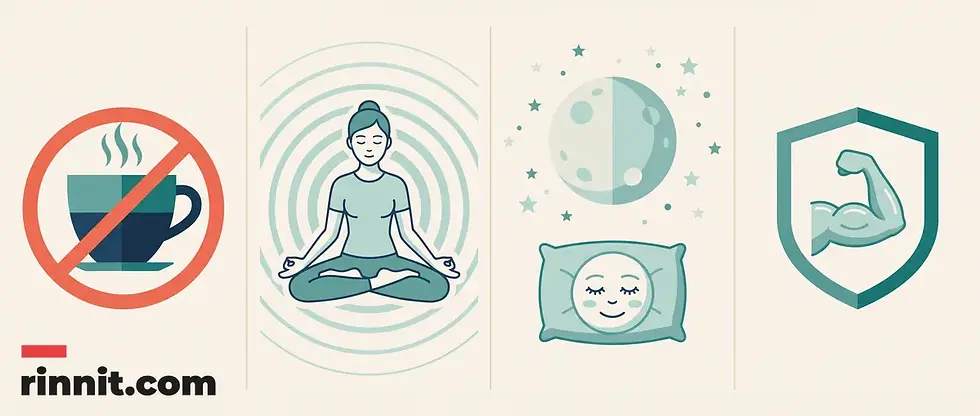
BFS often causes anxiety, because muscle twitches can be a sign of serious neurological conditions like ALS. Anxiety can also be a trigger of muscle twitches, which can worsen or prolong BFS. [1]
Because of this cycle, it is important to talk to your provider or a mental health professional if you are experiencing anxiety. [1] Breaking the anxiety-twitch loop often matters more than any medication.
Can Benign Fasciculation Syndrome Be Prevented?
Researchers do not know why some people develop BFS while others do not, so there is nothing you can do to prevent it. [1] The practical focus instead falls on managing triggers and reducing anxiety once the condition is diagnosed.
Living With Benign Fasciculation Syndrome
When should you see a healthcare provider?
If you are having frequent muscle twitches, talk to a healthcare provider, especially if you are experiencing other muscle-related symptoms such as weakness. [1] These added symptoms are the signal that something beyond BFS may be going on.
If you have been diagnosed with benign fasciculation syndrome, your provider may recommend following up regularly to make sure you do not develop any other symptoms of an underlying condition. [1] Routine check-ins keep the diagnosis accurate over time.
Questions to ask your doctor
It may be helpful to ask your healthcare provider the following questions at your appointment:
What is causing my muscle twitches?
Should I be concerned about developing ALS or other neurological conditions?
What other symptoms should I look out for?
Is there anything I can do to treat or reduce the muscle twitches?
How often should I see a provider for the syndrome?
Conclusion
Benign fasciculation syndrome is defined by frequent, painless muscle twitching with no underlying disease. The twitches happen while muscles are at rest, most often in the calves, thighs, eyelids, nose, arms, and hands, and the pattern can persist for months or years. While the exact cause is unknown, stress, poor sleep, caffeine, alcohol, anxiety, and strenuous exercise are all associated triggers.
Diagnosis involves a neurologist ruling out other conditions through examination, EMG testing, blood work, and imaging. Because the twitches are harmless, there is no specific cure; management centers on avoiding triggers and addressing the anxiety the condition frequently causes. Most people with BFS never develop a serious neurological disease.
If constant twitching is bothering you or feeding worry, a conversation with a healthcare provider is the best next step.
Turn confusing medical topics into clear visuals. If you explain health content to others, Rinnit's ready-made infographic templates can help you illustrate conditions like benign fasciculation syndrome quickly, without design experience.
Frequently Asked Questions
What is benign fasciculation syndrome (BFS)?
BFS is a condition in which you experience frequent muscle twitches (fasciculations) without having any underlying medical condition. The twitches are painless, harmless, and occur while the muscle is at rest. [1]
Are muscle twitches harmful?
No. In benign fasciculation syndrome, the twitches are described as harmless. [1] They may be annoying or distracting, but they do not damage the muscle or the body.
Where do BFS muscle twitches usually occur?
The twitches can occur anywhere in the body, but they most often appear in or around the calves, thighs, eyelids, nose, arms, and hands. [1]
How long do the twitches last?
A single twitch episode does not hurt and can last for several seconds, minutes, or even hours. The overall pattern of frequent twitching can continue for months or even years. [1]
What causes benign fasciculation syndrome?
The exact cause is unknown. Twitching happens when a single peripheral nerve that controls a muscle is overactive. It is associated with stress, lack of sleep, caffeine, alcohol, anxiety, depression, strenuous exercise, recent viral infection, and hyperthyroidism. [1]
Is benign fasciculation syndrome the same as ALS?
No. ALS (Lou Gehrig's disease) is a degenerative neurological disease that causes muscle weakness, atrophy, cramps, and difficulty breathing, speaking, and swallowing, and it worsens over time. BFS involves only muscle twitching and is harmless. Most people with BFS never develop ALS. [1]
How do BFS twitches differ from ALS twitches?
In BFS, the fasciculations usually occur at a single site in a single muscle at a time. In ALS, the twitching is more likely to occur in multiple muscles at the same time, alongside other symptoms. [1]
How common is benign fasciculation syndrome?
Benign muscle twitches occur in about 70% of healthy people at some point in their lives. However, benign fasciculation syndrome itself, with frequent twitching lasting months, is relatively rare. [1]
Can BFS affect anyone?
Yes. Benign fasciculation syndrome can affect anyone, regardless of age or sex.
How is benign fasciculation syndrome diagnosed?
A neurologist typically diagnoses BFS based on your symptoms and normal findings from a neurological exam, an electromyogram (EMG), certain blood tests (such as thyroid and calcium tests), and imaging tests of the brain and spinal cord. All other possible causes must be ruled out first. [1]
Is there a cure or specific treatment for BFS?
There is no specific treatment, because the twitches are not caused by an underlying condition and are harmless. Providers usually recommend lessening or avoiding triggers such as stress, caffeine, and strenuous exercise. [1]
Do medications help with benign fasciculation syndrome?
Research is limited, but some studies have shown that vitamin B complex, naftidrofuryl (a blood vessel relaxer), and calcium channel blockers such as diltiazem may help some people. [1]
Can anxiety make BFS worse?
Yes. BFS often causes anxiety because twitching can signal serious conditions like ALS. In turn, anxiety can trigger more muscle twitches, which can worsen or prolong the syndrome. Talking to a provider or mental health professional about anxiety is important. [1]
What is cramp-fasciculation syndrome?
Cramp-fasciculation syndrome (CFS) is the name given when a person with BFS also experiences muscle cramps alongside the frequent twitching. [1]
Can I prevent benign fasciculation syndrome?
No. Researchers do not know why some people develop BFS while others do not, so there is nothing proven to prevent it. [1]
When should I see a doctor about muscle twitches?
If you are having frequent muscle twitches, talk to a healthcare provider, especially if you also experience weakness or other muscle-related symptoms. If you already have a BFS diagnosis, keep up with regular follow-ups to make sure no other symptoms of an underlying condition develop. [1]
Related Reading
References
Cleveland Clinic. Benign Fasciculation Syndrome. Cleveland Clinic Health Library. Last updated March 2, 2023. Accessed October 15, 2026. https://my.clevelandclinic.org/health/diseases/24812-benign-fasciculation-syndrome
Kasarskis E. What do Fasciculations or Muscle Twitching Mean? ALS Association. Accessed October 15, 2026. https://www.als.org/navigating-als/resources/what-do-fasciculations-or-muscle-twitching-mean
Blexrud MD, Windebank AJ, Daube JR. Long-term follow-up of 121 patients with benign fasciculations. Ann Neurol. 1993;34(4):622-625. PMID: 8215252. https://doi.org/10.1002/ana.410340419
Filippakis A, Jara J, Ventura N, et al. A prospective study of benign fasciculation syndrome and anxiety. Muscle Nerve. 2018;58(6):852-854. PMID: 30028521. https://doi.org/10.1002/mus.26193
Walter TR. Benign fasciculation syndrome. J Pain Palliat Care Pharmacother. 2015;29(1):54-55. PMID: 25700216. https://doi.org/10.3109/15360288.2014.997856
Medical disclaimer
The information provided in this article is for educational purposes only and is not intended as medical advice. Always seek the advice of your physician or other qualified health provider with any questions you may have regarding a medical condition. Never disregard professional medical advice or delay seeking care because of content you have read here. If you develop muscle weakness or other muscle-related symptoms alongside twitching, see a healthcare provider promptly.



Comments