Understanding Lip Lines: Causes, Treatments, and Prevention

Updated: 2 days ago
Medically reviewed by Dr. Baraa Alnahhal, MD · Last reviewed: September 2026
TL;DR: Lip lines, also known as perioral wrinkles, are vertical creases that develop on and above the lips due to aging and lifestyle factors. While they are a natural part of the aging process, habits like smoking and sun exposure can worsen their appearance. A variety of non-surgical and surgical treatments are available to reduce these lines and restore a more youthful look.
Quick Answer: Lip lines are vertical wrinkles that appear on the lips and the skin between the upper lip and the nose. Primarily caused by the natural loss of collagen and elastin combined with repetitive muscle movements, they are often exacerbated by smoking and sun damage. Management involves a range of options, from topical antioxidants and sunscreen for prevention to cosmetic procedures like fillers, Botox, and laser resurfacing for reduction.
Lip lines represent a common dermatological concern characterized by the development of vertical creases around the oral region. These wrinkles, clinically referred to as perioral rhytides, typically manifest as fine lines or deeper creases that can extend from the lip border toward the nose. While often associated with the natural progression of age, their development is influenced by a complex interplay of genetic predispositions and environmental triggers.
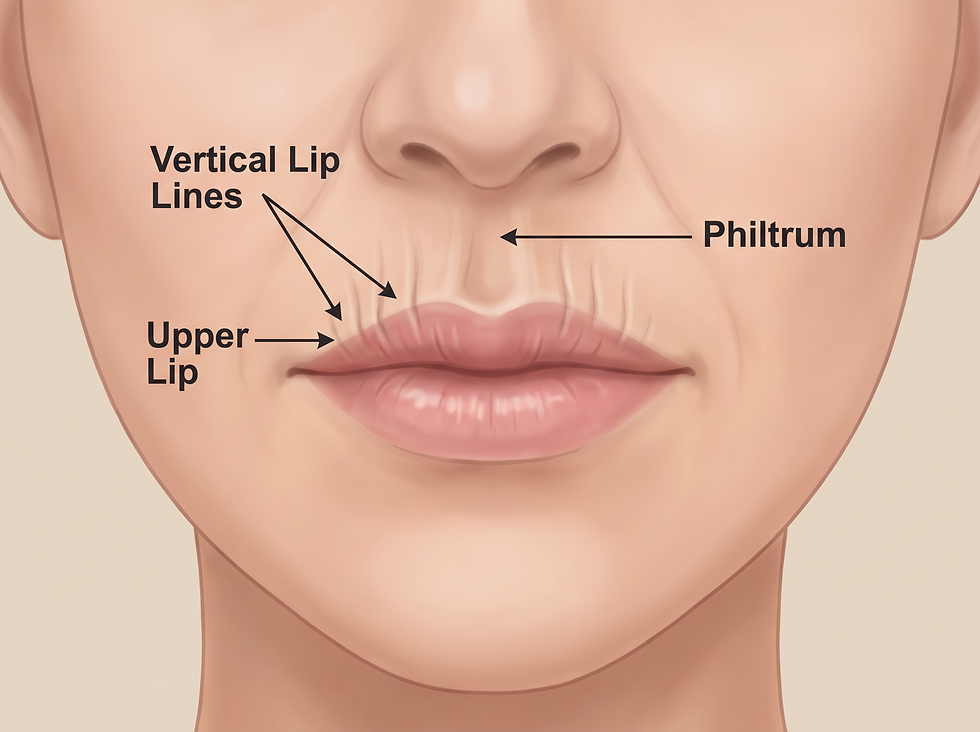
The Primary Causes of Lip Wrinkles
The fundamental cause of lip lines is the gradual degradation of structural proteins within the skin. As the body ages, the production of collagen and elastin, the proteins responsible for maintaining skin suppleness and elasticity, naturally declines. This biological shift, coupled with the constant activity of the muscles surrounding the mouth, eventually leads to the formation of permanent creases.
Beyond biological aging, several external factors significantly accelerate the development of these wrinkles. Repetitive facial movements, such as pursing the lips or frequently using straws, contribute to mechanical stress on the skin. Furthermore, lifestyle choices like smoking and excessive alcohol consumption introduce oxidative stress that further breaks down the skin's supportive matrix.
Cause Category | Primary Factors | Impact on Skin |
Biological | Aging, Genetics | Loss of collagen and elastin, reduced hydration |
Environmental | Sun Exposure, Pollution | UV damage, accelerated breakdown of proteins |
Lifestyle | Smoking, Straw Use, Alcohol | Mechanical stress, oxidative damage, dehydration |
For a broader look at how wrinkles form and what realistically works, see our guide to Wrinkles: What Causes Them, How to Slow Them, and Your Realistic Treatment Options. Sun damage can also affect the lips directly; learn more in Actinic Cheilitis: What the Sun Can Do to Your Lips, and What to Do About It (2026 Guide).
Diagnostic Severity and Professional Assessment
Healthcare providers, particularly plastic surgeons and dermatologists, assess lip lines using standardized rating scales to determine the most appropriate course of action. This evaluation considers the depth of the creases and their visibility during both rest and active facial expressions. Understanding the severity is critical for selecting between preventative care and corrective procedures.
Severity Level | Visual Characteristics | Typical Recommendation |
Mild | Shallow, fine lines visible under close inspection | Preventative skincare, SPF, topical antioxidants |
Moderate | Deeper lines that may affect lipstick application | Fillers, Botox, or light resurfacing treatments |
Severe | Thick, permanent creases extending toward the nose | Laser resurfacing, dermabrasion, or surgical options |
Effective Management and Treatment Pathways
Modern aesthetic medicine offers a broad spectrum of treatments designed to minimize the appearance of perioral wrinkles. Non-surgical interventions are highly popular due to their minimal downtime and immediate results. Injectables such as botulinum toxin (Botox) work by relaxing the underlying muscles, while dermal fillers restore lost volume to smooth out deep creases.
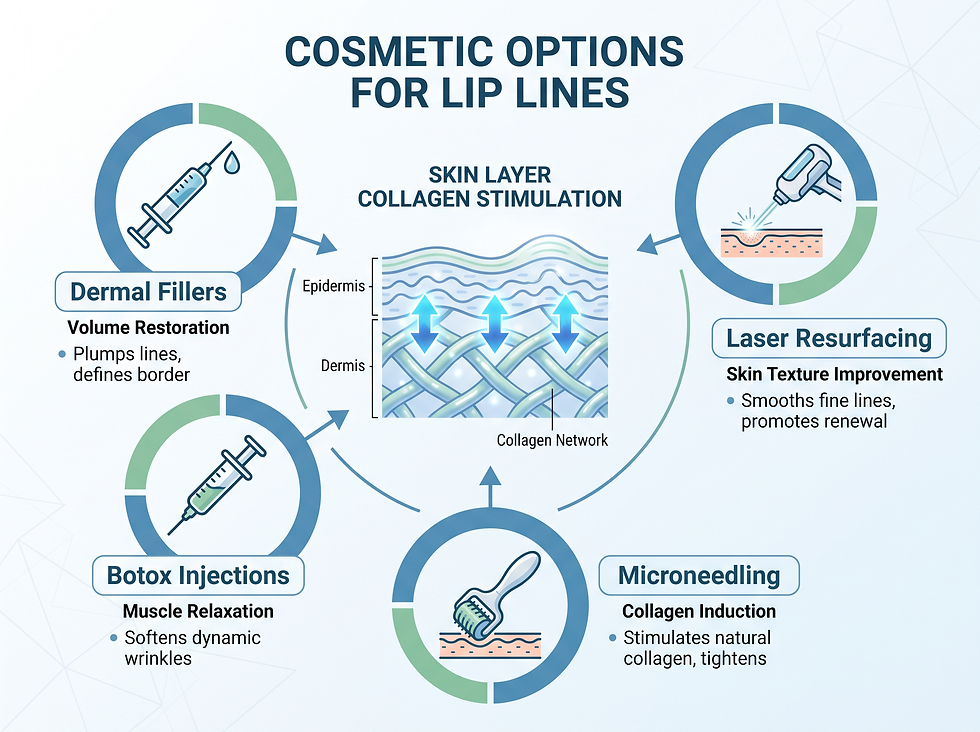
For those seeking more comprehensive results, resurfacing techniques like chemical peels, dermabrasion, and laser therapy can effectively remove damaged outer layers of skin to stimulate new collagen growth. Additionally, surgical options such as fat transfer or lip implants provide more permanent structural changes, though they may be less effective for the fine lines located above the lip border.
Preventative Strategies and Long-Term Care
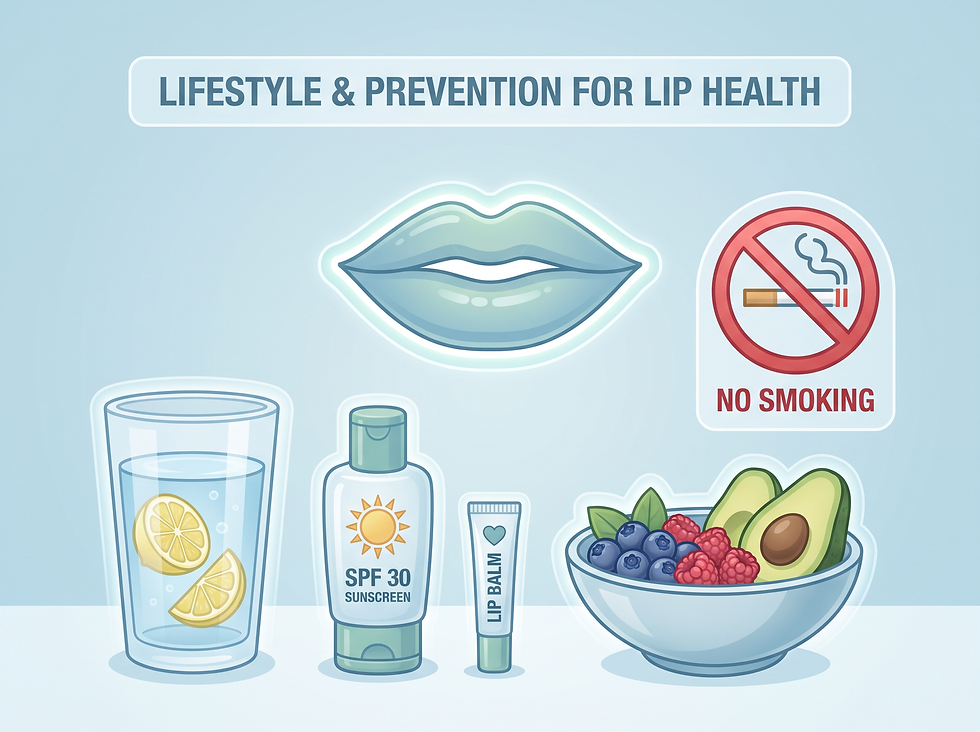
While it is impossible to completely prevent the formation of lip lines, adopting a proactive skincare regimen can significantly delay their onset and reduce their eventual severity. Daily application of broad-spectrum SPF 30 sunscreen is the most critical step in protecting the delicate perioral skin from UV-induced damage. Supplementing this with topical antioxidants, such as Vitamin C, helps neutralize environmental stressors.
Conclusion
Lip lines are a natural consequence of aging and muscle activity, but they do not have to be a permanent fixture. By combining healthy lifestyle habits with professional cosmetic interventions, individuals can effectively manage and reduce the appearance of these wrinkles. Consulting with a qualified specialist is the best way to develop a personalized plan that addresses specific concerns and aesthetic goals.
Take the next step: If you are concerned about the development of vertical lip lines or wish to explore modern smoothing treatments, schedule a consultation with a board-certified dermatologist or plastic surgeon. Early intervention and a consistent professional skincare routine are the most effective ways to maintain a youthful and healthy appearance.
Frequently Asked Questions
What exactly are lip lines?
They are vertical wrinkles that develop on the lips and the skin directly above the upper lip.
Are lip lines the same as smile lines?
No, smile lines extend from the nose to the mouth corners, while lip lines are vertical creases around the lips themselves.
What are "lipstick lines"?
This is a common name for lip lines because they often cause lipstick to bleed or appear uneven.
At what age do they usually appear?
Most people begin to notice lip lines in their 40s, though lifestyle factors can cause them to appear earlier.
Does smoking cause lip lines?
Yes, smoking accelerates aging and involves repetitive pursing of the lips, leading to deeper wrinkles.
Can I permanently get rid of them?
While you cannot permanently stop the aging process, many treatments can significantly and temporarily reduce their appearance.
How long does Botox last for lip lines?
Typically, the effects of Botox in the perioral area last about six months.
Are fillers effective for deep creases?
Yes, dermal fillers are often used to restore volume and smooth out moderate to severe lip lines.
What is microneedling?
It is a procedure that creates tiny punctures in the skin to stimulate the body's natural production of collagen and elastin.
Does sun exposure make lip lines worse?
Yes, UV damage is a primary contributor to the breakdown of skin proteins and the formation of wrinkles.
Can drinking through a straw cause wrinkles?
Frequent repetitive movements like sipping through a straw can contribute to the formation of fine lines over time.
Are there surgical options?
Yes, options like fat transfer and lip implants provide more long-lasting results for certain types of lip wrinkles.
What is the role of Vitamin C in prevention?
Topical Vitamin C acts as an antioxidant that protects the skin from environmental damage and supports collagen health.
Is hydration important for lip lines?
Proper hydration helps maintain skin volume and suppleness, which can make fine lines less noticeable.
Should I see a specialist for treatment?
Yes, consulting a board-certified professional ensures that you receive a safe and effective treatment plan tailored to your needs.
Related Reading
Explore more of our guides on skin, aging, and facial aesthetics:
Medical Disclaimer: The information provided in this article is for educational purposes only and should not be used as a substitute for professional medical advice, diagnosis, or treatment. Always seek the advice of your physician or other qualified health provider with any questions you may have regarding a medical condition.
Comments