Jawline Filler: A Nonsurgical Guide to a Defined and Youthful Look

Updated: 2 days ago
Medically reviewed by Dr. Baraa Alnahhal, MD · Last reviewed: September 2026
TL;DR
Jawline filler is a popular nonsurgical cosmetic procedure designed to enhance facial definition and restore volume to the jaw area. By injecting safe, temporary substances underneath the skin, healthcare providers can sharpen the jaw angle, reduce the appearance of sagging, and create a more symmetrical profile. With immediate results and minimal downtime, it offers an effective alternative to invasive surgeries for those seeking a more youthful and defined facial structure.
Quick Answer
Jawline fillers are injectable dermal treatments used to add shape and volume to the lower face. During a quick 10-to-20-minute procedure, a licensed professional injects substances like hyaluronic acid or calcium hydroxylapatite into targeted areas to smooth wrinkles and define the jawline. The results are visible immediately and can last anywhere from six months to five years, depending on the filler type. It is a safe, outpatient option for most adults looking to refine their profile.
Enhancing the Facial Profile
Jawline fillers have become a cornerstone of modern aesthetic medicine, offering a way to sculpt the face without the need for permanent implants or extensive surgery. These injections work by plumping the skin from within, which effectively smooths fine lines and creates a more distinct separation between the jawline and the neck. This procedure is particularly beneficial for individuals experiencing the natural effects of aging, such as thinning skin or a loss of facial volume.
Beyond anti-aging, jawline fillers are frequently used to address structural concerns. They can help create a sharper, more masculine or feminine jaw angle and correct minor asymmetries. Because the procedure is highly customizable, providers can tailor the volume and placement of the filler to meet each patient's unique aesthetic goals, ensuring a natural-looking enhancement that complements the rest of the facial features.
Types of Jawline Fillers
The choice of filler significantly impacts the longevity and final appearance of the treatment. Providers typically select from three primary substances, each with distinct properties and mechanisms of action.
Hyaluronic acid (HA): A natural substance that hydrates and plumps the skin. Typical longevity is 6 to 12 months.
Calcium hydroxylapatite: A mineral compound that stimulates collagen growth. Typical longevity is up to 12 months.
PMMA: Collagen beads that provide semi-permanent firmness. Typical longevity is up to 5 years.

The Procedure Experience
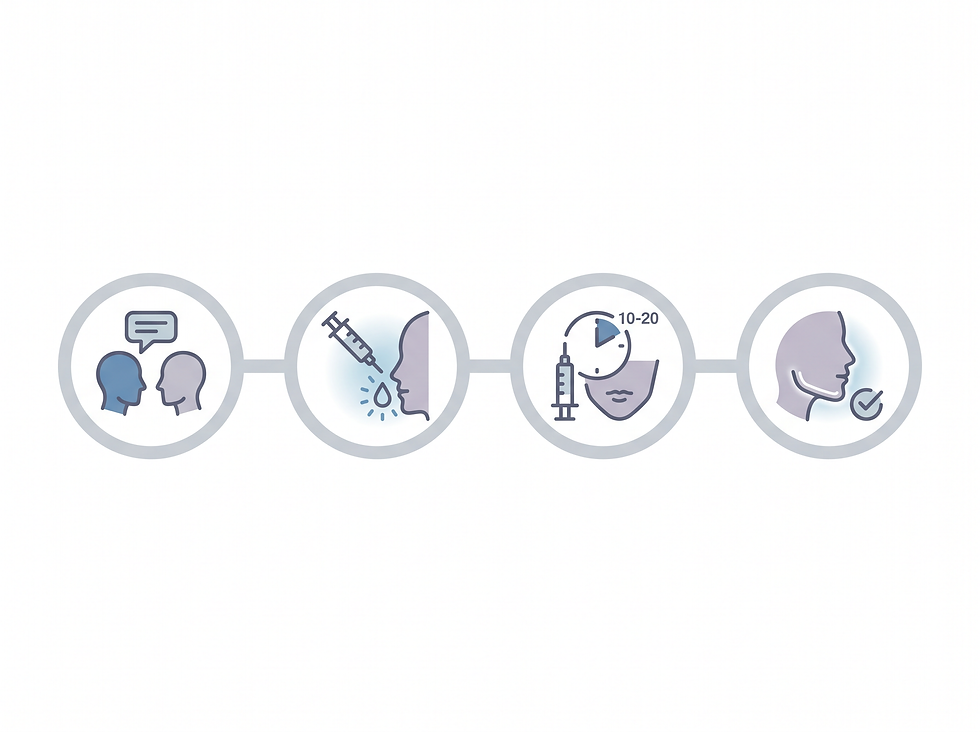
Undergoing a jawline filler treatment is a straightforward outpatient experience. The process begins with a thorough consultation where the provider examines the facial structure and discusses the desired outcomes. Once a plan is established, the skin is cleansed and a topical numbing cream is applied to ensure comfort. The injections themselves take only 10 to 20 minutes, during which a very thin needle is used to place the filler at precise depths.
Recovery is notably rapid. While some patients may experience mild bruising or swelling, these side effects typically resolve within a few days. Most individuals can return to their daily activities immediately after the appointment, though it is often recommended to avoid strenuous physical exercise for the first 24 hours. The immediate visibility of the results is one of the most rewarding aspects of the treatment for many patients.
Safety and Considerations
While jawline fillers are considered safe for most people, certain health conditions may preclude someone from being a candidate. It is essential to disclose any active skin infections, cold sores, or systemic diseases like uncontrolled diabetes during the initial consultation. Furthermore, disclosing the use of blood thinners or nicotine is vital, as these can influence the healing process and the risk of bruising.
Pre-treatment: Disclose all medications. Potential risks include bruising and bleeding.
During the procedure: Use licensed professionals. Potential risks include asymmetry or bumps.
Post-treatment: Apply cold compresses. Potential risks include swelling and redness.
Long-term: Schedule touch-ups. Potential risks include gradual absorption of the filler.

Conclusion
Jawline fillers provide a versatile and effective solution for those looking to refine their facial appearance without the commitment of surgery. By restoring lost volume and sharpening the contours of the lower face, this procedure helps many individuals achieve a more balanced and youthful profile. With a high safety profile and immediate results, it remains one of the most popular cosmetic enhancements available today.
What you can do now: If you are considering jawline fillers, the first step is to schedule a consultation with a licensed and experienced cosmetic provider. Prepare for your appointment by making a list of your aesthetic goals and any questions you have about the different types of fillers. Following your treatment, be sure to adhere to all aftercare instructions provided by your specialist to ensure the best possible results.
Frequently Asked Questions (FAQ)
1. What is jawline filler?
It is a nonsurgical injection procedure that adds volume and definition to the jaw area using dermal fillers.
2. How long does the procedure take?
The actual injection process usually takes between 10 and 20 minutes.
3. Are the results permanent?
No, the results are temporary as the body gradually absorbs the filler over months or years.
4. Which filler lasts the longest?
PMMA fillers are semi-permanent and can last up to five years.
5. Is the procedure painful?
Most patients feel only a slight pinch or sting, especially since topical numbing cream is used.
6. Can I go back to work immediately?
Yes, most people can resume their normal activities right after the procedure.
7. What are the most common side effects?
Temporary bruising, swelling, and redness at the injection site are the most common.
8. How soon will I see results?
The results are noticeable immediately after the injections are completed.
9. Who should perform the injections?
Only licensed and experienced professionals like dermatologists or plastic surgeons should perform the procedure.
10. Can jawline fillers fix a "weak" chin?
Yes, fillers can add volume and projection to help define the chin and jawline.
11. Are there any risks of infection?
Like any injection, there is a small risk of infection, but it is rare when performed in a sterile environment.
12. What should I avoid before the treatment?
You may be advised to avoid blood thinners and certain supplements to minimize bruising.
13. Can the filler be dissolved if I don't like it?
Hyaluronic acid fillers can be dissolved with a specific enzyme if needed.
14. How much does jawline filler cost?
Costs vary based on the type and amount of filler used, but it is generally less expensive than surgery.
15. What if I have an active cold sore?
You should postpone your treatment until the cold sore is completely healed.
Medical disclaimer: This content is for informational purposes only and does not constitute medical advice. Always seek the advice of a qualified healthcare provider with any questions regarding a medical condition or treatment. Based on information dated June 28, 2022.
Comments