Understanding Hypertensive Crisis: Causes, Symptoms, and Emergency Care

Updated: 2 days ago
Medically reviewed by Dr. Baraa Alnahhal, MD · Last reviewed: October 2026
Quick Answer: What Is a Hypertensive Crisis?
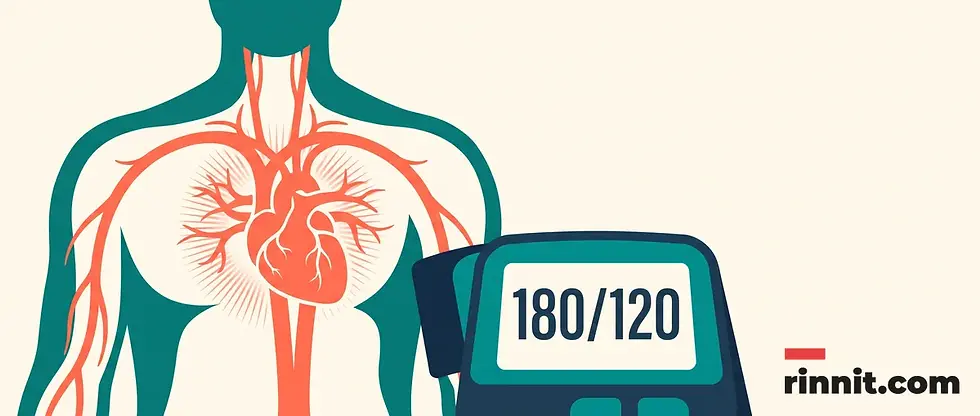
A hypertensive crisis is a sudden, severe increase in blood pressure to levels of 180/120 mm Hg or higher. [1] It is a medical emergency that requires immediate attention if accompanied by symptoms of organ damage, such as chest pain or neurological changes. [1] Without treatment, it can lead to damage to vital organs or death. [1]
What the research says
Very high blood pressure without symptoms rarely caused immediate heart or brain events. In a Cleveland Clinic cohort, 59,836 of 2,199,019 office visits (4.6%) met the definition of hypertensive urgency (systolic 180 or higher and/or diastolic 110 or higher). Among matched patients, major cardiovascular events at 6 months were 0.9% for 852 sent home and 0.9% for 426 referred to hospital; hospital referral meant more admissions (4.7% vs 8.2% at 7 days) but no better outcomes, and most patients still had uncontrolled blood pressure 6 months later. (Patel et al., JAMA Intern Med, 2016) [2]
In a true emergency, blood pressure is brought down in a controlled way, not as fast as possible. A review of initial drug management advises that, with a few exceptions, lowering blood pressure by no more than 20–25% of the starting value is sufficient for causes outside the brain, followed by a target of 160/100 mm Hg within the next 2–6 hours, because an overly rapid drop can reduce blood flow to the central nervous system. Acute aortic dissection and flash pulmonary edema are the exceptions. (Strauss et al., Med Klin Intensivmed Notfmed, 2022) [3]
The choice of drug depends on which organ is at risk. A focused update on hypertensive emergencies reports that oral nifedipine is now considered an alternative first-line therapy alongside intravenous hydralazine and labetalol in pre-eclampsia, and that clevidipine is endorsed by guidelines as a first-line option for lowering blood pressure in acute ischemic stroke. (Watson et al., Curr Hypertens Rep, 2018) [4]
Key Takeaways
Feature | Details |
Emergency Threshold | 180/120 mm Hg or higher [1] |
Two Main Types | Hypertensive Urgency (no organ damage) vs. Hypertensive Emergency (organ damage) [1] |
Primary Cause | Missing or stopping blood pressure medications [1] |
Critical Symptoms | Chest pain, severe headache, vision changes, confusion, slurred speech [1] |
Major Risks | Stroke, heart failure, kidney failure, aortic dissection [1] |
Immediate Action | Call emergency services if symptoms are present [1] |
What are the two types of hypertensive crisis?
Medical professionals distinguish between two levels of crisis based on the presence of acute organ damage.
1. Hypertensive Urgency (Severe Hypertension)
In this scenario, blood pressure is 180/120 mm Hg or higher, but there are no clinical signs of immediate damage to vital organs. While serious, it typically does not require hospitalization and can often be managed by adjusting oral medications. [1]
2. Hypertensive Emergency
This is the more critical form, where dangerously high blood pressure is actively damaging organs such as the heart, brain, kidneys, or the aorta. This condition requires immediate admission to an intensive care unit (ICU) and intravenous (IV) medication to safely lower blood pressure. [1]
What causes a hypertensive crisis, and who is at risk?
Understanding what triggers a sudden spike in blood pressure can help in prevention.
Primary Triggers
Medication Non-Compliance: The leading cause is missing doses or suddenly stopping prescribed blood pressure medications. [1]
Kidney Disease: Issues with renal function can disrupt the body’s ability to regulate blood pressure.
Interacting Substances: Use of stimulants, excessive sodium intake, or certain medications (like steroids or some antidepressants) can cause a crisis. [1]
Health Events: Head trauma, brain tumors, or severe anxiety/panic attacks can trigger a sudden spike. [1]
Who Is at Higher Risk?
What are the symptoms of a hypertensive crisis?
High blood pressure often causes no symptoms, but a sudden severe spike often presents clear warning signs, especially during an emergency.
Emergency Warning Signs
Symptom Category | Specific Signs |
Neurological | Severe headache, confusion, seizures, slurred speech, facial droop [1] |
Cardiovascular | Chest pain, heart palpitations, shortness of breath [1] |
Visual | Blurry vision, eye pain, sudden loss of vision [1] |
Renal | Decreased urination (peeing less than usual) [1] |
General | Severe anxiety, nosebleeds, dizziness [1] |

How is a hypertensive crisis diagnosed and tested in an emergency?
When a patient presents with dangerously high blood pressure, healthcare providers act quickly to assess the risk of organ damage.
Blood Pressure Verification: Taking readings in both arms to confirm the spike. [1]
Neurological Exam: Checking for signs of stroke or brain dysfunction.
Imaging: CT scans of the head or chest to check for bleeding or aortic tears; echocardiograms to assess heart function.
Laboratory Tests: Blood and urine tests to evaluate kidney and heart health.
Eye Exam: Using fundus photography to check for damage to the blood vessels in the retina.
How is a hypertensive crisis managed and treated?
The goal of treatment is to lower blood pressure to a safe level without doing so too quickly, which could actually harm the patient by reducing blood flow to vital tissues. [1]
Hospital Interventions
Intravenous (IV) Medications: Drugs like labetalol, nicardipine, or nitroglycerin are used in emergency settings to provide precise control over blood pressure levels.
ICU Monitoring: Constant monitoring via an arterial line to ensure blood pressure drops at a controlled, safe rate (sometimes over 24 to 48 hours). [1]
Oral Adjustments: For hypertensive urgency, providers may simply increase the dosage of existing oral medications and schedule a close follow-up. [1]

What complications can a hypertensive crisis cause?
An untreated hypertensive crisis can cause permanent complications such as stroke, acute heart failure, pulmonary edema, aortic dissection and kidney failure. [1]
Stroke: Caused by a lack of blood flow to the brain. [1]
Acute Heart Failure: A sudden decline in the heart’s ability to pump blood. [1]
Pulmonary Edema: Fluid buildup in the lungs, making breathing difficult. [1]
Aortic Dissection: A life-threatening tear in the body’s main artery. [1]
Kidney Failure: Sudden loss of renal function. [1]
Bridge to Infographic Templates: Visualizing the impact of high blood pressure on the circulatory system can help patients understand the importance of medication adherence. For professional cardiovascular diagrams or emergency protocol visuals, visit our medical infographics.
Frequently Asked Questions
What exactly is the 180/120 threshold?
The 180/120 threshold means your systolic pressure (top number) is 180 or higher, or your diastolic pressure (bottom number) is 120 or higher. Either one reaching this level constitutes a crisis. [1]
Can I have a hypertensive crisis if I feel fine?
Yes. This is known as hypertensive urgency. [1] You may have dangerously high blood pressure without any outward symptoms, which is why regular monitoring is vital.
What should I do if my home monitor reads 180/120?
If you have symptoms like chest pain or a headache, call 911 immediately. If you have no symptoms, rest for several minutes and test again; if it is still that high, seek medical care. [1]
Why is stopping medication so dangerous?
Your body can experience a “rebound” effect where blood pressure spikes even higher than it was before you started the medication.
Is a hypertensive crisis the same as a heart attack?
No, but a severe blood pressure spike can cause a heart attack by putting extreme stress on the heart muscle and coronary arteries.
Can stress alone cause a hypertensive crisis?
Extreme stress or a panic attack can cause a temporary spike, but a true crisis is usually sustained and often involves underlying cardiovascular issues.
How long will I be in the hospital?
For a hypertensive emergency, you will likely spend at least two to three days in the ICU to ensure your pressure stabilizes safely.
Can too much salt cause a crisis?
A sudden, massive intake of sodium can cause fluid retention and a sharp rise in blood pressure, potentially triggering a crisis in susceptible individuals.
What is “malignant hypertension”?
Malignant hypertension is an older term for a hypertensive emergency where high blood pressure causes visible damage to the organs, particularly the eyes and kidneys.
Can pregnancy cause a hypertensive crisis?
Yes. Severe preeclampsia and eclampsia are forms of hypertensive emergency during pregnancy. [1]
What is an aortic dissection?
An aortic dissection is a serious condition where the inner layer of the aorta tears, allowing blood to surge through the tear and separate the layers of the aorta wall. It is often fatal without surgery.
Does a nosebleed mean I’m having a crisis?
Not necessarily, but a nosebleed combined with a very high blood pressure reading is a common symptom of hypertensive urgency.
Can cold medicine trigger high blood pressure?
Yes, ingredients like pseudoephedrine found in many decongestants can raise blood pressure and should be avoided by people with hypertension.
Why can’t doctors lower my blood pressure instantly?
Lowering it too fast can cause the brain or kidneys to lose their blood supply, potentially leading to a stroke or organ failure. It must be done gradually.
What is an arterial line?
An arterial line is a thin tube placed in an artery (usually the wrist) that allows for second-by-second monitoring of blood pressure during an emergency.
Are there specific foods to avoid during recovery?
You should follow a low-sodium (DASH) diet and avoid stimulants like caffeine or nicotine that can cause blood pressure spikes.
Can obesity cause a hypertensive crisis?
Obesity is a major risk factor for chronic hypertension, which increases the likelihood of eventually experiencing a crisis.
What is hypertensive encephalopathy?
Hypertensive encephalopathy is a form of brain dysfunction caused by severely high blood pressure. [1]
Can a hypertensive crisis cause blindness?
Yes, the extreme pressure can damage the delicate blood vessels in the retina, leading to permanent vision loss.
Is a hypertensive crisis more common in certain age groups?
While it can happen at any age, it is most common in adults who have long-standing, poorly controlled high blood pressure.
Can alcohol withdrawal cause a crisis?
Yes, severe alcohol withdrawal (delirium tremens) can cause a massive surge in the nervous system that spikes blood pressure to crisis levels.
What is systolic vs. diastolic?
Systolic (top number) measures the pressure in your arteries when your heart beats. Diastolic (bottom number) measures the pressure between beats.
Can I drive myself to the ER during a crisis?
No. If you are in a crisis, you could experience a seizure, faint, or have a stroke while driving. Call 911 or have someone else drive you.
What are the long-term effects of a crisis?
If treated quickly, many people recover fully. However, delayed treatment can lead to chronic kidney disease, heart failure, or permanent brain damage.
How can I prevent a recurrence?
Take all medications exactly as prescribed, monitor your blood pressure daily at home, and maintain a low-sodium diet.
Does caffeine affect a crisis?
Caffeine is a stimulant that causes a temporary rise in blood pressure. While it rarely causes a crisis on its own, it can worsen an existing spike.
What is papilledema?
Papilledema is swelling of the optic disc in the eye due to high pressure, often seen by doctors during a hypertensive emergency.
Can a brain tumor cause high blood pressure?
Yes, certain tumors can press on areas of the brain that regulate the circulatory system, leading to sudden spikes.
What is “rebound hypertension”?
Rebound hypertension is a sudden, severe rise in blood pressure that happens when someone stops taking certain medications, like beta-blockers or clonidine, abruptly.
Can a hypertensive crisis cause a seizure?
Yes, when the pressure in the brain becomes too high, it can trigger electrical disturbances that result in a seizure.
Is 160/100 a crisis?
No, that is Stage 2 hypertension. While serious and requiring medical management, it is not considered a crisis unless it reaches 180/120.
Can dehydration cause a crisis?
Usually, dehydration causes low blood pressure. However, severe imbalances in electrolytes caused by dehydration can occasionally lead to regulation issues.
What is the role of the kidneys in blood pressure?
The kidneys produce hormones like renin that help regulate blood volume and pressure. Damage to the kidneys disrupts this system.
Can sleep apnea lead to a crisis?
Chronic sleep apnea puts significant strain on the heart and can lead to resistant hypertension, which increases the risk of a crisis.
Does a crisis cause chest pain?
Yes, chest pain (angina) is a common sign that the heart is struggling to pump against the extreme pressure in the arteries.
Can a crisis be caused by a panic attack?
A panic attack can cause a spike, but doctors will still treat the blood pressure while also addressing the anxiety to ensure it returns to a safe level.
What is Labetalol?
Labetalol is a common IV medication that acts as both an alpha and beta-blocker to quickly and safely lower blood pressure in an emergency.
Can I use a sauna if I have high blood pressure?
Heat causes blood vessels to dilate, which can lower pressure, but the sudden change can be dangerous for people with unstable hypertension. Consult your doctor.
What is “resistant hypertension”?
Resistant hypertension is high blood pressure that remains high even when taking three or more different types of blood pressure medications.
Can a crisis cause a nosebleed that won’t stop?
Yes, the high pressure can rupture small vessels in the nose, and the pressure makes it difficult for a clot to form and stay in place.
Does high blood pressure run in families?
Yes, genetics play a significant role in how your body regulates blood pressure and your risk for hypertension.
Can a crisis cause confusion?
Yes, altered mental status is a key sign of brain involvement (encephalopathy) during a hypertensive emergency.
What is the DASH diet?
DASH stands for Dietary Approaches to Stop Hypertension. It emphasizes fruits, vegetables, lean protein, and very low sodium intake.
Can cocaine cause a hypertensive crisis?
Yes, cocaine is a powerful stimulant that can cause an immediate, life-threatening spike in blood pressure and heart rate.
What is “white coat hypertension”?
White coat hypertension is when your blood pressure is high in a doctor’s office due to anxiety but normal at home. However, people with this are at higher risk for true hypertension later.
Can a crisis cause shortness of breath?
Yes, this often indicates that fluid is backing up into the lungs because the heart cannot keep up with the pressure.
How often should I calibrate my home monitor?
Most experts recommend bringing your home monitor to your doctor’s office once a year to check its accuracy against their professional equipment.
Can a crisis happen during exercise?
Blood pressure naturally rises during intense exercise, but it should return to normal quickly. In people with severe hypertension, it can reach crisis levels during exertion.
What is a “silent” hypertensive emergency?
A hypertensive emergency is defined by new organ damage, which usually causes symptoms but not always; blood, urine or eye tests can sometimes find damage first. Very high blood pressure without organ damage is called hypertensive urgency.
Can I recover my kidney function after a crisis?
It depends on the extent of the damage. Some people regain full function, while others may be left with chronic kidney disease requiring long-term care.
Related Reading
High Blood Pressure: Silent Symptoms, Serious Risks, and Proven Ways to Lower It explains how high blood pressure is diagnosed, treated and kept under control.
Hypertensive Encephalopathy: A Comprehensive Guide to High Blood Pressure Brain Emergencies explains brain swelling caused by dangerously high blood pressure.
Aortic Dissection: Emergency Warning Signs, Types, Diagnosis & Treatment explains a tear in the body's main artery, a hypertensive emergency.
Blood Pressure Medications: Types, How They Work, and Side Effects explains the main blood pressure medicines and their side effects.
References
Cleveland Clinic. Hypertensive crisis. Cleveland Clinic. Last updated April 1, 2026. https://my.clevelandclinic.org/health/diseases/24470-hypertensive-crisis
Patel KK, Young L, Howell EH, et al. Characteristics and outcomes of patients presenting with hypertensive urgency in the office setting. JAMA Intern Med. 2016;176(7):981-988. PMID 27294333. https://doi.org/10.1001/jamainternmed.2016.1509
Strauss M, Leischik R, Jehn U, et al. The hypertensive emergency situation: recommendations for initial drug therapy management [article in German]. Med Klin Intensivmed Notfmed. 2022;117(1):41-48. PMID 32940723. https://doi.org/10.1007/s00063-020-00728-6
Watson K, Broscious R, Devabhakthuni S, et al. Focused update on pharmacologic management of hypertensive emergencies. Curr Hypertens Rep. 2018;20(7):56. PMID 29884955. https://doi.org/10.1007/s11906-018-0854-2
Disclaimer: The information provided in this article is for educational purposes only and should not be considered medical advice. If you suspect you are having a hypertensive crisis, call 911 or your local emergency services immediately.



Comments