The Autonomic Nervous System: Understanding Your Body's Automatic Controls

Updated: 2 days ago
Medically reviewed by Dr. Baraa Alnahhal, MD · Last reviewed: October 2026
Quick Answer: What is the autonomic nervous system?
The autonomic nervous system is the part of the peripheral nervous system that regulates involuntary functions necessary for life, connecting the brain to internal organs through cranial and spinal nerves. By balancing the sympathetic fight-or-flight response with the parasympathetic rest-and-digest functions, it keeps organs such as the heart, lungs and intestines working without conscious effort.
What the research says
According to PubMed, two peer-reviewed reviews describe how the autonomic nervous system is organized and what it controls:
Physiology and pathophysiology: A review of the sympathetic and parasympathetic outputs reports that sympathetic outputs are critical for maintaining blood pressure, thermoregulation, and the response to stress, while parasympathetic reflexes control lacrimation, salivation, pupil response to light, beat-to-beat heart rate control, and gastrointestinal motility. DOI · PMID 31996619
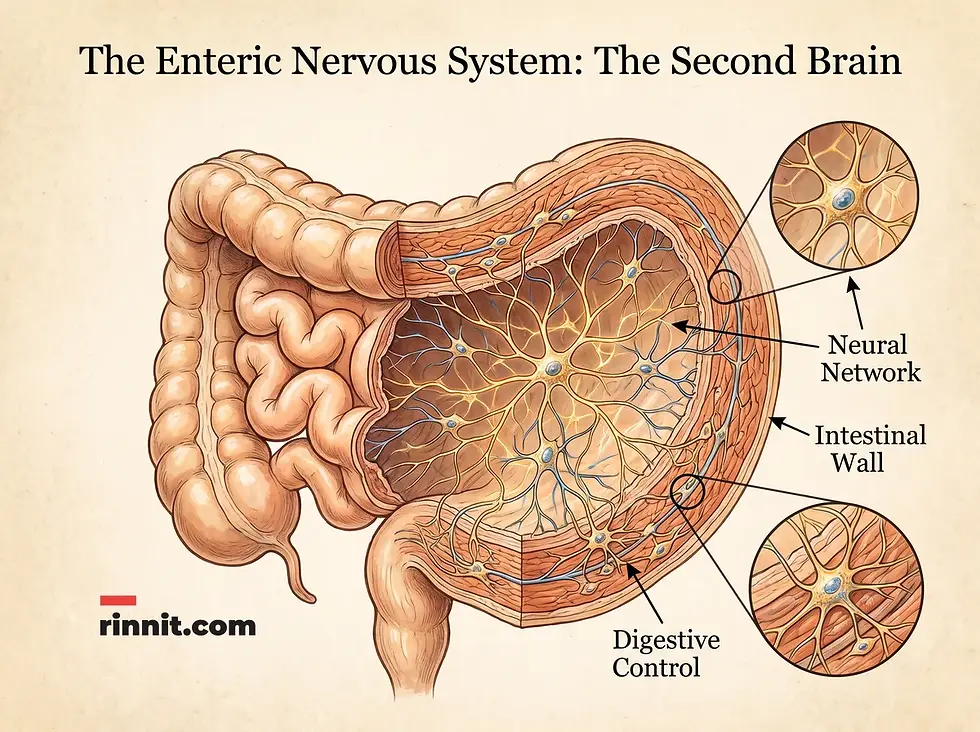
Three components: A neuroanatomy review notes that, although traditionally considered two discrete systems (sympathetic and parasympathetic), the enteric nervous system is now considered a third component of the autonomic nervous system. DOI · PMID 31277865
What role does the autonomic nervous system play in the body?

The autonomic nervous system serves as the body's internal autopilot, managing the complex biological processes that occur without conscious awareness [1]. Much like the electrical wiring in a home, these nerves provide the physical connections necessary for the brain to communicate with and control almost every major internal organ [1]. Whether a person is awake or asleep, the system remains constantly active to ensure continued survival [1].
Structurally, the autonomic nervous system is a subset of the peripheral nervous system, which encompasses all neural tissue outside the brain and spinal cord [1]. It specifically bridges the gap between the central nervous system and the body's internal machinery, distinguishing it from the somatic nervous system that controls voluntary muscle movements [1].
What are the three divisions of the autonomic nervous system?

The autonomic nervous system is organized into three distinct divisions, each with a specialized role in maintaining the body's physiological balance [1].
Division | Primary Function | Common Response Type |
Sympathetic | Activates body processes during times of stress, danger, or high need. | "Fight-or-Flight" |
Parasympathetic | Deactivates or lowers processes to conserve energy and maintain health. | "Rest-and-Digest" |
Enteric | Manages the complex mechanics of the digestive system independently. | "Second Brain" |
What is the anatomy and network structure of the autonomic nervous system?
The autonomic network consists of nerves extending throughout the head and body, utilizing both cranial and spinal pathways [1].
Cranial Nerves: Autonomic fibers are found in four of the twelve cranial nerves (III, VII, IX, and X), managing functions like pupil dilation, tears, and saliva [1].
Spinal Nerves: The system utilizes most of the 31 spinal nerves, particularly those in the thoracic, lumbar, and sacral regions, to reach the heart, lungs, and digestive organs [1].
Hypothalamus: While not part of the autonomic nervous system itself, this brain structure serves as the primary control center that directs autonomic activities [1].
Which organ systems does the autonomic nervous system control?
The reach of the autonomic nervous system is extensive, influencing the function of nearly every major organ system in the human body [1].
Cardiovascular System: It regulates heart rate and blood pressure by adjusting how hard the heart pumps and the width of blood vessels [1].
Respiratory System: The system manages the width of airways to control the passage of air into and out of the lungs [1].
Digestive System: Beyond the enteric division, the autonomic system regulates everything from saliva production to the movement of waste through the colon [1].
Metabolic Organs: It controls the release of insulin from the pancreas and the conversion of stored energy into glucose by the liver [1].
Sensory and Glandular Function: The system manages pupil width for light regulation and controls sweating, tear production, and the "goosebumps" reflex [1].
How does the autonomic nervous system balance the body for survival?
A defining characteristic of the autonomic nervous system is the constant interplay between the sympathetic and parasympathetic divisions [1]. This "balancing act" is fundamental to well-being; while one system prepares the body for action, the other ensures it can recover and maintain essential long-term health functions [1]. This communication is facilitated by both electrical signals within neurons and chemical compounds released by various glands [1].
Conclusion
The autonomic nervous system is an intricate and indispensable network that operates silently to sustain life. By managing everything from the heartbeat to the digestion of a meal, it allows the conscious mind to focus on the external world while the body's internal environment remains stable and responsive. Understanding this system highlights the importance of managing stress and supporting the body's natural ability to rest and recover.
Interested in supporting your nervous system? Practicing relaxation techniques and maintaining a healthy lifestyle can help support the parasympathetic "rest-and-digest" functions that are vital for long-term health and recovery.
Frequently Asked Questions
What is the main job of the autonomic nervous system?
The primary role of the autonomic nervous system is to control involuntary body processes that are essential for survival, such as breathing, heart rate, and digestion.
What are the three parts of the autonomic nervous system?
The system is divided into the sympathetic nervous system, the parasympathetic nervous system, and the enteric nervous system, which specifically manages digestion.
What is the "fight-or-flight" response?
The "fight-or-flight" response is a reaction triggered by the sympathetic nervous system that prepares the body to face stress or danger by activating various physiological processes.
How does the parasympathetic nervous system differ from the sympathetic?
While the sympathetic system activates the body for action, the parasympathetic system promotes "rest-and-digest" functions, helping the body relax and conserve energy.
Which part of the brain controls autonomic functions?
The hypothalamus is the key brain structure responsible for running and coordinating autonomic functions throughout the body.
Can the autonomic nervous system control the heart?
Yes, it regulates both heart rate and blood pressure by controlling the force of heart contractions and the diameter of blood vessels.
What does the enteric nervous system do?
The enteric nervous system is a complex network of neurons that specifically manages digestion along the whole digestive tract, from the esophagus to the anus.
Does the autonomic nervous system work while you sleep?
Yes, the autonomic nervous system is always active, even during sleep, to ensure that vital functions like breathing and heartbeat continue uninterrupted.
How does the system affect the eyes?
The autonomic nervous system manages the width of the pupils to regulate light entry and controls the muscles used for focusing, though it does not handle vision itself.
What are "goosebumps" caused by?
Goosebumps are an autonomic response where the system triggers small muscles in the skin to make hairs stand up, often in response to cold or emotion.
Related Reading
QSART Test: How Sweat Testing Checks Your Autonomic Nerves explains the sweat test that checks the small nerves of the autonomic system.
References
[1] Cleveland Clinic. Autonomic Nervous System. Cleveland Clinic Health Library. Last updated June 15, 2022. https://my.clevelandclinic.org/health/body/23273-autonomic-nervous-system
[2] Benarroch EE. Physiology and pathophysiology of the autonomic nervous system. Continuum (Minneap Minn). 2020;26(1):12-24. PMID 31996619. https://doi.org/10.1212/CON.0000000000000817
[3] Gibbons CH. Basics of autonomic nervous system function. Handb Clin Neurol. 2019;160:407-418. PMID 31277865. https://doi.org/10.1016/B978-0-444-64032-1.00027-8
Medical disclaimer
The information provided in this article is for educational purposes only and should not be used as a substitute for professional medical advice, diagnosis, or treatment. Always seek the advice of your physician or other qualified health provider with any questions you may have regarding a medical condition.



Comments