Renal Denervation: A New Approach to Managing High Blood Pressure

Updated: 2 days ago
Medically reviewed by Dr. Baraa Alnahhal, MD · Last reviewed: September 2026
Last updated: September 2026 | Source content date: January 5, 2026
TL;DR
Renal denervation is a minimally invasive catheter-based procedure designed to treat resistant hypertension by damaging overactive nerves near the kidneys. This one-time intervention can help lower blood pressure when medication and lifestyle changes are insufficient, potentially reducing the long-term risk of heart and kidney complications. Most patients return home the same day, with results typically appearing over several weeks or months.
Quick Answer
What is renal denervation? Renal denervation is a clinical procedure that uses radiofrequency or ultrasound energy to disrupt nerves in the renal arteries that signal the body to maintain high blood pressure. It is primarily indicated for patients with resistant hypertension or those unable to tolerate standard blood pressure medications. The procedure is performed under sedation, takes approximately one to two hours, and has been shown to lower blood pressure by an average of 5 to 10 mmHg.
Overview of Renal Denervation
Renal denervation (RDN) represents a significant advancement in the management of chronic high blood pressure. The procedure targets the sympathetic nerves located in the walls of the renal arteries. These nerves are part of a complex signaling system that regulates blood pressure; when they become overactive, they can cause the kidneys to retain sodium and water, while also signaling the heart and blood vessels to increase pressure. By selectively damaging these nerves using controlled energy, the procedure effectively "mutes" these signals, allowing blood pressure to stabilize at a lower level.
This intervention is particularly valuable for patients with resistant hypertension—a condition where blood pressure remains high despite the use of three or more medications. It also offers an alternative for individuals who experience severe side effects from traditional antihypertensive drugs. Approved by the FDA in 2023, renal denervation is now an established option for those who have not achieved their blood pressure goals through conventional means.
The Procedure: What to Expect
The renal denervation procedure is performed in a specialized cardiac catheterization or interventional radiology lab. It is a minimally invasive process that does not require large incisions or general anesthesia, though patients receive sedation to ensure comfort throughout the experience.
Procedure Phase | Description | Typical Duration |
|---|---|---|
Preparation | Medical evaluation, blood tests, and imaging to confirm renal artery health. | Varies |
Access | A small puncture is made in the groin to insert a thin catheter into the artery. | Minutes |
Ablation | The catheter is guided to the renal arteries using X-ray imaging (fluoroscopy). | 1 to 2 hours |
Completion | Energy is applied to disrupt the nerves, and the catheter is removed. | Minutes |
During the ablation phase, the surgeon applies either radiofrequency waves or ultrasound energy to the walls of both renal arteries. This precisely targeted energy destroys the overactive nerves without damaging the arteries themselves or the kidneys.
Benefits and Clinical Outcomes
The primary benefit of renal denervation is a consistent and long-term reduction in blood pressure. Clinical data suggests that the procedure can lower systolic blood pressure by 5 to 10 mmHg, which is comparable to the effect of adding one additional blood pressure medication. This reduction is critical because even small decreases in blood pressure can significantly lower the risk of major cardiovascular events, such as heart attacks, strokes, and chronic kidney disease.
Outcome Metric | Clinical Expectation |
|---|---|
Blood Pressure Reduction | 5 to 10 mmHg on average |
Medication Impact | Potential to reduce doses or number of pills |
Time to Results | Several weeks to months for full effect |
Sustainability | Intended as a one-time, long-term intervention |
It is important to note that while some patients may be able to reduce their medication doses following the procedure, renal denervation is intended to complement, not necessarily replace, healthy lifestyle habits and ongoing medical management.
Recovery and Safety Considerations
Recovery from renal denervation is generally rapid. Most patients are monitored for a few hours after the procedure to ensure there is no bleeding at the insertion site and are then discharged the same day. Patients are advised to avoid heavy lifting or strenuous exertion for a few days to allow the puncture site in the groin to heal completely.
While renal denervation is considered safe, like any medical procedure, it carries some risks. The most common side effect is minor pain or bruising at the groin for a day or two. Rare but more serious complications can include infection, bleeding, blood clots, or narrowing of the renal arteries. Patients should seek immediate medical attention if they experience signs of a blood clot, such as leg swelling, chest pain, or shortness of breath.

Figure 1: A conceptual illustration of the renal denervation process, showing the catheter delivering energy to the nerves surrounding the renal artery.

Figure 2: A clinical timeline of the recovery process, highlighting the transition from same-day discharge to long-term blood pressure monitoring.
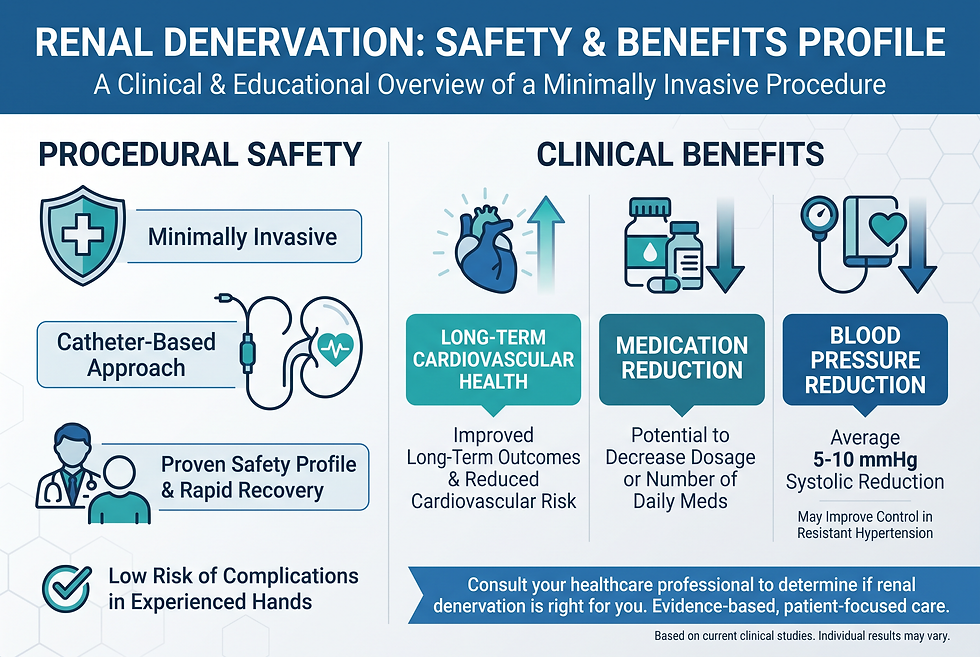
Figure 3: An overview of the primary safety considerations and clinical benefits of renal denervation for resistant hypertension.
Conclusion
Renal denervation offers a promising new horizon for individuals struggling with resistant hypertension. By addressing the neurological components of high blood pressure through a minimally invasive procedure, it provides a powerful tool to supplement traditional medications and lifestyle changes. For eligible patients, this intervention can lead to better blood pressure control and a significant reduction in the long-term risks associated with cardiovascular disease.
Call to Action
If you are currently managing high blood pressure that has not responded to multiple medications, consult with your cardiologist or a hypertension specialist about renal denervation. A thorough evaluation can determine if your renal arteries are suitable for this procedure and if it is the right next step in your journey toward heart health.
Frequently Asked Questions
How long does the renal denervation procedure take?
The procedure typically takes between one and two hours to complete, with additional time for preparation and post-procedure monitoring.
Is renal denervation a permanent solution?
The procedure is intended as a one-time intervention that provides long-term blood pressure reduction by permanently disrupting the targeted nerves.
Will I still need to take blood pressure medication?
Most patients still need to take some medication, but the procedure may allow for lower doses or fewer types of pills over time.
How much will my blood pressure drop?
On average, patients see a reduction of 5 to 10 mmHg in their systolic blood pressure.
When will I see results after the procedure?
Full results are not immediate and typically take several weeks to a few months to become apparent.
Is the procedure painful?
Patients are given sedation and pain medicine, so they should not feel pain during the procedure. Minor discomfort at the groin site is common for a few days afterward.
Can I go home the same day?
Yes, most patients do not require an overnight hospital stay and are discharged a few hours after the procedure.
What are the main risks of renal denervation?
The most common risks include minor pain or bruising. Rare risks include infection, bleeding, blood clots, or damage to the renal arteries.
Who is a good candidate for this procedure?
Candidates are typically those with resistant hypertension who have healthy kidneys and suitable renal artery anatomy.
Was this procedure approved by the FDA?
Yes, the U.S. Food and Drug Administration (FDA) approved renal denervation for the treatment of hypertension in 2023.
How is the energy delivered to the nerves?
A thin catheter is inserted into the renal artery, where it delivers either radiofrequency (radio waves) or ultrasound (sound waves) energy through the artery wall.
What should I avoid during recovery?
You should avoid strenuous exercise or heavy lifting for a few days following the procedure to allow the insertion site to heal.
Does renal denervation work for everyone?
While effective for many, some individuals may not see a significant reduction in blood pressure following the procedure.
What specialist performs renal denervation?
The procedure is usually performed by interventional cardiologists or interventional radiologists.
What are the signs of a serious complication?
Seek immediate care if you experience fever, heavy bleeding, leg swelling, chest pain, or sudden shortness of breath.
Related Reading
Further Reading
U.S. Food and Drug Administration (FDA): information on medical device approvals.
Medical Disclaimer: This content is for informational purposes only and does not constitute medical advice. Always seek the advice of a qualified healthcare professional with any questions regarding a medical condition or surgical procedure.
Comments