Premature Atrial Contractions (PACs): Causes, Symptoms, and Management

Updated: 23 minutes ago
Medically reviewed by Dr. Baraa Alnahhal, MD · Last reviewed: September 2026
Premature Atrial Contractions (PACs) are extra heartbeats that start in the heart's upper chambers, often feeling like a skipped or pounding beat. While usually harmless and triggered by factors like caffeine or stress, frequent PACs can sometimes indicate underlying structural issues or lead to complications like atrial fibrillation. Most cases require no treatment beyond lifestyle adjustments, though persistent symptoms should be evaluated by a professional.
Quick answer: Premature Atrial Contractions (PACs) are extra heartbeats originating in the heart's upper chambers (atria). While they often feel like skipped or pounding beats, they are generally harmless and rarely require treatment. Triggers include caffeine, stress, and fatigue, though structural heart issues can also be a cause. Diagnosis typically involves an EKG or Holter monitor. Most cases resolve through lifestyle adjustments, but frequent PACs may increase the risk of atrial fibrillation.
Premature Atrial Contractions (PACs) occur when the heart's upper chambers, known as the atria, contract earlier than they should. In a healthy heart, electrical impulses start in the sinus node, creating a rhythmic and organized beat. PACs interrupt this rhythm by firing from a different area of the atria. This premature signal often means the heart hasn't had enough time to fill with blood, leading to a weak contraction followed by a pause and a stronger-than-usual beat, which patients often describe as a "skipped" heartbeat.
Understanding Triggers and Risk Factors
While anyone can experience PACs, certain lifestyle factors and physical conditions significantly increase the likelihood of these extra beats. Identifying and managing these triggers is often the first step in reducing symptoms.
Trigger Category | Specific Factors |
Lifestyle Stimulants | Excessive caffeine, alcohol consumption, and tobacco use. |
Physical Stressors | Fatigue, lack of restful sleep, and dehydration. |
Emotional State | High levels of anxiety and chronic stress. |
Medical Conditions | Pregnancy, thyroid problems, and electrolyte imbalances (potassium/magnesium). |
Heart Issues | Coronary artery disease, heart injury, or structural abnormalities. |

Diagnostic Evaluation
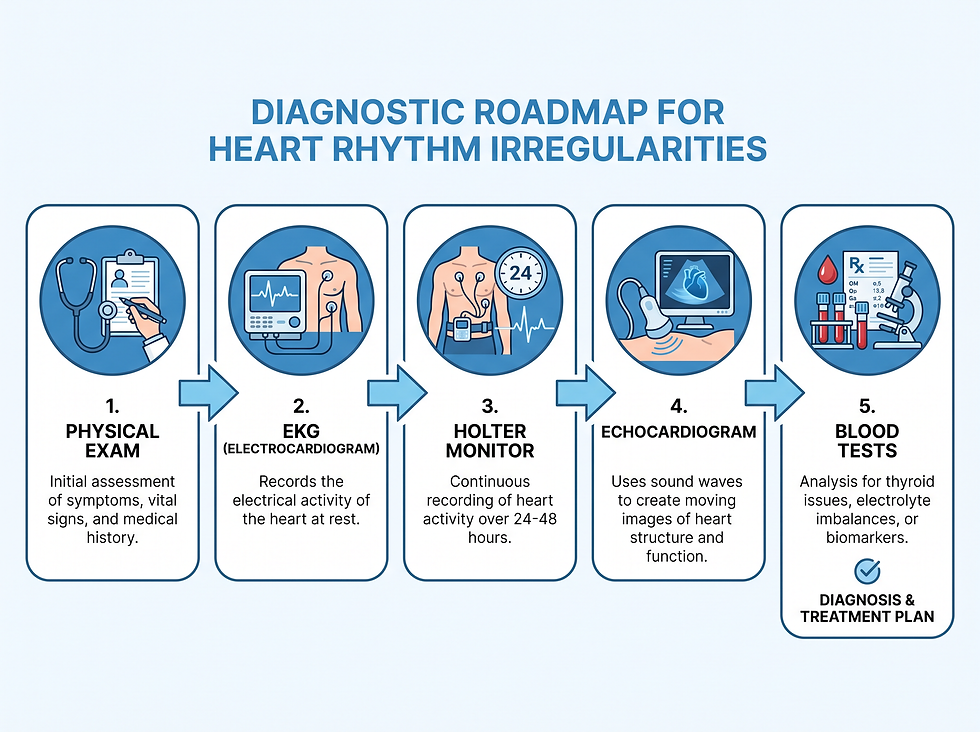
Because PACs are often intermittent, they may not occur during a standard physical exam. Healthcare providers use several tools to capture and analyze the heart's rhythm over time to confirm a diagnosis and rule out more serious arrhythmias.
Diagnostic Tool | Purpose and Function |
Electrocardiogram (EKG) | A standard test that records the heart's electrical activity at a single point in time. |
Holter Monitor | A portable device worn for 24 hours to two weeks to record heart rhythm during daily activities. |
Echocardiogram | An ultrasound used to examine the physical structure and pumping action of the heart. |
Blood Tests | Used to check for electrolyte levels and thyroid hormone imbalances that might trigger PACs. |
Management and Treatment Strategies
In the vast majority of cases, PACs do not require medical intervention. If symptoms are bothersome or the PACs are exceptionally frequent, providers may recommend specific treatments to stabilize the heart rhythm.
Management typically begins with lifestyle changes, such as increasing physical activity and managing blood pressure and cholesterol. If these measures are insufficient, medications like beta-blockers or antiarrhythmics may be prescribed. In rare, severe cases where medication is ineffective, a procedure called catheter ablation may be used to neutralize the specific area in the heart causing the premature signals.

Conclusion
Premature Atrial Contractions are a common phenomenon that, while sometimes unsettling, are usually benign. By understanding personal triggers and maintaining a heart-healthy lifestyle, most individuals can successfully manage or eliminate the sensation of skipped beats. However, because frequent PACs can occasionally lead to more complex arrhythmias like atrial fibrillation, regular monitoring and professional consultation remain essential for long-term cardiac health.
Next Steps
If you notice that your heart palpitations are becoming more frequent, or if they are accompanied by chest pain or severe shortness of breath, do not ignore them. Schedule a consultation with a healthcare professional for a thorough cardiovascular evaluation to ensure your heart rhythm remains stable and healthy.
Frequently Asked Questions
What exactly is a PAC?
It is an extra heartbeat that starts in the heart's upper chambers (atria) instead of the sinus node.
Why does it feel like my heart skipped a beat?
The premature beat happens before the heart fills with blood, causing a pause and then a stronger subsequent beat.
Are PACs dangerous?
Most PACs are harmless, but very frequent ones can increase the risk of developing atrial fibrillation.
What are the most common triggers for extra heartbeats?
Caffeine, alcohol, stress, fatigue, and tobacco are the most frequent triggers.
Can caffeine cause PACs?
Yes, excessive caffeine intake is a well-known stimulant that can trigger premature contractions.
Is stress a factor in heart palpitations?
High levels of anxiety and stress are significant contributors to the frequency of PACs.
How are PACs different from the sinus node's normal rhythm?
Normal beats start in the sinus node; PACs start in a different part of the atria, interrupting the rhythm.
What tests do doctors use to diagnose PACs?
Diagnosis typically involves an EKG, Holter monitor, echocardiogram, and blood tests.
When is a Holter monitor necessary?
It is used when PACs are intermittent and not captured during a standard EKG in the office.
Can pregnancy increase the risk of PACs?
Yes, pregnancy is considered a risk factor for experiencing more frequent extra heartbeats.
What medications are used to treat frequent PACs?
Beta-blockers are usually the first choice, followed by antiarrhythmics if needed.
Is surgery ever required for PACs?
Catheter ablation is a rare treatment option used only when symptoms are severe and unresponsive to medication.
Can PACs lead to more serious heart conditions?
Frequent PACs (hundreds per day) are associated with a higher risk of atrial fibrillation and atrial flutter.
How can I reduce the number of extra heartbeats I feel?
Reducing caffeine, managing stress, staying hydrated, and getting enough sleep can help.
When should I see a healthcare provider about my heart rhythm?
You should seek advice if PACs happen more often, become bothersome, or are accompanied by other symptoms.
References
Medical Disclaimer: The information provided in this article is for educational purposes only and should not be considered medical advice. Always seek the guidance of a qualified healthcare professional regarding any medical condition or treatment.
Comments