Permanent Pacemakers: A Complete Guide to Heart Rhythm Management

Updated: 3 hours ago
Medically reviewed by Dr. Baraa Alnahhal, MD · Last reviewed: September 2026
TL;DR: A permanent pacemaker is a small electronic device implanted in the upper body to manage abnormal heart rhythms. It stabilizes the heart’s electrical system, ensuring chambers beat in the correct order and at a typical rate. The procedure varies from catheter-based to surgical approaches, often requiring a short hospital stay. While recovery involves temporary physical restrictions, pacemakers significantly improve quality of life and long-term safety.
Quick answer: A permanent pacemaker is a medical device used to correct heart rhythm problems by delivering electrical impulses to the heart chambers. It is typically recommended for individuals experiencing arrhythmias, heart blocks, or heart failure. The device is placed under the skin, usually in the chest, with wires (leads) connecting to the heart. This intervention prevents life-threatening disruptions, alleviates symptoms like fainting or dizziness, and allows patients to return to a more active and stable lifestyle.
Overview of Heart Rhythm Management
A permanent pacemaker serves as a vital intervention for individuals whose natural cardiac electrical system is compromised. Typically, this system coordinates the timing of heart chamber contractions. When it fails, the heart may beat too slowly, irregularly, or out of sequence, leading to insufficient blood flow. A pacemaker monitors these rhythms and intervenes only when necessary to maintain a healthy heartbeat.
Beyond stabilization, these devices address a wide range of symptoms that can disrupt daily life. Patients often seek treatment for unexplained dizziness, fainting, shortness of breath, or persistent palpitations. By restoring a consistent rhythm, the pacemaker prevents these dangerous occurrences and provides long-term protection against the risks associated with advanced heart failure and severe arrhythmias.
Types of Permanent Pacemakers
The choice of a pacemaker depends on the specific heart condition being treated. Modern medicine offers several configurations to target different chambers and coordination needs.
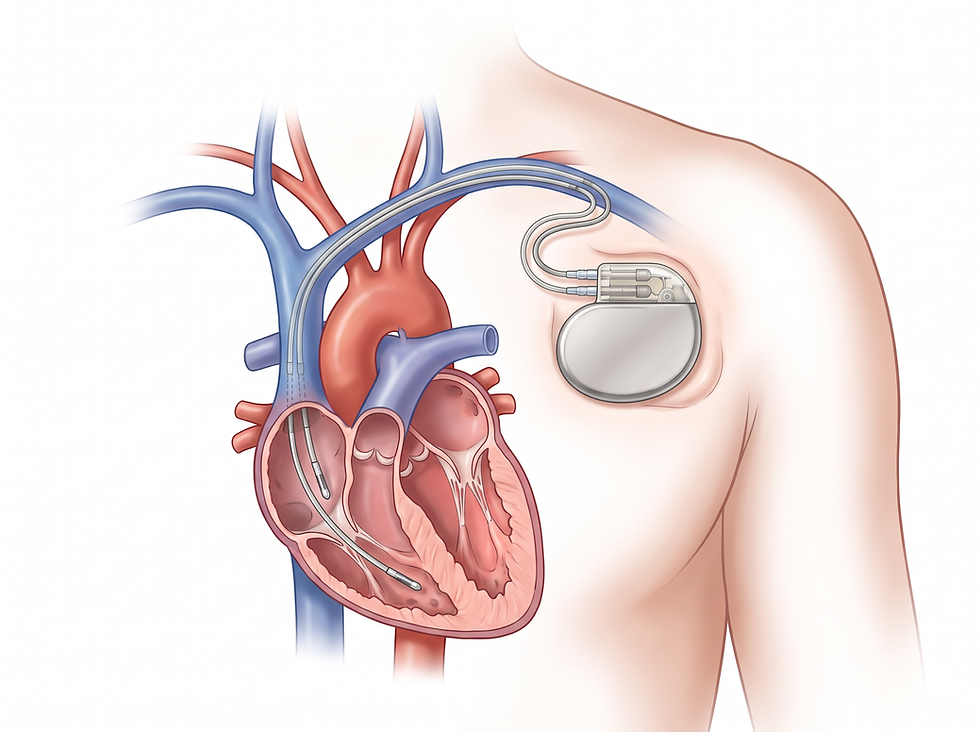
Single-chamber (one lead): Attaches to one chamber to regulate its rhythm.
Dual-chamber (two leads): Coordinates two chambers to ensure they beat in sequence.
Biventricular, or CRT (three leads): Synchronizes the lower chambers; used for resynchronization therapy.
Leadless (no leads): A pill-sized device attached directly to the inner heart wall.
The Procedure: What to Expect
Preparing for a pacemaker implantation involves standard surgical protocols. Patients must arrange for transportation, disclose all medications and allergies, and follow specific fasting instructions provided by their healthcare team. Some medications may need to be temporarily paused to ensure a safe procedure.
The implantation method is determined by the device type and the patient’s anatomy. Catheter-based approaches for leadless devices are the least invasive, typically taking less than an hour. More traditional transvenous or surgical methods involve placing leads through a vein or via a small chest incision, which generally takes between two and five hours.

Recovery and Long-Term Care
Most patients spend one night in the hospital or are discharged within a few hours following a successful check of the device’s function. While a return to a normal routine is possible within a few days, full recovery takes several weeks. During this period, patients must adhere to specific physical restrictions to ensure the device and leads remain securely in place.
Lifting: Do not lift objects heavier than 10 pounds (e.g., a cat).
Movement: Avoid pushing, pulling, or twisting the upper body.
Arm position: Do not lift the arm above the shoulder on the pacemaker side.
Hygiene: Showering is typically permitted 4 to 5 days after surgery.
Maintenance: Batteries last 10-15 years; follow-up visits are needed 1-2 times per year.

Safety and Environmental Precautions
Living with a pacemaker requires awareness of external electronic and magnetic interference. Patients are issued an identification card containing device details, which should be carried at all times. Standard safety protocols include avoiding prolonged exposure to metal detectors and keeping electronic devices, such as cell phones and headphones, at least six inches away from the pacemaker. Certain medical procedures, including MRIs, may require special adjustments or alternative testing methods.
Conclusion
Permanent pacemakers are a cornerstone of modern cardiac care, offering a reliable solution for complex heart rhythm disorders. By stabilizing the heart’s electrical system, these devices not only save lives but also significantly enhance the daily well-being of patients. With proper care, routine monitoring, and adherence to safety guidelines, individuals with pacemakers can lead full, active, and secure lives.
Next Steps
Following a pacemaker implantation, the primary focus is on monitoring and gradual reintegration into daily activities. Patients should attend all scheduled follow-up appointments to ensure the device is functioning optimally and the battery remains healthy. If any unusual symptoms occur, such as redness at the incision site or a return of previous heart rhythm symptoms, immediate consultation with a healthcare provider is essential.
Frequently Asked Questions (FAQ)
What is a permanent pacemaker?
A small electronic device implanted to manage abnormal heart rhythms by sending electrical impulses to the heart.
Why might I need a pacemaker?
You may need one if you have a slow heartbeat, heart block, heart failure, or symptoms like fainting and dizziness.
How is a pacemaker implanted?
It is placed under the skin through a catheter-based, transvenous, or surgical approach, depending on the device type.
How long does the surgery take?
Catheter-based procedures take about an hour, while other approaches take between two and five hours.
Is the procedure painful?
The procedure is performed under sedation or anesthesia to minimize discomfort; post-operative soreness is common but manageable.
How long is the hospital stay?
Most patients stay for one night or are discharged a few hours after the procedure.
What are the physical restrictions after surgery?
For several weeks, avoid lifting over 10 pounds, lifting your arm above your shoulder, or pushing and pulling.
When can I resume normal activities?
A normal routine can often be resumed in a few days, though full recovery and lifting restrictions last longer.
Can I use a cell phone with a pacemaker?
Yes, but keep it at least six inches away from the device; for example, do not carry it in a breast pocket.
Are metal detectors safe?
Avoid spending much time near metal or theft detectors; carry your device ID card to show security personnel.
Can I have an MRI with a pacemaker?
Some modern pacemakers are MRI-safe, but you must consult your doctor before any MRI or specialized medical test.
How long does the battery last?
Pacemaker batteries typically last between 10 and 15 years before needing replacement.
What happens when the battery runs low?
Replacing the battery is a simpler procedure than the initial implantation and is scheduled by your provider.
What are the risks of the procedure?
Risks include infection, blood clots, allergic reactions, and a small chance of lung injury or device malfunction.
Will I feel the pacemaker working?
Most people do not feel the electrical impulses, though the device itself can be felt as a small lump under the skin.
Medical disclaimer: This content is for informational purposes only and does not constitute medical advice. Always seek the guidance of your physician or other qualified health provider with any questions regarding a medical condition or treatment.
Source content date: January 18, 2026.
Comments