Penicillin: Antibiotic Classes, Uses, and Patient Safety

Updated: 1 hour ago
Medically reviewed by Dr. Baraa Alnahhal, MD · Last reviewed: September 2026
TL;DR: Penicillin is a foundational class of beta-lactam antibiotics used to treat a wide range of bacterial infections, including strep throat, pneumonia, and UTIs. By damaging bacterial cell walls, these medications effectively destroy harmful bacteria in the body. Available in both oral and intravenous forms, penicillin treatment typically lasts one to three weeks. While generally safe, patients must complete their full course to prevent antibiotic resistance and monitor for signs of allergic reactions or digestive complications like C. diff.
Quick Answer: Penicillin is a group of antibiotic medications that treat bacterial infections by attaching to and destroying bacterial cell walls. It is used for conditions ranging from common ear infections and strep throat to serious illnesses like meningitis and syphilis. Common types include natural penicillins like Penicillin V and semi-synthetic versions like amoxicillin. Most courses last 1-3 weeks, and finishing the entire prescription is essential to ensure all bacteria are killed and to reduce the risk of antibiotic resistance.

Understanding Penicillin and Its Mechanism
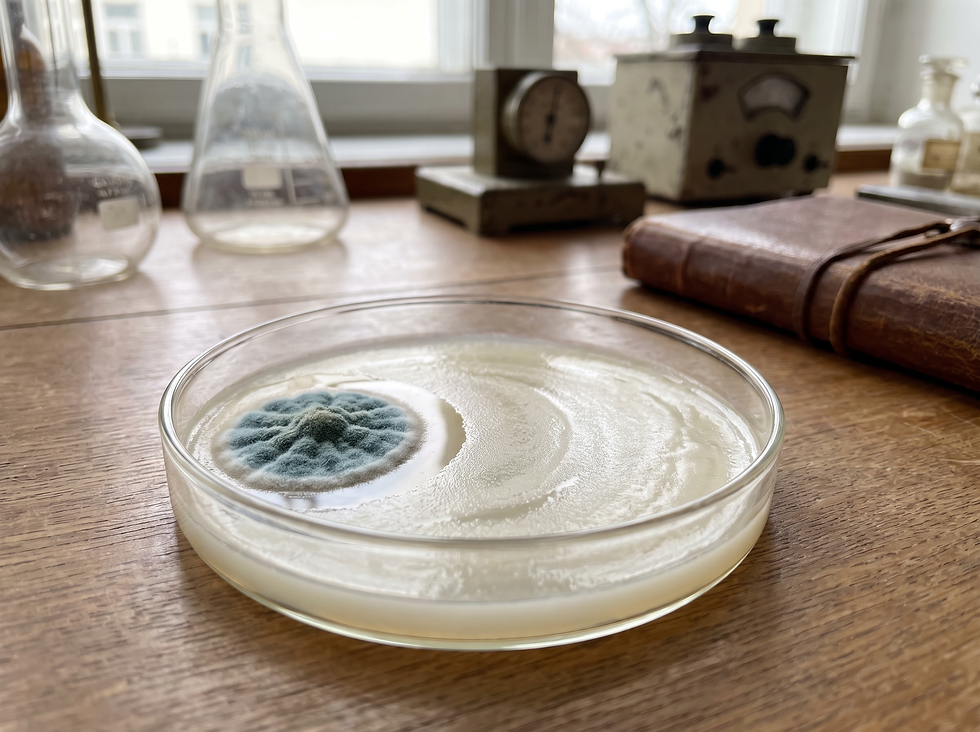
Penicillin stands as one of the most significant medical discoveries of the 20th century, marking the beginning of the antibiotic era. Discovered by Alexander Fleming in 1928, this class of drugs belongs to the beta-lactam family. Its primary function is to target the structural integrity of bacteria. Specifically, penicillin molecules bind to the bacterial cell wall, causing damage that prevents the bacteria from maintaining their structure, ultimately leading to their destruction.
This mechanism is highly effective against a broad spectrum of pathogens. However, because penicillin targets cell walls, it is only effective against bacteria and has no impact on viral infections like the common cold or flu. Over decades of use, some bacteria have developed defenses against these medications, leading scientists to develop semi-synthetic and combination versions to maintain clinical effectiveness.
Classes and Types of Penicillin
The penicillin family is diverse, with different formulations designed to target specific types of bacteria or to be administered through different routes. Understanding these classifications helps in recognizing why a specific medication was prescribed.
Class | Examples | Common Uses | Administration |
Natural Penicillins | Penicillin G, Penicillin V | Strep throat, syphilis, Lyme disease | Oral (V), IV (G) |
Aminopenicillins | Amoxicillin, Ampicillin | Ear infections, UTIs, pneumonia | Oral, IV |
Penicillinase-resistant | Nafcillin, Dicloxacillin | Staph infections | Oral, IV |
Extended-spectrum | Piperacillin | Complex hospital-acquired infections | IV |

In many cases, penicillins are combined with beta-lactamase inhibitors. These companion drugs prevent bacterial enzymes from destroying the antibiotic, allowing the medication to work more effectively against resistant strains. Common examples include amoxicillin combined with clavulanic acid.
Treatment Duration and Patient Safety
A standard course of penicillin typically ranges from one to three weeks. A critical aspect of treatment is the completion of the entire prescribed course, even if symptoms improve within the first few days. Stopping early can allow the strongest bacteria to survive, potentially leading to a more severe, resistant infection.
Potential Side Effect | Management Strategy |
Nausea / Vomiting | Take the medication with food to buffer the stomach. |
Diarrhea | Monitor for severity; consult a doctor about probiotics or anti-diarrheals. |
Skin Rash | Report to a healthcare provider to distinguish from an allergy. |
Headache | Ensure adequate hydration and rest during recovery. |
Safety monitoring is paramount. While many people believe they have a penicillin allergy, true clinical allergies are relatively rare, affecting approximately 1% of the population. However, serious reactions require immediate emergency intervention. Additionally, because antibiotics can disrupt the natural balance of gut bacteria, patients should watch for signs of C. diff, a condition characterized by severe diarrhea and abdominal pain.
Conclusion
Penicillin remains a cornerstone of infectious disease treatment nearly a century after its discovery. By understanding the different types of penicillin and adhering to prescribed treatment protocols, patients can effectively resolve bacterial infections while minimizing the risks of side effects and antibiotic resistance. As bacteria continue to evolve, the responsible use of these foundational antibiotics is essential for preserving their life-saving capabilities for future generations.
Next Steps
Adherence: Set a schedule to take your medication at the same time each day and finish the entire bottle.
Observation: Monitor your body for new rashes or digestive issues and report them to your provider.
Communication: Inform all healthcare providers of your true allergy status to ensure safe prescribing in the future.
Support: If you experience stomach upset, try taking your dose with a meal unless otherwise directed by your pharmacist.
Frequently Asked Questions
What was the first penicillin discovered? Natural penicillin was first identified by Alexander Fleming in 1928 from a type of mold.
Can penicillin treat a viral cold? No, penicillin only kills bacteria and is ineffective against viruses like those that cause colds or the flu.
Why must I finish the whole prescription? Finishing the course ensures all bacteria are destroyed; stopping early promotes the growth of antibiotic-resistant bacteria.
Is amoxicillin a type of penicillin? Yes, amoxicillin is one of the most common semi-synthetic penicillins used today.
What should I do if I miss a dose? Take it as soon as you remember, but skip it if it is almost time for your next dose. Do not double up.
Can I drink alcohol while taking penicillin? While alcohol doesn't usually stop penicillin from working, it can worsen side effects like nausea and dehydration.
How common are true penicillin allergies? Only about 1% of people have a true, life-threatening allergy to penicillin, though many more report sensitivities.
What are the signs of an allergic reaction? Immediate signs include hives, intense itching, swelling of the face or throat, and difficulty breathing.
Does penicillin cause yeast infections? Yes, by killing protective bacteria, antibiotics can sometimes lead to an overgrowth of yeast in the body.
Can children take penicillin? Yes, penicillin and amoxicillin are frequently prescribed for pediatric ear infections and strep throat.
How long does it take to feel better? Most people begin to feel improvement within 24 to 48 hours, but the infection is not fully cleared yet.
Should I take probiotics with penicillin? Some doctors recommend probiotics to help restore gut bacteria, but you should discuss this with your provider first.
What is C. diff? C. diff is a serious bacterial infection that can occur when antibiotics kill off the "good" bacteria in your colon.
Is there an IV version of penicillin? Yes, certain types like Penicillin G and piperacillin are administered directly into a vein, usually in a hospital.
Are there different strengths of penicillin? Yes, dosages are customized based on the type of infection, the patient's weight, and their overall health.
References
Disclaimer: This article is for informational purposes only and does not constitute medical advice. Always seek the guidance of your physician or other qualified health provider with any questions you may have regarding a medical condition or treatment.
Comments