Overweight and Your Health: What a BMI Over 25 Really Means

Updated: 2 days ago
Medically reviewed by Dr. Baraa Alnahhal, MD · Last reviewed: September 2026
TL;DR: Overweight is a common medical condition defined by having excessive body fat, typically indicated by a Body Mass Index (BMI) between 25 and 29.9. While it is less severe than obesity, carrying even a small amount of excess weight increases the risk of serious health issues like high blood pressure, type 2 diabetes, and joint damage. Management focuses on sustainable lifestyle changes, including balanced nutrition, increased physical activity, and stress management.
Quick answer: A person is considered to have overweight if their Body Mass Index (BMI) falls between 25 and 29.9 kg/m². BMI is a screening tool that estimates body fat by dividing weight in kilograms by the square of height in meters. In the United States, approximately one in three adults and one in six children have overweight.
While BMI is a standard measure, it is not always a perfect indicator of health. For instance, individuals with high muscle mass may have a high BMI without having excess body fat. Conversely, some people may have "metabolically healthy obesity," where their clinical markers like blood pressure and blood sugar remain normal despite a high BMI. However, for most, carrying excess weight puts additional strain on the heart, kidneys, and joints. Management primarily involves shifting the balance between calorie intake and energy expenditure through improved eating habits, regular sleep, and physical activity.
Health Impacts of Overweight
Carrying excess body fat can trigger physiological changes that lead to chronic medical conditions.
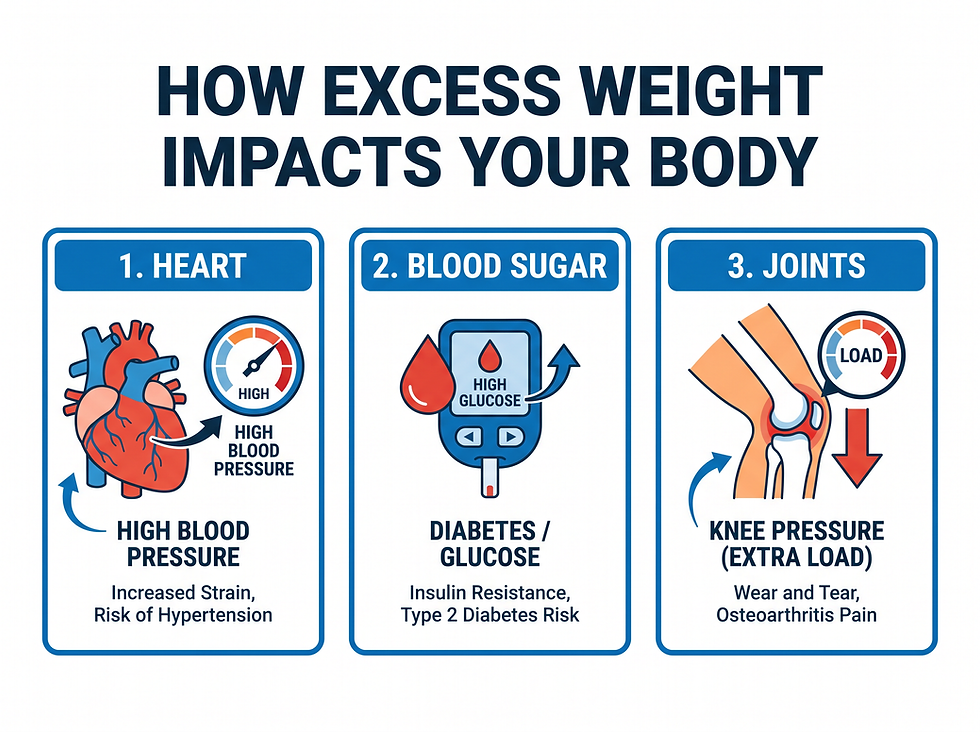
Cardiovascular: Potential Health Issues: Hypertension (High Blood Pressure); Impact of Excess Weight: The heart must work harder to pump blood through the body.
Metabolic: Potential Health Issues: Hyperglycemia (High Blood Sugar); Impact of Excess Weight: Excess fat, especially around the waist, interferes with glucose processing.
Lipid Profile: Potential Health Issues: Hyperlipidemia (High Cholesterol); Impact of Excess Weight: Increased levels of fats and lipids in the blood.
Musculoskeletal: Potential Health Issues: Osteoarthritis & Joint Damage; Impact of Excess Weight: 10 lbs of excess weight can add 15–50 lbs of pressure on the knees.
Common Causes and Risk Factors
Overweight is a complex condition influenced by lifestyle, biology, and environmental factors.
Lifestyle Factors
Eating Habits: Consuming more calories than the body requires, particularly from high-sugar and high-saturated-fat foods.
Physical Inactivity: Sedentary behavior and excessive screen time reduce energy expenditure.
Sleep Deprivation: Getting less than seven hours of sleep disrupts hormones that regulate appetite.
Biological and Environmental Factors
Stress: High cortisol levels from chronic stress can trigger cravings for high-fat "comfort foods."
Genetics: Certain genes can affect appetite and how the body stores fat.
Underlying Conditions: Disorders like Polycystic Ovary Syndrome (PCOS) or Metabolic Syndrome can lead to weight gain.
Obesogenic Environment: Modern environments that make fast food more accessible than healthy options and limit opportunities for movement.

Diagnosis and Management
Healthcare providers use a combination of measurements and history to create a personalized management plan.
The Diagnostic Process
Diagnosis goes beyond the scale. A provider will typically evaluate:
BMI and Waist Circumference: Standard physical measurements.
Body Composition Tests: Tools like bone density scans or bioelectrical impedance to distinguish between fat and muscle.
Medical and Weight History: Understanding when weight gain occurred and family history.
Mental Well-being: Assessing stress levels and emotional eating patterns.
Treatment Strategies
The goal of treatment is to improve overall health rather than just hitting a number on the scale.
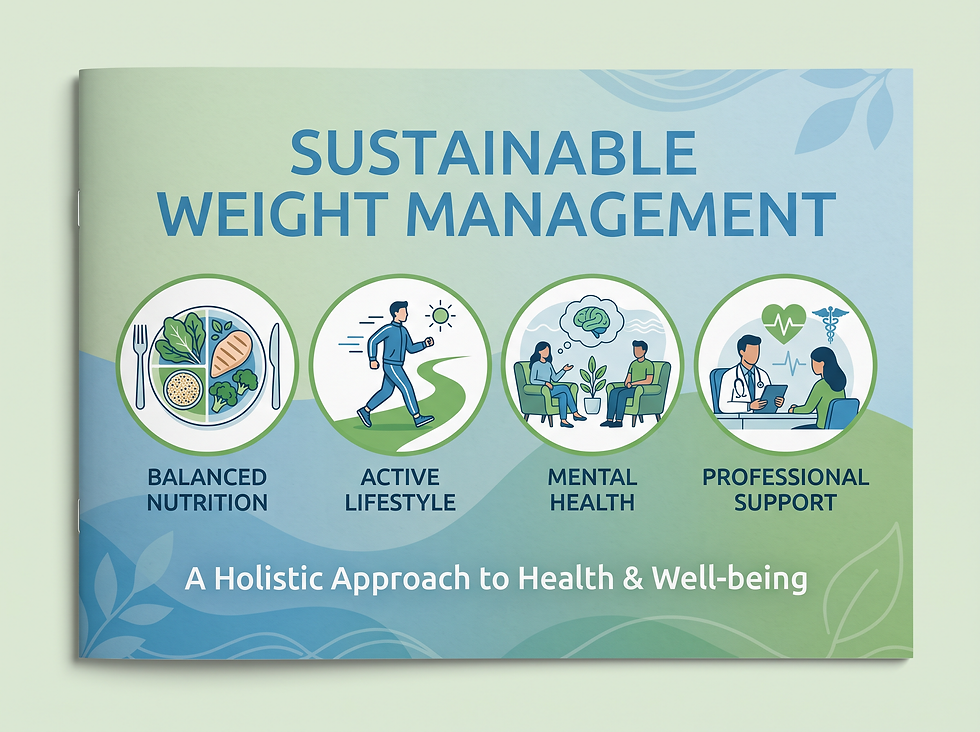
Nutrition Changes: Shifting toward protein-rich, low-saturated-fat meals.
Increased Activity: Incorporating more movement into daily routines to balance energy intake.
Mental Health Support: Cognitive Behavioral Therapy (CBT) to address emotional triggers for overeating.
Medical Intervention: In some cases, medication may be prescribed if the individual has related comorbidities.
Conclusion
Managing overweight is about reducing the long-term risk of obesity and chronic disease. While BMI is a useful starting point, a comprehensive approach that considers body composition, metabolic health, and mental well-being is essential. By making small, sustainable changes to daily habits, individuals can significantly improve their health outcomes and quality of life.
Next step: If you are concerned about your weight or BMI, consult a healthcare provider for a complete health profile and a personalized plan for nutrition and activity.
Frequently Asked Questions (FAQ)
Is a high BMI always a sign of being overweight?
Not necessarily. Athletes with high muscle mass may have a high BMI because muscle is denser than fat. Providers use other tests to determine actual body fat levels.
What is "metabolically healthy obesity"?
This refers to individuals with a high BMI whose blood pressure, cholesterol, and blood sugar levels remain within normal, healthy ranges.
How much weight loss is needed to see health benefits?
Losing as little as 10 pounds of excess fat can significantly reduce the pressure on your joints and improve cardiovascular health.
Why does stress cause weight gain?
Stress triggers the release of cortisol, a hormone that increases appetite and encourages the body to store fat, particularly around the abdomen.
How does sleep affect weight?
Lack of sleep (less than 7 hours) disrupts the hormones that control hunger and fullness, often leading to increased calorie consumption.
What is the "set point theory"?
This theory suggests the body has a preferred weight range and may trigger hunger or slow metabolism to defend that weight after a person loses weight.
Is overweight a common condition?
Yes. In the U.S., approximately one in three adults and one in six children have overweight.
What is an "obesogenic environment"?
It refers to surroundings that promote weight gain, such as areas with limited access to healthy food or lack of safe places for physical activity.
Can underlying health issues cause weight gain?
Yes. Conditions like Polycystic Ovary Syndrome (PCOS) and metabolic syndrome can make it easier to gain weight and harder to lose it.
What is the difference between overweight and obesity?
Overweight is defined by a BMI of 25–29.9, while obesity is defined by a BMI of 30 or higher. Both represent excess body fat but at different levels of severity.
Does belly fat matter more than fat in other areas?
Yes. Excess fat around the waist (visceral fat) is more closely linked to metabolic issues like high blood sugar and heart disease.
Can therapy help with weight loss?
Yes. Cognitive Behavioral Therapy (CBT) can help individuals identify and change the emotional and behavioral patterns that lead to overeating.
Why do people often regain weight after losing it?
Factors include returning to old habits, the body's biological defense of its "set point," and living in an environment that promotes high-calorie food consumption.
Are weight loss medications used for overweight?
Medications are usually reserved for those with a BMI of 30+ (obesity), but they may be prescribed for those with a BMI of 27+ if they have other health conditions like diabetes.
When should I see a doctor about my weight?
You should see a provider if you are concerned about your BMI, have gained weight suddenly, or are experiencing weight-related health issues like joint pain or high blood pressure.
Source date: September 13, 2024. This article is current based on the most recent available data from the primary source.
Health information, not medical advice. This article is for general education and is not a substitute for professional diagnosis or treatment. Always consult a qualified healthcare provider about your own health, and seek emergency care for urgent symptoms.
Comments