
Managing Pollen Allergy: Symptoms, Triggers, and Treatment Strategies

Updated: 3 hours ago
Medically reviewed by Dr. Baraa Alnahhal, MD · Last reviewed: September 2026
Quick answer: Pollen allergy occurs when the immune system mistakenly identifies harmless plant pollen as a threat, releasing histamine that triggers an allergic reaction. Common symptoms include a runny nose, sneezing, and watery eyes, often occurring seasonally as different plants pollinate. Diagnosis is typically confirmed via skin or blood tests. Management focuses on reducing exposure during peak pollen times and using medications like antihistamines or nasal steroids to control symptoms and improve quality of life.
Pollen allergy, clinically known as seasonal allergic rhinitis or hay fever, is a widespread condition triggered by the microscopic particles that plants release for fertilization. When these particles enter the respiratory system, the immune system of an allergic individual perceives them as dangerous intruders. In response, the body produces chemicals such as histamine to neutralize the perceived threat, leading to the familiar symptoms of seasonal allergies. Approximately 20 million people in the United States live with this condition, which can significantly impact daily comfort and productivity.

Common Triggers and Seasonal Patterns
Pollen allergies are categorized by the type of plant that produces the allergen. Because different species pollinate at specific times of the year, symptoms often follow a predictable seasonal pattern. In warmer climates, these seasons can begin as early as January and may occur multiple times throughout the year.
Pollen Source | Typical Season | Common Examples |
Trees | Spring (March–May) | Birch, Oak, Cedar |
Grasses | Late Spring and Summer | Bermuda, Fescue, Kentucky Blue |
Weeds | Summer and Fall | Ragweed, Cocklebur, Lamb's Quarters |
Recognizing the Symptoms
Symptoms of a pollen allergy primarily affect the nasal passages, eyes, and throat. While most reactions occur after breathing in airborne pollen, some individuals may experience a reaction through direct physical contact or when pollen enters the eyes.
Symptom Category | Common Clinical Signs |
Nasal Symptoms | Runny nose, sneezing, and significant nasal congestion. |
Ocular Symptoms | Red, watery, or itchy eyes; puffiness and swelling around the eyes. |
Respiratory/Other | Coughing, sore throat, and itchiness in the nose or throat. |
Severe Reactions | Worsening of asthma (allergic asthma); temporary loss of smell or taste. |
Diagnosis and Professional Evaluation
If you suspect a pollen allergy, a healthcare provider can provide a definitive diagnosis through a review of your medical history and specific diagnostic tests. These evaluations help identify the exact triggers causing your symptoms, allowing for a more targeted treatment plan.
The most common diagnostic tool is the skin prick test, where an allergist introduces a tiny amount of various pollens into the skin using a thin needle. A positive reaction is indicated by localized redness, swelling, or itching. Alternatively, a specific IgE blood test can be performed to detect antibodies that the immune system produces in response to particular pollens.
Management and Treatment Options
Managing a pollen allergy involves a multi-faceted approach tailored to the severity of the symptoms. While over-the-counter medications provide relief for many, those with persistent or severe allergies may require prescription-strength options or long-term interventions.

Medication and Immunotherapy
A wide range of medications is available to address different aspects of an allergic reaction. Antihistamines like cetirizine or loratadine work by blocking the effects of histamine, while nasal corticosteroids reduce inflammation in the nasal passages. For long-term relief, immunotherapy (allergy shots) can be used to gradually build the body's tolerance to specific allergens by introducing increasing amounts of pollen over time.
Lifestyle and Environmental Controls
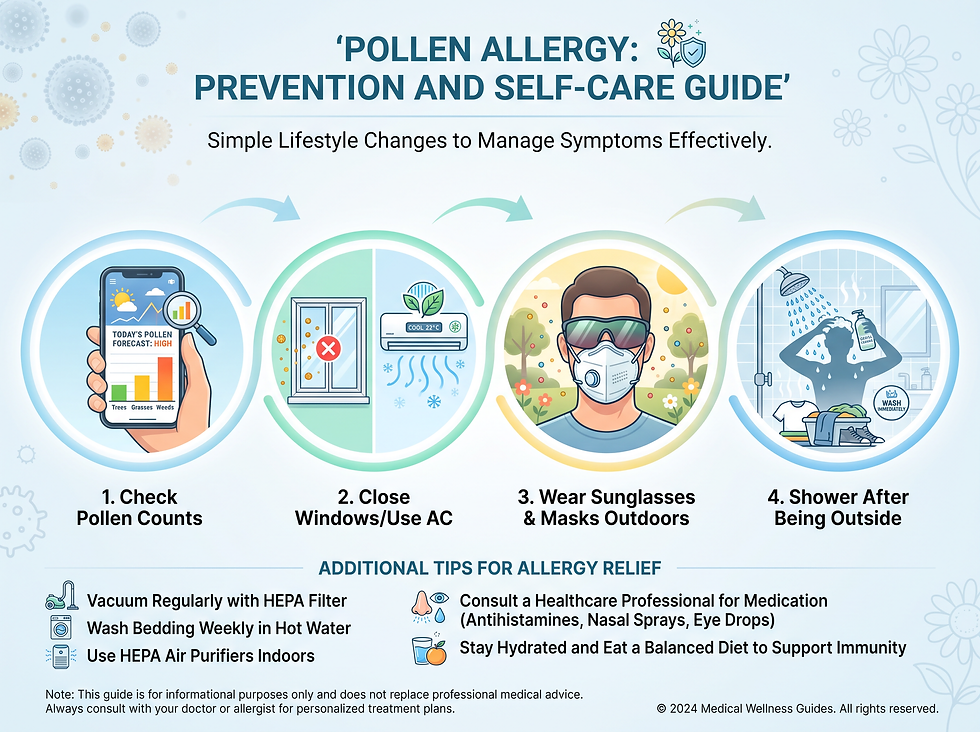
Minimizing exposure to pollen is a critical component of allergy management. Simple habits can significantly reduce the allergen load on the body:
Monitor Pollen Counts: Stay indoors on windy days or when local pollen forecasts are high.
Timing: Avoid outdoor activities during the morning and early afternoon when pollen levels typically peak.
Barriers: Keep windows closed, use HEPA filters in the home, and wear sunglasses or dust masks when outdoors.
Hygiene: Shower and wash your hair before bed to remove pollen collected during the day, and wash outdoor clothes immediately.
Conclusion
Pollen allergies can be a significant seasonal burden, but they do not have to dictate your quality of life. By understanding your specific triggers and utilizing the wide array of available treatments, you can effectively manage symptoms and enjoy the outdoors. Whether through medication, lifestyle changes, or long-term immunotherapy, relief is achievable for the millions of people affected by this common condition.
When to See a Doctor
If seasonal symptoms like congestion and itchy eyes are disrupting your daily life, consult a healthcare provider or an allergist. A professional diagnosis and a personalized treatment plan can help you take control of your allergies and find lasting relief.
Frequently Asked Questions
What is the difference between hay fever and a pollen allergy?
They are the same thing. "Hay fever" is a common term for seasonal allergic rhinitis, which is triggered by pollen.
Can you develop a pollen allergy as an adult?
Yes, it is possible to develop allergies at any point in life, even if you never had them as a child.
Why are my allergies worse in the morning?
Pollen levels tend to be highest in the early morning and into the early afternoon, which is why symptoms often peak during these times.
Is there a cure for pollen allergies?
There is no permanent cure, but the condition is highly manageable with the right combination of medication and lifestyle changes.
How long should I use decongestant nasal sprays?
You should not use them for more than five days, as prolonged use can lead to dependency and worsened symptoms.
Does honey help with pollen allergies?
While a popular folk remedy, honey is not a clinically established treatment for pollen allergies.
Can pollen allergies cause a fever?
Despite the name "hay fever," pollen allergies do not actually cause a fever. If you have a fever, it may be a sign of an infection.
What is ragweed?
Ragweed is a common weed that produces highly potent pollen in the summer and fall. One plant can produce up to 1 billion grains of pollen.
How do HEPA filters help?
High-efficiency particulate air (HEPA) filters can trap tiny pollen particles in your home, improving indoor air quality.
Can I be allergic to my neighbor's grass?
Yes. Grass pollen is very light and can be carried long distances by the wind.
What is the best time to start allergy medication?
It is often recommended to start taking medication before the allergy season begins to prevent symptoms from becoming severe.
Can pollen allergies make my asthma worse?
Yes, this is known as allergic asthma, where pollen exposure triggers or worsens asthma symptoms like wheezing or shortness of breath.
Do allergy shots work immediately?
No, immunotherapy is a long-term treatment that gradually builds tolerance over months or years.
Can I get a pollen allergy from flowers?
While some flowers produce pollen, most seasonal allergies are caused by the wind-blown pollen from trees, grasses, and weeds.
Should I see a doctor for my allergies?
Yes, if your symptoms are disruptive or if over-the-counter medications are not providing enough relief, a doctor can help.
Related Reading
See also: Allergic Asthma: The Breathing Condition Triggered by the Air Around You and Food Allergy: Symptoms, the 8 Most Common Allergens, and How to Stay Safe from Anaphylaxis.
American Academy of Allergy, Asthma & Immunology: AAAAI. Asthma and Allergy Foundation of America: AAFA. National Institute of Allergy and Infectious Diseases: NIAID.
References
Medically reviewed by Dr. Baraa Alnahhal, MD. This content is for informational purposes only and does not constitute medical advice. If you suspect you have a pollen allergy, seek evaluation from a qualified healthcare professional.
Comments