IV Fluids: A Comprehensive Guide to Intravenous Rehydration

Updated: 2 days ago
Medically reviewed by Dr. Baraa Alnahhal, MD · Last reviewed: September 2026
TL;DR
Intravenous (IV) fluids are specially formulated liquids delivered directly into a vein to prevent or treat dehydration and electrolyte imbalances. Primarily used in clinical settings for individuals who are sick, injured, or undergoing surgery, this safe and common procedure ensures rapid restoration of essential body water. While generally low-risk, professional monitoring and personalized administration are key to achieving optimal patient outcomes and maintaining long-term wellness.
Quick Answer
IV fluids are liquids injected into the bloodstream through a tube to treat or prevent dehydration. They are essential when the body loses significant water due to illness, heat, injury, or surgery. The procedure involves a healthcare provider inserting a sterile needle into a vein and delivering a calculated amount of fluid via a pump machine. Most patients feel an improvement in their symptoms very quickly as their hydration levels stabilize.
The Essential Role of Hydration
Water is the fundamental building block of every cell in the human body, accounting for approximately 60% of total body weight. It supports critical functions ranging from cognitive performance and energy levels to gastrointestinal health and organ function. When the body loses more water than it takes in, a state of dehydration occurs, which can lead to serious health complications if left untreated. Severe dehydration can affect the heart, kidneys, and brain, making rapid rehydration a medical priority.
Why Intravenous Fluids are Recommended
Intravenous rehydration is often necessary when oral intake is insufficient or impossible. This commonly occurs during severe bouts of vomiting and diarrhea, or when a patient is unconscious or undergoing a long surgical procedure. By delivering fluids directly into the venous system, medical professionals can bypass the digestive tract, ensuring that water and essential minerals are immediately available to the body's tissues and organs.
Signs of Severe Dehydration
Physical Indicators | Cognitive and Physiological Signs |
Skin and Eyes | Dry eyes, dry lips, and wrinkled or blotchy skin. |
Circulation | Hands and feet that feel cool to the touch or look blotchy. |
Vital Signs | Fast breathing and a noticeable energy drop or fatigue. |
Excretion | Reduced urination (less than four times daily) and dark, strong-smelling pee. |
Mental State | Dizziness and a decrease in overall mental or cognitive performance. |
Types of IV Solutions
Healthcare providers select specific types of IV fluids based on the patient's unique clinical needs. The most common category is crystalloid solutions, which contain small molecules that move easily from the blood into the body's cells. Examples include normal saline and D5W (sugar in water). For more aggressive fluid replacement, Lactated Ringer’s may be used. Another category, colloids, contains larger molecules that remain in the blood vessels longer to support blood volume.
Comparison of Common IV Fluid Types
Solution Category | Key Components | Primary Clinical Use |
Crystalloids | Small molecules (saline, dextrose) | General rehydration and electrolyte balance |
Lactated Ringer’s | Sodium, chloride, potassium, calcium | Aggressive fluid replacement and trauma care |
Colloids | Large molecules (albumin, hetastarch) | Maintaining blood volume within vessels |
The Clinical Procedure: What to Expect
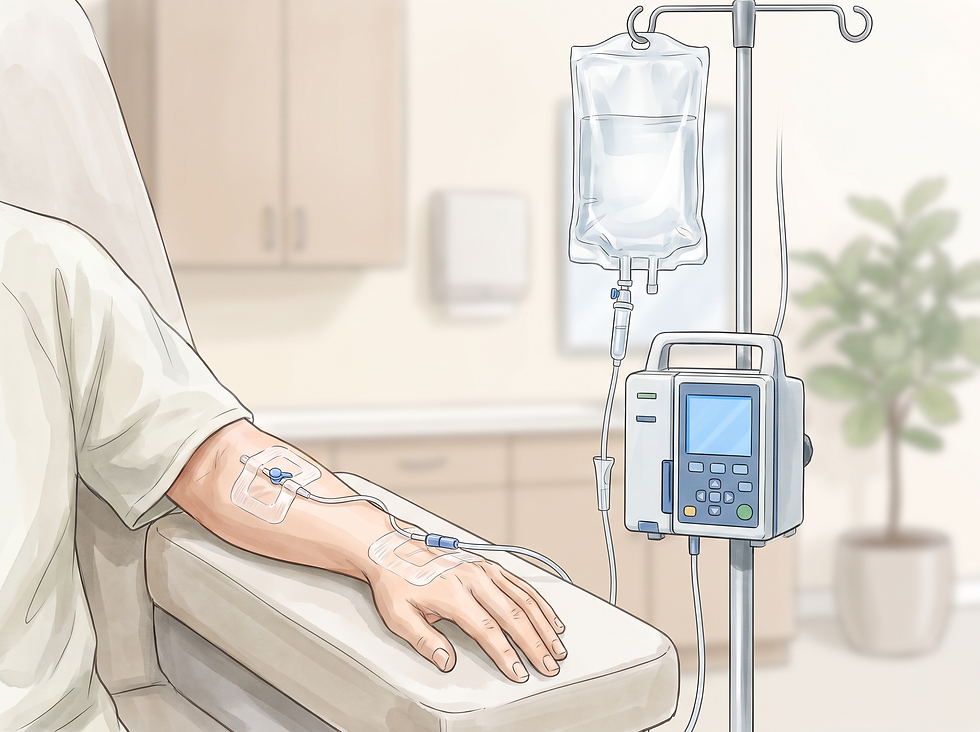
The administration of IV fluids is a standard procedure performed by trained medical staff. After cleaning the insertion site—usually on the hand or the inside of the elbow—a provider inserts a sterile needle attached to a small plastic tube. This tube is then connected to a fluid bag hanging from a tall IV stand. A specialized machine precisely controls the flow rate, ensuring the patient receives the exact amount of hydration needed based on their weight, age, and medical history.
Managing Risks and Side Effects
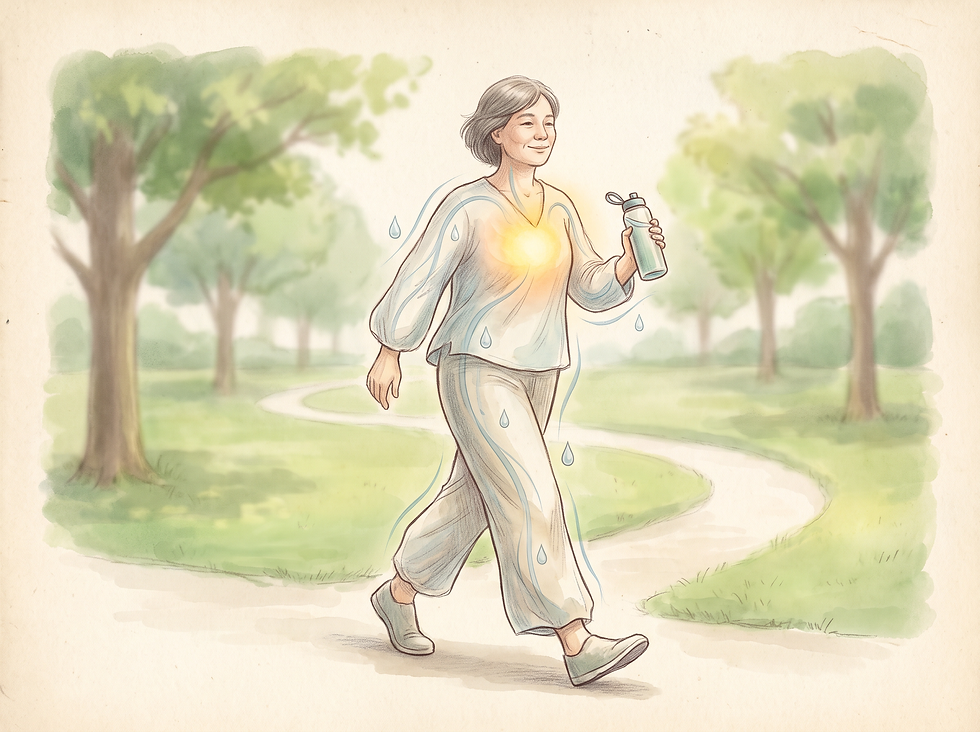
While IV rehydration is exceptionally safe, rare complications can occur. These may include localized bruising (hematoma), a swollen vein (phlebitis), or minor stinging if the needle moves (infiltration). In very rare cases, receiving too much fluid too quickly can lead to temporary high blood pressure or trouble breathing, which clinical staff can quickly resolve by adjusting the flow rate. Continuous monitoring during the procedure ensures that any discomfort or issues are addressed immediately.
FAQ
1. What are IV fluids?
They are specially formulated liquids delivered directly into a vein to treat or prevent dehydration.
2. Is the procedure painful?
Most patients feel only a brief pinch during the initial needle insertion.
3. How quickly do they work?
IV fluids enter the bloodstream immediately, and many patients feel better very quickly.
4. Who needs IV rehydration?
It is used for people with severe dehydration from illness, heat, injury, or surgery.
5. What are electrolytes?
They are essential minerals in the body that IV fluids help to balance.
6. Can children receive IV fluids?
Yes, IV rehydration is safe and common for patients of all ages, including children.
7. What is normal saline?
It is a common crystalloid solution consisting of salt dissolved in sterile water.
8. What are the common side effects?
Minor issues include bruising at the insertion site or a temporary swollen vein.
9. How long does the treatment last?
The duration depends on the patient's level of dehydration and clinical needs.
10. Can I move around with an IV?
Movement is possible but should be limited to prevent the needle from becoming dislodged.
11. What is fluid overload?
It is a rare condition where too much fluid is given too fast, causing temporary high blood pressure.
12. Are there any food restrictions?
Often no, but restrictions may apply if you had surgery or a severe infection.
13. Is there a recovery period?
Most people do not need recovery time and can resume normal activities immediately.
14. What should I tell my nurse?
Report any discomfort at the site, trouble breathing, or if the fluid seems to flow too fast.
15. Does insurance cover it?
Coverage typically depends on the medical necessity and the specific clinical setting.
Conclusion
Intravenous fluids represent a cornerstone of modern medical care, providing a fast and reliable method for restoring essential hydration and electrolyte balance. Whether used to combat severe illness, support surgical recovery, or treat heat-related dehydration, this simple procedure offers immediate benefits and life-saving potential. By understanding the process and following professional clinical guidance, patients can ensure a smooth treatment experience and a rapid return to health.
Next Steps
If you or a loved one are showing signs of severe dehydration, it is important to seek medical evaluation immediately. A healthcare provider can assess your hydration status and determine if IV fluids are necessary. During your consultation, be sure to mention any current medical conditions or recent illnesses that may have contributed to your dehydration.
Disclaimer: The information provided in this article is for educational purposes only and should not be considered professional medical advice. Always seek the advice of a qualified healthcare provider with any questions regarding a medical condition or treatment plan.
Health information, not medical advice. This article is for general education and is not a substitute for professional diagnosis or treatment. Always consult a qualified healthcare provider about your own health, and seek emergency care for urgent symptoms.
Comments