Hemorrhage: Understanding Critical Blood Loss and Emergency Care

Updated: 2 days ago
Medically reviewed by Dr. Baraa Alnahhal, MD · Last reviewed: October 2026
Quick Answer
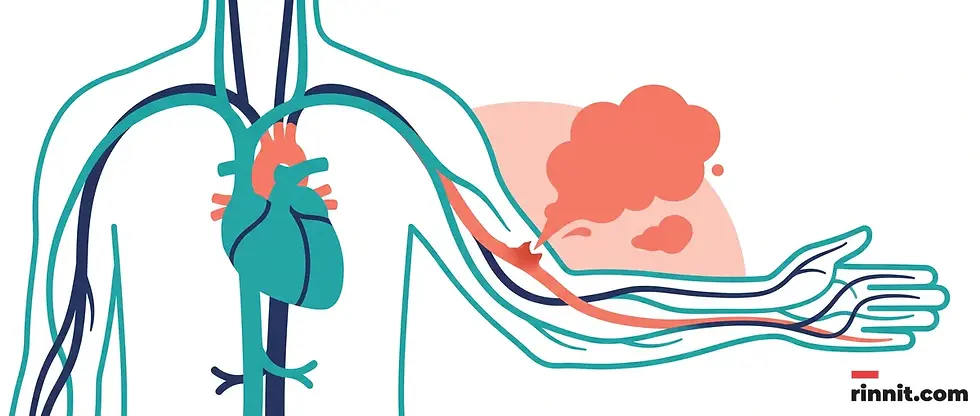
A hemorrhage is the medical term for bleeding from a ruptured or damaged blood vessel, described by where it happens and how much blood is lost. Losing up to 15% of blood volume usually causes no symptoms, losing 15% to 30% causes dizziness and a rapid heart rate, and losing more than 30% can cause life-threatening hypovolemic shock [1].
What the research says
Tranexamic acid lowers early deaths in injured patients at risk of bleeding. A systematic review and meta-analysis behind a trauma-surgery practice guideline (24 studies pooled) found that tranexamic acid, a medicine that keeps clots from breaking down, was associated with lower 24-hour mortality both when given before hospital (log risk ratio -0.29, 95% CI -0.53 to -0.05) and in hospital (-0.38, 95% CI -0.69 to -0.06), with no difference in blood-clot events. The guideline conditionally recommends routine use (Dumas et al., Journal of Trauma and Acute Care Surgery, 2025 [2]).
The best single trial shows a mixed picture. In a randomized trial of 1,310 adults with major trauma, giving tranexamic acid before hospital did not increase the share who survived with a favorable outcome at 6 months (53.7% vs 53.5%; risk ratio 1.00, 95% CI 0.90 to 1.12). Fewer patients did die within 28 days (17.3% vs 21.8%; risk ratio 0.79, 95% CI 0.63 to 0.99) (Gruen et al., New England Journal of Medicine, 2023 [3]).
Tourniquets are widely used for severe limb bleeding, with few complications reported. A systematic review of 14 studies covering 3,912 civilian victims of limb bleeding and 3,522 tourniquet placements found that most were applied to a single limb, about 80% were commercial devices, application times were generally under an hour, and few complications were described (Benítez et al., Revista do Colégio Brasileiro de Cirurgiões, 2021 [4]).
Key Takeaways
Feature | Hemorrhage Details |
Primary Definition | Acute blood loss from a damaged or ruptured blood vessel [1]. |
Internal Types | Intracranial (brain), hemothorax (chest), and bleeding into the abdomen or into joints and muscles [1]. |
External Types | Bleeding from open wounds, nosebleeds, or other body openings. |
Severity Classes | Class I (up to 15% loss), Class II (15% to 30% loss), and more than 30% loss (severe) [1]. |
Emergency Signs | Dizziness, rapid heart rate, confusion, and shortness of breath [1]. |
Common Causes | Trauma, surgery, aneurysms, blood thinners, and clotting disorders [1]. |
Understanding the Basics of Hemorrhage
A hemorrhage occurs when a blood vessel is damaged and blood escapes the circulatory system. It is broadly divided into two categories: internal and external [1]. Internal hemorrhages can be more dangerous because the bleeding is hidden inside the body, such as in the brain, chest, or abdomen, and may be hard to detect without medical imaging. External hemorrhages are visible, coming from skin wounds or from openings such as the nose or mouth.
How serious a hemorrhage is depends on how much blood is lost and how quickly. Class I hemorrhages involve up to 15% of blood volume and generally cause no symptoms [1]. Class II involves 15% to 30% and can cause dizziness, fatigue, nausea, shortness of breath, and a fast heart rate [1]. When more than 30% is lost, the body can no longer compensate, which can cause confusion, seizures, loss of consciousness, and hypovolemic shock. [1]
Signs and Symptoms of Critical Bleeding
Symptoms vary a great deal with the location and severity of the bleed. For external bleeding, the main sign is visible blood flow that is hard to stop. Internal bleeding calls for attention to the whole-body signs of blood loss.

Common whole-body signs include:
Specific signs of internal bleeding depend on the area:
Head: A sudden, severe headache, vision changes, confusion, and weakness on one side of the body [1].
Chest: Difficulty breathing, chest pain, and coughing up blood [1].
Abdomen: Swelling or a feeling of fullness, bruising, and blood in vomit, urine, or stool [1].
Bones, joints, and muscles: Bruising, swelling, and pain [1]. Pressure from bleeding in a closed space is an emergency because it can compress nerves and blood vessels and cause permanent loss of function [1].
Call 911 or go to the emergency room if you or someone near you has these symptoms [1].
Causes and Risk Factors
Hemorrhages can result from sudden injuries or from conditions that weaken blood vessels or affect clotting. Injuries range from cuts and long-bone fractures to traumatic brain injury and gunshot or knife wounds [1]. Surgical complications and internal ulcers, such as stomach ulcers from long-term use of painkillers like ibuprofen, are also significant causes [1].
Certain conditions and medicines raise the risk:
Clotting and blood disorders: Hemophilia, von Willebrand disease, and antiphospholipid syndrome make it harder for the body to seal damaged vessels.
Medicines: Warfarin, aspirin (including baby aspirin), clopidogrel, and apixaban can make bleeding more likely and more severe. [1]
Vascular diseases: Aneurysms and hereditary hemorrhagic telangiectasia can lead to ruptured vessels [1].
Other risks: Cancer and alcohol use disorder (a significant risk factor for subarachnoid hemorrhage) [1], and viral hemorrhagic fevers such as Ebola and dengue, which damage blood vessels.
Treatment and Emergency Management
The goals of treatment are to stop the bleeding and stabilize circulation. Treatment depends on where the bleeding is, how severe it is, what is causing it, and whether you have other injuries or conditions [1]. If the cause is unknown or the bleeding is severe, you need care in a hospital.

First Aid for Severe External Bleeding
Call 911 or your local emergency number [1].
Lay the person down, and raise an injured limb above the level of the heart if possible [1].
Cover the wound with sterile gauze or a clean cloth [1].
Apply firm, direct pressure. If an object is stuck in the wound, do not remove it [1]. Press around it instead.
For life-threatening bleeding from an arm or leg, or bleeding that firm pressure does not stop, apply a tourniquet above the wound right away if one is available [1].
Medical Stabilization
In the hospital, the team will look for the cause and treat it. This may include:
Fluid replacement: IV fluids and blood transfusions to restore blood volume and oxygen-carrying capacity.
Medicines: Vitamin K injections or other reversal agents to counteract blood thinners such as warfarin, and in some trauma patients tranexamic acid to help keep clots from breaking down [2] [3].
Surgery: An operation to repair a damaged vessel or remove pooled blood (a hematoma) that is pressing on vital organs.
Monitoring: Close tracking of heart rate, blood pressure, and organ function to prevent complications.
Outlook and Complications
Your outlook depends on the kind of hemorrhage, its severity, how quickly you get treatment, and your age and overall health [1]. Quick treatment is key. Hemorrhage is a leading cause of potentially preventable death, especially after trauma [1]. Reduced blood flow to the organs can lead to organ failure, seizures, coma, and death [1]. A brain hemorrhage can cause permanent brain damage, and postpartum hemorrhage can lead to Sheehan syndrome, which is damage to the pituitary gland from heavy blood loss [1].
Conclusion
A hemorrhage is a critical health event that calls for fast recognition and professional care. The body can manage minor bleeds, but major vessel damage can cause irreversible complications within minutes. Knowing the whole-body signs of blood loss, such as dizziness and a fast heart rate, and acting quickly are essential to getting help in time.
Frequently Asked Questions
What is the difference between a hemorrhage and a hematoma?
A hemorrhage is the bleeding itself, while a hematoma is blood that has pooled in the tissues [1].
Can a minor bruise be considered a hemorrhage?
Yes. A bruise is a minor hemorrhage in which blood has leaked into the tissues under the skin [1].
How much blood loss is considered life-threatening?
Losing more than 30% of your total blood volume is considered severe and can lead to hypovolemic shock [1].
What is a hemothorax?
A hemothorax is bleeding that collects in the space between the lungs and the rib cage [1].
Is a subconjunctival hemorrhage dangerous?
Usually not. This is bleeding in the white of the eye, and it is one of the few hemorrhages that usually are not serious [1].
What are the first signs of internal bleeding?
Early signs include dizziness, weakness, a rapid heart rate, and low blood pressure [1].
How do doctors diagnose internal bleeding?
Providers use a physical exam, your history and symptoms, and imaging and lab tests, such as a complete blood count (CBC) and CT scans, MRIs, or ultrasounds.
What is postpartum hemorrhage?
It is severe vaginal bleeding after childbirth. It can be life-threatening and can occur right after delivery or up to 12 weeks later [1].
Can medications cause hemorrhaging?
Yes. Blood thinners and antiplatelet medicines such as aspirin, warfarin, clopidogrel, and apixaban increase the risk of severe bleeding. [1]
What is a hemorrhagic stroke?
It is a stroke caused by bleeding in the brain [1].
How does alcohol affect hemorrhage risk?
Alcohol use disorder is a significant risk factor for subarachnoid hemorrhage [1], a type of brain bleed.
What should I do if I suspect someone is hemorrhaging?
Call 911 or your local emergency number right away [1]. Do not wait for symptoms to get worse.
What is hypovolemic shock?
A life-threatening condition in which blood loss leaves too little blood to deliver oxygen to the organs.
Can a stomach ulcer cause a hemorrhage?
Yes. An ulcer in the stomach, for example from painkillers such as ibuprofen, can bleed [1].
What is the role of vitamin K in treating hemorrhages?
Vitamin K helps the blood clot and is given to help stop bleeding caused by medicines such as warfarin [1].
Are all hemorrhages medical emergencies?
Most are, especially if the bleeding is internal or cannot be stopped with simple pressure.
What is a subarachnoid hemorrhage?
Bleeding in the area between the brain and the thin tissues that cover and protect it. It is a medical emergency.
Can viral infections cause hemorrhaging?
Yes. Viral hemorrhagic fevers such as Ebola and dengue damage blood vessels and can cause severe bleeding.
What is Sheehan syndrome?
A rare complication of severe postpartum hemorrhage that damages the pituitary gland.
How is external bleeding stopped in an emergency?
Apply direct, firm pressure to the wound. For life-threatening bleeding from an arm or leg, or bleeding that pressure does not stop, apply a tourniquet above the wound right away if one is available [1].
What is an aneurysm?
A bulge in a blood vessel wall that can rupture and cause a major hemorrhage.
Can a broken bone cause internal bleeding?
Yes. Fractures of long bones can damage nearby blood vessels and lead to significant internal blood loss.
What is tachycardia?
A rapid heart rate, which is often one of the first signs that the body is compensating for blood loss.
Why is brain bleeding so dangerous?
The skull is a closed space, so pooled blood raises the pressure on the brain and can damage tissue very quickly.
Can a hemorrhage occur weeks after giving birth?
Yes. Postpartum hemorrhage can occur up to 12 weeks after delivery [1].
What is von Willebrand disease?
A genetic bleeding disorder that affects how the blood clots and raises the risk of hemorrhage.
What is the pleural space?
The area between the lungs and the chest wall, where blood collects in a hemothorax [1].
Does high blood pressure cause hemorrhaging?
Long-term high blood pressure can weaken blood vessel walls, which makes them more likely to rupture.
What is an orifice?
A body opening, such as the nose or mouth, where external bleeding can occur.
Can internal bleeding cause skin bruising?
Yes. Bruising on the abdomen or over joints can be a sign of deeper bleeding.
What is the first thing a doctor does for a hemorrhage patient?
They prioritize stabilizing the airway, breathing, and circulation (the ABCs).
Can NSAIDs like Advil cause internal bleeding?
Yes. Frequent or high-dose use can cause stomach ulcers that bleed.
What is a Class I hemorrhage?
A loss of up to 15% of total blood volume, which usually causes no symptoms [1].
What is a Class II hemorrhage?
A loss of 15% to 30% of blood volume, which typically causes dizziness and a faster heart rate [1].
What is a "thunderclap" headache?
A sudden, extremely severe headache that can be a sign of bleeding in the brain.
Can a hemorrhage cause organ failure?
Yes. If the organs do not get enough oxygen-rich blood, they can begin to fail [1].
What is the difference between an ischemic and a hemorrhagic stroke?
An ischemic stroke is caused by a blockage, while a hemorrhagic stroke is caused by bleeding.
How long does a subconjunctival hemorrhage take to clear?
It usually clears within one to two weeks as the eye reabsorbs the blood.
Is coughing up blood always a hemorrhage?
It means bleeding from the airways or lungs and should be evaluated by a doctor right away.
What is a CBC test?
A complete blood count measures your blood cells, including red blood cells, and helps show how much blood has been lost.
Can a hemorrhage be caused by a gunshot wound?
Yes. Gunshot and knife wounds are common causes of severe external and internal bleeding.
What is a tourniquet?
A device that applies pressure around a limb to stop life-threatening bleeding. It should be used early for life-threatening arm or leg bleeding, or when firm pressure does not stop the bleeding [1].
Can a hemorrhage cause a coma?
Yes. Severe blood loss, or pressure from a brain bleed, can lead to loss of consciousness or coma.
What is hereditary hemorrhagic telangiectasia?
A genetic disorder that causes abnormal blood vessels and frequent bleeding.
Why do doctors check blood pressure during a bleed?
A drop in blood pressure is a sign of significant blood loss, and it shows how well the body is coping.
Can internal bleeding be painless?
Sometimes, especially early on or when it occurs in a large space such as the abdomen.
What is "Rosenthal syndrome"?
Another name for hemophilia C, a rare clotting disorder that can cause abnormal bleeding.
Can a hemorrhage cause death?
Yes. Hemorrhage is a leading cause of potentially preventable death, especially after trauma [1], if it is not treated quickly.
How is a brain bleed treated?
Treatment depends on the cause and may include surgery to relieve pressure, medicines to control blood pressure, and clotting support.
Can you prevent a hemorrhage?
Trauma is hard to prevent, but managing blood pressure, avoiding excessive alcohol, and using medicines exactly as directed can lower your risk.
Related Reading
Understanding Hypovolemic Shock: Causes, Symptoms, and Emergency Treatment explains the shock that follows severe blood or fluid loss.
Internal Bleeding: A Comprehensive Guide to Recognizing Symptoms and Seeking Care describes the warning signs of bleeding inside the body.
Blood Transfusion: What It Is, How It Works and Is It Safe? explains how blood transfusions work and what to expect.
Essential Shock First Aid: Immediate Actions and Lifesaving Steps offers first aid steps for someone in shock.
References
Cleveland Clinic. Hemorrhage. Cleveland Clinic. Last updated April 24, 2024. https://my.clevelandclinic.org/health/diseases/hemorrhage
Dumas RP, Succar BE, Vella MA, et al. The use of tranexamic acid in the management of injured patients at risk of hemorrhage: a systematic review and meta-analysis and an Eastern Association for the Surgery of Trauma practice management guideline. Journal of Trauma and Acute Care Surgery. 2025;99(5):785-794. PMID 40956301. https://doi.org/10.1097/TA.0000000000004773
Gruen RL, Mitra B, Bernard SA, et al. Prehospital tranexamic acid for severe trauma. New England Journal of Medicine. 2023;389(2):127-136. PMID 37314244. https://doi.org/10.1056/NEJMoa2215457
Benítez CY, Ottolino P, Pereira BM, et al. Tourniquet use for civilian extremity hemorrhage: systematic review of the literature. Revista do Colégio Brasileiro de Cirurgiões. 2021;48:e20202783. PMID 33470370. https://doi.org/10.1590/0100-6991e-20202783
Disclaimer
The information provided in this article is for educational purposes only and should not be considered medical advice. If you suspect a hemorrhage or are experiencing severe bleeding, seek emergency medical attention immediately.



Comments