Ehlers-Danlos Syndrome: Symptoms, Causes, and Treatment

Updated: 3 days ago
Medically reviewed by Dr. Baraa Alnahhal, MD · Last reviewed: October 2026
Quick answer
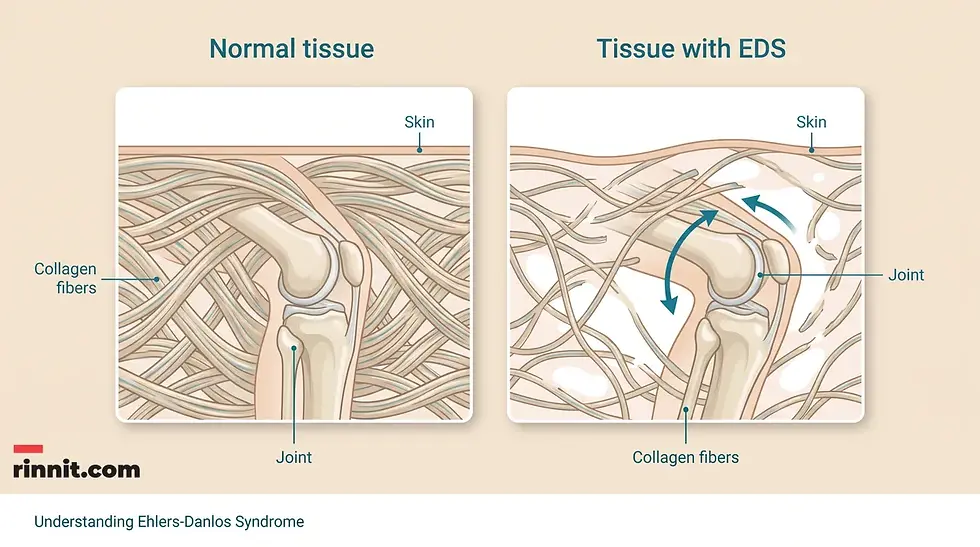
Ehlers-Danlos syndrome (EDS) is a group of inherited conditions that affect the connective tissues supporting the skin, joints, blood vessels and organs, caused by gene changes affecting collagen. Main symptoms are overly flexible joints, stretchy, fragile skin, easy bruising and poor wound healing. There is no cure; treatment manages symptoms and lowers the risk of serious complications. [1] [2]
What the research says
According to PubMed:
Joint pain, fatigue, and gut problems are very common in hypermobile EDS. A systematic review of 839 EDS cases found joint hypermobility in 95.6% (153/160) of hypermobile EDS cases, chronic pain in 88.5% (139/157), chronic fatigue in 96.8% (61/63), and gastrointestinal complications in 90.5% (57/63). In vascular EDS, 35.5% (89/250) had arterial dissection or rupture. (Doolan et al., DOI).
Digestive symptoms affect most people with hypermobile EDS or hypermobility spectrum disorders. A meta-analysis of 19 studies (17,455 patients and 1,677,465 controls) found 65.3% reported at least one chronic gastrointestinal symptom and the odds were higher than in controls (OR 4.29, 95% CI 3.1 to 6.0). The authors rate the evidence quality as low. (Kulin et al., DOI).
Home exercise improved shoulder function. In a randomized trial of 21 patients with hypermobile EDS or hypermobility spectrum disorders and shoulder instability, a 6-month home-based exercise program improved the Western Ontario Shoulder Index by 240 points at 12 weeks and 325 points at 24 weeks, and the DASH score by 8.6 points at 24 weeks. The two exercise programs did not differ from each other. (Spanhove et al., DOI).
Study details are from PubMed abstracts.
What is Ehlers-Danlos syndrome?
Your body's connective tissues act like the framework of a building. They provide support and give flexibility to the skin, joints, blood vessels, and organs. In Ehlers-Danlos syndrome, inherited gene changes weaken this framework. [1]
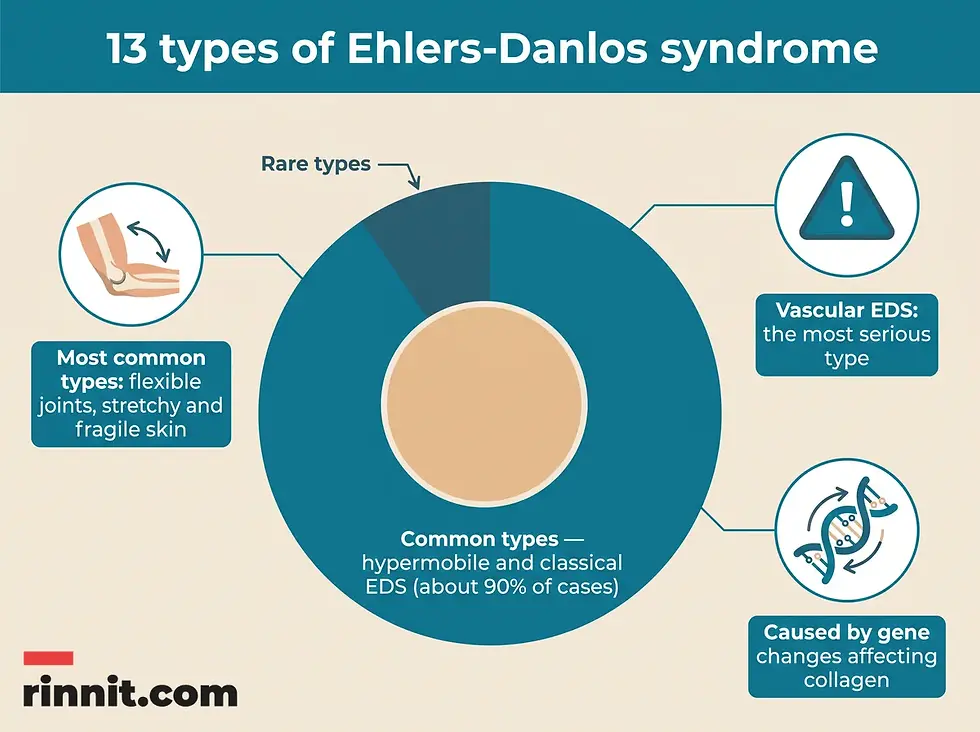
There are 13 types of EDS. The most common types cause very flexible joints, fragile skin, and a higher risk of bruising and injury. In most people with these common forms, symptoms can be managed well day to day. [1]
But some rare forms can lead to life-threatening health issues. The most serious is vascular EDS, which affects blood vessels and can lead to sudden ruptures. [1]
Key fact | Detail |
What it is | A group of inherited conditions affecting connective tissues [1] |
Number of types | 13 recognized types [1] |
Most common types | Hypermobile EDS (hEDS) and classical EDS, about 90% of diagnoses [1] |
Most serious type | Vascular EDS, which affects blood vessels [1] |
Cause | Gene changes that affect how the body makes or uses collagen [1] |
Cure | None; treatment manages symptoms and lessens complications [2] |
Symptoms of Ehlers-Danlos syndrome
Symptoms typically begin in childhood, though this varies by type. Some types show symptoms as early as infancy, while others may not become noticeable until later in life. [1]
Symptoms of the most common types
Hypermobile EDS (hEDS) and classical EDS are the most common types. Together they account for about 90% of people diagnosed with EDS. For these and most other types, symptoms may include the following. [1]
Symptom | What it looks like |
Overly flexible joints | Joints move far past the usual range of motion; joint pain and dislocations are common [1] |
Stretchy skin | Skin stretches much more than usual: a pinch can be pulled away from the flesh and snaps right back; skin may feel soft and velvety [1] |
Fragile skin | Skin is thin and often does not heal well; stitches frequently tear out, leaving gaping scars that look thin and crinkly [1] |
Musculoskeletal pain | Aching, stiffness, or soreness in the muscles, bones, joints, ligaments, or tendons [1] |
Musculoskeletal pain is common in people who have overly flexible joints as a symptom of EDS. This is pain that affects the muscles, bones, joints, ligaments, or tendons, the parts of the body that help you move and stay upright. [1]
Vision loss, typically appearing suddenly as blind spots or silvery flashes, may also be a symptom of an EDS complication. [1]
Symptoms and signs of vascular EDS
Vascular EDS is a rare but severe type that carries a higher risk of sudden and dangerous complications. People with this form often share distinctive facial features: a thin nose, thin upper lip, small earlobes, and prominent eyes. They also have thin, translucent skin that bruises very easily. In people with light skin, the underlying blood vessels are very visible through the skin. [1]
In vascular EDS, the walls of large blood vessels, including the aorta (the main artery that carries blood from the heart to the body), can weaken and tear or rupture, causing life-threatening internal bleeding. Other arteries, as well as organs such as the intestines, uterus, or spleen, also may rupture without warning. For people with vascular EDS, pregnancy increases the risk of uterine rupture. [1]
Because many EDS complications can happen without symptoms, regular monitoring is important. All people with EDS should have baseline heart and eye exams, including an ultrasound of the heart called an echocardiogram. A baseline exam gives your healthcare team a clear picture of your current health, which helps detect heart valve issues or blood vessel changes early. Your care team recommends how often to repeat these tests based on your EDS type and symptoms. [1]
If you develop new symptoms, such as back or neck pain, a curved spine, or signs of nerve issues such as numbness or tingling, your care team may refer you to a specialist for further evaluation. [1]
When to see a doctor
If you or your child has very flexible joints along with skin or healing issues, frequent joint dislocations, unexplained bruising, or unusual scars, or if there is a family history of EDS, talk with your healthcare professional about your concerns. Also talk with a professional if you are planning a pregnancy and have a family history of vascular EDS or another connective tissue disease. [1]
People with EDS should get medical help right away if they experience any of the following. [1]
Emergency sign | Why it matters |
Sudden pain or bleeding with no explanation | A blood vessel or organ may have ruptured [1] |
Chest pain | May signal a serious vascular complication [1] |
Trouble breathing | Can indicate an internal rupture [1] |
Sudden dizziness or fainting when standing | May mean dangerous blood loss [1] |
Sudden vision changes, such as flashes of light or dark spots | A possible sign of an EDS complication [1] |
Causes and risk factors
EDS is typically caused by changes in certain genes that affect connective tissue. Different types of EDS are linked to different genes. These gene changes affect how your body makes or uses collagen, the key protein that gives strength and structure to skin, joints, and organs. [1]
Most types of EDS are inherited, meaning the gene change is passed from a parent to a child. For example, if you have hypermobile EDS, there is a 50% chance that you will pass it to each of your children. However, sometimes a gene change can happen for the first time in a person with no family history. [1]
One important distinction: while other types of EDS have been linked to specific genes, the genetic cause of hypermobile EDS is not fully understood. No specific gene has been clearly linked to this type. So hEDS is often diagnosed based on other symptoms rather than on the results of a genetic test. [1]
The main risk factor for most types of EDS is having a family history of the condition. Because many types are inherited, genetic counseling can help people understand their chances of passing EDS to their children and decide whether genetic testing is right for them. [1]
Complications
Complications depend on the type of symptoms a person has. Very flexible joints can lead to frequent dislocations and an earlier risk of developing arthritis. Fragile skin may tear easily and leave scars. [1]
People with vascular EDS face a different level of risk. The walls of large blood vessels can become weak and rupture. One of the most serious ruptures affects the aorta, the largest blood vessel in the body, which carries blood from the heart to the rest of the body. If it tears or bursts, it can cause internal bleeding that can be life-threatening. Other blood vessels and organs, such as the intestines or uterus, can also rupture suddenly and without warning. Pregnancy increases the risk of uterine rupture for people with this type of EDS. [1]
Because of these risks, experts recommend that people with vascular EDS see a genetic counselor before starting a family. [1]
How Ehlers-Danlos syndrome is diagnosed
A healthcare professional typically diagnoses EDS after learning about your health and family history and doing a physical exam. They ask about symptoms such as joint pain, very flexible joints, or stretchy skin, and whether other people in your family have similar issues. [2]
Extremely loose joints, fragile or stretchy skin, and a family history of EDS are often enough to make a diagnosis. For some types of EDS, a blood test or saliva test, called genetic testing, can help find the gene change that causes the condition. [2]
For hypermobile EDS, the most common form, there is no genetic testing available. Your care team uses your symptoms and exam results to diagnose this form of EDS. [2]
Diagnostic approach | What it involves |
Health and family history | Symptoms, timing, and relatives with similar issues [2] |
Physical exam | Checks joint flexibility, skin stretchiness, healing, and scars [2] |
Genetic testing (blood or saliva) | Available for some types to find the responsible gene change [2] |
Symptom-based diagnosis | Used for hEDS, because no specific genetic test exists for it [2] |
Treatment
There is no cure for Ehlers-Danlos syndrome, but treatment can help manage symptoms and lessen the risk of serious complications. Your care plan depends on the type of EDS you have and your individual needs. [2]
Treatment typically includes physical therapy, healthy lifestyle changes, and pain management. You may be referred to specialists such as genetic counselors, occupational therapists, mental health therapists, and rehabilitation therapists. [2]
Medications
Pain relievers bought without a prescription, such as acetaminophen, ibuprofen, and naproxen sodium, typically ease pain, while stronger pain medicine is usually prescribed only for short-term use after an injury. Because blood vessels are more fragile in some types of EDS, keeping blood pressure low can lessen the strain on arteries and help prevent complications. [2]
Physical therapy
People with EDS have weaker connective tissue, which makes joints more likely to dislocate. Physical therapy focuses on strengthening the muscles around the joints to make them more stable. A physical therapist may also suggest braces or supports to help prevent injuries. [2]
Surgery and other procedures
Surgery may be needed to repair damaged joints or, rarely, ruptured vessels or organs, especially in vascular EDS. However, healing after surgery can be difficult because the skin and tissue may be too fragile to hold stitches well. [2]
Self-care: protecting your joints
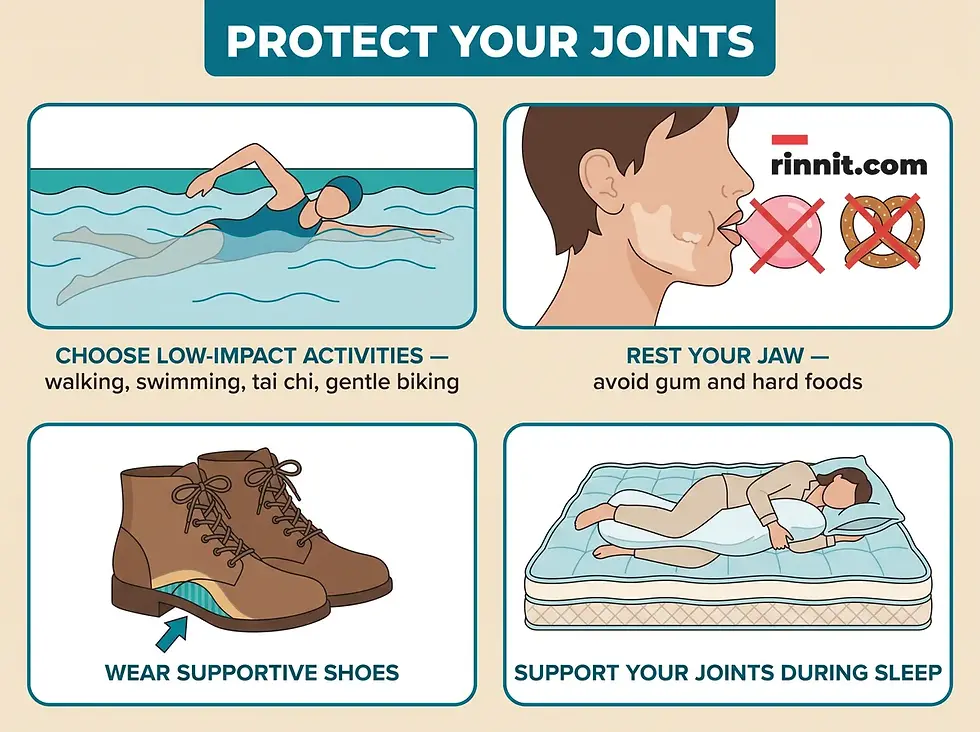
If you have EDS, protecting your joints and avoiding injury is important. Here are simple ways to stay safe. [2]
Self-care step | What to do |
Choose low-impact activities | Walking, swimming, tai chi, gentle biking, or an elliptical or stationary bike; avoid contact sports, weightlifting, and activities that strain the hips, knees, and ankles [2] |
Rest your jaw | Avoid chewing gum and hard foods such as ice or crusty bread; take breaks during long dental visits [2] |
Wear the right shoes | Supportive footwear such as laced boots with good arch support prevents ankle sprains; ask your care team about shoe inserts [2] |
Support joints during sleep | Use a body pillow or a firm mattress with extra cushioning; sleeping on your side may help [2] |
Coping and support
Living with a lifelong condition can be hard. You may face challenges at home, at work, or in your relationships. A few things can help. [2]
Learning about your condition puts you in the driver's seat: the more you know about EDS, the better you can manage it. Find a healthcare professional who has experience treating people with EDS. Let your family, friends, and employer know about your condition, and ask your employer about adjustments that could make your job easier. Stay close to people who are kind and supportive. Talking with a counselor, therapist, or faith leader can help, and support groups, in person or online, connect you with others who understand what you are going through. Patient resources are also available from The Ehlers-Danlos Society. [2]
If your child has EDS, try to keep daily life as normal as possible and ask other adults, such as grandparents, teachers, and coaches, to do the same. Let your child share feelings; it is OK for them to feel frustrated, angry, or upset. Make sure caregivers and teachers know about the condition and what to do if your child gets hurt. Encourage joint-friendly activities such as swimming, and avoid contact sports. [2]
Preventing EDS from being passed on
If you have EDS or a family history of the condition and you are thinking about having children, consider talking with a genetic counselor. Genetic counselors help people understand how conditions such as EDS run in families. They can explain the type of EDS you have, how likely it is to be inherited, and what that might mean for you and your future children. [1]
Preparing for your appointment
You will likely start by talking with your regular healthcare professional, who may refer you to a specialist who focuses on genetic conditions. [2]
Before your appointment, it helps to write down the symptoms you have been having and when they started, whether any blood relatives have had similar symptoms, whether any blood relatives have died from a blood vessel or organ rupture, and all medicines and supplements you take regularly. [2]
Your healthcare professional may ask whether any of your joints are very flexible, whether your skin is extra stretchy, and whether you heal slowly or have wide scars after injuries. [2]
Conclusion
Ehlers-Danlos syndrome is a group of inherited conditions that weaken the body's connective tissues, affecting the skin, joints, blood vessels, and organs. The common forms, hypermobile and classical EDS, cause flexible joints, stretchy and fragile skin, and easy bruising, and their symptoms can usually be managed. The rare vascular type is different: it can cause blood vessels and organs to rupture without warning, which makes careful monitoring and early planning essential. [1]
There is no cure, but a team-based approach works. Physical therapy strengthens the muscles that stabilize loose joints, everyday pain management keeps discomfort in check, blood pressure control protects fragile vessels, and low-impact activities, supportive footwear, and good sleep habits protect joints day to day. [2]
Next steps: If you or your child shows signs of EDS, the best next step is a conversation with your healthcare professional. If vascular EDS runs in your family, genetic counseling before pregnancy is strongly advised.
Frequently asked questions
What is Ehlers-Danlos syndrome and what causes it?
Ehlers-Danlos syndrome is a group of inherited conditions that affect the body's connective tissues, which provide support and flexibility to the skin, joints, blood vessels, and organs. It is caused by changes in certain genes that affect how the body makes or uses collagen, the key protein that gives strength and structure to these tissues. Most types are passed from a parent to a child. [1]
How many types of EDS are there?
There are 13 types of EDS. The most common are hypermobile EDS (hEDS) and classical EDS, which together account for about 90% of people diagnosed. The most serious type is vascular EDS, a rare form that weakens blood vessels and can cause life-threatening ruptures. [1]
Can EDS be diagnosed with a genetic test?
For some types of EDS, yes: a blood or saliva test can find the gene change that causes the condition. But for hypermobile EDS, the most common form, there is no genetic test available, because its genetic cause is not fully understood. In that case, the diagnosis is based on symptoms and exam results. [2]
Is there a cure for Ehlers-Danlos syndrome?
No. There is no cure for EDS, but treatment can help manage symptoms and lessen the risk of serious complications. Treatment may include physical therapy to strengthen the muscles around joints, pain relievers, blood pressure control, braces or supports, and in some cases surgery to repair damaged joints or ruptured vessels. [2]
What self-care steps help protect joints with EDS?
Choose low-impact activities such as walking, swimming, tai chi, and gentle biking, and avoid contact sports and weightlifting. Rest your jaw by avoiding gum and hard foods. Wear supportive shoes with good arch support. And support your joints during sleep with a body pillow or a firm, cushioned mattress. [2]
This article is for general education and is not a substitute for professional medical advice, diagnosis, or treatment. Always consult a qualified healthcare professional about your individual situation.
Related Reading
Learn more in our guide to Beighton Score: How Joint Hypermobility Is Measured and What Your Score Means.
References
Mayo Clinic Staff. Ehlers-Danlos syndrome: Symptoms and causes. Mayo Clinic. Accessed October 14, 2026. https://www.mayoclinic.org/diseases-conditions/ehlers-danlos-syndrome/symptoms-causes/syc-20362125
Mayo Clinic Staff. Ehlers-Danlos syndrome: Diagnosis and treatment. Mayo Clinic. Accessed October 14, 2026. https://www.mayoclinic.org/diseases-conditions/ehlers-danlos-syndrome/diagnosis-treatment/drc-20362149
The Ehlers Danlos Society. Home. The Ehlers Danlos Society. Accessed October 14, 2026. https://www.ehlers-danlos.com
Doolan BJ, Lavallee ME, Hausser I, et al. Extracutaneous features and complications of the Ehlers-Danlos syndromes: A systematic review. Front Med (Lausanne). 2023;10:1053466. PMID 36756177. https://doi.org/10.3389/fmed.2023.1053466
Kulin D, Holtmann G, Fairlie T, et al. Meta-Analysis: Chronic Gastrointestinal Symptoms and Comorbidities in Hypermobile Ehlers-Danlos Syndrome and Hypermobility Spectrum Disorders. Aliment Pharmacol Ther. 2026;64(5):574-589. PMID 42437376. https://doi.org/10.1111/apt.70856
Spanhove V, De Wandele I, Malfait F, Calders P, Cools A. Home-based exercise therapy for treating shoulder instability in patients with hypermobile Ehlers-Danlos syndrome/hypermobility spectrum disorders. A randomized trial. Disabil Rehabil. 2023;45(11):1811-1821. PMID 35609204. https://doi.org/10.1080/09638288.2022.2076932



Comments