Dental Restorations: Restoring Oral Health and Function

Updated: 2 days ago
Medically reviewed by Dr. Baraa Alnahhal, MD · Last reviewed: September 2026
Quick answer
Dental restorations are a variety of procedures used by dentists to fix teeth that are decayed, broken, or missing. By using materials like composite resin, porcelain, or titanium, these treatments restore the structure and function of the teeth. The primary goal is to ensure long-term oral health while improving your ability to chew and speak comfortably.
TL;DR
Dental restorations focus on repairing or replacing damaged or missing teeth to restore full oral function. Common procedures include fillings, crowns, and implants, which help eliminate pain and improve the ability to eat and speak. Most treatments have minimal recovery time and offer long-lasting benefits for oral health.
The role of restorative dentistry
Restorative dentistry is a specialized field focused on the repair and replacement of teeth to ensure optimal oral health. Unlike cosmetic dentistry, which primarily addresses the appearance of a smile, restorative procedures prioritize the functional aspects of chewing and speaking. By addressing issues such as cavities and fractures early, patients can avoid more complex infections and maintain their natural teeth for longer.
Feature | Restorative dentistry | Cosmetic dentistry |
Primary focus | Health and function | Aesthetic appearance |
Common goals | Chewing, speaking, pain relief | Uniformity, whiteness, smile design |
Key procedures | Fillings, crowns, bridges, implants | Veneers, whitening, bonding |
Urgency | Often necessary for health | Usually elective |
Common types of restorations
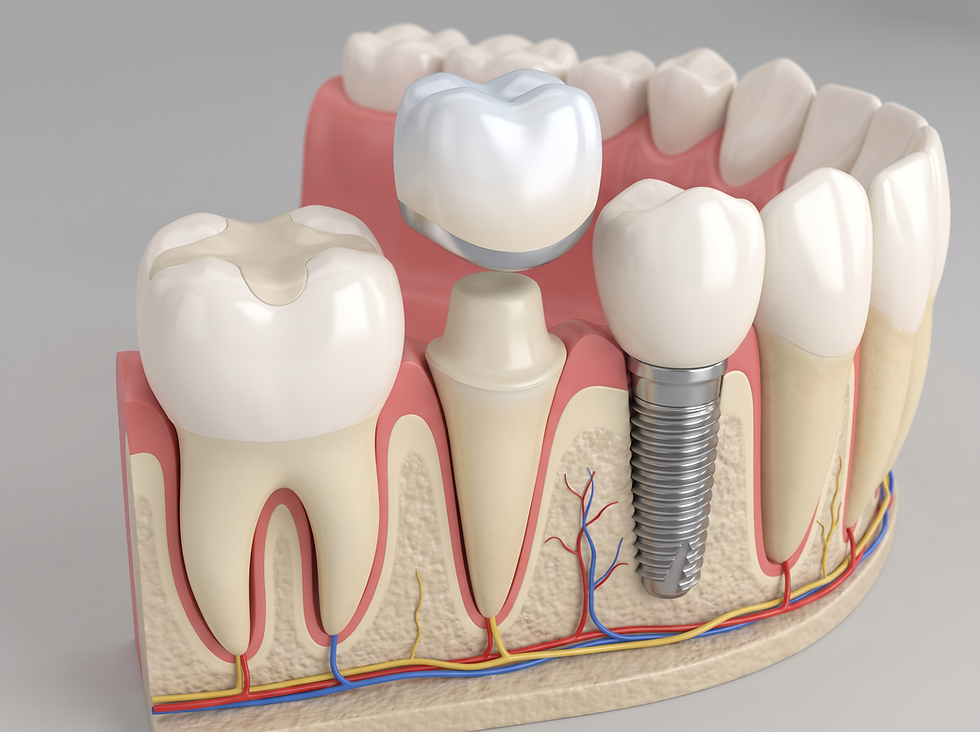
There are several methods available to restore a tooth’s integrity, depending on the extent of the damage. For minor decay, simple fillings are used to seal cavities. More significant damage may require a crown to provide structural support, while missing teeth can be replaced with bridges or dental implants. Each option is tailored to the patient’s specific needs to provide the most durable and functional result possible.
The treatment process
The process for a dental restoration varies significantly depending on the complexity of the procedure. While a filling can often be completed in a single visit with immediate recovery, more advanced options like implants may require multiple stages and a few days of healing. Dentists prioritize patient comfort, often utilizing local anesthesia to ensure a pain-free experience during the restoration.
Restoration type | Typical application | Recovery expectation |
Fillings | Small cavities and minor decay | Immediate return to activity |
Crowns | Large cavities or broken teeth | Minimal sensitivity for 1-2 days |
Implants | Replacement of missing tooth roots | A few days for initial healing |
Bridges | Spanning gaps between missing teeth | 1-2 days of adjustment |
Benefits and long-term outlook
Undergoing a dental restoration offers numerous advantages beyond simple repair. It eliminates chronic dental pain, reduces the risk of future infections, and significantly improves the overall appearance of the smile. With proper care, including regular check-ups and good oral hygiene, these restorations can last for many years, providing a reliable and functional smile for the long term.

Recovery and maintenance
Recovery from most dental restorations is swift, with patients often returning to their normal routines shortly after treatment. Maintaining the success of a restoration requires a commitment to excellent oral hygiene, including twice-daily brushing and regular flossing. It is also essential to visit a dentist for routine cleanings to ensure the restoration remains secure and effective.

Conclusion
Dental restorations are essential tools for maintaining a healthy and functional smile throughout a lifetime. By utilizing modern materials and techniques, dentists can effectively repair damage and replace missing teeth with results that are both durable and natural-looking. Prioritizing these treatments not only enhances oral health but also contributes significantly to a person’s overall well-being and confidence.
Your next step: schedule a consultation with your dentist to assess any damaged or missing teeth.
Next steps
Schedule a consultation: visit your dentist to assess any damaged or missing teeth.
Review treatment options: discuss the benefits of fillings, crowns, or implants for your specific needs.
Plan for the procedure: arrange for any necessary time off if undergoing more complex treatments like implants.
Follow post-op care: adhere strictly to all instructions provided by your dental team after the procedure.
Maintain oral hygiene: commit to a rigorous routine of brushing, flossing, and regular dental check-ups.
Frequently asked questions
What is restorative dentistry?
It is a branch of dentistry focused on repairing or replacing damaged and missing teeth.
How does it differ from cosmetic dentistry?
Restorative dentistry prioritizes health and function, while cosmetic dentistry focuses on appearance.
What is the difference between a filling and a crown?
A filling repairs small cavities, while a crown covers the entire tooth for larger damage.
What are dental implants?
They are permanent posts that replace missing tooth roots and support crowns or bridges.
How does a dental bridge work?
A bridge uses artificial teeth to span a gap, anchored by crowns on the adjacent natural teeth.
What are dentures?
Dentures are removable or implant-supported replacements for an entire arch of missing teeth.
How long is the recovery time?
It varies from immediate (fillings) to a few days (implants or complex surgeries).
Are there any risks involved?
Possible risks include temporary sensitivity, discomfort, or, very rarely, infection.
Do I need a root canal for every cavity?
No, only if the decay reaches the pulp or nerve of the tooth.
What are inlays and onlays?
These are custom restorations used when a cavity is too large for a filling but too small for a crown.
Can restorations fix broken teeth?
Yes. Procedures like bonding or crowns are highly effective at repairing fractures.
Are dental implants better than bridges?
Many consider implants the gold standard as they don’t require altering adjacent natural teeth.
How do I maintain my restorations?
Practice good oral hygiene and attend regular dental check-ups and cleanings.
What should I do if a crown feels loose?
Contact your dentist immediately to have it adjusted or rebonded.
Do dental restorations look natural?
Yes. Modern materials like porcelain and composite resin are designed to match natural teeth.
External references
Disclaimer: This content is for informational purposes only and does not constitute medical advice. Always seek the advice of a qualified healthcare provider or emergency services in a medical crisis.
Comments