Coronary Arteries: The Lifelines of the Heart

Updated: 20 minutes ago
Medically reviewed by Dr. Baraa Alnahhal, MD · Last reviewed: September 2026
TL;DR
Coronary arteries are the primary blood vessels responsible for supplying oxygen-rich blood to the heart muscle. Originating from the aorta, these arteries ensure the heart has the energy required to pump blood throughout the entire body. Maintaining their health is critical for preventing conditions like coronary artery disease and heart attacks.
Quick Answer
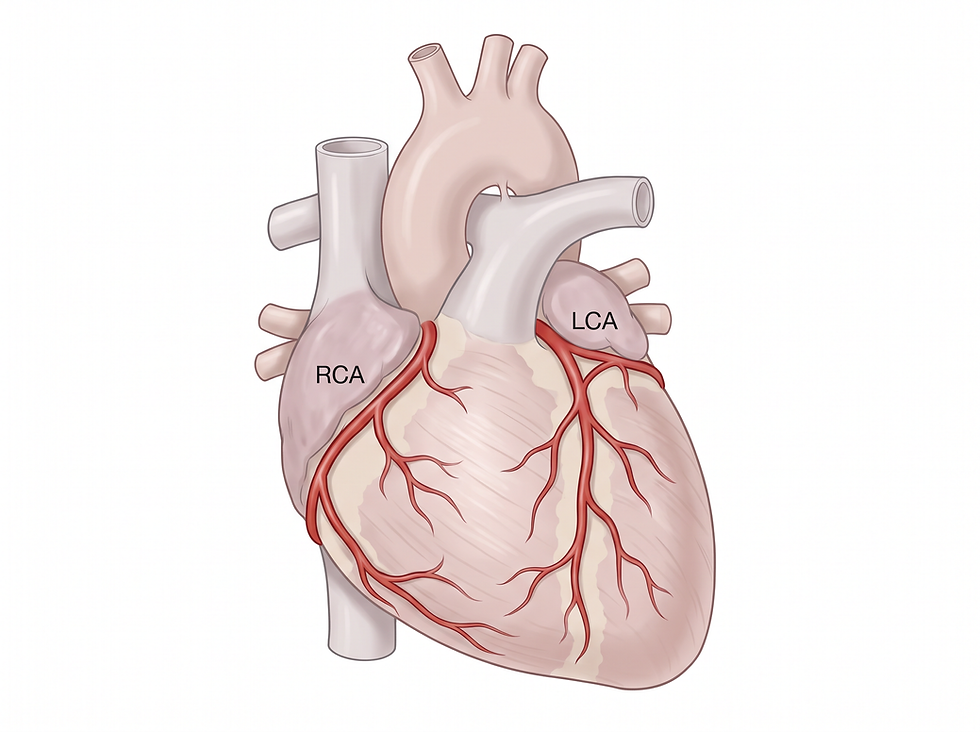
Coronary arteries are major blood vessels that branch off the aortic root to provide a constant supply of oxygenated blood to the heart muscle (myocardium). The system consists of two main vessels: the Right Coronary Artery (RCA) and the Left Main Coronary Artery (LMCA), each serving specific chambers and electrical nodes of the heart. Blockages in these arteries, often due to plaque buildup (atherosclerosis), are the leading cause of heart attacks and coronary artery disease. Symptoms like chest pain (angina) or shortness of breath often signal underlying arterial issues that require medical evaluation.
The heart is an extraordinary muscle that functions as the body's central pump, but it cannot perform this vital task without a dedicated fuel supply. This fuel—oxygen-rich blood—is delivered through the coronary arteries. These vessels are the first to branch off the aorta, ensuring the heart receives the highest quality blood before it is distributed to the rest of the body. Understanding the anatomy and function of these arteries is essential for recognizing the risks associated with cardiovascular health.
Function and Physiological Role
The fundamental purpose of the coronary arteries is to sustain the heart's continuous beating. Because the heart muscle is highly active, it requires a significant and uninterrupted flow of oxygen. The coronary system is divided into two primary branches, each responsible for specific anatomical regions and physiological functions.
The Right Coronary Artery (RCA) primarily serves the right side of the heart, including the right atrium and ventricle. Crucially, it typically supplies blood to the sinoatrial (SA) and atrioventricular (AV) nodes, which are the heart's natural pacemakers responsible for electrical signaling. The Left Main Coronary Artery (LMCA) focuses on the left side, providing blood to the left atrium and ventricle, which are responsible for pumping oxygenated blood to the entire body.
Artery Branch | Primary Areas Supplied | Key Physiological Role |
|---|---|---|
Right Coronary Artery (RCA) | Right atrium, right ventricle, SA/AV nodes. | Powers electrical signaling and right-side pumping. |
Left Main Coronary Artery (LMCA) | Left atrium, left ventricle, septum. | Supports systemic circulation and high-pressure pumping. |
Anatomy and Structural Variations
Coronary arteries are located both on the surface of and deep within the heart muscle. They originate at the aortic root, the very beginning of the aorta as it exits the left ventricle. While the general structure is consistent, the specific layout of these arteries can vary significantly between individuals. For example, while the RCA usually powers the heart's electrical nodes, approximately 10% of the population receives this supply from the LMCA instead.
Structurally, the main coronary arteries are relatively small, typically measuring between 3 and 4 millimeters in diameter—roughly the width of a drinking straw. These dimensions can be influenced by factors such as sex, body weight, and ethnicity. In most cases, these arteries are cushioned by a layer of fat, though in some anatomical variants, they may be embedded directly within the myocardium.
Conditions and Clinical Significance
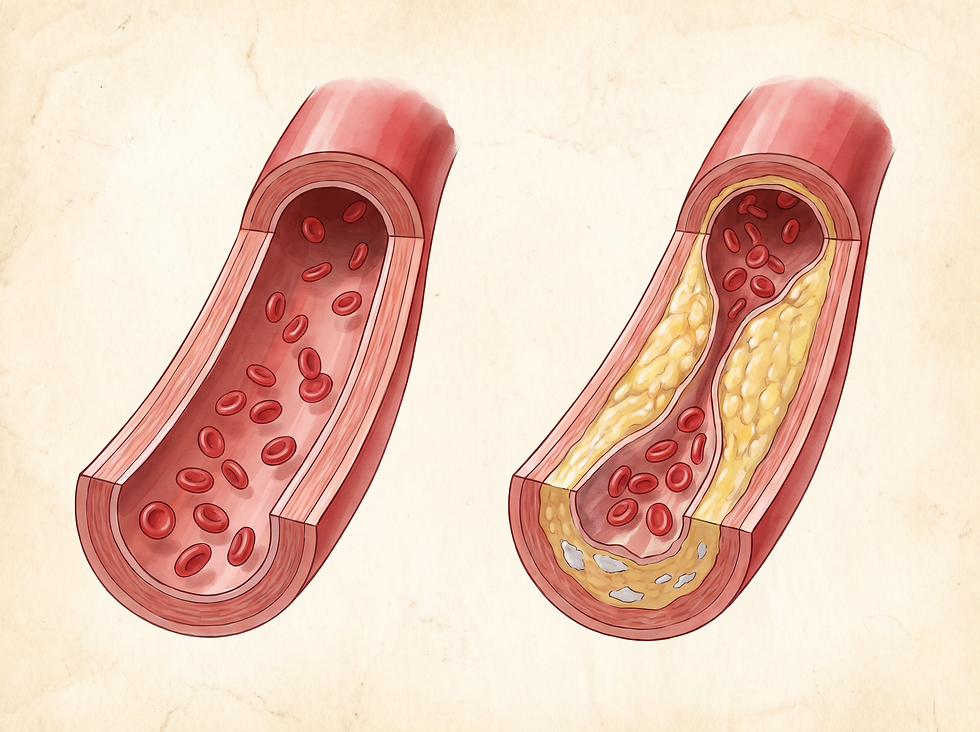
The most prevalent threat to these vessels is Coronary Artery Disease (CAD), which is the leading form of heart disease in the United States. CAD typically arises from atherosclerosis, a process where plaque builds up inside the arterial walls, narrowing the passage for blood flow. When these vessels become significantly clogged, the heart muscle is starved of oxygen, which can result in a heart attack.
Other conditions affecting the coronary system include acute coronary syndrome, which involves a sudden loss of blood flow, and less common issues like aneurysms or coronary artery spasms. Congenital anomalies, though present in less than 1% of the population, can also impact how these vessels function from birth.
Condition | Description | Common Symptoms |
|---|---|---|
Coronary Artery Disease | Chronic plaque buildup (atherosclerosis). | Chest pain (angina), shortness of breath. |
Acute Coronary Syndrome | Sudden, severe reduction in blood flow. | Intense chest pressure, cold sweats. |
Coronary Spasm | Temporary tightening of the arterial muscles. | Recurrent chest pain at rest. |
Care, Prevention, and Maintenance
Maintaining the health of the coronary arteries is a lifelong commitment to cardiovascular wellness. While some risk factors are genetic, many can be managed through proactive lifestyle choices. Medical procedures such as angioplasty are available to treat existing blockages, but prevention remains the most effective strategy for long-term heart health.
Heart-Healthy Nutrition: Prioritizing foods low in saturated fats and high in fiber helps reduce the raw materials that form arterial plaque.
Physical Activity: Regular exercise strengthens the heart muscle and improves the efficiency of blood flow through the coronary system.
Blood Pressure Management: Keeping blood pressure within a healthy range reduces the mechanical stress on arterial walls.
Tobacco and Alcohol Cessation: Avoiding smoking is one of the most significant steps one can take to prevent arterial damage and plaque formation.

Conclusion
The coronary arteries are the vital conduits that keep the heart—and by extension, the entire body—functioning. By understanding their critical role in supplying oxygen and recognizing the symptoms of potential blockages, individuals can take meaningful steps toward protecting their cardiovascular future. Through a combination of healthy habits and regular medical checkups, it is possible to maintain these lifelines and support a long, heart-healthy life.
Next Steps for Health
If you experience chest pain, unusual fatigue during exertion, or shortness of breath, consult a healthcare provider for a cardiovascular evaluation. Early detection of coronary artery issues through diagnostic imaging or stress tests can significantly improve outcomes. For those with known risk factors, working with a specialist to manage blood pressure and cholesterol levels is essential for preventing the progression of arterial disease.
Frequently Asked Questions
1. What are coronary arteries?
They are the primary blood vessels that supply oxygen-rich blood to the heart muscle.
2. Where do coronary arteries originate?
They branch off the aortic root, which is the first part of the aorta leaving the heart.
3. How many main coronary arteries are there?
There are two main branches: the Right Coronary Artery (RCA) and the Left Main Coronary Artery (LMCA).
4. What does the Right Coronary Artery do?
It supplies blood to the right side of the heart and the electrical nodes that control the heartbeat.
5. What does the Left Main Coronary Artery do?
It supplies the left side of the heart, which is responsible for pumping blood to the rest of the body.
6. How big are these arteries?
They are typically 3 to 4 millimeters in diameter, roughly the size of a drinking straw.
7. What is coronary artery disease (CAD)?
It is a condition where plaque builds up inside the arteries, narrowing them and restricting blood flow.
8. What causes plaque buildup in the arteries?
Atherosclerosis, often driven by high cholesterol, high blood pressure, and smoking, is the primary cause.
9. What are the symptoms of a blocked coronary artery?
Common symptoms include chest pain (angina), shortness of breath, and cold sweats.
10. Can you be born with abnormal coronary arteries?
Yes, though congenital anomalies affect less than 1% of the population.
11. How is a blocked artery treated?
Treatments include lifestyle changes, medications, or procedures like angioplasty to open the vessel.
12. What happens if a coronary artery is completely blocked?
A complete blockage typically results in a heart attack as the heart muscle begins to die from lack of oxygen.
13. Do coronary arteries vary between people?
Yes, anatomical variations are common, such as which artery supplies the heart's electrical nodes.
14. How does exercise help coronary arteries?
Exercise improves circulation and helps manage blood pressure, reducing stress on the arterial walls.
15. What is the most common symptom of a heart issue?
Chest pain, or angina, is the most frequently reported symptom of coronary artery problems.
References
Medical Disclaimer: This article is for informational purposes only and does not constitute medical advice. Consult a healthcare professional for diagnosis and treatment.
Comments