Argon Plasma Coagulation: Procedure, Uses, and Recovery

Updated: 3 days ago
Medically reviewed by Dr. Baraa Alnahhal, MD · Last reviewed: October 2026
Quick Answer
Argon plasma coagulation is a type of ablation therapy that uses heat to destroy abnormal tissue or stop internal bleeding, applying ionized argon gas ignited by an electrical current. [1] It is commonly used for gastrointestinal bleeding, Barrett's esophagus and tumors. [1] The minimally invasive procedure typically takes less than an hour and offers a rapid recovery period.
What the research says
For watermelon stomach (GAVE), band ligation outperformed APC in a pooled analysis. A systematic review and meta-analysis of 10 studies (476 patients) found a pooled eradication rate of 88.6% with endoscopic band ligation versus 57.9% with APC, and bleeding recurrence of 6.6% versus 39.7%. The authors concluded that band ligation should be used as the first-line endoscopic treatment, although APC remains widely used (PubMed: Garg et al., Gastrointest Endosc, 2025 [2]).
For precancerous gastric lesions, APC had low complication rates, but recurrence depended on lesion size. A systematic review and meta-analysis of 10 studies of low-grade dysplasia reported a recurrence rate of 4.5% (54 of 1,208 patients), post-procedure bleeding in 1.4%, and one perforation overall. Recurrence risk was significantly lower for lesions smaller than 1 cm (pooled HR 0.28) (PubMed: Seo et al., Surg Endosc, 2025 [3]).
In a randomized trial, APC led to modest weight loss in people regaining weight after gastric bypass. Among 55 eligible patients, total weight loss was 5.1% with APC versus 1.7% with a sham procedure. APC also reduced body fat and improved satiety, but it increased gastrointestinal symptoms (PubMed: de Moraes et al., Surg Endosc, 2026 [4]).
What is argon plasma coagulation?
Argon plasma coagulation (APC), sometimes referred to as argon photocoagulation, is a specialized medical technique utilized during endoscopic procedures. It involves the application of ionized argon gas combined with a high-frequency electrical current to targeted tissues. This process creates a thermal effect that allows healthcare providers to treat various conditions within the gastrointestinal system, lungs, and airways without making external incisions. [1]
As a form of ablation therapy, APC uses heat to destroy abnormal cells or seal damaged blood vessels. [1] The procedure is performed by specialists, typically gastroenterologists for digestive issues or pulmonologists for lung-related conditions. [1] Because it is minimally invasive, it serves as an effective alternative for patients who may not be candidates for more extensive surgical interventions.
Common Uses and Indications
Healthcare providers recommend argon plasma coagulation for a wide range of therapeutic purposes. It is particularly effective for managing chronic bleeding and addressing structural abnormalities in the digestive tract.
Clinical Indication | Description of Use |
|---|---|
Internal Bleeding | Sealing lesions such as rectal bleeding or gastric antral vascular ectasia (watermelon stomach). [1] |
Tumor Management | Reducing the size of tumors in patients who cannot undergo major surgery. |
Tissue Abnormalities | Treating Barrett's esophagus or removing polyps. [1] |
Weight Loss Revision | Tightening areas that have stretched after weight loss surgery to stop weight regain. [1] |
Airway Conditions | Addressing issues within the lungs or bronchial tubes during a bronchoscopy. |
What can you expect during an argon plasma coagulation (APC) procedure?
The experience of undergoing argon plasma coagulation depends on the specific area being treated and the type of scope used to access the internal organs.
Preparation and Pre-Procedure Steps
Preparation varies based on whether the APC is performed during a bronchoscopy, colonoscopy, or upper endoscopy. Patients are generally required to fast for several hours before the procedure. [1] For colonoscopies, a bowel preparation is necessary to clear the digestive tract. Additionally, providers may advise patients to temporarily stop taking certain medications, particularly blood thinners or aspirin, to minimize the risk of bleeding.
During the Procedure
Argon plasma coagulation is typically performed under anesthesia to ensure patient comfort. The procedure generally follows these steps:
The patient lies on a treatment table, and an intravenous (IV) line is established for anesthesia. [1]
A thin, flexible scope equipped with a camera and light is inserted through the mouth, nose, or anus. [1]
A grounding pad is placed on the patient's body to safely manage the electrical current. [1]
A catheter carrying the APC device is threaded through the scope to the target site. [1]
Ionized argon gas is released and ignited by the electrical current to treat the tissue. [1]
The entire process usually takes between 15 minutes and one hour to complete. [1]

Figure 1: The mechanism of argon plasma coagulation using ionized gas and electrical current to treat tissue.
What are recovery and possible side effects after argon plasma coagulation?
Most patients are able to return home shortly after the procedure once the effects of the anesthesia have worn off. While recovery is generally swift, some minor side effects are common.
Immediate Post-Procedure Experience
Following the procedure, patients spend time in a recovery room for monitoring. [1] Common side effects include a bloated stomach, gas pain, fatigue, and lightheadedness. [1] Because of the sedation, patients must have someone else drive them home and should avoid operating heavy machinery or drinking alcohol for at least 24 hours. Most individuals can resume their normal diet and activities the following day, though specific dietary instructions may be provided by the physician.
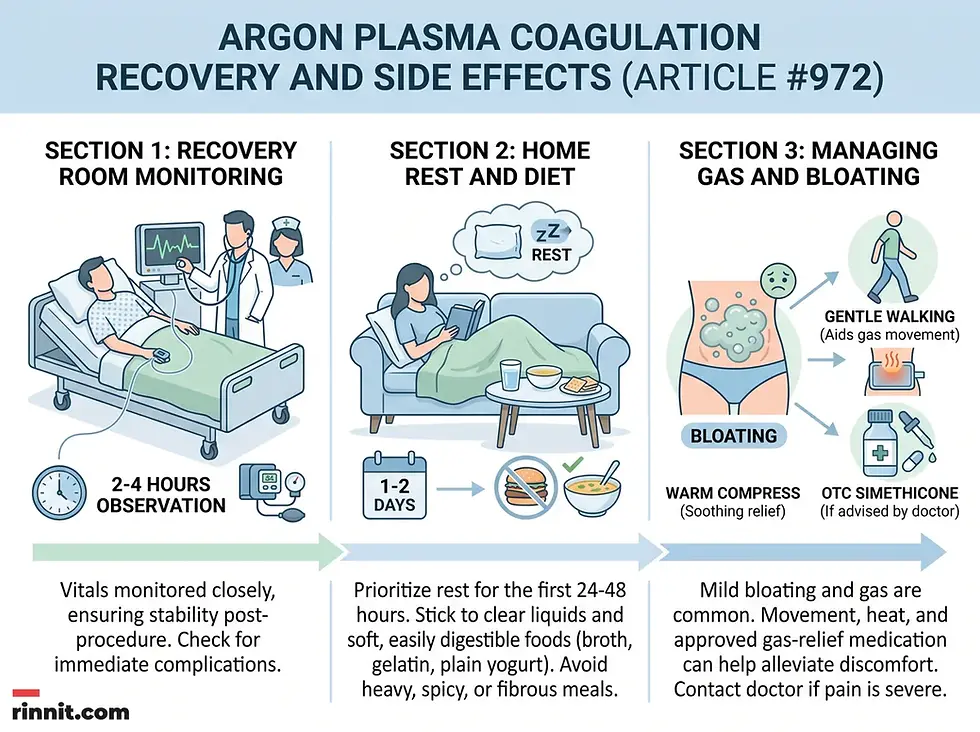
Figure 2: Essential recovery steps and common side effects following an APC procedure.
What are the risks and safety considerations of argon plasma coagulation?
Argon plasma coagulation is considered a safe and effective procedure, but like any medical intervention, it carries some potential risks.
Potential Complications
While complications are rare, they can occur. [1] These may include:
Tissue Damage: Accidental tearing of the esophagus, stomach, or intestinal walls. [1]
Structural Changes: Stenosis, or the narrowing of digestive structures, following the healing process.
Anesthesia Risks: Potential breathing or heart issues related to sedation.
Bleeding: Although APC is used to stop bleeding, the procedure itself can sometimes cause new bleeding at the treatment site. [1]
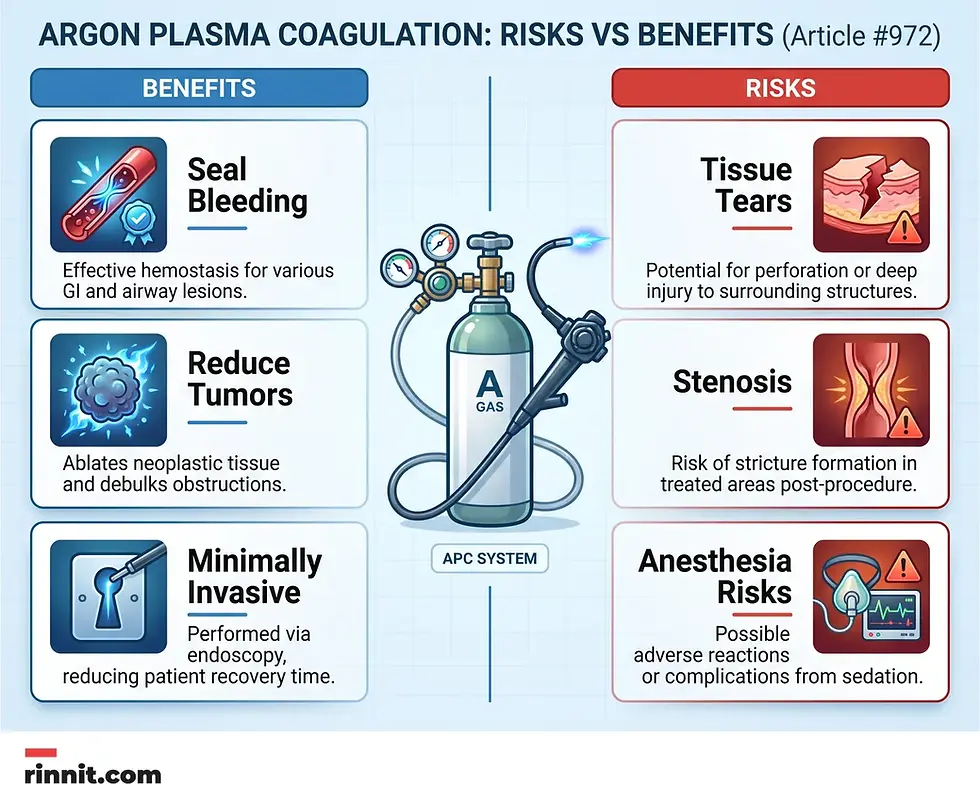
Figure 3: A comparison of the therapeutic benefits versus the potential clinical risks of APC.
Conclusion
Argon plasma coagulation is a versatile and minimally invasive tool that has revolutionized the treatment of various gastrointestinal and respiratory conditions. By utilizing ionized gas to deliver targeted heat, it provides a safe method for sealing bleeding vessels and managing abnormal growths. With a high success rate and rapid recovery time, APC remains a preferred choice for both patients and providers. Anyone experiencing chronic digestive bleeding or requiring tissue ablation should consult with a specialist to determine if this procedure is the right clinical path.
Frequently Asked Questions
1. Is argon plasma coagulation painful?
Because the procedure is performed under anesthesia or deep sedation, patients do not feel pain during the treatment. [1] Some minor discomfort, such as gas or bloating, may be felt during recovery.
2. How long does the procedure take?
An APC procedure typically lasts between 15 minutes and one hour, depending on the complexity of the condition being treated and the area of the body involved.
3. Can I drive myself home after APC?
No. Because anesthesia is used, you will be groggy and your coordination will be impaired. You must arrange for a responsible adult to drive you home and stay with you for a few hours. [1]
4. What is the difference between APC and standard ablation?
APC is a specific type of ablation therapy. While all ablation uses energy to destroy tissue, APC specifically uses ionized argon gas to deliver that energy in a non-contact, superficial manner.
5. When can I eat normally again?
Most patients can return to their usual diet the day after the procedure. Your healthcare provider will give you specific instructions if a modified diet is needed immediately following the treatment.
6. Is APC used for cancer treatment?
Yes, it can be used to reduce the size of tumors or remove precancerous lesions like Barrett's esophagus, especially when more invasive surgery is not an option.
7. Are there any long-term restrictions after APC?
Most people have no long-term restrictions and can return to their full range of activities within 24 to 48 hours.
8. What are the signs of a serious complication?
Seek immediate medical attention if you experience severe abdominal pain, chest pain, fever, chills, vomiting blood, or difficulty breathing after the procedure. [1]
9. Does APC require an overnight hospital stay?
In most cases, APC is an outpatient procedure, meaning you can go home the same day. [1]
10. How successful is APC at stopping bleeding?
APC is widely used to seal bleeding lesions, including watermelon stomach and rectal bleeding. [1] Repeat sessions are often needed, and some conditions, such as watermelon stomach, may respond better to other endoscopic techniques. [2]
11. How do I prepare for argon plasma coagulation?
Preparation depends on the route used: bronchoscopy, colonoscopy, or upper endoscopy or double-balloon enteroscopy [1]. Your team may ask you to avoid eating or drinking for several hours beforehand, to complete a bowel preparation for some routes, and to temporarily stop certain medications, including aspirin and blood thinners [1]. Sedation is given through an IV so you do not feel pain, so arrange for someone to drive you home and stay with you for a few hours, and do not drive or operate machinery afterward [1].
Related Reading
References
Cleveland Clinic. Argon Plasma Coagulation (APC): Why It's Done & Side Effects. Cleveland Clinic. Dec. 11, 2023. https://my.clevelandclinic.org/health/procedures/argon-plasma-coagulation
Garg A, Moond V, Bidani K, et al. Endoscopic band ligation versus argon plasma coagulation in the treatment of gastric antral vascular ectasia: systematic review and meta-analysis. Gastrointest Endosc. 2025;101(6):1100-1109.e13. PMID 39956467. https://doi.org/10.1016/j.gie.2025.02.014
Seo JY, Moon SJ, Lee AY, et al. Safety and feasibility of argon plasma coagulation for gastric low-grade dysplasia: a systematic review and meta-analysis. Surg Endosc. 2025;39(8):5127-5134. PMID 40634719. https://doi.org/10.1007/s00464-025-11901-3
de Moraes MB, Pereira AG, Miyamoto KK, et al. Influence of the argon plasma coagulation protocol in endoscopic procedures on body composition in patients with recurrent weight gain after Roux-en-Y gastric bypass: a randomized clinical trial. Surg Endosc. 2026;40(1):145-158. PMID 41053383. https://doi.org/10.1007/s00464-025-12247-6
Medical Disclaimer
This article is for informational purposes only and does not constitute medical advice. Always seek the advice of your physician or other qualified health provider with any questions you may have regarding a medical condition. Never disregard professional medical advice or delay in seeking it because of something you have read here.



Comments