Antispasmodics: Understanding Smooth Muscle Relaxants

Updated: 3 days ago
Medically reviewed by Dr. Baraa Alnahhal, MD · Last reviewed: October 2026
Quick Answer
Antispasmodics are medications that relax the smooth muscles of internal organs, which operate automatically. They mainly treat pain and cramping in the digestive and urinary systems, including IBS and overactive bladder, by blocking nerve signals or directly relaxing muscle fibers. [4] Most side effects are mild but can include dry mouth, dizziness and blurred vision.
What the research says
Peppermint oil outperformed placebo in IBS. In a meta-analysis of 60 studies (6,329 patients), peppermint oil improved IBS symptoms more than placebo (7 studies, RR 1.63, 95% CI 1.33–2.00) with a good safety profile, although the quality of many studies was limited. (Meyer et al., Phytotherapy Research, 2026) [1]
Antispasmodics differ in which IBS symptoms they help. A network meta-analysis of 29 randomized trials found that the alverine/simethicone combination significantly reduced abdominal pain (SMD −6.23, 95% CI −9.93 to −2.53), while otilonium bromide was associated with the largest quality-of-life gains (SMD 30.90, 95% CI 26.62 to 35.18). (Ismaiel et al., Journal of Gastrointestinal and Liver Diseases, 2026) [2]
Adding probiotics to the antispasmodic trimebutine improved results. Across 37 randomized trials (4,360 participants), trimebutine plus probiotics was more effective than trimebutine alone in IBS (OR 5.09, 95% CI 4.19–6.20), with mild adverse events such as dry mouth, nausea, and dizziness. (Yu et al., Journal of Gastroenterology and Hepatology, 2025) [3]
What are antispasmodics and what do they do?
Antispasmodics are medications designed to affect the smooth muscles within your internal organs. [4] These muscles differ from skeletal muscles because they contract automatically to manage vital bodily functions. When these contractions become irregular or excessive, they can cause significant pain and discomfort. Antispasmodics work to calm these involuntary movements, providing relief for a variety of abdominal and urinary issues.
Healthcare providers commonly use these medications to address spasms in organs like the stomach, intestines, and bladder. [4] Beyond chronic conditions, antispasmodics are also utilized during medical procedures. For example, they may be administered as an injection before a procedure to relax the digestive system and provide a mild sedative effect, ensuring a smoother process for both the patient and the medical team.
How do antispasmodics work?
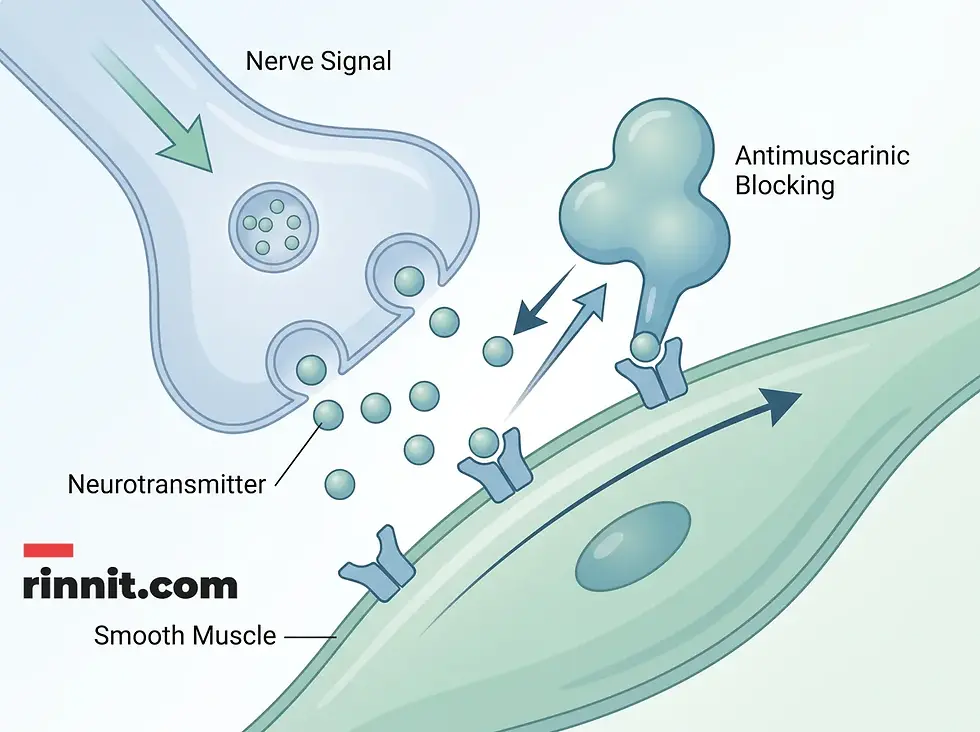
The mechanism by which antispasmodics function depends on the specific class of the drug. In the United States, the most frequently prescribed type is antimuscarinics, also known as anticholinergics. [4] These drugs interact with the parasympathetic nervous system to block chemical messages, called neurotransmitters, that tell smooth muscles to contract. [4] By interrupting these signals, the medication prevents the muscles from spasming.
Other types of antispasmodics work through different pathways. Direct smooth muscle relaxants target the muscles in the gut specifically by inhibiting the uptake of sodium and calcium, both of which are necessary for muscle contraction. While some prescription versions are only available outside the U.S., natural options like peppermint oil work through a similar direct mechanism and are widely available over the counter. [4]
Medication Type | Mechanism of Action | Common Examples |
Antimuscarinics | Block nerve signals to prevent contractions | Dicyclomine, Oxybutynin, Hyoscyamine |
Direct Relaxants | Target muscle fibers to inhibit contractions | Peppermint oil, Mebeverine (non-U.S.) |
Calcium Blockers | Limit calcium access to relax muscles | Usually for cardiovascular use in the U.S. |
What are antispasmodics used for?
Antispasmodics are versatile medications used to treat a wide range of conditions involving internal muscle spasms. They are particularly effective for gastrointestinal disorders where cramping is a primary symptom. Patients with irritable bowel syndrome (IBS) or functional dyspepsia often find relief through these drugs, as they help regulate the movement of the digestive tract and reduce pain.
In the urinary system, antispasmodics are essential for managing an overactive bladder. They help reduce the frequency and urgency of the need to urinate by calming the bladder wall muscles. Additionally, these medications can be used for other types of internal pain, such as menstrual cramps, gallbladder pain, and biliary colic [4], making them a vital tool in managing various forms of visceral discomfort.
Condition Category | Specific Applications |
Gastrointestinal | IBS, colon spasms, functional dyspepsia, pancreatitis |
Urinary | Overactive bladder, excessive urges |
Other Pain | Menstrual cramps, gallbladder pain, biliary colic |
What are the side effects of antispasmodics, and are they safe?
Antispasmodics are generally safe, but because they affect the parasympathetic nervous system, they can cause side effects in some people. Most of these effects are mild and manageable, but patients should be aware of them before starting treatment. Common side effects include dry mouth, dry eyes, and dizziness. [4] Because these drugs slow down muscle movements in the digestive tract, they can also lead to constipation in some individuals. [4]
More significant side effects can occur if a patient takes too much of the medication or has a preexisting condition. These can include urinary retention, a fast heart rate, or blurred vision. [4] It is important to discuss your full medical history with a healthcare provider, especially if you are prone to constipation or have cardiovascular issues. Anticholinergic antispasmodics are generally not used in people with narrow-angle glaucoma, trouble emptying the bladder, bowel blockage or myasthenia gravis, and older adults may be more prone to confusion. Natural options like peppermint oil have fewer side effects but can occasionally cause nausea or heartburn. [4]

How are antispasmodics different from antispastics?
Antispasmodics are often confused with antispastics because both medications are types of muscle relaxers. However, they target different muscle groups and systems. Antispasmodics act on the smooth muscles of the internal organs, which are controlled by the autonomic nervous system. [4] These muscles move without conscious effort to perform tasks like digestion and waste elimination.
In contrast, antispastics target the skeletal muscles, which are the muscles you use to move your body voluntarily. [4] Skeletal muscles are governed by the central nervous system. While both types of medication aim to reduce unwanted contractions, they are not interchangeable. Understanding which system is affected is crucial for ensuring you receive the correct treatment for your specific symptoms.

Frequently Asked Questions
What is the primary difference between an antispasmodic and an antispastic?
Antispasmodics target smooth muscles in internal organs, while antispastics target skeletal muscles used for voluntary movement.
Can I buy antispasmodics over the counter?
In the U.S., peppermint oil capsules are the only OTC antispasmodic. Most others require a prescription.
How long does it take for an antispasmodic to work?
The onset varies by medication, but many provide relief within 30 to 60 minutes of ingestion.
Are antispasmodics used for IBS?
Yes, they are frequently prescribed to help manage abdominal pain and cramping associated with IBS.
Can antispasmodics help with an overactive bladder?
Yes, they are a primary treatment for reducing the urgency and frequency of urination.
What are the most common side effects?
The most common side effects include dry mouth, dry eyes, dizziness, and mild constipation.
Do antispasmodics cause drowsiness?
Some types can cause dizziness or a mild sedative effect, especially when used during medical procedures.
Is peppermint oil an effective antispasmodic?
Yes, peppermint oil is a direct smooth muscle relaxant that can help with mild stomach cramping and bloating.
Can children take antispasmodics?
Use in children depends on the specific drug and the condition being treated; always consult a pediatrician.
Are there any natural antispasmodics besides peppermint oil?
Chamomile tea is a mild natural option that may help with intestinal or menstrual cramps.
Do these drugs affect heart rate?
Some antimuscarinic drugs can cause a fast heart rate (tachycardia) in some patients.
Can I take antispasmodics if I am pregnant?
You must consult your healthcare provider, as the safety of these drugs during pregnancy varies.
Are antispasmodics addictive?
No, antispasmodics are not considered addictive medications.
Do they interact with other medications?
Yes, they can interact with other drugs, especially those that also have anticholinergic effects.
What should I do if I miss a dose?
Follow the specific instructions provided by your pharmacist or healthcare provider regarding missed doses.
Conclusion
Antispasmodics play a critical role in managing pain and dysfunction related to the involuntary contractions of internal organs. By targeting the smooth muscles of the digestive and urinary systems, these medications offer relief for millions of people suffering from chronic conditions like IBS and overactive bladder. Whether using a prescription antimuscarinic or a natural relaxant like peppermint oil, understanding how these drugs work is the first step toward effective symptom management.
What are the next steps if you need antispasmodics?
If you are experiencing frequent abdominal pain, bladder urgency, or significant cramping, schedule an appointment with a healthcare professional. They can help determine if an antispasmodic is appropriate for your symptoms and guide you on the correct dosage and type. For mild, occasional relief, you may consider trying OTC peppermint oil capsules, but always consult a provider if your symptoms are persistent or severe.
Medical Disclaimer
This content is for informational purposes only and does not constitute medical advice. Always seek the advice of a qualified healthcare provider with any questions regarding a medical condition or treatment. Never disregard professional medical advice or delay seeking it because of something you have read here.
Related Reading
Irritable Bowel Syndrome: Symptoms, Causes, and Treatment explains IBS symptoms, triggers and the treatments that help.
Anticholinergic Drugs: Mechanisms, Uses, and Side Effects explains how anticholinergic drugs work and their common side effects.
Overactive Bladder: Symptoms, Causes, and Treatment Explained covers bladder spasms, urgency and how overactive bladder is treated.
Muscle Relaxers: Types, Uses, Side Effects and Safety Risks compares muscle relaxer types, their uses and possible side effects.
References
Meyer A, Auer J, Cascant-Ortolano L, et al. Systematic Review and Meta-Analysis: Plant-Based Therapy for Irritable Bowel Syndrome. Phytotherapy Research. 2026;40(10):5918-5950. PMID 42572206. https://doi.org/10.1002/ptr.70421
Ismaiel A, Leucuta DC, Boitos I, et al. From Visceral Pain to Emotional Distress: Comparative Effectiveness of Antispasmodics and Antidepressants in Irritable Bowel Syndrome - Systematic Review and Network Meta-analysis. Journal of Gastrointestinal and Liver Diseases. 2026. PMID 42470701. https://doi.org/10.15403/jgld-6815
Yu QX, Wang DD, Dong PJ, et al. Probiotics Combined With Trimebutine for the Treatment of Irritable Bowel Syndrome Patients: A Systematic Review and Meta-Analysis. Journal of Gastroenterology and Hepatology. 2025;40(3):677-691. PMID 39780334. https://doi.org/10.1111/jgh.16858
Cleveland Clinic. Antispasmodic Medication: Uses & Side Effects. Cleveland Clinic. Jul. 23, 2024. https://my.clevelandclinic.org/health/treatments/antispasmodics



Comments