Alcoholic Cardiomyopathy: The Heart Damage Behind Long-Term Heavy Drinking — Symptoms, Treatment, and Recovery

Updated: 2 days ago
Medically reviewed by Dr. Baraa Alnahhal, MD · Last reviewed: September 2026
Alcoholic Cardiomyopathy: The Heart Damage Behind Long-Term Heavy Drinking — Symptoms, Treatment, and Recovery
TL;DR
Alcoholic (alcohol-induced) cardiomyopathy is a type of dilated cardiomyopathy in which long-term heavy alcohol use causes the heart to stretch, enlarge, and weaken, reducing its ability to pump blood and the body's oxygen supply. It affects roughly 1%–2% of people who drink above recommended amounts, and anyone who consumes too much alcohol can develop it, even without alcohol use disorder. The first-line treatment is complete alcohol abstinence — which is enough for many people to recover — combined with beta-blockers and diuretics, and in severe cases pacemakers, valve surgery, or heart transplant. Most people who stop drinking feel better within three to six months, but people who continue heavy drinking face a poor prognosis: 40%–80% will not survive more than 10 years after diagnosis.
Quick Answer
What is alcoholic cardiomyopathy? A form of dilated cardiomyopathy where long-term heavy alcohol use stretches and enlarges the heart, weakening its pumping ability and reducing the body's oxygen supply.
Who gets it and how common is it? Anyone who consumes too much alcohol, including people without alcohol use disorder; it occurs in about 1%–2% of people who drink above recommended amounts.
What is the key risk threshold? Research shows drinking about 80 g of alcohol (roughly 5.7 standard drinks) or more daily for at least five years greatly increases risk.
Can it be reversed? In many cases, abstaining from alcohol alone is enough to recover, with most people feeling better within three to six months; the only definitive cure is heart transplant, which rarely is an option.
What Is Alcoholic Cardiomyopathy?
Alcoholic cardiomyopathy — also called alcohol-induced cardiomyopathy — is a condition where consuming too much alcohol damages your heart. The damage happens because parts of the heart stretch and enlarge. That stretching weakens the heart muscle, keeping it from pumping as well as it should. Over time, the heart cannot pump blood effectively, which reduces the body's available oxygen supply.
The condition is a type of dilated cardiomyopathy — a category of heart disease in which the heart's shape changes because its muscles stretch too much. Picture a rubber band or spring that weakens when stretched too much.
| Key fact | Detail | | --- | --- | | Medical category | Dilated cardiomyopathy (heart stretches and enlarges) | | Root cause | Long-term heavy alcohol use damaging heart muscle | | Primary effect | Weakened pumping reduces the body's oxygen supply | | Prevalence | About 1%–2% of people who drink above recommended amounts | | Who it affects | Anyone who consumes too much alcohol, even without alcohol use disorder |
Who Does It Affect?
Alcoholic cardiomyopathy can affect anyone who consumes too much alcohol, even those who do not have alcohol use disorder. However, it is more likely to happen in people with alcohol use disorders or who have genetic mutations that cause them to process alcohol more slowly.
How Does Alcoholic Cardiomyopathy Affect the Body?
The muscles that control the lower chambers of the heart — the left and right ventricles — are especially prone to stretching. These chambers do the majority of the heart's work: the right ventricle pumps blood to the lungs, and the left ventricle pumps blood to the entire body. Weakening in the muscles around the ventricles means they cannot pump as hard, which negatively affects the entire body.
The stretching also disrupts the heart's electrical system. An electrical current travels through the entire heart with every heartbeat, causing each part to squeeze in a specific sequence. The heart's shape is part of how that timing works. When parts of the heart stretch, even tiny fractions-of-a-second delays can cause the heart to beat out of sync — a problem called dyssynchrony.
Alcohol's toxic effect on the heart can also cause scar tissue to form. That scar tissue can cause potentially life-threatening arrhythmias (irregular heart rhythms).
Is It Only a Long-Term Problem?
No. While long-term effects get the most attention, there is also the potential for acute (short-term) problems — most famously holiday heart syndrome. Drinking a large quantity of alcohol in a short period has toxic effects on heart muscle that can cause fibrillation — when the chambers of the heart beat so quickly that they only twitch or quiver instead of pumping effectively. This happens in two ways:
| Type | What happens | Why it is dangerous | | --- | --- | --- | | Atrial fibrillation | The upper chambers (atria) fibrillate and not all the blood inside them gets pumped forward | Blood pools, a clot can form, and if it travels to the brain it can cause a stroke | | Ventricular fibrillation | The lower chambers (ventricles) fail to pump enough blood | You may pass out, or the heart may stop — deadly without quick action to restart it |
Ventricular fibrillation is less common in acute alcohol-induced cardiomyopathy, but it remains extremely dangerous.
What Are the Symptoms of Alcoholic Cardiomyopathy?
Many of the symptoms happen because of how the condition changes the structure of the heart. The most common symptom categories are:
| Symptom | Description | | --- | --- | | Chest pain | Especially when you are active | | Coughing | A persistent cough | | Fatigue or weakness | Ongoing tiredness | | Lightheadedness or fainting | Feeling lightheaded or passing out | | Heart palpitations | The unpleasant sensation of your heartbeat | | Neck vein changes | Increased pressure and bulging veins in your neck | | Trouble breathing | Especially when active or after lying down for more than a few minutes | | Edema | Fluid buildup and swelling, especially in feet, ankles, and lower legs | | Decreased appetite | Noticeable drop in appetite | | Muscle loss | Loss of muscle mass | | Liver changes | Swelling or hardening of the liver |
What Causes Alcoholic Cardiomyopathy?
Alcohol has toxic effects, but your body can limit the damage and break alcohol down into non-toxic forms if you do not drink too much too quickly. Consistent heavy drinking strains those protective processes — especially in the liver — making them less effective. Ultimately, the body cannot keep up with the damage across multiple organ systems, including the heart.
There is no universal limit or number of drinks that guarantees the condition will develop. However, researchers have pinpointed three behaviors that make it much more likely:
| Risk behavior | What it means | | --- | --- | | Heavy drinking | Drinking 80 g of alcohol (about 5.7 drinks) or more daily for at least five years greatly increases risk | | Frequent binge drinking | Repeated binge drinking may be enough alone; binge = 4+ drinks in one occasion for women, 5+ for men | | Genetic mutations | Some people process alcohol more slowly, so intoxication and toxic damage take fewer drinks and last longer, accumulating over time |
Recreational drugs (especially cocaine, which affects the heart) and tobacco are not causes but can make the condition worse.
How Much Drinking Is "Too Much"?
The CDC defines heavy alcohol use as more than eight drinks per week for women and more than 15 per week for men. Research shows that limiting intake to a lower amount reduces the likelihood of alcohol-related health problems, including this condition: seven drinks per week for women and 14 for men.
One standard drink equals 14 grams of pure alcohol. The table below shows what counts as one drink in different forms:
| Drink type | Alcohol by volume (ABV) | One drink equals | | --- | --- | --- | | Beer | 5% ABV | 12 fluid ounces | | Malt liquor | 7% ABV | 8 to 9 fluid ounces | | Wine | 12% ABV | 5 fluid ounces | | Liquor (bourbon, gin, rum, tequila, vodka, whiskey) | 40% ABV | 1.5 fluid ounces |
How Is Alcoholic Cardiomyopathy Diagnosed?
A doctor can diagnose the condition based on a combination of diagnostic tests, medical history, and questions about lifestyle and personal circumstances. The provider must confirm three things:
| Step | What must be confirmed | | --- | --- | | 1. Shape changes | Dilated cardiomyopathy changes the heart in very specific ways; cardiologists are trained to spot them | | 2. Other causes ruled out | Drugs (prescription or recreational), inherited or genetic conditions, immune system disorders, and more must be excluded | | 3. Chronic heavy alcohol use confirmed | After ruling out other causes, heavy alcohol use is confirmed; without it, the diagnosis becomes idiopathic dilated cardiomyopathy ("idiopathic" means the cause is unknown) |
What Tests Will Be Done?
A physical exam looks for visible symptoms such as swelling in the legs or bulging neck veins. A stethoscope is used to listen to heart and lung sounds; this condition commonly causes a crackling sound in the lungs and heart murmurs (an unusual sound in the heartbeat that can indicate a problem).
Imaging tests then document the changes in heart shape:
| Test | How it works | | --- | --- | | Echocardiogram | A device against the chest produces ultra-high-frequency sound waves to create a picture of the heart | | Electrocardiography (ECG/EKG) | Chest sensors detect the heart's electrical activity and display it as waves | | Chest X-ray | Often shows heart enlargement | | Cardiac CT scan | Computer processing assembles X-ray images into a 3-D picture of the heart | | Heart MRI | Images generated using an extremely powerful magnet and computer processing |
Some of these tests may use contrast materials or tracers injected into the bloodstream to reveal blood flow blockages that would otherwise be very hard to see.
How Is Alcoholic Cardiomyopathy Treated?
Treatment starts with helping you reduce alcohol intake or stop drinking entirely. That process often involves supportive care that prevents — or at least reduces the impact of — alcohol withdrawal symptoms, because some withdrawal symptoms can be severe or even life-threatening. A provider can also connect you with resources and refer you to specialists who can help you reduce or stop drinking.
In many — if not most — cases, abstaining from alcohol can be enough to recover. People who do not recover fully by abstaining will still usually see noticeable improvement, and some improve even by reducing intake to light or moderate levels. However, not drinking at all remains the best course of action whenever possible.
Medications and Devices
| Treatment | Purpose | | --- | --- | | Beta-blockers | For heart rhythm and blood pressure issues | | Diuretics | Help the body get rid of excess fluid and swelling | | Heart rhythm medications | Treat rhythm problems; often needed indefinitely if recovery is incomplete | | Pacemaker or implantable device | For more severe heart rhythm problems | | Surgery | To repair damage to the heart's valves |
Is There a Cure?
The only way to cure alcoholic cardiomyopathy is a heart transplant. However, this is usually not an option because so few hearts are available from organ donors. Transplant programs have very strict list requirements to qualify, and abstaining from alcohol is almost always on those lists.
How Should Diet Change?
Complete abstinence from alcohol is the key recommendation. Providers also typically recommend limiting sodium (salt) and cholesterol intake and ensuring the diet provides all essential nutrients, because vitamin and mineral deficiencies are more common in chronic heavy drinkers. Heart-healthy diets such as the Mediterranean diet or the DASH diet are suggested.
How Soon After Treatment Will You Feel Better?
In general, most people who stop drinking will feel better over the next three to six months. Certain symptoms may improve sooner, depending on treatments and case severity. In more severe or complicated cases, especially those involving surgery, some symptoms may not improve for even longer.
What Is the Outlook?
The outlook depends strongly on alcohol history. The condition tends to be worse the more you drink and the longer you were a heavy drinker. Other health problems — especially those connected to alcohol use — can also affect the outcome.
Your outlook tends to be better if you can stop drinking entirely, and even reducing to light or moderate levels is better than continuing to drink heavily. Medications and surgery can also improve outcomes.
For many people, abstaining from alcohol can lead to a full recovery, especially in less severe cases. For others, the effects may be life-long. Even transplant recipients with a history of alcoholic cardiomyopathy are more likely to face other health problems down the road.
The condition can be fatal, especially when more severe, leading to deadly problems such as heart attack, stroke, or heart failure. Between 40% and 80% of people who continue to drink heavily will not survive more than 10 years after receiving this diagnosis.
How Can You Prevent or Reduce Your Risk?
The best way to reduce your risk of developing alcoholic cardiomyopathy is to drink only in moderation — which is especially true if you have any condition that affects how your body processes alcohol. The only way to completely prevent it is not to drink alcohol at all.
| Prevention step | Detail | | --- | --- | | Drink in moderation | No more than 14 drinks per week for men, 7 per week for women | | Avoid binge drinking | Binge = 4+ drinks in one occasion for women, 5+ for men | | Avoid alcohol entirely | The only complete prevention | | Avoid heart-stressing substances | Recreational drugs (especially cocaine) and tobacco make outcomes worse | | Know your genetics | Some people process alcohol more slowly and accumulate damage faster |
Living With Alcoholic Cardiomyopathy
The most important thing you can do to help yourself is to quit alcohol if at all possible. If quitting is not possible, the next best thing is reducing drinking to moderate or light levels — the less alcohol you drink, the better. Moderate drinking means no more than 14 drinks a week for men or 7 drinks a week for women.
You should also follow your doctor's guidance on any treatments, including taking medication as instructed and eating a healthy diet. In general, talk to your healthcare provider if you notice changes in symptoms over time, especially if they start affecting your normal life and routine.
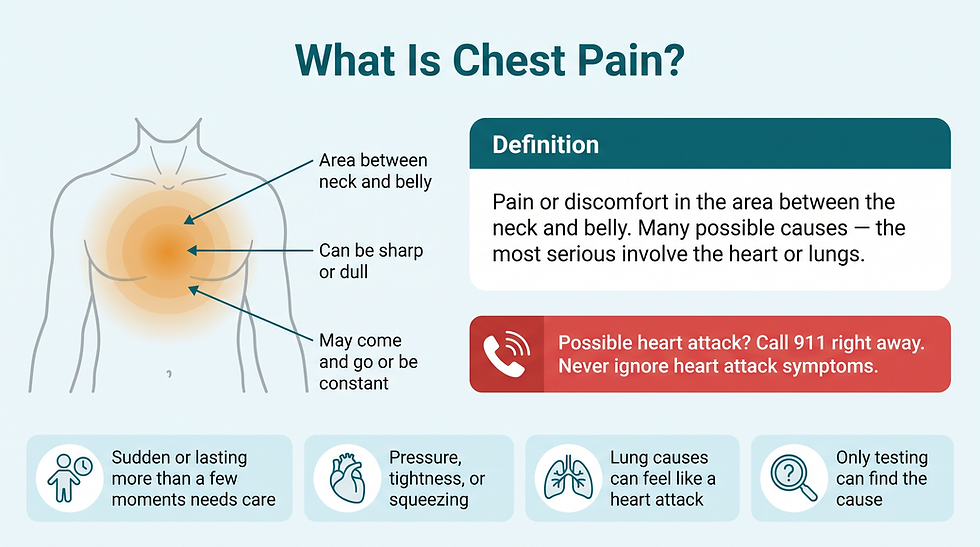
When to go to the ER: call for emergency care if you experience chest pain (angina), heart palpitations, or passing out — or nearly passing out — repeatedly.
Conclusion
Alcoholic cardiomyopathy is one of the clearest examples of a heart condition where the patient has extraordinary control over the outcome. The heart damage is driven by a single, identifiable behavior — long-term heavy drinking — and in many cases, simply stopping that behavior allows the heart to recover, often within three to six months. The risk threshold is concrete: about 5.7 drinks daily for five or more years substantially raises the danger, and continued heavy drinking after diagnosis carries a 40%–80% risk of death within ten years.
Your call to action: if you drink heavily and notice fatigue, breathlessness, leg swelling, chest discomfort, or an irregular heartbeat, book an appointment with a healthcare provider and be honest about your alcohol intake — it is the key to an accurate diagnosis. If you are diagnosed, the strongest step you can take today is to stop drinking entirely and ask about a withdrawal safety plan, beta-blockers, and diuretics. Never attempt to manage withdrawal alone; severe withdrawal symptoms can be life-threatening. If you are currently experiencing chest pain, palpitations, or repeated fainting, seek emergency care immediately.
Questions to Ask Your Provider
How much has my heart changed in size and function, and what did the echocardiogram show?
Have other causes of dilated cardiomyopathy been ruled out?
Which medications do I need, and will I need them long-term?
What support is available to help me stop drinking safely, given that withdrawal can be life-threatening?
Do I need a pacemaker, implantable device, or valve surgery?
Should I follow a low-sodium, heart-healthy diet such as the Mediterranean or DASH diet?
What symptoms mean I should go to the emergency room?
Am I a candidate for a heart transplant if my heart does not recover, and what does qualifying require?
Frequently Asked Questions
What is alcoholic cardiomyopathy in simple terms? Alcoholic cardiomyopathy is heart damage caused by long-term heavy drinking. Alcohol makes parts of the heart stretch and enlarge, weakening the muscle so the heart cannot pump blood — and oxygen — as effectively as it should. It is a type of dilated cardiomyopathy.
How common is alcoholic cardiomyopathy? It is relatively uncommon, occurring in about 1% to 2% of people who consume more than the recommended amounts of alcohol. It can affect anyone who drinks too much, even people without alcohol use disorder.
How many drinks cause alcoholic cardiomyopathy? There is no universal number, but research shows that drinking 80 g of alcohol (about 5.7 standard drinks) or more daily for at least five years greatly increases the risk. Repeated binge drinking (4+ drinks at once for women, 5+ for men) may also be enough to raise risk.
What are the first signs of alcoholic cardiomyopathy? Early signs commonly include fatigue, coughing, chest pain when active, heart palpitations, and trouble breathing during activity or after lying down. Fluid buildup in the feet, ankles, and lower legs (edema) and bulging neck veins often follow as the heart weakens.
Can alcoholic cardiomyopathy be reversed by quitting drinking? In many — if not most — cases, abstaining from alcohol is enough for people to recover. Most people who stop drinking feel better within three to six months, though some cases require ongoing medication, devices, or surgery.
What medications treat alcoholic cardiomyopathy? Treatment typically includes beta-blockers for heart rhythm and blood pressure problems, and diuretics to help the body remove excess fluid and swelling. Heart rhythm medications are often needed indefinitely if recovery is incomplete.
Is alcoholic cardiomyopathy fatal? It can be. Severe cases lead to deadly problems such as heart attack, stroke, or heart failure. Between 40% and 80% of people who continue to drink heavily will not survive more than 10 years after diagnosis, which makes quitting alcohol the single most important factor in survival.
Can you drink again after alcoholic cardiomyopathy? The best course of action is not drinking at all whenever possible. Some people improve even by reducing to light or moderate levels (no more than 14 drinks a week for men, 7 for women), but not drinking at all gives the best chance of recovery and the best long-term outlook.
Related Reading
Explore more in-depth guides on this topic:
References
StatPearls. Alcoholic Cardiomyopathy. Updated 2021: https://www.ncbi.nlm.nih.gov/books/NBK513322/
Fernández-Solà J. The effects of ethanol on the heart: alcoholic cardiomyopathy. Nutrients. 2020;12(2):572: https://www.ncbi.nlm.nih.gov/pmc/articles/PMC7071520/
Centers for Disease Control and Prevention. Alcohol use and your health: https://www.cdc.gov/alcohol/fact-sheets/alcohol-use.htm
National Institute on Alcohol Abuse and Alcoholism. What is a standard drink?: https://www.niaaa.nih.gov/alcohols-effects-health/overview-alcohol-consumption/what-standard-drink
MedlinePlus. Dilated cardiomyopathy: https://medlineplus.gov/ency/article/000168.htm
StatPearls. Holiday Heart Syndrome. Updated 2021: https://www.ncbi.nlm.nih.gov/books/NBK537185/
Lakdawala NK, Stevenson L, Loscalzo J. Chapter 254: Cardiomyopathy and Myocarditis. In: Harrison's Principles of Internal Medicine, 20e. McGraw Hill; 2018.
This article is provided for general informational purposes only and is not a substitute for professional medical advice, diagnosis, or treatment. Always seek the advice of a qualified healthcare provider with any questions regarding a medical condition. Never disregard professional medical advice or delay seeking it because of something you have read here.


Comments