A Comprehensive Guide to Prosthetic Eyes: Restoration and Care

Updated: 2 days ago
Medically reviewed by Dr. Baraa Alnahhal, MD · Last reviewed: September 2026
A prosthetic eye, or ocular prosthesis, is a wearable medical device designed to simulate the appearance of a natural eye and fill the space left by missing eye tissue. Beyond its aesthetic value, it plays a critical role in maintaining the health and structure of the eye socket. The process involves surgical preparation, custom crafting by a specialist, and a commitment to long-term maintenance to ensure a five-year lifespan.
Quick answer: A prosthetic eye is a custom-built medical insert that replaces the appearance of a missing natural eye. It is used by individuals who have lost eye tissue due to injury, illness, or congenital conditions. These devices restore facial symmetry and protect the sensitive tissues of the eye socket. Modern prosthetics are typically made of high-quality acrylic, custom-painted to match the remaining eye, and can last up to five years with proper care.
Understanding the Ocular Prosthesis
An ocular prosthesis is more than a cosmetic enhancement; it is a functional medical tool that restores the natural contours of the face. For individuals who have lost an eye to trauma, disease, or were born with conditions like microphthalmia, these devices provide a sense of normalcy and confidence. By filling the void in the eye socket, the prosthesis prevents the surrounding tissues from collapsing and protects the area from external irritants.
The psychological impact of a prosthetic eye is significant. Restoring a natural appearance can alleviate the anxiety and self-consciousness often associated with limb or tissue loss. Modern technology allows for highly realistic designs that mimic the color, blood vessel patterns, and even the subtle movements of the natural eye, making the prosthesis nearly indistinguishable in many social settings.
Types of Artificial Eye Solutions
Depending on the extent of tissue loss and the specific needs of the patient, several types of artificial eye devices may be utilized.
Device Type | Description | Primary Use Case |
Ocular Prosthesis | The standard "artificial eye" that simulates the front of the eye. | Full replacement of missing eye tissue. |
Scleral Shell | A thin prosthetic that fits over an existing, non-functional eye. | For those who still have partial eye tissue (e.g., phthisis bulbi). |
Prosthetic Contact Lens | A specialized lens designed to hide corneal disfigurement. | Enhancing appearance or managing light sensitivity. |
Conformer | A temporary acrylic device used immediately after surgery. | Maintaining socket shape and preventing scar tissue during healing. |
Orbital Prosthesis | A larger silicone device that includes eyelids and lashes. | Extensive tissue loss involving the surrounding eye area. |
The Journey to a New Eye
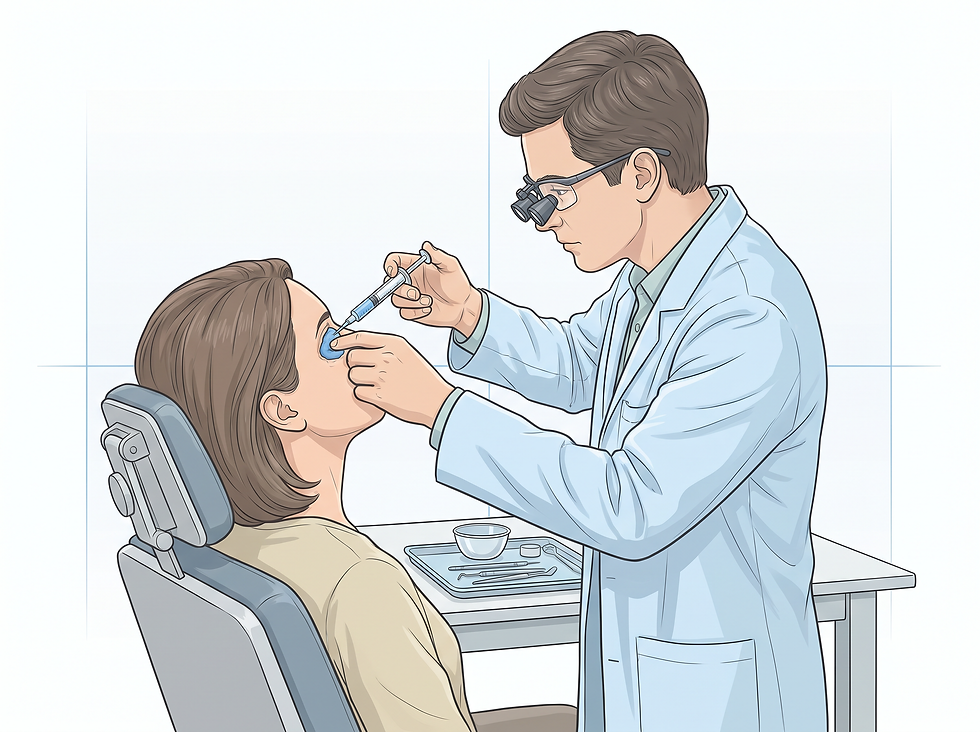
The process of receiving a prosthetic eye is a multi-stage medical journey that requires collaboration between ophthalmologists and ocularists.
Surgical Preparation: The first step involves removing the damaged eye tissue through procedures like evisceration or enucleation. During this surgery, a permanent implant is typically placed deep in the socket to maintain its volume.
Initial Healing: A temporary conformer is inserted to support the socket while the surgical site heals, a process that can take several weeks to months.
Custom Impression: Once healed, an ocularist takes a precise wax impression of the socket to ensure the final prosthesis fits perfectly against the internal tissues.
Artistic Crafting: The ocularist builds the prosthesis and meticulously hand-paints the iris and blood vessels to match the patient's remaining eye.
Final Fitting: The specialist replaces the conformer with the custom prosthetic and provides training on how to handle and care for the device.
Maintenance and Long-Term Care
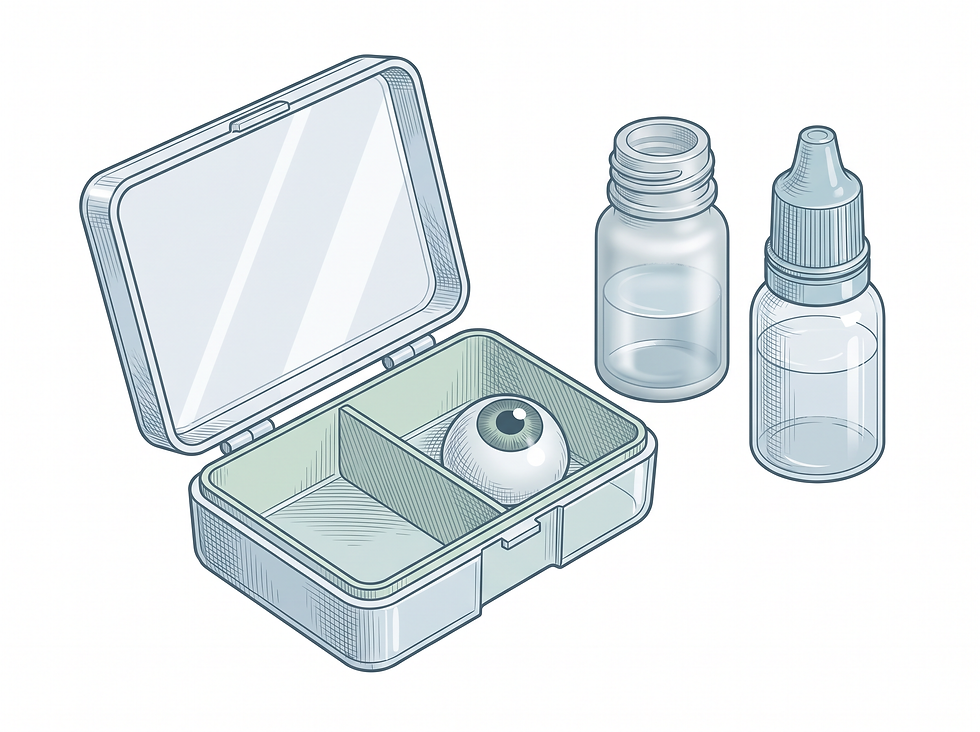
A well-maintained prosthetic eye can last approximately five years. Success requires a balance of regular hygiene and professional maintenance.
Maintenance Task | Frequency | Purpose |
Handwashing | Before every handling | Prevents infections of the socket and surrounding tissue. |
Cleaning | As instructed by ocularist | Removes buildup without damaging the acrylic surface. |
Lubrication | As needed | Using artificial tears to enhance comfort and reduce friction. |
Professional Polishing | Annually | Smooths the surface to prevent irritation and maintain appearance. |
Replacement | Every 5 years | Ensures the device remains hygienic and fits properly as tissues change. |
Potential Considerations and Risks
While complications are rare with proper care, users should be aware of potential side effects. These can include minor socket discharge, drooping of the eyelid (ptosis), or the lower eyelid turning outward (ectropion). In some cases, the eyelids may not close fully over the prosthesis. Any persistent pain or signs of infection should be reported to an eye care specialist immediately to ensure the health of the socket is preserved.

Conclusion
A prosthetic eye is a vital tool for both physical health and emotional well-being following the loss of eye tissue. By restoring facial symmetry and protecting the eye socket, these custom-crafted devices allow individuals to move forward with confidence. With a commitment to proper hygiene and regular professional check-ups, an ocular prosthesis can provide a comfortable and natural-looking solution for many years.
Next Steps
Consult an Ophthalmologist: Discuss the surgical options and timing for an eye socket implant.
Find a Certified Ocularist: Research specialists who can provide the high-level artistry required for a custom prosthesis.
Establish a Care Routine: Work with your medical team to learn the specific cleaning and lubrication steps for your new device.
Frequently Asked Questions
What is a prosthetic eye?
It is a wearable medical device that simulates the front of a natural eye and fills the eye socket.
Is a prosthetic eye made of glass?
While often called "glass eyes," modern prosthetics are typically made of durable, high-quality acrylic.
Why do I need a prosthetic eye?
It restores your appearance, protects the eye socket, and maintains the shape of the surrounding tissue.
How long does it take to get a prosthetic eye?
The entire process, from surgery to final fitting, can take several months to allow for proper healing.
Can I sleep with my prosthetic eye in?
Yes, most ocularists recommend keeping the prosthesis in place even while you sleep.
How often should I remove it for cleaning?
Unlike contact lenses, prosthetic eyes should be handled minimally; many specialists suggest removing them less than once a month.
Does a prosthetic eye move?
Custom prosthetics are designed to move in coordination with the remaining eye and the underlying socket implant.
What is a conformer?
A temporary plastic device used after surgery to hold the socket's shape until you are ready for the final prosthetic.
How long will my prosthetic eye last?
With proper care and annual polishing, a prosthetic eye typically lasts about five years.
What are the common side effects?
Possible issues include socket discharge, eyelid drooping, or minor irritation if not cleaned properly.
Can children use prosthetic eyes?
Yes, they are often used for children born with congenital eye differences to support natural facial growth.
What is an ocularist?
A healthcare professional who specializes in the fitting and fabrication of ocular prostheses.
Do I need special drops for a prosthetic eye?
Many users find that artificial tears help with lubrication and comfort throughout the day.
Will a prosthetic eye restore my vision?
No, a prosthetic eye is a non-functional device designed solely for appearance and socket health.
What happens if my prosthesis becomes uncomfortable?
You should contact your ocularist immediately, as the device may need polishing or a fit adjustment.
Medical Disclaimer: This content is for informational purposes only and does not constitute medical advice. Always consult with a qualified healthcare provider for diagnosis and treatment.
Comments