Zinc Deficiency: A Comprehensive Guide to Symptoms, Causes, and Treatment

Updated: 2 days ago
Medically reviewed by Dr. Baraa Alnahhal, MD · Last reviewed: October 2026
Quick Answer: 5 Key Facts About Zinc Deficiency
Zinc deficiency is a shortage of zinc, a mineral that supports immune health, wound healing and a healthy pregnancy. Symptoms include hair loss, brittle nails, skin lesions and frequent illness. Common causes are vegan or vegetarian diets, Crohn's disease and alcohol use disorder. Blood or urine tests help diagnose it, and symptoms typically resolve within 1 to 2 weeks.
Feature | Details |
Primary role | Supports immune health, wound healing, and a healthy pregnancy. |
Key symptoms | Hair loss, brittle nails, skin lesions, and getting sick often. |
Common causes | Vegan or vegetarian diets (high in phytates), Crohn's disease, and alcohol use disorder. |
Diagnosis | Physical exam, medical and diet history, and blood and/or urine tests. |
Recovery time | Symptoms typically go away within 1 to 2 weeks of treatment. |
What the research says
People who eat vegetarian diets tend to take in less zinc and have lower blood zinc levels. A systematic review of 34 studies, with 26 studies (48 comparisons) pooled in a meta-analysis, found that dietary zinc intake was lower by 0.88 mg a day (P < 0.001) and serum zinc was lower by 0.93 µmol/L (P = 0.001) in people who habitually followed vegetarian diets than in non-vegetarians, with a greater effect in females, vegetarians from developing countries and vegans. (Foster et al., J Sci Food Agric, 2013)
In children older than 6 months, zinc shortens diarrhea — mainly where zinc deficiency or malnutrition is common. In a Cochrane review of 33 trials (10,841 children aged 1 month to 5 years, mostly in Asian countries at high risk of zinc deficiency), zinc may shorten diarrhea by about half a day in children older than six months (mean difference −11.46 hours, 95% CI −19.72 to −3.19) and probably reduces the number still having diarrhea on day seven (RR 0.73, 95% CI 0.61 to 0.88). In children with signs of malnutrition the effect was about a day, there was possibly no effect in children under six months, and zinc increased the risk of vomiting. (Lazzerini & Wanzira, Cochrane Database Syst Rev, 2016)
An estimated 17.3% of the world's population is at risk of inadequate zinc intake. In an analysis of national food supplies, estimated inadequate zinc intake was higher where the food supply had a higher phytate-to-zinc ratio and lower where more zinc came from animal foods, and it correlated with stunting in children under five (r = 0.48, P < 0.001). (Wessells & Brown, PLoS One, 2012)
What Is Zinc Deficiency?
Zinc deficiency is a medical condition where your body does not have an adequate supply of zinc, an essential mineral. Zinc plays a critical role in numerous bodily functions, including fighting off germs, healing damaged tissue, and supporting a healthy pregnancy. Because your body can't make zinc, you need to get it from the foods you eat and, sometimes, from supplements. [1]
There is a distinction between zinc inadequacy and zinc deficiency. Zinc inadequacy means you have a bit less zinc than your body needs, and it may not cause noticeable health issues. Zinc deficiency, however, means your zinc levels are low enough to cause problems with how your body works and how you feel from day to day. Treatment can restore normal zinc levels and help you feel better. [1]
What are the symptoms of zinc deficiency?
The signs of zinc deficiency can vary based on a person's age and how much zinc is missing. In infants, diarrhea and slower-than-expected growth are common signs. For older children and adults, the symptoms are more varied and can affect multiple systems in the body at the same time. [1]
System affected | Common symptoms |
Skin and hair | Patches of hair loss, thinning hair, persistent skin rashes, and visible lesions. |
Nails | Brittle texture, slow growth, and horizontal ridges known as Beau's lines. |
Immune system | Getting sick often and wounds that take an unusually long time to heal. |
Digestive system and growth | Diarrhea (typically in infants) and growth that is slower than expected in infants, children and adolescents. |
Sensory and mood | Loss of taste and smell, irritability, and a lack of energy. |
Reproductive | Low sperm count in men. |

What Causes Zinc Deficiency?
Zinc deficiency generally stems from one of three areas: not getting enough zinc from food, medical conditions that affect how your body uses zinc, or specific medical treatments that affect zinc levels. [1]
Nutritional and Lifestyle Factors
Certain diets can put a person at higher risk of deficiency. Meat, fish, and eggs are naturally high in zinc, while plant-based diets often rely on beans, whole grains, and nuts. These plant foods contain substances called phytates, which bind to zinc and limit how much the body can absorb. Eating disorders like anorexia nervosa can also lead to zinc deficiency, along with other nutritional deficiencies. [1]

Medical Conditions and Absorption Issues
Several health conditions can cause zinc deficiency, including Crohn's disease, celiac disease, ulcerative colitis, short bowel syndrome, pancreatic disorders, kidney disease, liver disease, type 2 diabetes, HIV, alcohol use disorder, pregnancy, burns on your skin, and sepsis. These conditions can prevent your digestive system from absorbing enough zinc, increase your body's demand for zinc, or cause your body to lose too much of it. [1]
Treatments and Genetic Factors
Some treatments for medical conditions can lead to zinc deficiency. Examples include bariatric surgery, chelation therapy, diuretics, hemodialysis, parenteral nutrition, and some antibiotics. Zinc deficiency can also be genetic, although this is rare. A condition called acrodermatitis enteropathica is a genetic disorder that causes zinc deficiency, and providers diagnose it in about 1 in every 500,000 live births. [1]
How Is Zinc Deficiency Diagnosed?
If you suspect you have a zinc deficiency, a healthcare provider will typically start with a physical exam and a review of your medical history and diet. They will ask about the specific foods you eat and any supplements you currently take. [1]
Diagnostic method | Description |
Physical exam | Checking for visible signs such as skin, hair, and nail changes. |
Medical and dietary review | Reviewing your medical history, the foods you eat, and any supplements you take. |
Laboratory tests | Blood and/or urine tests can help identify or rule out other causes of your symptoms. A blood test can show your zinc level, but that number alone isn't enough to diagnose zinc deficiency and isn't always an accurate measure of the zinc in your body. |
Supplement trial | Your provider may have you take zinc supplements to see how your body responds; if symptoms improve, the diagnosis can be confirmed. |
How is zinc deficiency treated and managed?
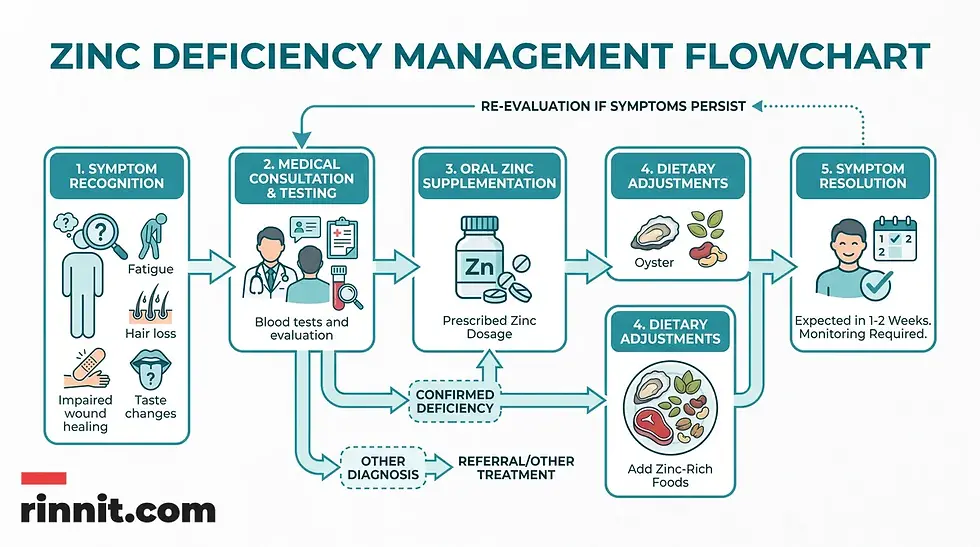
Zinc deficiency is treated with zinc supplements taken by mouth. Your healthcare provider will tell you which supplements to take, the proper dose, and how long to take them. Don't take supplements on your own without asking your provider first: taking high doses of zinc by mouth for a long time can lead to copper deficiency. [1][3]
Natural Dietary Sources
In addition to supplements, adding zinc-rich foods to your diet can help. Oysters contain more zinc per serving than any other food, and red meat, poultry, and fish are also rich sources. Plant options include baked beans, nuts such as almonds and cashews, peas, seeds, wild rice, and wheat germ, although zinc from plant foods is absorbed less well than zinc from animal foods. [1][2]
If you follow a plant-based diet, soaking beans, grains, and seeds in water for several hours before cooking can help reduce the way phytates bind zinc, and a dietitian can help you plan meals tailored to your needs. Check with your healthcare provider before making changes to what you eat. [1][2]
What is the outlook for zinc deficiency?
The outlook for zinc deficiency is good, as it is usually curable with treatment. Taking supplements as your provider directs can help your symptoms go away, typically within one to two weeks. Your provider will tell you if you need follow-up appointments or testing to check on your zinc levels or any related conditions. [1]
Conclusion
Zinc is a small but important mineral that supports your immune system, wound healing, and healthy growth. Whether a deficiency is caused by diet, illness, or treatment, it is usually curable. By recognizing the signs early — like slow-healing wounds or changes in your hair and nails — you can work with your doctor to restore your levels and feel better.
How can you take control of your health with zinc deficiency?
For more expert guides on nutrition, mineral health, and wellness tips, visit Rinnit.com.
Frequently Asked Questions
Can zinc deficiency affect my fingernails?
Yes. It can cause brittle nails, slow growth, and horizontal ridges called Beau's lines. Many other things can also change how nails look, so see a healthcare provider if you notice sudden nail changes. [1]
How long does it take to recover from zinc deficiency?
With supplements taken as your provider directs, symptoms typically go away within one to two weeks. [1]
Does zinc deficiency cause hair loss?
Yes, it can cause hair to thin or fall out in patches. [1]
Is zinc deficiency common in vegans?
Plant-based diets can make it more likely, because beans, whole grains, and nuts contain phytates, which limit how much zinc your body can absorb. [1]
Can I take too much zinc?
Yes. Taking high doses of zinc by mouth for a long time can lead to copper deficiency. The upper limit for adults is 40 mg of zinc a day, and it does not apply to people who take zinc as medical treatment under a doctor's care. [2][3]
Does zinc deficiency affect taste and smell?
Yes. Loss of taste and smell is one of the possible symptoms of zinc deficiency. [1]
Can zinc deficiency cause diarrhea?
Yes. Diarrhea is a common symptom, particularly in infants with zinc deficiency. [1]
Is zinc deficiency genetic?
Zinc deficiency can be, but that is rare. A condition called acrodermatitis enteropathica is a genetic disorder that causes zinc deficiency; it is diagnosed in about 1 in every 500,000 live births. [1]
Does vaping cause zinc deficiency?
No. Vaping doesn't cause zinc deficiency — it does the opposite, exposing you to zinc and other heavy metals that may harm your health. [1]
Can zinc deficiency lead to eye problems?
Some research suggests zinc deficiency might play a role in age-related macular degeneration, but more research is needed to understand the relationship. [1]
What foods are highest in zinc?
Oysters contain more zinc per serving than any other food. Red meat, poultry, and fish are also rich sources, and beans, nuts, and seeds contain zinc too, although the zinc in plant foods is less well absorbed. [1][2]
Why do I need zinc during pregnancy?
Zinc supports a healthy pregnancy, and the amount you need goes up during pregnancy. [1][2]
Can stress cause zinc deficiency?
Severe physical stress such as burns on the skin or sepsis is among the medical conditions that can cause zinc deficiency. [1]
Do I need a prescription for zinc supplements?
Zinc supplements are dietary supplements you take by mouth, but don't take them on your own without asking your healthcare provider first, who will tell you the right dose and how long to take them. [1]
Can children have zinc deficiency?
Yes. In infants, children and adolescents, zinc deficiency can cause growth that is slower than expected. [1]
References
Cleveland Clinic. Zinc deficiency. Cleveland Clinic. Medically reviewed; last updated February 11, 2025. Accessed October 15, 2026. https://my.clevelandclinic.org/health/diseases/zinc-deficiency
National Institutes of Health, Office of Dietary Supplements. Zinc: Fact sheet for health professionals. NIH Office of Dietary Supplements. Updated January 6, 2026. Accessed October 15, 2026. https://ods.od.nih.gov/factsheets/Zinc-HealthProfessional/
Mayo Clinic Staff. Zinc. Mayo Clinic. March 26, 2025. Accessed October 15, 2026. https://www.mayoclinic.org/drugs-supplements-zinc/art-20366112
Foster M, Chu A, Petocz P, Samman S. Effect of vegetarian diets on zinc status: a systematic review and meta-analysis of studies in humans. J Sci Food Agric. 2013;93(10):2362-2371. PMID 23595983. https://doi.org/10.1002/jsfa.6179
Lazzerini M, Wanzira H. Oral zinc for treating diarrhoea in children. Cochrane Database Syst Rev. 2016;12(12):CD005436. PMID 27996088. https://doi.org/10.1002/14651858.CD005436.pub5
Wessells KR, Brown KH. Estimating the global prevalence of zinc deficiency: results based on zinc availability in national food supplies and the prevalence of stunting. PLoS One. 2012;7(11):e50568. PMID 23209782. https://doi.org/10.1371/journal.pone.0050568
Medical disclaimer
The information provided in this article is for educational purposes only and should not be used as a substitute for professional medical advice, diagnosis, or treatment. Always seek the advice of your physician or other qualified health provider with any questions you may have regarding a medical condition.



Comments