What is Xerophthalmia?

Updated: 3 days ago
Medically reviewed by Dr. Baraa Alnahhal, MD · Last reviewed: October 2026
Quick Answer: What is xerophthalmia?
Xerophthalmia is a spectrum of eye damage caused by a lack of vitamin A. Without vitamin A, the eye's surface cannot stay moist and the retina cannot make the pigments needed for night vision. This leads to night blindness, a dry and damaged conjunctiva and cornea, and eventually blindness if vitamin A is not replaced. [1]
What the research says
Vitamin A supplementation lowers both eye damage and child deaths. A Cochrane update of 47 studies (about 1,223,856 children aged 6 months to 5 years) found 12% lower all-cause mortality with supplementation (risk ratio 0.88, 95% CI 0.83–0.93; 19 trials, 1,202,382 children; high-certainty evidence). It also reduced Bitot spots (RR 0.42, 95% CI 0.33–0.53; 5 studies, 1,063,278 children) and night blindness (RR 0.32, 95% CI 0.21–0.50; 2 studies, 22,972 children), both with moderate-certainty evidence (Imdad et al., Cochrane Database of Systematic Reviews, 2022). [2]
Deficiency has fallen in some countries but remains a public health problem. In a meta-analysis of 13 Ethiopian studies, night blindness among preschool children fell from 4.2% (95% CI 2.8–5.7%) in 1990–2004 to 0.8% (95% CI 0.6–1.0%) in 2005–2019, yet 7 of 8 studies of subclinical deficiency still showed a severe public health problem (above 20%) (Sahile et al., BioMed Research International, 2020). [3]
The size of the mortality benefit is still debated. An updated meta-analysis found a 9% reduction in mortality in well-concealed trials (RR 0.91, 95% CI 0.85–0.97; 6 trials, 1,046,829 participants; low-certainty evidence), but a smaller, non-significant effect in trials published since 2000 (RR 0.96, 95% CI 0.89–1.03; 2 trials, 1,007,587 participants), with signs of publication bias (Shrestha et al., PLOS ONE, 2022). [4]
Key Takeaways
Feature | Details |
Primary Cause | Vitamin A deficiency, from low intake or poor absorption and use |
Main Symptoms | Night blindness, dry conjunctiva and cornea, Bitot spots |
At-Risk Groups | Young children in low-income countries, people with malabsorption, severe malnutrition or heavy alcohol use |
Progressive Stages | Night blindness → conjunctival xerosis → Bitot spots → corneal xerosis → corneal ulcers → keratomalacia |
Treatment | Vitamin A supplementation, lubricating drops, antibiotics for infection |
Prevention | Diet rich in vitamin A, supplementation and food fortification programmes |
Global Impact | Leading cause of preventable blindness in children; WHO figures cited by Cleveland Clinic estimate about 2.8 million children with xerophthalmia |
What is xerophthalmia, and why does it happen?
Xerophthalmia is a group of eye signs and symptoms that result from vitamin A deficiency. Vitamin A helps the eye in two major ways: it supports the moisture that keeps the cornea lubricated, and it is needed to make the pigments that let the retina work in dim light. When vitamin A runs low, both functions fail. [1]
The condition remains the leading cause of preventable blindness in children worldwide. According to World Health Organization figures cited by Cleveland Clinic, about 254 million children have vitamin A deficiency, about 2.8 million have xerophthalmia, and roughly 350,000 cases of childhood blindness occur each year. It is uncommon in the United States and other developed countries.
What are the progressive stages of xerophthalmia?
Xerophthalmia does not appear all at once. It moves through stages as vitamin A levels keep falling, and recognising the early stages is the key to preventing permanent damage.
Early Warning Signs
The first sign is often night blindness (nyctalopia): difficulty seeing in dim light or adjusting to changes in lighting. Next, the conjunctiva, the thin membrane covering the white of the eye, becomes dry and loses its shine. This stage is called conjunctival xerosis. [1]
Advanced Clinical Markers
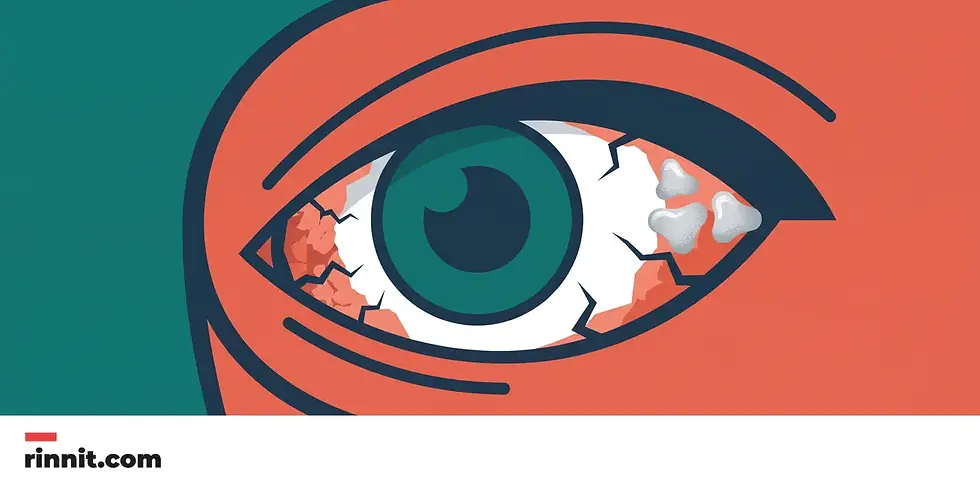
As deficiency worsens, Bitot spots can appear. These are foamy, silver-gray triangular patches on the white of the eye. The cornea then dries out (corneal xerosis) and can develop sores or holes called corneal ulcers. The most severe stage is keratomalacia, in which the cornea softens and turns cloudy, which can lead to scarring and permanent vision loss. In some cases the retina is also affected, a change known as xerophthalmic fundus. [1]
Stage | What Happens | Outlook |
Night blindness | Poor vision in dim light | Usually improves with vitamin A treatment |
Conjunctival xerosis | Dry, dull conjunctiva | Usually reversible with early treatment |
Bitot spots | Foamy silver-gray patches on the white of the eye | Often improve with treatment |
Corneal xerosis and ulcers | Dry cornea, then sores or holes | Urgent treatment needed; scarring can be permanent |
Keratomalacia | Cornea softens and becomes cloudy | High risk of permanent blindness |
What are the common signs and risk factors of xerophthalmia?
Xerophthalmia risk rises with too little vitamin A in the diet, young age and malabsorption conditions such as celiac disease and Crohn's disease.
Risk Factor | Impact on Xerophthalmia |
Dietary Intake | Too little vitamin A from dark greens, orange and yellow produce, eggs, liver and fortified foods. |
Age | Young children are most vulnerable because of their high growth needs. |
Malabsorption | Conditions such as celiac disease, Crohn’s disease and pancreatitis reduce vitamin uptake. |
Infections | Measles and severe diarrhea can rapidly deplete vitamin A stores. |
Alcohol Use | Chronic heavy drinking interferes with vitamin A storage and use. |

How is xerophthalmia diagnosed?
Xerophthalmia is diagnosed by combining a medical and diet history with an eye exam, often alongside blood tests for vitamin A and night vision tests. A provider may use:
Medical and diet history: including food intake and conditions that affect absorption. [1]
Eye examination and clinical signs: looking for dryness, Bitot spots and corneal changes. [1]
Blood tests: to measure vitamin A levels. [1]
Night vision and dark adaptation tests: to measure how well and how quickly the eyes adjust to the dark. [1]
Impression cytology and electroretinogram: to check cells on the eye surface and how the retina responds to light. [1]
How is xerophthalmia treated and managed?
The primary treatment for xerophthalmia is vitamin A supplementation. The dose and schedule depend on the age of the patient and the severity of the disease, and should be set by a healthcare provider. Too much vitamin A can be harmful, so people receiving treatment need to be monitored. High doses can also harm an unborn baby, so pregnant women need a lower dose chosen by their provider.
Supplementation: vitamin A capsules are the standard treatment for reversing early signs such as night blindness.
Eye care: artificial tears or lubricating drops ease surface dryness and discomfort. [1]
Antibiotics: topical antibiotics are used if there is a corneal ulcer or infection.
Treating the cause: managing malabsorption, infections or alcohol use that led to the deficiency.
Dietary rehabilitation: increasing vitamin A-rich foods to prevent recurrence.
If xerophthalmia is treated, people can expect to recover. Without treatment, blindness is possible. [1]
How can good nutrition prevent xerophthalmia?
Preventing xerophthalmia is mainly a matter of getting enough vitamin A. The body can use preformed vitamin A from animal foods and provitamin A carotenoids from plants.
Top Vitamin A Sources
Public Health Programmes
Globally, deficiency has been declining, which may be due to widespread vitamin A supplementation given together with measles immunisation in at-risk populations (Sherwin et al., Transactions of the Royal Society of Tropical Medicine and Hygiene, 2012). Even in well-resourced countries, clinicians are advised to keep deficiency in mind for at-risk children, such as those with very restricted diets or gastrointestinal conditions (Song et al., Current Opinion in Pediatrics, 2022).

Conclusion
Xerophthalmia is a stark reminder of the link between nutrition and sight. It can lead to permanent blindness, yet it is almost entirely preventable and treatable in its early stages. A diet rich in vitamin A, prompt medical care for night vision problems or persistently dry eyes, and supervised supplementation for people at risk can protect vision.
Frequently Asked Questions
What is the first symptom of xerophthalmia?
Night blindness (trouble seeing in dim light) is usually the earliest sign.
Can xerophthalmia be cured?
Yes. If it is treated, most people recover. Early vitamin A treatment can reverse the early symptoms, but corneal scarring from advanced disease is permanent.
Is xerophthalmia the same as dry eye syndrome?
No. It is a group of eye problems caused specifically by vitamin A deficiency, and it can progress to corneal damage and blindness.
Who is most at risk for xerophthalmia?
Young children in low-income countries, and people with malabsorption, severe malnutrition or heavy alcohol use.
How does vitamin A deficiency cause blindness?
Without vitamin A the eye cannot keep its surface moist or make the retinal pigments needed in dim light, and the cornea can ulcerate, soften and scar.
What are Bitot spots?
Foamy, silver-gray triangular patches on the white of the eye.
Is xerophthalmia common in the United States?
No. It is uncommon in the U.S. and other developed countries, although cases are reported in at-risk children, such as those with very restricted diets or digestive conditions.
What foods are best for preventing xerophthalmia?
Liver, egg yolks, fish liver oils, dark leafy greens, carrots, sweet potatoes, pumpkin, papaya and vitamin A-fortified foods.
Can adults get xerophthalmia?
Yes, especially people with severe dietary restriction, alcohol use disorder or digestive diseases that block vitamin A absorption.
How is xerophthalmia diagnosed?
Through a medical and diet history, an eye exam, clinical signs, and blood tests for vitamin A. Dark adaptation tests and other eye tests may be added.
What is keratomalacia?
The most severe stage, in which the cornea softens, becomes cloudy and can scar or perforate.
Can vitamin A supplements be dangerous?
Yes. Too much vitamin A is toxic, so supplements for treatment should be given and monitored by a healthcare provider.
Does xerophthalmia affect both eyes?
Usually, yes, because the deficiency affects the whole body.
How quickly does it progress?
It can progress quickly, especially in children who also have infections such as measles or severe diarrhea.
Are artificial tears enough to treat it?
No. They ease surface dryness, but vitamin A is needed to treat the cause.
Can measles cause xerophthalmia?
Measles can rapidly deplete vitamin A stores and increase the risk of xerophthalmia in children with marginal intake.
What is conjunctival xerosis?
Dryness of the thin membrane (conjunctiva) that covers the white of the eye.
Can xerophthalmia cause permanent scarring?
Yes. Corneal ulcers and keratomalacia can leave permanent scars and vision loss.
Is night blindness always caused by vitamin A deficiency?
No, but vitamin A deficiency is a leading cause worldwide. Other eye and retinal conditions can also cause it.
How much vitamin A is needed daily?
Requirements vary by age, sex and pregnancy status. Ask your doctor or a dietitian for the right amount for you.
Are orange fruits better than green vegetables for vitamin A?
Both are good sources of carotenoids such as beta-carotene, which the body converts to vitamin A.
What does xerophthalmia mean?
It comes from the Greek words for "dry" and "eye."
Can surgery fix xerophthalmia?
Surgery cannot correct the deficiency, but corneal procedures may be needed to treat serious corneal damage.
Does xerophthalmia cause pain?
Early stages cause dryness and irritation. Corneal ulcers can be painful.
Is xerophthalmia contagious?
No. It is a nutritional deficiency, not an infection.
How do doctors test for night blindness?
With night vision and dark adaptation tests that measure how well and how quickly your eyes adjust to the dark.
Can a vegan diet lead to xerophthalmia?
Only if the diet is very low in beta-carotene-rich plant foods or in total calories. A varied plant-based diet with greens and orange vegetables supplies plenty of provitamin A.
What is the role of the retina in this condition?
The retina needs vitamin A to make the pigments that let you see in dim light. Without it, night vision fails first.
Can breastfeeding help prevent xerophthalmia in infants?
Breast milk supplies vitamin A, and it helps most when the mother has adequate vitamin A levels herself.
Can vitamin A deficiency affect the retina?
Yes. In severe cases it can cause retinal changes, known as xerophthalmic fundus, in addition to poor night vision.
Are there different types of vitamin A?
Yes. Retinol and related forms come from animal foods, and carotenoids such as beta-carotene come from plants.
Can chronic diarrhea lead to xerophthalmia?
Yes, because it can reduce vitamin A absorption and use up the body's stores.
What is impression cytology?
A test that collects cells from the surface of the eye to look for changes caused by vitamin A deficiency.
Does xerophthalmia affect tear production?
It affects the moisture of the eye surface, including the cells that produce protective mucus, so the surface becomes dry and damaged.
Can golden rice help prevent this?
Biofortified crops such as golden rice are designed to supply provitamin A and help fight vitamin A deficiency.
What is the difference between xerophthalmia and xerostomia?
Xerophthalmia is dryness of the eyes. Xerostomia is dryness of the mouth.
Can liver disease cause xerophthalmia?
Yes. The liver stores vitamin A, so liver disease can lead to deficiency.
Is it more common in boys or girls?
Both boys and girls can be affected.
Can smoking cause xerophthalmia?
Smoking is not a recognized cause, although it harms eye health in other ways.
How long does treatment take to work?
Night blindness often starts improving within days of treatment, while healing of the eye surface can take longer.
What is the World Health Organization's role?
The WHO guides global programmes that distribute vitamin A supplements, fortify foods and track deficiency.
Can xerophthalmia be diagnosed without a blood test?
Often, yes. Typical clinical signs, especially in a child with risk factors, can be enough to start treatment.
Is corneal xerosis reversible?
Early corneal dryness can be reversed with treatment. Deep ulcers and scars may not be.
What happens if you take too much vitamin A?
It can cause toxicity, with symptoms such as headache, nausea and liver damage.
Does vitamin A deficiency affect the skin too?
Yes. It can cause dry, rough skin and bumps around hair follicles (follicular hyperkeratosis).
Can eye infections make xerophthalmia worse?
Yes. Infection can speed up breakdown of an already damaged cornea.
Where does the name "Bitot" in Bitot spots come from?
They are named after Pierre Bitot, the physician who described them in the 19th century.
Can pregnancy increase the risk?
Yes. Pregnancy and breastfeeding raise vitamin A needs, so deficiency is more likely when intake is low.
Is xerophthalmia a public health priority?
Yes. It remains a concern in parts of Africa and South-East Asia, and global programmes work to eliminate vitamin A deficiency.
What is the best long-term solution?
Sustainable access to a varied, nutrient-rich diet, supported by supplementation and fortification where deficiency is common.
References
Cleveland Clinic. Xerophthalmia: Symptoms, Causes & Treatment. Cleveland Clinic Health Library. Last updated October 22, 2022. https://my.clevelandclinic.org/health/diseases/24430-xerophthalmia
Imdad A, Mayo-Wilson E, Haykal MR, et al. Vitamin A supplementation for preventing morbidity and mortality in children from six months to five years of age. Cochrane Database of Systematic Reviews. 2022;3(3):CD008524. PMID: 35294044. https://doi.org/10.1002/14651858.CD008524.pub4
Sahile Z, Yilma D, Tezera R, et al. Prevalence of vitamin A deficiency among preschool children in Ethiopia: a systematic review and meta-analysis. BioMed Research International. 2020;2020:8032894. PMID: 32258145. https://doi.org/10.1155/2020/8032894
Shrestha S, Thapa S, Garner P, et al. Is routine vitamin A supplementation still justified for children in Nepal? Trial synthesis findings applied to Nepal national mortality estimates. PLOS ONE. 2022;17(5):e0268507. PMID: 35584136. https://doi.org/10.1371/journal.pone.0268507
Sherwin JC, Reacher MH, Dean WH, Ngondi J. Epidemiology of vitamin A deficiency and xerophthalmia in at-risk populations. Transactions of the Royal Society of Tropical Medicine and Hygiene. 2012;106(4):205–214. PMID: 22326691. https://doi.org/10.1016/j.trstmh.2012.01.004
Song A, Mousa HM, Soifer M, Perez VL. Recognizing vitamin A deficiency: special considerations in low-prevalence areas. Current Opinion in Pediatrics. 2022;34(2):241–247. PMID: 35125379. https://doi.org/10.1097/MOP.0000000000001110
Disclaimer
The information provided in this article is for educational purposes only and is not intended as medical advice. Always seek the advice of a qualified healthcare provider with any questions you may have regarding a medical condition. Never disregard professional medical advice or delay in seeking it because of something you have read in this article.



Comments