What Is Juvenile Localized Scleroderma? Symptoms, Causes, and Treatment

Updated: 2 days ago
Medically reviewed by Dr. Baraa Alnahhal, MD · Last reviewed: October 2026
Quick Answer: What Is Juvenile Localized Scleroderma?
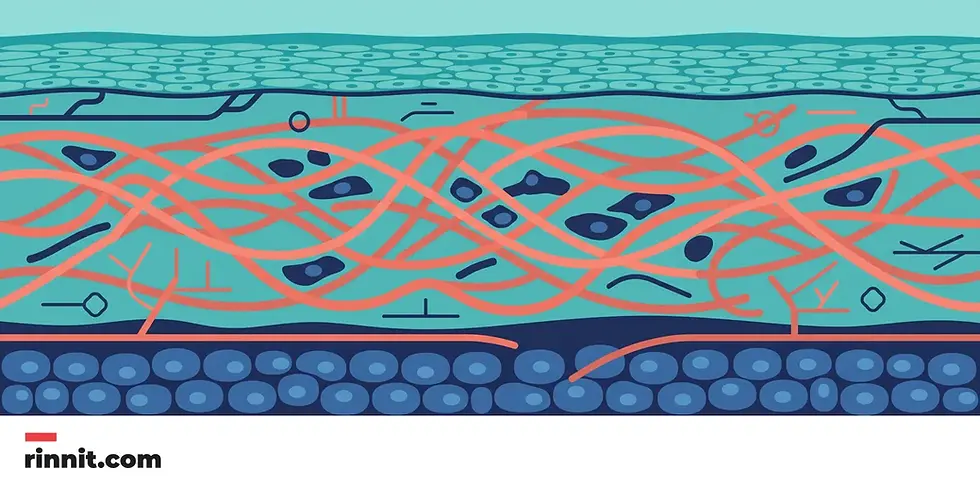
Juvenile localized scleroderma is a rare autoimmune disease in children in which the immune system attacks the skin and underlying tissues, causing them to harden and thicken from collagen overproduction. [1] It appears as firm, discolored patches or linear streaks. It is not infectious. [6] Early diagnosis is key to preventing spread to muscle or bone that could affect development. [1]
What the research says
About 1 in 4 children with localized scleroderma has problems outside the skin. In a multinational study of 750 children, 168 (22.4%) had extracutaneous manifestations, most often in the joints, followed by neurologic, vascular, and eye problems. These were often unrelated to where the skin lesions were, and systemic sclerosis developed in only 1 child (Zulian et al., Arthritis Rheum, 2005 [3]).
Methotrexate helped most children in a long-term follow-up. Of 65 children treated with methotrexate (plus prednisone for the first 3 months), 48 (73.8%) responded and 10 (15.4%) relapsed by 24 months. Side effects occurred in 28 children (48.3%) but were generally mild and never required stopping treatment (Zulian et al., J Am Acad Dermatol, 2012 [4]).
The emotional side deserves attention. A systematic review of 13 studies (690 children) found no significant drop in quality-of-life scores on questionnaires, but focus groups described stress, lower self-worth, and teasing or bullying linked to skin symptoms and treatment burden (Sanchez-Espino et al., Arthritis Care Res, 2024 [5]).
Key Takeaways: Juvenile Localized Scleroderma Facts
Feature | Details |
Medical Category | Autoimmune / Connective Tissue Disorder [1] |
Primary Target | Skin and underlying connective tissue [1] |
Key Symptom | Thickened, hard, or discolored skin patches [1] |
Main Cause | Overproduction of collagen (fibrosis) [1] |
Typical Onset | Most common in children aged 2 to 14 [6] |
Primary Treatments | Methotrexate, corticosteroids, and topical creams [1] |
What Is Juvenile Localized Scleroderma?
Juvenile localized scleroderma is a rare autoimmune condition that causes a child's skin to become unusually thick, hard, and discolored. [1] Unlike systemic scleroderma, which can affect internal organs, the localized form primarily targets the skin and the connective tissue directly beneath it. [1] In some cases, it may also involve deeper layers such as muscle and bone, potentially affecting a child's growth and joint mobility. [1] The condition occurs when the body's immune system mistakenly triggers an overproduction of collagen, leading to the formation of fibrous, scar-like tissue. [1] [2] While it can be a chronic challenge, modern treatments focused on stopping inflammation and softening the skin allow most children to lead active, healthy lives.
What are the core features and symptoms of juvenile localized scleroderma?
Juvenile localized scleroderma presents differently in every child, but the common thread is the transformation of soft skin into firm, fibrous tissue.
Recognizing the Patches and Streaks
The condition usually begins with a small area of skin that looks red or purple. [1] Over time, this area becomes firm and may turn a waxy, yellowish, or ivory color. There are two main patterns:
Morphea: These are oval or round patches, often found on the chest, back, or abdomen. They may have a lilac-colored border when the disease is active. [2]
Linear Scleroderma: This appears as a line or streak, typically on an arm or leg. [2] If it occurs on the forehead or scalp, it is sometimes called "en coup de sabre" because it looks like a scar from a sword strike. [1]
Impact on Growth and Movement
When the hardening goes deeper than the skin, it can cause more significant issues:
Joint Stiffness: If a linear streak crosses a joint (like the knee or elbow), it can limit the child's range of motion. [1] [2] [8]
Growth Disruption: In growing children, deep scleroderma can cause one limb to be shorter or thinner than the other. [2]
Muscle Weakness: If the inflammation reaches the muscle layer, it can lead to localized weakness [8] or pain.

What causes juvenile localized scleroderma, and how is it diagnosed?
Juvenile localized scleroderma is an autoimmune condition with an unknown trigger, diagnosed through a physical exam, skin biopsy, imaging and blood tests [1] [2] that rule out other conditions.
Why Does It Happen?
Localized scleroderma is an autoimmune condition, meaning the body's defense system attacks its own healthy tissue. [1]
Collagen Overload: The immune attack triggers cells called fibroblasts to produce too much collagen, the protein that normally provides structure to the skin. [1]
Family History: Localized scleroderma does not follow a predictable inheritance pattern like many genetic conditions, but it can run in families. [6] Doctors still ask about a family history of autoimmune disease.
Demographics: It is more common in girls than boys [2] and most frequently diagnosed between the ages of 2 and 14. [6]
The Diagnostic Process
A pediatric rheumatologist or dermatologist [2] usually manages the diagnosis using:
Physical Examination: Doctors look for the characteristic waxy texture and discolored borders of the skin patches. [1] [2]
Skin Biopsy: A small sample of skin is taken and examined under a microscope [2] to confirm the buildup of collagen and presence of inflammation.
Imaging (MRI or Ultrasound): These tools help determine how deep the condition goes and if it has affected the underlying muscle or bone. [1]
Blood Tests: While no specific blood test confirms scleroderma, tests can rule out other autoimmune conditions. [2]
How is juvenile localized scleroderma managed and treated?
The primary goal of treatment is to "quiet" the immune system to stop new patches from forming and prevent existing ones from going deeper. [1]
Medication and Topical Care
Treatment is tailored to the severity and location of the scleroderma:
Systemic Medications: For active or deep disease, medications like methotrexate or oral corticosteroids are used to suppress the immune system. [1] [2]
Topical Treatments: For superficial patches, creams containing calcipotriene (a form of Vitamin D) or tacrolimus can help soften the skin and reduce inflammation. [1] [2]
Moisturizers: Creams containing lanolin are often recommended to relieve the dryness and itching associated with the hardened skin. [1]
Supporting Physical Development
Because this condition can affect movement, supportive therapies are essential:
Physical Therapy: Specialized exercises help maintain joint flexibility and muscle strength, especially if the scleroderma is near a joint. [1] [2]
Massage: Gentle massage can help improve blood flow and keep the skin as supple as possible.
Remission and Surgery: Once the disease is in remission (no longer active), plastic surgery may be considered to repair cosmetic changes or improve function in affected areas. [1]

What is the outlook for juvenile localized scleroderma, and how can children live well?
Most children with localized scleroderma do very well, though the journey requires patience and consistent care.
Aspect | Impact and Guidance |
Disease Activity | Often active for 3 to 5 years before going into remission. |
Skin Recovery | Once inflammation stops, the body can reabsorb some fibrous tissue, and skin may soften. [1] |
Activity Level | Children are encouraged to stay active and participate in sports as tolerated. [1] |
Sun Protection | Sunscreen is vital, as affected skin can be more sensitive and prone to permanent color changes. |
Conclusion
Juvenile localized scleroderma is a complex condition, but it does not define a child's future. With early intervention and a dedicated care team, the inflammation can be controlled, protecting the child's growth and mobility. While the skin changes can be visually striking, the most important focus is on maintaining function and ensuring the child feels supported and confident. If you notice unusual skin hardening or discoloration in your child, consulting a pediatric specialist is the first step toward effective management.
For more helpful health resources and visual guides, explore our infographic templates.
Frequently Asked Questions
What is juvenile localized scleroderma?
It is a rare autoimmune disease where a child's skin becomes hard and thick due to excess collagen. [1]
Is it the same as systemic scleroderma?
No. Localized scleroderma mainly affects the skin and the tissue just beneath it, and it does not typically involve internal organs the way systemic scleroderma can. [1] [8]
Is juvenile localized scleroderma contagious?
No, you cannot catch it from someone else. [6]
Can my child pass this on to their children?
Localized scleroderma is not considered a classically inherited condition, but it can run in families. [6] Other autoimmune diseases sometimes run in families, so tell your doctor about your family history.
What is the main cause of the skin hardening?
An overproduction of collagen triggered by the immune system. [1]
What does "morphea" mean?
It refers to oval or round patches of hardened skin. [2]
What is linear scleroderma?
A form that appears as a line or streak, usually on the arms or legs. [2]
What is "en coup de sabre"?
A linear streak on the forehead or scalp that looks like a sword scar. [1]
At what age does it usually start?
It is most commonly diagnosed in children between ages 2 and 14. [6]
Are girls or boys more likely to have it?
What are the early signs?
A red or purple patch of skin that gradually becomes firm and waxy. [1]
Does it itch?
Yes, the affected areas can be very dry and itchy. [1]
Can it affect a child's growth?
Yes, if it goes deep enough, it can cause one limb to be shorter or thinner. [2]
How is it diagnosed?
Through a physical exam, sometimes a skin biopsy, and sometimes imaging like an MRI. [1]
What is a skin biopsy?
Taking a tiny sample of skin to look at under a microscope. [2]
Why is an MRI used?
To see if the scleroderma has reached the muscle or bone. [1]
What is the goal of treatment?
To stop inflammation and prevent the condition from getting worse. [1]
What is methotrexate?
An immune-suppressing medication often used for active scleroderma. [1]
Are steroids used?
Yes, corticosteroids (oral or IV) may be used to quickly reduce inflammation. [1]
What topical creams are helpful?
Can the skin ever soften again?
Yes, once the inflammation stops, the body can reabsorb some of the hard tissue. [1]
Is physical therapy necessary?
It is often recommended, especially if the scleroderma is near a joint, to help maintain mobility. [1] [2]
Can my child still play sports?
Yes, staying active is encouraged as long as it is comfortable. [1]
Does phototherapy work?
It can help soften plaques, but doctors are cautious due to skin cancer risks. [1]
Is there a cure?
How long does the disease stay active?
Typically for 3 to 5 years.
What is remission?
When the immune system stops attacking and no new patches appear.
Can the patches come back after remission?
Does localized scleroderma affect the heart or lungs?
Rarely. Unlike systemic scleroderma, it does not typically involve internal organs, but a minority of children have joint, nerve, or eye involvement and, very rarely, lung or heart involvement [3], so your doctor will review your child's overall health.
What is collagen?
A protein that provides structure to the skin; too much causes hardening.
Why is lanolin used?
It is an excellent moisturizer to help with dryness and itching. [1]
Can plastic surgery help?
Yes, but only after the disease is fully in remission. [1]
Does diet affect scleroderma?
There is no specific diet proven to cause or cure the condition.
Is it an allergy?
No, it is an autoimmune response, not an allergic one.
What specialist should my child see?
A pediatric rheumatologist or a pediatric dermatologist. [2]
Can stress trigger a flare-up?
Stress can affect the immune system, but it is not a direct cause.
What happens if it's left untreated?
It can lead to permanent joint stiffness, muscle loss, and growth issues.
Are there blood tests for scleroderma?
No single test confirms it, but tests check for general inflammation and help rule out other conditions. [2]
Is the skin color change permanent?
The skin may remain darker or lighter than the surrounding area even after treatment. [8]
Does it cause hair loss?
If it occurs on the scalp, it can cause permanent hair loss in that area.
What is "fibrosis"?
The medical term for the formation of excess fibrous connective tissue.
Can my child go to school?
Absolutely. It is not contagious and doesn't prevent school attendance. [1]
Is sun protection important?
Yes, affected skin needs extra protection from UV rays. [1]
What is calcipotriene?
A synthetic form of Vitamin D used in topical creams.
Are there support groups for parents?
Yes, organizations like the Scleroderma Foundation offer resources.
How rare is this condition?
It affects an estimated 1 in 100,000 children, according to Cleveland Clinic. [1]
Does it cause pain?
It is usually not painful [6], though deep involvement can cause muscle aching.
Where can I find reliable information and support?
The Scleroderma Foundation, the Arthritis Foundation, and the American College of Rheumatology publish patient-friendly resources.
What is the most common form in children?
Linear scleroderma is the most frequent type in the pediatric population. [7]
What is the first step if I suspect scleroderma?
Schedule an appointment with your child's pediatrician for a referral.
Related Reading
References
Cleveland Clinic. Juvenile Localized Scleroderma Symptoms & Causes. Cleveland Clinic. Last updated August 21, 2023. https://my.clevelandclinic.org/health/diseases/14857-juvenile-localized-scleroderma
Arthritis Foundation. Juvenile Scleroderma (Localized). Arthritis Foundation. Accessed October 30, 2026. https://www.arthritis.org/diseases/juvenile-scleroderma
Zulian F, Vallongo C, Woo P, et al. Localized scleroderma in childhood is not just a skin disease. Arthritis Rheum. 2005;52(9):2873-2881. PMID 16142730. https://doi.org/10.1002/art.21264
Zulian F, Vallongo C, Patrizi A, et al. A long-term follow-up study of methotrexate in juvenile localized scleroderma (morphea). J Am Acad Dermatol. 2012;67(6):1151-1156. PMID 22657157. https://doi.org/10.1016/j.jaad.2012.03.036
Sanchez-Espino LF, Luca N, Pope E, et al. Systematic review of health-related quality of life impact in juvenile localized scleroderma. Arthritis Care Res (Hoboken). 2024;76(3):340-349. PMID 37750181. https://doi.org/10.1002/acr.25243
Mayo Clinic. Morphea - Symptoms and causes. Mayo Clinic. Last updated September 18, 2024. https://www.mayoclinic.org/diseases-conditions/morphea/symptoms-causes/syc-20375283
Zulian F, Athreya BH, Laxer R, et al. Juvenile localized scleroderma: clinical and epidemiological features in 750 children. An international study. Rheumatology (Oxford). 2006;45(5):614-620. PMID 16368732. https://doi.org/10.1093/rheumatology/kei251
Penmetsa GK, Sapra A. Morphea. StatPearls. Treasure Island (FL): StatPearls Publishing; 2023. Last updated August 7, 2023. https://www.ncbi.nlm.nih.gov/books/NBK559010/
Disclaimer
This information is for educational purposes only and does not constitute medical advice. Always seek the counsel of a qualified healthcare professional regarding any medical condition or emergency. If you are experiencing a life-threatening emergency, call 911 or your local emergency services immediately.



Comments