What Is Glossitis? Symptoms, Causes, and Treatment Options

Updated: 3 days ago
Medically reviewed by Dr. Baraa Alnahhal, MD · Last reviewed: October 2026
Quick Answer
Glossitis is inflammation of the tongue that can cause swelling, color changes, often bright red, and loss of the tiny bumps called papillae, leaving the tongue smooth and shiny [1] [2] [3]. It can be acute or chronic [3]. Causes include infections, allergic reactions, irritants and systemic health issues, and treatment depends on the underlying cause [1] [3].
Key takeaways
Primary definition: Inflammation of the tongue that causes swelling and changes in texture [1] [2] [3].
Visual indicators: Redness, a smooth or glossy surface, and swelling [1] [2] [3].
Common causes: Infections, allergies, nutritional deficiencies, and mouth injuries [1] [2] [3].
Treatment goal: Resolve the underlying cause and reduce tongue inflammation [2] [3].
Emergency sign: Severe swelling that interferes with breathing or swallowing [2] [3].
What the research says
Atrophic glossitis is strongly linked to low vitamin B12. In a case-control study of 236 people with atrophic glossitis and 208 age- and sex-matched healthy controls, vitamin B12 deficiency was found in 68.22% of the glossitis group, ferritin (iron store) deficiency in 13.98%, and anemia in 21.61%, and deficiency and anemia were more common when the tongue atrophy was complete. People with B12 deficiency responded well to supplement therapy (Chen et al., BMC Oral Health, 2022) [4].
Nutrient deficiency rates vary, and supplements can clear the tongue in some people. In a Taiwanese series of 1,064 people with atrophic glossitis, anemia was found in 19.0%, iron deficiency in 16.9%, vitamin B12 deficiency in 5.3%, folic acid deficiency in 2.3%, and raised homocysteine in 11.9%. The review's authors report that vitamin supplements plus the specific missing nutrient achieved complete remission of oral symptoms and tongue atrophy in some patients, and they advise a blood count and nutrient tests before treatment (Chiang et al., J Formos Med Assoc, 2020) [5].
Geographic tongue has no proven treatment. A systematic review of symptomatic benign migratory glossitis (geographic tongue) screened 840 studies and included 11. It found a very low level of evidence and could identify no specific treatment (de Campos et al., Clin Oral Investig, 2018) [6].
How does glossitis inflame the tongue and cause papillae loss?

The tongue is a muscular organ covered in tiny bumps called papillae, which house taste buds and help with the mechanical process of eating. In glossitis, these papillae may shrink or disappear because of inflammation. This change gives the tongue its characteristic glossy, smooth appearance [3]. Depending on the severity, tasks like talking, chewing, or swallowing can become uncomfortable [1] [2].
Types of Glossitis Presentation
Glossitis can show up in several ways, depending on how long it lasts and what causes it:
Acute glossitis: Symptoms appear suddenly and are often severe, sometimes following an allergic reaction [3].
Chronic glossitis: Inflammation persists or keeps coming back, often linked to an underlying health condition [3].
Atrophic glossitis: Significant loss of papillae, leading to a smooth, shiny tongue surface [3].
What are the common signs and symptoms of glossitis?
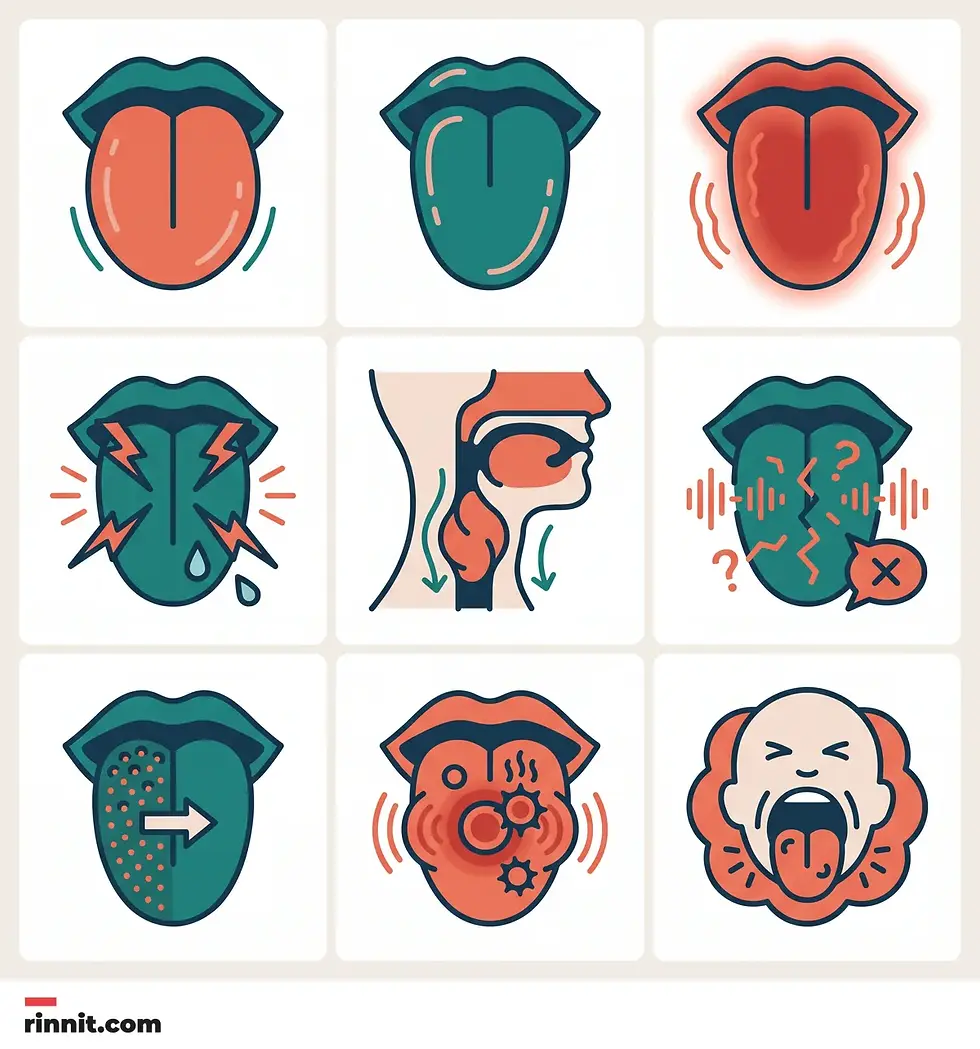
The symptoms of glossitis vary widely. Some people only notice a change in the tongue's appearance, while others have significant physical discomfort.
Symptom | Medical term | What you may notice |
Smooth surface | Papillae atrophy | The tongue looks shiny or "bald." [1] |
Discoloration | Erythema | The tongue turns deep red or "beefy" red [3]. |
Swelling | Edema | The tongue looks larger and may show teeth marks along the edges. |
Tenderness | Glossodynia | Pain or a burning feeling when eating or talking [3]. |
Functional issues | Dysphagia / dysarthria |
What Causes Glossitis?
Finding the cause of glossitis is the first step toward effective treatment. Glossitis is often a sign of another problem, so the cause may lie in the mouth or elsewhere in the body [2] [3].
Infections and Biological Triggers
Infections are a frequent driver of tongue inflammation. These can include:
Environmental and Lifestyle Factors
External irritants can trigger sudden inflammation:
Nutritional and Systemic Issues
Sometimes the tongue reflects what is happening inside the body:
How is glossitis diagnosed?
A healthcare professional usually diagnoses glossitis by examining the mouth and tongue [1] [2] [3]. They look for the characteristic loss of papillae and check how swollen the tongue is, and they may order tests to find the cause [2].
Test type | Purpose |
Physical exam | To check tongue texture, color, and degree of swelling. |
Blood tests | |
Swab or culture | To identify specific bacterial or fungal infections. |
Medical history | To look for allergies, medicines, or recent injuries that could be the cause. |
How is glossitis treated and managed?
Treatment for glossitis has two goals: reducing inflammation and treating the root cause. Once the trigger is managed, the tongue usually returns to its normal state [2] [3].

Medical Interventions
Depending on the diagnosis, a provider may recommend:
Home Care and Prevention
Daily habits play a significant role in recovery and long-term prevention:
Enhanced oral hygiene: Regular brushing, flossing, and gentle tongue cleaning [1] [2] [3].
Dietary adjustments: Avoid spicy, acidic, or very hot foods during recovery [3].
Hydration: Drink plenty of water to prevent dry mouth [3].
Avoid irritants: Limit tobacco and alcohol while the tongue heals [2] [3].
What is the outlook and recovery for glossitis?
For most people, glossitis is temporary and improves once the underlying cause is treated [2] [3]. If it is caused by a long-term deficiency or ongoing irritation, symptoms may keep coming back until that factor is addressed. Consistent oral care and a balanced diet are the best defenses against future episodes. See a healthcare provider if symptoms last longer than 10 days, and seek urgent care if swelling makes it hard to breathe or swallow [1] [2] [3].
Conclusion
Glossitis can be alarming and uncomfortable, but it is rarely life-threatening. By paying attention to changes in tongue texture and color, and seeking professional advice when symptoms persist, most people can recover fully. Maintaining a healthy mouth and a nutrient-rich diet helps keep the tongue a functional, pain-free part of daily life.
Frequently Asked Questions
What is the most common cause of glossitis?
Nutritional deficiencies, particularly low B vitamins and iron, are among the most frequent causes.
Can glossitis be contagious?
Glossitis itself isn't contagious. If it is caused by a viral or bacterial infection, the underlying germ may be transmissible, but the inflammation is not.
How long does it take for glossitis to go away?
Once the cause is treated, many cases improve within days to a couple of weeks, though glossitis caused by a nutritional deficiency can take longer to recover fully. Contact a healthcare provider if symptoms last longer than 10 days.
Does glossitis cause permanent damage?
In most cases, no. The papillae usually regrow once the inflammation settles and the cause is corrected.
Is a smooth tongue always a sign of glossitis?
A smooth tongue is a common sign, but it can also point to other conditions, so a professional diagnosis is needed.
Can stress cause glossitis?
Stress is not a well-established direct cause. It can contribute indirectly, for example through poor sleep, diet or immune function, which may make mouth sores or infections more likely.
Is glossitis painful?
Often, yes. Many people report a burning, tender, or sore sensation, though some notice only a change in appearance.
Can children get glossitis?
Yes. Children can develop it because of infections, injuries, allergies, or nutritional gaps.
What vitamins should I take for glossitis?
Vitamin B12, folate, and iron are the nutrients most often involved, but supplements should be taken only after a blood test confirms a deficiency.
Can toothpaste cause my tongue to swell?
Yes. Allergic reactions to flavorings or other ingredients in toothpaste are known triggers.
Should I brush my tongue if it's inflamed?
Gentle cleaning is recommended, but avoid vigorous scrubbing if the area is very sore.
Can spicy food make glossitis worse?
Yes. Spices, acids, and very hot foods can irritate an already inflamed tongue.
Is glossitis a sign of cancer?
Rarely, but persistent tongue changes should always be checked by a doctor or dentist to rule out oral cancer.
What is geographic tongue?
It is a type of glossitis, also called benign migratory glossitis, in which smooth red patches move around the surface of the tongue over time.
Can dry mouth lead to glossitis?
Yes. A lack of saliva increases the risk of irritation and bacterial or yeast growth.
Do I need a dentist or a doctor for glossitis?
Either can diagnose it. A dentist is often the first to notice changes during a routine checkup.
Can smoking cause glossitis?
Yes. Tobacco is a major irritant to the tongue's surface.
What is a "beefy red tongue"?
It is a term used to describe the intense, smooth redness often seen in glossitis from vitamin B12 deficiency.
Can dentures cause glossitis?
Ill-fitting dentures can cause mechanical irritation and trap bacteria or yeast against the tongue and gums.
Is glossitis related to anemia?
Yes. Iron-deficiency anemia and B12-related anemia are common associations.
Can I use mouthwash with glossitis?
Avoid alcohol-based mouthwashes, as they can cause stinging and dryness.
Does glossitis affect taste?
It can, because the papillae that carry the taste buds may shrink or be lost.
Can pregnancy cause glossitis?
Hormonal shifts and higher nutritional demands during pregnancy may sometimes contribute to it.
What is acute glossitis?
A sudden onset of tongue inflammation, often due to an allergy or injury.
Can alcohol consumption cause tongue inflammation?
Yes. Alcohol is a chemical irritant that can dry out and inflame mouth tissues.
What is atrophic glossitis?
A form in which the tongue loses its bumps and becomes smooth and glossy.
Can a tongue piercing cause glossitis?
Yes. Both the injury from the piercing and a possible infection can lead to swelling.
Is glossitis common in the elderly?
It can be more common in older adults because of higher rates of dry mouth, denture use, and nutritional challenges.
Can a burn from hot coffee cause glossitis?
Yes. Thermal injuries are a common cause of acute tongue inflammation.
What causes the glossy appearance?
The flattening or loss of the papillae, the tiny bumps on the tongue's surface.
Can oral thrush cause glossitis?
Yes. This fungal infection (candidiasis) is a frequent cause of tongue redness and soreness.
Should I go to the ER for a swollen tongue?
Yes, if the swelling is so severe that it makes breathing or swallowing difficult. Seek emergency care right away.
Can glossitis cause bad breath?
Yes. Bacteria trapped in the inflamed tissue can lead to bad breath.
Is there a natural cure for glossitis?
Improving diet and hydration can help, but infections and other underlying causes need proper medical treatment.
Can herpes cause glossitis?
Yes. The herpes virus can cause sores and inflammation in the mouth, including on the tongue.
What is the difference between glossitis and glossodynia?
Glossitis is inflammation (swelling and redness), while glossodynia is the sensation of pain or burning.
Can antibiotics cause glossitis?
Rarely. An allergic reaction to the medication or a secondary yeast infection can occur.
Is glossitis a symptom of COVID-19?
Some patients have reported "COVID tongue" (tongue inflammation), though it is not a main symptom of the illness.
Can I use salt water rinses for glossitis?
Warm salt water rinses may help soothe discomfort and keep the mouth clean, but they do not treat the underlying cause.
Does dehydration cause glossitis?
It contributes to dry mouth, which is a significant risk factor.
What is median rhomboid glossitis?
A type of tongue inflammation, usually linked to a Candida (yeast) infection, that appears as a smooth red patch in the middle of the back of the tongue.
Can low iron cause a sore tongue?
Yes. A sore, smooth tongue is one of the classic signs of iron deficiency.
Is glossitis linked to diabetes?
People with diabetes are more prone to oral thrush, which can lead to glossitis.
Can mouth breathing cause glossitis?
It dries out the tongue, which increases the risk of irritation.
What is the best food to eat with glossitis?
Soft, bland foods such as yogurt, mashed potatoes, or lukewarm soups are usually easiest to tolerate.
Can biting your tongue cause glossitis?
Yes. A significant bite can lead to localized or widespread inflammation.
Is glossitis related to celiac disease?
Malabsorption of nutrients in celiac disease can lead to deficiencies that cause glossitis.
Can certain fruits trigger glossitis?
Acidic fruits such as pineapple or citrus can irritate an already sensitive tongue.
What is the prognosis for chronic glossitis?
Generally good, provided the underlying cause is identified and managed.
How can I prevent glossitis?
Maintain good oral hygiene, eat a balanced diet, stay hydrated, and avoid tobacco.
Can glossitis cause a fever?
If the inflammation is due to an infection, a fever may occur.
Is glossitis the same as a canker sore?
No, but canker sores can occur alongside tongue inflammation.
Can glossitis affect my ability to sing?
If the swelling affects articulation or causes pain, it may temporarily affect singing.
What is the role of saliva in preventing glossitis?
Saliva washes away bacteria and keeps the tongue's surface moist and protected.
When should I see a doctor for a red tongue?
If the redness lasts more than 10 days or comes with significant pain or swelling.
References
Cleveland Clinic. Glossitis. Cleveland Clinic. Last updated August 16, 2022. https://my.clevelandclinic.org/health/diseases/23987-glossitis
MedlinePlus. Glossitis. MedlinePlus, National Library of Medicine. Updated by Kacker A; review date January 29, 2025. https://medlineplus.gov/ency/article/001053.htm
Sakr MF. Tongue Lesions: Diagnostic Challenges and Therapeutic Strategies. Springer; 2022. https://doi.org/10.1007/978-3-031-08198-9
Chen GY, Tang ZQ, Bao ZX. Vitamin B12 deficiency may play an etiological role in atrophic glossitis and its grading: a clinical case-control study. BMC Oral Health. 2022;22(1):456. PMID: 36307840. https://doi.org/10.1186/s12903-022-02464-z
Chiang CP, Chang JY, Wang YP, et al. Atrophic glossitis: etiology, serum autoantibodies, anemia, hematinic deficiencies, hyperhomocysteinemia, and management. J Formos Med Assoc. 2020;119(4):774-780. PMID: 31076315. https://doi.org/10.1016/j.jfma.2019.04.015
de Campos WG, Esteves CV, Fernandes LG, et al. Treatment of symptomatic benign migratory glossitis: a systematic review. Clin Oral Investig. 2018;22(7):2487-2493. PMID: 29982968. https://doi.org/10.1007/s00784-018-2553-4
Medical disclaimer
This article is for informational purposes only and is not a substitute for professional medical advice, diagnosis, or treatment. Always seek the advice of a qualified healthcare provider with any questions about a medical condition or before making decisions about treatment. Never disregard professional medical advice or delay seeking it because of something you have read here.



Comments