What Is Glomerular Disease? Symptoms, Causes, and Treatment Options

Updated: 3 days ago
Medically reviewed by Dr. Baraa Alnahhal, MD · Last reviewed: October 2026
Quick Answer
Glomerular disease is a group of conditions that damage the glomeruli, the tiny blood-vessel loops that filter blood in the kidneys [1]. When injured, they let protein and red blood cells escape into the urine while waste builds up in the blood [6] [8]. This can cause foamy or discolored urine, swelling and high blood pressure, though many people have no early symptoms [1] [5].
Key takeaways
What glomeruli do: They filter waste and extra water from the blood to make urine, while keeping blood cells and protein in the blood [5].
Main types of damage: Glomerulonephritis (inflammation) and glomerulosclerosis (scarring or hardening) [1].
Leading cause: Diabetes-related nephropathy is the leading cause of glomerular disease in the United States [1].
Common symptoms: Foamy urine, pink or light brown urine, swelling, and high blood pressure [1].
Treatment goal: Treat the underlying cause to protect the kidneys and prevent or slow progression to kidney failure.
What the research says
ACE inhibitors and ARBs lower protein loss, but proof of kidney protection is thinner. A Cochrane review of 80 studies (4,856 participants) in IgA nephropathy, the most common primary glomerular disease, found that renin-angiotensin system inhibitors, mostly ACE inhibitors and ARBs, probably decrease proteinuria compared with placebo or no treatment (mean difference −0.71 g/24 h; 3 studies, 199 participants; moderate-certainty evidence). They may make little or no difference to kidney failure or doubling of serum creatinine (low-certainty evidence). The review notes that roughly 20% to 40% of people with IgA nephropathy progress to kidney failure within 25 years (Tunnicliffe et al., Cochrane Database Syst Rev, 2024) [2].
A newer diabetes drug class slowed kidney damage in IgA nephropathy. In a pre-specified analysis of the DAPA-CKD trial, 270 people with IgA nephropathy (137 on dapagliflozin, 133 on placebo) were followed for a median of 2.1 years. The main kidney outcome occurred in 6 people (4%) on dapagliflozin and 20 (15%) on placebo (hazard ratio 0.29; 95% CI 0.12 to 0.73), and the urinary albumin-to-creatinine ratio fell 26% relative to placebo (Wheeler et al., Kidney Int, 2021) [3].
Steroids probably lower the risk of kidney failure when protein loss is heavy. A Cochrane review of 58 studies (3,933 participants) found that in people with IgA nephropathy and proteinuria above 1 g/day, a tapering course of steroids given for about two to four months probably reduced progression to end-stage kidney disease compared with placebo or standard care (8 studies, 741 participants; RR 0.39; 95% CI 0.23 to 0.65; moderate-certainty evidence). The authors note that evidence on harms is limited (Natale et al., Cochrane Database Syst Rev, 2020) [4].
How do the kidneys filter blood, and how does glomerular disease damage them?

The kidneys are the body’s main filters, and each one contains about one million nephrons [1] [5]. A nephron is made of a glomerulus attached to a small fluid-collecting tube called a tubule [1]. In a healthy kidney, the glomeruli act like a strainer: they keep blood cells and protein in the bloodstream, where the body needs them, and pass waste products and extra water into the tubule, which becomes urine [5].
When glomerular disease occurs, this filter is damaged. Instead of staying in the blood, protein (such as albumin) and red blood cells leak into the urine [6]. Albumin helps pull extra fluid from the body into the bloodstream so the kidneys can remove it, so losing it leaves fluid behind and causes swelling in the face, hands, feet, abdomen, and ankles. Damaged glomeruli also cannot clear waste properly, so waste products begin to build up in the blood [6] [8].
Types of glomerular injury
Damage to the glomeruli is usually described with two broad terms:
Common signs and symptoms
Many people with glomerular disease have no symptoms until the more advanced stages, and symptoms depend on the type of disease [5]. Signs can include one or more of the following:
Foamy urine: A sign of protein in the urine (proteinuria) [1] [7].
Pink or light brown urine: A sign of blood in the urine (hematuria) [1].
Swelling (edema): Often around the eyes, especially in the morning, and in the hands, feet, or ankles, especially at the end of the day.
High blood pressure: Hypertension [1], which can develop or get worse when the kidneys cannot regulate fluid.

What causes glomerular disease?
Glomerular damage can come from infections, medicines or chemicals that harm the kidney, diseases that affect the whole body, conditions that cause swelling or scarring of the glomeruli, and inherited conditions [1] [6]. In some cases the cause is never found [1] [6].
Autoimmune and hereditary conditions
In autoimmune diseases, the body’s immune system attacks its own tissues.
Systemic lupus erythematosus (SLE): Causes lupus nephritis [1] [5], which is inflammation of the glomeruli that can lead to scarring.
Goodpasture’s syndrome: A rare autoimmune disease in which antibodies attack the kidneys and the lungs [1] [5].
IgA nephropathy: Deposits of an antibody called immunoglobulin A (IgA) form in the glomeruli and cause inflammation [1].
Alport syndrome: An inherited condition that causes chronic glomerular disease, often along with hearing or vision problems [1].
Sclerotic and chronic conditions
Diabetes-related nephropathy: The leading cause of glomerular disease and of total kidney failure in the United States [1]. High blood sugar speeds blood flow into the kidney, which strains the glomeruli and can lead to scarring and high blood pressure.
Focal segmental glomerulosclerosis (FSGS): Scarring in part of the glomeruli, which can be due to a body-wide disease or an unknown cause [1] [5].
Infection- and medicine-related triggers
Post-infectious glomerulonephritis (PIGN): Can follow strep throat or a strep skin infection such as impetigo [1], when the immune system overproduces antibodies that settle in the glomeruli. It often needs no specific treatment [1].
Bacterial endocarditis: An infection of the tissues inside the heart that can be linked to kidney damage and is treated with antibiotics [1].
Viral infections: Hepatitis B, hepatitis C, and HIV can cause glomerular disease [1] [6].
Harmful medicines: Some drugs, such as NSAIDs, can harm the kidneys [6].
How is glomerular disease diagnosed?
Diagnosis starts with a medical history and physical exam, followed by laboratory and imaging tests to see how well the kidneys are working.
Urinalysis: Checks the urine for protein, red blood cells, and white blood cells [1], which can point to infection or inflammation.
Blood tests: Measure creatinine and urea nitrogen and are used to calculate the glomerular filtration rate (GFR), which shows how well the kidneys are filtering [1].
Ultrasound: Shows the size and shape of the kidneys [6] and can reveal structural abnormalities.
Kidney biopsy: A needle removes a tiny piece of kidney tissue to be examined under a microscope [6]. In many glomerular diseases a biopsy is needed to confirm the exact type [5].
Depending on the findings, providers may also order extra blood tests for infections or autoimmune diseases, antibody tests, or genetic testing [1] [5].
How is glomerular disease treated and managed?
The main goal is to treat the underlying cause, if it can be found, and to protect the kidneys from further damage. Early diagnosis and early treatment give the best chance of a good outcome. Treatment usually combines medicines with lifestyle changes.
Medical treatments
Blood pressure control: ACE inhibitors or ARBs are commonly used to lower blood pressure and reduce protein loss in the urine [5] [6].
Fluid management: Diuretics (water pills) help the body get rid of extra fluid and reduce swelling [6].
Immune suppression: Corticosteroids or other immunosuppressants, such as mycophenolate mofetil, are used for autoimmune-driven disease [1] [6].
Plasmapheresis: A procedure that removes the plasma containing harmful antibodies from the blood in certain autoimmune conditions [1].
Other medicines: Depending on the disease, providers may also use SGLT2 inhibitors to slow kidney damage or statins to lower cholesterol [6].
Lifestyle and advanced care
Most people with glomerular disease are advised to cut back on sodium [5], which helps with fluid retention and blood pressure. Depending on the form of disease, kidney function can be lost over days or weeks or gradually over decades. If the disease progresses to kidney failure, dialysis or a kidney transplant is needed to stay alive [5] [6].
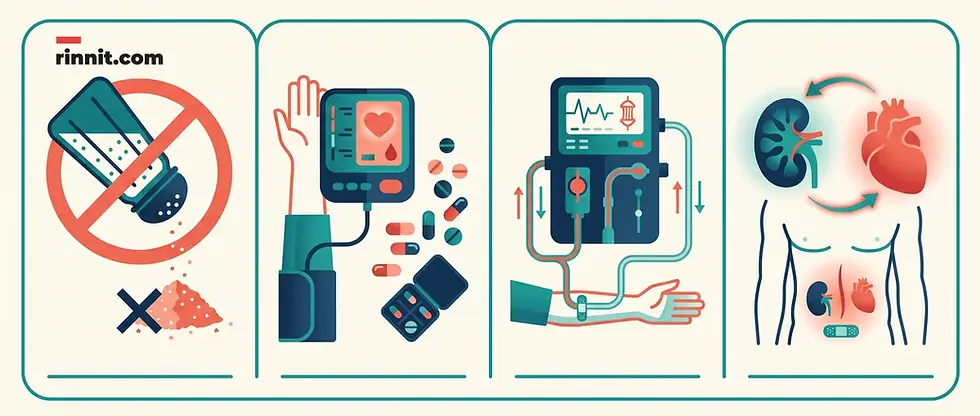
How can you protect your kidneys from glomerular disease?
Not every cause of glomerular disease can be prevented, but keeping a healthy weight, limiting salt, managing blood pressure and blood sugar, and not smoking lower the risk [1].
Keep a healthy weight [1]. Gaining excess weight strains the body’s organs, including the kidneys.
Keep salt low: Do not add extra salt to food [1].
Manage blood pressure and blood sugar [1]: Take prescribed medicines and follow the goals you set with your provider.
Do not smoke [1]. Smoking damages blood vessels throughout the body.
See a provider early: As soon as you notice signs of glomerular disease, get checked so treatable causes can be found [1].
Conclusion
Glomerular diseases can quietly threaten kidney health, sometimes with no symptoms until the disease is advanced [5]. By understanding what the glomeruli do and recognizing early warning signs such as foamy urine and swelling, you can seek care sooner. With blood pressure management, dietary changes, and treatment aimed at the underlying cause, the progression of glomerular damage can often be slowed, helping to preserve kidney function.
For more visual health guides and educational resources, explore Rinnit's infographic templates.
Frequently Asked Questions
What are the most common causes of glomerular disease?
The leading cause is diabetes-related nephropathy. Other causes include autoimmune diseases such as lupus, infections, some medicines, and inherited conditions.
Can glomerular disease be cured?
If the cause is an acute infection, it may resolve on its own or with treatment. Chronic forms caused by conditions such as diabetes or lupus are usually managed rather than cured, with the goal of preventing kidney failure.
What is the difference between glomerulonephritis and glomerulosclerosis?
Glomerulonephritis is inflammation of the glomeruli, while glomerulosclerosis is scarring or hardening of them.
How does diabetes affect the glomeruli?
High blood sugar speeds blood flow into the kidney, which strains the glomeruli and can eventually lead to scarring and high blood pressure.
What does foamy urine mean?
Foamy urine is a common sign of proteinuria, which means protein is leaking into the urine instead of staying in the blood.
Is swelling always a sign of kidney disease?
No, but ongoing swelling in the face, hands, ankles, or feet is a classic sign of glomerular disease and should be checked.
What is a kidney biopsy?
A procedure in which a needle removes a small piece of kidney tissue to be examined under a microscope. It helps identify the specific type of glomerular disease.
What is GFR?
GFR stands for glomerular filtration rate. It is calculated from blood tests and shows how well your kidneys are filtering waste.
Can infections cause sudden kidney damage?
Yes. Acute post-infectious glomerulonephritis can develop rapidly after an infection such as strep throat.
What is IgA nephropathy?
An autoimmune condition in which the antibody immunoglobulin A builds up in the glomeruli and causes inflammation.
What are ACE inhibitors used for in kidney disease?
They help control blood pressure and reduce the amount of protein that leaks into the urine.
Does high salt intake make glomerular disease worse?
Yes. Salt makes the body hold on to fluid, which raises blood pressure and strains damaged kidneys.
What happens if glomerular disease leads to kidney failure?
People with kidney failure need dialysis, which filters the blood with a machine, or a kidney transplant.
What is lupus nephritis?
Inflammation of the glomeruli caused by systemic lupus erythematosus (SLE).
Are there hereditary forms of glomerular disease?
Yes. Alport syndrome is a well-known inherited condition that affects the glomeruli and often includes hearing or vision loss.
What is Goodpasture’s syndrome?
A rare autoimmune disease in which the immune system attacks both the kidneys and the lungs.
Can hepatitis cause kidney disease?
Yes. Hepatitis B and hepatitis C are known viral causes of glomerular damage.
What is minimal change disease?
A form of kidney disease in which the glomeruli look normal under a standard microscope. It is most common in children, and steroids often lead to remission.
What is membranous nephropathy?
A disease that attacks the membrane layer of the glomeruli. It is a common cause of kidney disease in adults, and some people recover without treatment.
How is edema treated?
Doctors often prescribe diuretics to help the body flush out extra fluid, along with cutting back on salt.
Is glomerular disease painful?
The disease itself usually does not cause pain, but swelling and high blood pressure can cause discomfort and headaches.
Can children get glomerular disease?
Yes. Some types, such as minimal change disease and post-infectious glomerulonephritis, are more common in children.
What is the role of albumin?
Albumin is a blood protein that helps keep fluid in the bloodstream so the kidneys can filter it.
What color is urine with hematuria?
It usually looks pink, red, or light brown, and sometimes the blood can be seen only under a microscope.
Can medications cause glomerular disease?
Yes. Some medicines and chemicals, such as NSAIDs, can harm the glomeruli.
What is FSGS?
Focal segmental glomerulosclerosis is a condition in which scarring affects parts of some glomeruli.
How long does a kidney biopsy take?
The procedure itself is quick, but you will likely stay in the hospital for several hours afterward so you can be monitored.
Can high blood pressure cause glomerular disease?
Yes. Long-term high blood pressure can damage the small blood vessels in the kidneys over time.
What is plasmapheresis?
A process that removes plasma, which contains harmful antibodies, from the blood and replaces it. It is used in some autoimmune kidney diseases.
Is there a specific diet for glomerular disease?
Most people are advised to lower their sodium (salt) intake. Depending on the stage, your care team may also suggest limiting protein or potassium.
Can I exercise with glomerular disease?
Usually yes. Moderate exercise can help control blood pressure and support overall health, but check with your care team first.
What is nephrotic syndrome?
A group of symptoms that includes a lot of protein in the urine, low protein in the blood, swelling, and high cholesterol, often caused by glomerular damage.
What is the outlook for glomerular disease?
It varies a lot with the cause. Some people are managed for decades, while others progress more quickly to kidney failure. Early diagnosis and treatment give the best chance of a good outcome.
How often should I have my kidneys checked?
If you have risk factors such as diabetes or high blood pressure, ask your provider about regular kidney screening, usually once a year.
Can stress cause glomerular disease?
Stress does not directly cause it, but it can worsen high blood pressure, which can affect the kidneys.
What is bacterial endocarditis?
An infection of the tissues inside the heart that can be linked to kidney damage.
Are there vaccines for glomerular disease?
No vaccine prevents the disease itself, but vaccination against viruses such as hepatitis B can prevent infection-related cases.
Can I live a normal life with glomerular disease?
With proper management and treatment, many people live full, active lives.
What matters most in managing kidney disease?
Treating the underlying cause, controlling blood pressure and blood sugar, and getting care early all matter.
Does smoking affect glomerular disease?
Smoking damages blood vessels throughout the body, including in the kidneys, and quitting is advised.
Can pregnancy be affected by glomerular disease?
Yes. Kidney disease can raise the risk of pregnancy complications such as preeclampsia, so close monitoring by a specialist is important.
What are corticosteroids?
Anti-inflammatory medicines, such as prednisone, used to calm the immune system and reduce inflammation in the kidneys.
What is creatinine?
A waste product in the blood that the kidneys normally filter out. High levels suggest the kidneys are not working well.
Can glomerular disease cause anemia?
Yes. As kidney function declines, the kidneys make less of the hormone needed to produce red blood cells.
Is glomerular disease contagious?
No. The disease itself is not contagious, although some of its causes, such as certain viruses, can spread.
What is a tubule?
A small tube in the nephron that collects the fluid filtered by the glomerulus, which becomes urine.
How do diuretics work?
They signal the kidneys to release more sodium into the urine, which takes water with it and lowers the amount of fluid in the body.
What is a nephrologist?
A doctor who specializes in diagnosing and treating kidney diseases.
Can glomerular disease cause bone problems?
Chronic kidney disease can upset the body’s balance of calcium and phosphate, which can weaken bones.
Where can I find more information?
Talk to your healthcare provider, or visit trusted sources such as the National Kidney Foundation.
Related Reading
Helpful Resources
References
Cleveland Clinic. Glomerular Diseases. Cleveland Clinic. Medically reviewed; last updated June 5, 2021. https://my.clevelandclinic.org/health/diseases/5993-glomerular-diseases
Tunnicliffe DJ, Reid S, Craig JC, et al. Non-immunosuppressive treatment for IgA nephropathy. Cochrane Database Syst Rev. 2024;2(2):CD003962. PMID: 38299639. https://doi.org/10.1002/14651858.CD003962.pub3
Wheeler DC, Toto RD, Stefánsson BV, et al. A pre-specified analysis of the DAPA-CKD trial demonstrates the effects of dapagliflozin on major adverse kidney events in patients with IgA nephropathy. Kidney Int. 2021;100(1):215-224. PMID: 33878338. https://doi.org/10.1016/j.kint.2021.03.033
Natale P, Palmer SC, Ruospo M, et al. Immunosuppressive agents for treating IgA nephropathy. Cochrane Database Syst Rev. 2020;3(3):CD003965. PMID: 32162319. https://doi.org/10.1002/14651858.CD003965.pub3
National Kidney Foundation. Glomerular Diseases. National Kidney Foundation. Medically reviewed by the NKF Patient Education Team; last updated February 19, 2026. https://www.kidney.org/kidney-topics/glomerular-diseases
National Institute of Diabetes and Digestive and Kidney Diseases (NIDDK). Glomerular Disease. NIDDK. Last reviewed June 2022. https://www.niddk.nih.gov/health-information/kidney-disease/glomerular-disease
American Kidney Fund. Glomerulonephritis (Glomerular Disease). American Kidney Fund. Medically reviewed by AKF's Medical Advisory Committee; last updated February 4, 2022. https://www.kidneyfund.org/all-about-kidneys/other-kidney-diseases/glomerulonephritis-glomerular-disease
O'Brien F. Overview of Kidney Filtering Disorders. Merck Manual Consumer Version. Full review April 2025; last updated September 2026. https://www.merckmanuals.com/home/kidney-disorders/kidney-filtering-disorders/overview-of-kidney-filtering-disorders
Medical disclaimer
This article is for informational purposes only and is not a substitute for professional medical advice, diagnosis, or treatment. Always seek the advice of a qualified healthcare provider with any questions about a medical condition or before making decisions about treatment. Never disregard professional medical advice or delay seeking it because of something you have read here.



Comments