What Is Gingival Hyperplasia? Causes, Symptoms, and Treatment Options

Updated: 2 days ago
Medically reviewed by Dr. Baraa Alnahhal, MD · Last reviewed: October 2026
Quick Answer
Gingival hyperplasia is the abnormal enlargement of gum tissue [6]. It can be triggered by plaque-induced inflammation, genetic factors or side effects of drugs such as antiseizure medications, immunosuppressants and calcium channel blockers [1] [6] [5] [7]. Diagnosis typically involves a dental exam and periodontal charting [1], and treatments range from deep cleanings to surgical procedures such as a gingivectomy [1].
Key takeaways
Primary symptom: Puffy, swollen, or overgrown gums that may cover the teeth [1] [6].
Common causes: Poor oral hygiene, certain medications, hormonal shifts, braces and genetics [1].
Main risk: Increased vulnerability to cavities, gum disease, and tooth loss [1].
Treatment path: Improved hygiene, professional cleanings, or surgical removal [1] [5].
Prevention: Regular brushing, flossing, and antiseptic mouthwash use [1] [5].
What the research says
Medicines and poor hygiene drive many cases, and plaque control is central to treatment. A systematic review and meta-analysis screened 3,609 entries and included 349 papers. It found that a substantial proportion of people taking phenytoin, calcium channel blockers or cyclosporine A developed drug-influenced gum enlargement, and that poor oral hygiene was the most consistent risk factor. Oral hygiene instruction and professional plaque removal appeared effective, and changing the offending medicine was a valid option (Nibali et al., J Clin Periodontol, 2026) [2].
Laser surgery may mean less bleeding and pain than a scalpel for braces-related overgrowth. A systematic review of 7 randomized trials found intraoperative and postoperative bleeding and pain were significantly lower with diode laser gingivectomy than with scalpel surgery or non-surgical periodontal therapy for orthodontic treatment-induced gum enlargement. The authors note the quality of the evidence is limited (Maboudi et al., Photobiomodul Photomed Laser Surg, 2023) [3].
Children are affected too, mostly by drug-induced and inherited forms. A literature review found the most common types of gum overgrowth in children are drug-induced overgrowth, hereditary gingival fibromatosis and neurofibromatosis type I, with drug-induced overgrowth more prevalent in male children and adolescents (Doufexi et al., J Periodontol, 2005) [4].
What is gingival hyperplasia?
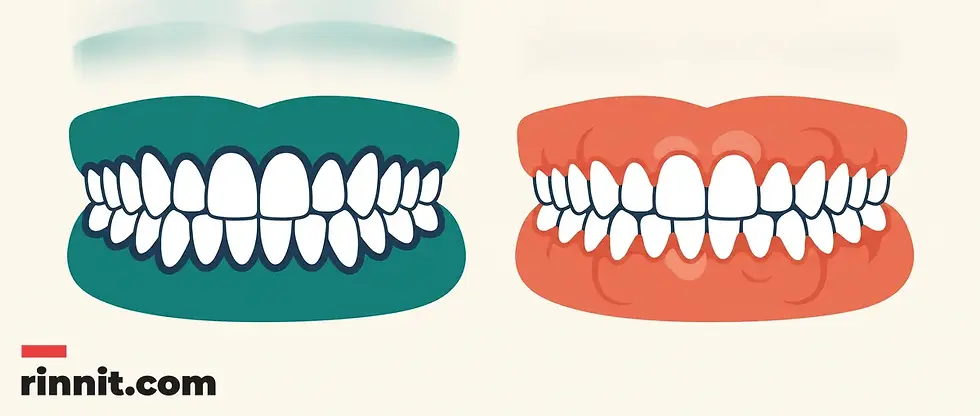
Gingival hyperplasia is a clinical condition characterized by the overgrowth of gum tissue (gingiva) [1] [6]. This enlargement can lead to gums that appear puffy or swollen [1], often resulting in a “gummy smile” where the teeth seem disproportionately small [1] [8]. While the condition itself may be painless in its early stages, the excess tissue creates deep pockets around the teeth that trap bacteria, significantly increasing the risk of secondary oral health complications such as periodontitis and tooth decay.
The condition is not a single disease but rather a response to various internal and external triggers. It can affect people of all ages, though it is more common during periods of significant hormonal change or among people taking certain medications long term.
Common signs and symptoms
Identifying gingival hyperplasia early helps prevent damage to the structures that support the teeth. Common signs include:
Swollen gums: Gums look thick and rounded and may cover a significant portion of the tooth crown [6] [5].
Bleeding: Gums that bleed easily during brushing, flossing, or even while eating [1].
Tenderness: Soreness or discomfort in the gum tissue, especially when it is inflamed [1] [6].
Small-looking teeth: Teeth look shorter or smaller than usual because extra gum tissue covers part of the crown [1] [8].

What are the main causes of gingival hyperplasia?
Gingival enlargement is usually grouped by its underlying trigger. Plaque-induced inflammation is one of the most frequent causes, but several other factors can also lead to significant tissue growth.
1. Medication-induced hyperplasia
Certain classes of drugs are well documented to cause gum overgrowth as a side effect [1] [6] [5] [7]. These medicines are thought to change how gum cells respond to inflammation and calcium movement, so excess tissue builds up [5] [7].
Antiseizure drugs: Used to manage epilepsy and other seizure disorders (for example, phenytoin) [6] [5] [7].
Immunosuppressants: Prescribed after organ transplants or for autoimmune conditions (for example, cyclosporine) [6] [5] [7].
Calcium channel blockers: Used to treat high blood pressure and heart conditions (for example, nifedipine) [6] [5] [7].
If you take one of these medicines and notice your gums changing, do not stop it on your own. Talk to the doctor who prescribed it and to your dentist.
2. Inflammatory and hygiene factors
Poor oral hygiene leads to a build-up of dental plaque. When plaque stays on the teeth for long periods, the body’s inflammatory response can make the gums swell and eventually grow in volume [1]. The risk is higher for people undergoing orthodontic treatment, such as braces or Invisalign [1] [2], because these appliances make cleaning harder.
3. Hormonal and genetic influences
Major shifts in hormone levels, such as those during puberty, pregnancy, or menopause, can make gum tissue more sensitive to irritation and prone to enlargement [1]. Some people are also genetically predisposed through rare conditions such as hereditary gingival fibromatosis [1] [4] [6].
How is gingival hyperplasia diagnosed?
If you notice gum swelling that does not go away, see a dentist or periodontist [1]. Diagnosis usually involves several steps to work out how severe the overgrowth is and what is causing it.
Clinical examination: The provider inspects the gums for signs of inflammation and plaque build-up [1].
Periodontal charting: A small probe measures the depth of the “pockets” between the teeth and gums. Deeper pockets can point to more significant overgrowth or underlying bone loss [1].
Imaging: Dental X-rays assess the health of the jawbone and the roots of the teeth [1] [5].
Biopsy: In rare or complex cases, a small tissue sample may be taken to rule out other conditions [1] [6] [5] [7].
How is gingival hyperplasia treated and managed?
The goal of treatment is to remove excess tissue, clear any infection, and make the teeth easier to keep clean. The right approach depends on the cause and severity of the overgrowth.
Non-surgical approaches
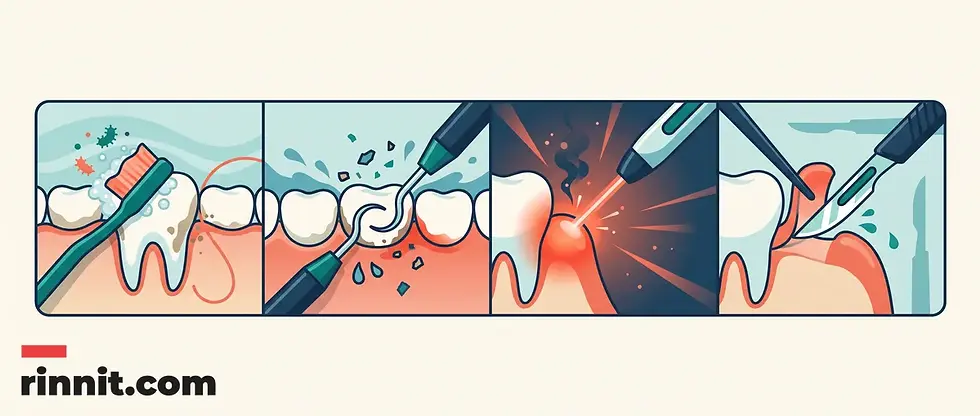
For mild cases, particularly those caused by poor hygiene, non-invasive methods are often effective [1] [6]:
Improved home care: More thorough brushing and flossing can often reverse early-stage inflammation [1] [6].
Professional cleanings: Routine cleanings remove the plaque and tartar that home care cannot reach [1] [2] [5].
Scaling and root planing: A deep-cleaning procedure that reaches below the gum line to remove bacteria from the tooth roots [1].
Surgical and advanced options
When the overgrowth is severe or interferes with function, surgery may be needed:
Gingivectomy: Surgical removal of excess gum tissue to restore the natural gum line [1] [5] [8].
Laser gum therapy: A handheld laser removes excess tissue and can seal the area to reduce bleeding [1] [5].
Pocket reduction surgery: A more involved procedure used when the overgrowth comes with advanced gum disease (periodontitis) [1].
How can gingival hyperplasia be prevented and cared for long term?
Keeping a healthy gum line takes steady effort, especially if you are prone to overgrowth because of genetics or a medicine you need.
Daily hygiene: Brush at least twice a day with a soft-bristled brush and fluoride toothpaste, and floss once a day to reach between the teeth [1].
Antiseptic rinses: An antiseptic mouthwash can help reduce the amount of bacteria in the mouth [5].
Regular checkups: See a dentist regularly (often at least twice a year) for professional cleanings and early detection of changes in gum health.
Medication review: If a medicine is causing the problem, ask your doctor about alternatives or dose changes [1] [5] [7].
Conclusion
Gingival hyperplasia is a manageable condition, but it needs proactive care to prevent long-term damage to your smile. By combining professional dental treatment with a consistent home hygiene routine, most people can restore their gum health [1].
For more visual health guides and educational resources, explore Rinnit's infographic templates.
Frequently Asked Questions
What is gingival hyperplasia?
It is a condition where the gum tissue grows excessively, often covering part of the teeth.
Is gum overgrowth painful?
Not always. It can be painless, but it often leads to inflammation and tenderness.
Can poor hygiene cause it?
Yes. Plaque build-up is a leading cause of inflammatory gum enlargement.
Which medications cause gum overgrowth?
Antiseizure drugs, immunosuppressants, and calcium channel blockers are the most common culprits.
Does pregnancy cause gingival hyperplasia?
Hormonal changes during pregnancy can trigger gum swelling and overgrowth.
What does “gummy smile” mean?
It refers to a smile in which a large amount of gum tissue shows. Overgrown gums can cause or worsen it.
Can braces cause gum enlargement?
Yes. Braces can trap plaque and make cleaning difficult, which can lead to inflammation and overgrowth.
Is gingival hyperplasia genetic?
Some rare forms, such as hereditary gingival fibromatosis, are inherited.
How is it diagnosed?
Through a dental exam and periodontal charting, and sometimes X-rays or a biopsy.
What is a gingivectomy?
A surgical procedure to remove excess gum tissue.
Can laser therapy treat gum overgrowth?
Yes. A laser can remove tissue precisely and help reduce bleeding.
What is scaling and root planing?
A deep-cleaning procedure that removes bacteria from below the gum line.
Can I reverse gum overgrowth at home?
Mild inflammatory cases may improve with better brushing and flossing.
What happens if I don't treat it?
It can lead to cavities, gum disease, and eventually tooth loss.
Do overgrown gums trap bacteria?
Yes. They create deep pockets that are hard to clean.
Is it the same as gingivitis?
No. Gingivitis is inflammation of the gums, while hyperplasia is actual tissue overgrowth, although the two often occur together.
Can children get gingival hyperplasia?
Yes, especially during puberty or if they have certain genetic conditions or take certain medicines.
How often should I brush?
At least twice a day with a soft toothbrush.
Should I use mouthwash?
An antiseptic mouthwash is recommended to help control bacteria.
Can I switch medications if my gums are growing?
Talk to your doctor first. They may be able to offer an alternative or adjust the dose, but you should not stop a prescribed medicine on your own.
How long does recovery take after surgery?
It usually takes a few weeks, depending on the extent of the procedure.
Does it come back after surgery?
It can, especially if the underlying cause, such as a medication, has not been addressed.
Are there different types of hyperplasia?
Yes. Gum enlargement is commonly grouped into inflammatory, drug-induced, hereditary, and systemic causes.
Can vitamin C deficiency cause it?
Severe deficiency (scurvy) can cause tender, bleeding gums, but it is uncommon today.
Is it a sign of cancer?
Usually not, but a biopsy is sometimes used to rule out other conditions.
What is a periodontal probe?
A small tool used to measure the depth of the space between the gum and the tooth.
Can Invisalign cause gum overgrowth?
Like braces, any orthodontic appliance can raise the risk if hygiene is poor.
Does smoking affect it?
Smoking worsens gum health and can complicate the condition.
What is the best toothpaste for this?
A fluoride toothpaste is generally recommended.
Can I use an electric toothbrush?
Yes. Electric toothbrushes are often very effective at removing plaque.
Is a water flosser helpful?
It can help clean around deep pockets created by overgrown tissue.
What are “periodontal pockets”?
The spaces between the teeth and gums that become deeper when gum tissue overgrows.
Can diabetes cause gum overgrowth?
Diabetes raises the risk of gum disease, which can include swelling.
Does menopause affect gum health?
Yes. Hormonal shifts can lead to a range of gum problems.
Is gingival hyperplasia contagious?
No. It is not an infectious disease.
Can I get a cleaning if my gums are overgrown?
Yes. Professional cleaning is a key part of treatment.
What is nifedipine?
A calcium channel blocker used for blood pressure and heart conditions that is known to sometimes cause gum overgrowth.
What is phenytoin?
An antiseizure medication that frequently causes gum overgrowth.
What is cyclosporine?
An immunosuppressant that can trigger gum tissue growth.
Does the overgrowth happen quickly?
It usually develops gradually over weeks to months.
Can I use salt water rinses?
They can help soothe inflamed gums but will not remove excess tissue.
Are there any natural remedies?
Good hygiene is key, but there is no natural way to remove existing excess tissue.
Will my teeth fall out?
If it is left untreated, the resulting gum disease can lead to tooth loss.
Is surgery expensive?
Costs vary by procedure and location, and some dental insurance plans may cover it when it is considered medically necessary. Check with your provider.
Can I eat normally after surgery?
You will likely need to eat soft foods for a few days.
How do I know if my gums are healthy?
Healthy gums are firm, pink, and do not bleed when you brush.
Does age matter?
It can happen at any age, but certain life stages carry a higher risk.
Can I prevent genetic hyperplasia?
You cannot change the genetic trait, but you can manage the symptoms.
What is a periodontist?
A dentist who specializes in treating the structures that support the teeth.
Should I see a doctor or a dentist?
Start with a dentist. They will refer you to a specialist if needed.
Related Reading
References
Cleveland Clinic. Gingival Hyperplasia. Cleveland Clinic. Medically reviewed; last updated February 26, 2025. https://my.clevelandclinic.org/health/diseases/gingival-hyperplasia
Nibali L, Lu EM, Paz HES, et al. Risk factors and management of gingival enlargement: a systematic review and meta-analysis. J Clin Periodontol. 2026 (Epub June 8). PMID: 42260319. https://doi.org/10.1111/jcpe.70125
Maboudi A, Fekrazad R, Shiva A, et al. Gingivectomy with diode laser versus the conventional scalpel surgery and nonsurgical periodontal therapy in treatment of orthodontic treatment-induced gingival enlargement: a systematic review. Photobiomodul Photomed Laser Surg. 2023;41(9):449-459. PMID: 37738371. https://doi.org/10.1089/photob.2023.0060
Doufexi A, Mina M, Ioannidou E. Gingival overgrowth in children: epidemiology, pathogenesis, and complications. A literature review. J Periodontol. 2005;76(1):3-10. PMID: 15830631. https://doi.org/10.1902/jop.2005.76.1.3
Tungare S, Paranjpe AG. Drug-Induced Gingival Overgrowth. In: StatPearls [Internet]. Treasure Island (FL): StatPearls Publishing; 2026 Jan-. Last update September 19, 2022. PMID: 30860753. https://www.ncbi.nlm.nih.gov/books/NBK538518/
American Academy of Oral Medicine. Gingival Enlargement. AAOM Patient Condition Information. Updated January 22, 2015. https://www.aaom.com/index.php?option=com_content&view=article&id=132:gingival-enlargement&catid=22:patient-condition-information&Itemid=120
Teruya H, Yano H, Kinjo M. Gingival hyperplasia. Intern Med. 2024;63(17):2475. PMID: 38311423. https://doi.org/10.2169/internalmedicine.3106-23
Brizuela M, Ines D. Excessive Gingival Display. In: StatPearls [Internet]. Treasure Island (FL): StatPearls Publishing; 2025 Jan-. Updated March 19, 2023. PMID: 29262052. https://pubmed.ncbi.nlm.nih.gov/29262052/
Medical disclaimer
This article is for informational purposes only and is not a substitute for professional medical advice, diagnosis, or treatment. Always seek the advice of a qualified healthcare provider with any questions about a medical condition or before making decisions about treatment. Never disregard professional medical advice or delay seeking it because of something you have read here.



Comments