What Is Chilblain Lupus? Symptoms, Causes, Treatment and Prevention

Updated: 2 days ago
Medically reviewed by Dr. Baraa Alnahhal, MD · Last reviewed: October 17, 2026
Quick Answer
Chilblain lupus is a rare skin complication of cutaneous lupus that causes painful red or purple sores, most often on the fingers, heels, soles and toes, triggered or worsened by cold and wet weather. [7] A skin biopsy usually confirms it. [7] Mild cases respond to cold protection and quitting smoking. [7] About 18% of non-inherited cases progress to systemic lupus. [7]
Key takeaways
Chilblain lupus is an uncommon type of lupus affecting the skin (cutaneous lupus erythematosus or CLE). [7]
It causes painful red or purple sores and discolored skin patches (plaques) that form or worsen after cold exposure. [7]
Sores most often appear on the fingers, heels, soles of the feet, and toes, and less commonly on the palms, knees, nose, or ears. [7]
It can be inherited (TREX1 or SAMHD1 gene variants) or sporadic (developing randomly, usually in adulthood). [1] [7]
Diagnosis is typically made with a skin biopsy examined under a microscope. [7]
Treatment spans cold protection and smoking cessation to antibiotics, antimalarials, calcineurin inhibitors, calcium channel blockers, and steroids. [7]
About 18% of people with non-inherited chilblain lupus go on to develop systemic lupus erythematosus. [7]
What the research says
Rare, chronic, and linked to systemic lupus in up to 20% of patients. A review of chilblain lupus describes it as a rare, chronic form of cutaneous lupus. Two families with autosomal dominant inheritance have had missense mutations in TREX1, while the cause of the sporadic form remains unknown. Up to 20% of patients develop systemic lupus erythematosus. Many patients respond well to symptomatic therapy, but systemic lupus drugs help lupus-type symptoms rather than the chilblains themselves. The review includes a single case report, so its treatment observations are limited (Hedrich et al., Clin Rheumatol, 2008). [1]
A single TREX1 mutation explained one family's inherited chilblain lupus. Researchers studying a family with familial chilblain lupus, which begins in early childhood with ulcerating skin lesions on the hands and feet, joint pain, and circulating antinuclear antibodies, identified a heterozygous missense mutation (D18N) in TREX1. Mutant TREX1 enzymes were inactive, and cells carrying the mutation were significantly less sensitive to granzyme A-mediated cell death. This was a single-family laboratory study (Lee-Kirsch et al., J Mol Med, 2007). [2]
Chilblains that last beyond winter can signal an underlying connective tissue disease. In a study of 33 patients with chilblains lasting more than a month, 22 had at least one abnormality suggesting connective tissue disease, and 8 had systemic lupus erythematosus at their first evaluation. Female sex and lesions persisting beyond the cold seasons were significantly associated with chilblain lupus, and two patients developed severe systemic lupus during follow-up. The authors recommend long-term follow-up for these patients (Viguier et al., Medicine, 2001). [3]
What Is Chilblain Lupus?

Chilblain lupus is an uncommon type of lupus that affects your skin (cutaneous lupus erythematosus, or CLE). [7] Chilblain lupus causes painful red or purple sores and discolored patches (plaques) of skin. These small sores, known as chilblains, form or worsen after exposure to cold temperatures. [7] The word "chilblain" comes from words that mean "cold" and "sore." [7] For most people, avoiding cold temperatures and taking medications keep symptoms at bay. [7]
Chilblain lupus is a rare complication of cutaneous lupus erythematosus. [7] For many people, the condition develops after being diagnosed with the most common type of lupus, systemic lupus erythematosus (SLE). Other people get the disease randomly. Either way, the condition can be uncomfortable and debilitating. If you notice itchy, raised patches or plaques, especially on your fingers or toes, reach out to a healthcare provider for treatment.
Symptoms of Chilblain Lupus
Chilblain lupus causes red or purple skin patches or sores. [7] Usually, these sores appear on the fingers, heels, soles of the feet, and toes. [7] Less commonly, sores may appear on the palms of the hands, knees, nose, or ears. [7] Typically, these sores appear or worsen in cold or wet weather. [7]
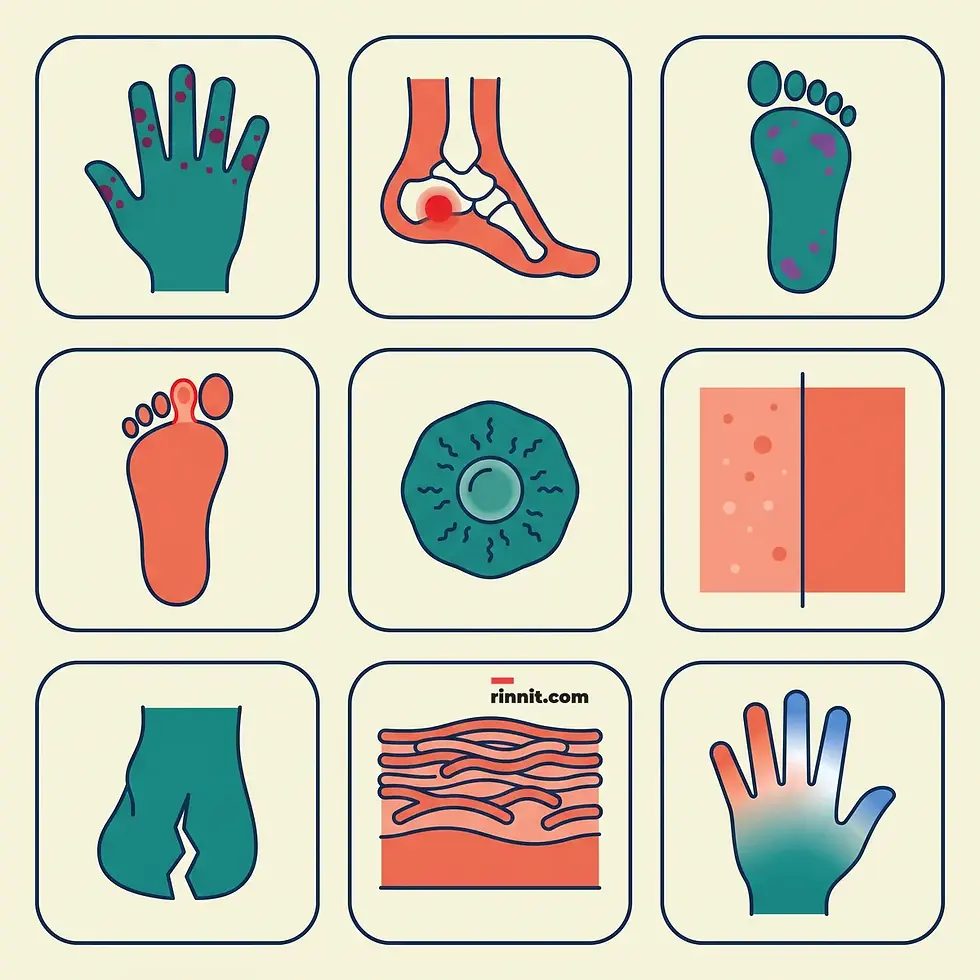
Symptom | Description |
Red or purple sores | Painful sores and discolored patches (plaques) of skin |
Blisters or ulcers | Open sores caused by poor blood circulation |
Depigmentation | Patches of skin lightening or losing color |
Heel fissures | Deep cracks in the skin on your heels |
Hyperkeratosis | Skin thickening |
Raynaud's phenomenon | Temporary blood restriction in your fingers and toes |
Where Do Chilblain Lupus Sores Appear?
Location | Frequency |
Fingers | Usual |
Heels | Usual |
Soles of feet | Usual |
Toes | Usual |
Palms of hands | Less common |
Knees | Less common |
Nose | Less common |
Ears | Less common |
What Causes Chilblain Lupus?
Chilblain lupus can be inherited (genetic) or sporadic (random). Sporadic chilblain lupus means you develop the condition later in life, usually as an adult. Researchers don't know why it occurs. [1] [7]
People with inherited chilblain lupus have a gene variant (change). A change in either the TREX1 or SAMHD1 gene can lead to chilblain lupus. The TREX1 gene helps with DNA repair, while the SAMHD1 gene plays a role in your immune response. Both gene mutations can be found in people who have a biological family history of the disease or who develop it as children. [2] [7]
Gene | Normal Role | Effect of Variant |
TREX1 | Helps with DNA repair | Can lead to inherited chilblain lupus; found in people with family history or childhood onset |
SAMHD1 | Plays a role in the immune response | Can lead to inherited chilblain lupus; found in people with family history or childhood onset |
Risk Factors
Anyone can develop chilblain lupus, but it is most common in adults. People who live in cold, wet climates may be more likely to have chilblain lupus. Some conditions can increase a person's chances of getting it, including anorexia nervosa (a life-threatening eating disorder), intestinal lymphoma (a rare type of lymphoma that starts in the small bowel), and pregnancy. [1] [7]
Complications
Without treatment, chilblain lupus skin lesions can get infected. People with chilblain lupus have higher risks of bacterial skin infections (cellulitis). In addition, if you haven't developed it already, chilblain lupus can also lead to systemic lupus erythematosus. [7]
How Is Chilblain Lupus Diagnosed?
A dermatologist or a rheumatologist can diagnose chilblain lupus. Healthcare providers usually use a test called a skin biopsy. During a skin biopsy, a provider takes a small skin sample and sends it to a laboratory, where specialists look at it under a microscope. Examining skin under a microscope can tell healthcare providers whether chilblain lupus or another condition is causing the skin sores.
Diagnostic Step | What Happens |
Specialist exam | A dermatologist or rheumatologist evaluates the sores |
Skin biopsy | A small skin sample is taken |
Laboratory analysis | Specialists examine the sample under a microscope |
Diagnosis | Determines whether chilblain lupus or another condition causes the sores |
How Is Chilblain Lupus Treated?
For mild chilblain lupus symptoms, you may only need to protect yourself from cold temperatures. If you smoke, your provider will also encourage you to quit. Smoking constricts your blood vessels, which can make chilblain lupus symptoms worse. [7]
Your provider may prescribe medications for moderate to severe chilblain lupus. [7]
Medication Type | Examples | How It Helps |
Antibiotics | Dicloxacillin (Dycill®), erythromycin (Ilosone®) | Treat bacterial skin infections |
Antimalarial agents | Hydroxychloroquine (Plaquenil®) | Fight fatigue, reduce inflammation, decrease joint pain |
Calcineurin inhibitors | Tacrolimus ointment (Protopic®); the different immune-lowering drug mycophenolate mofetil (CellCept®) may also be used | Decrease inflammation by lowering your immune system response |
Calcium channel blockers | Nifedipine (Adalat®) | Encourage blood vessels to open |
Steroid ointments | Fluocinolone acetonide (Synalar®), hydrocortisone butyrate (Locoid®) | Decrease swelling and lower inflammation |
Systemic steroids | Prednisone (Deltasone®) | Swallowable pills that reduce inflammation and swelling |
Rarely, a provider may recommend surgery to treat chilblain lupus. A provider may surgically remove chilblain sores and perform a skin graft, taking a small amount of healthy skin from one part of the body and safely transferring it to another. [7]
When Should I See My Healthcare Provider?
If you develop red or purple, itchy or painful sores on your fingers, heels, soles of your feet, or toes, see your healthcare provider. They'll be able to diagnose your condition and get you on your way to treatment. You may also want to ask your healthcare provider what the most likely cause of chilblain lupus is, whether you are likely to develop systemic lupus erythematosus, how you can prevent chilblain lesions from developing, and how you can treat existing chilblain lesions.
Outlook and Prognosis
Chilblain lupus is a lifelong condition. With treatment and proper cold protection, many people manage symptoms well. [7] In people who developed chilblain lupus randomly (not genetically), 18% will go on to develop systemic lupus erythematosus. [7]
How Can I Prevent Chilblain Lupus Sores?
You can reduce your chance of developing chilblain lupus sores by protecting yourself from cold temperatures. [7]
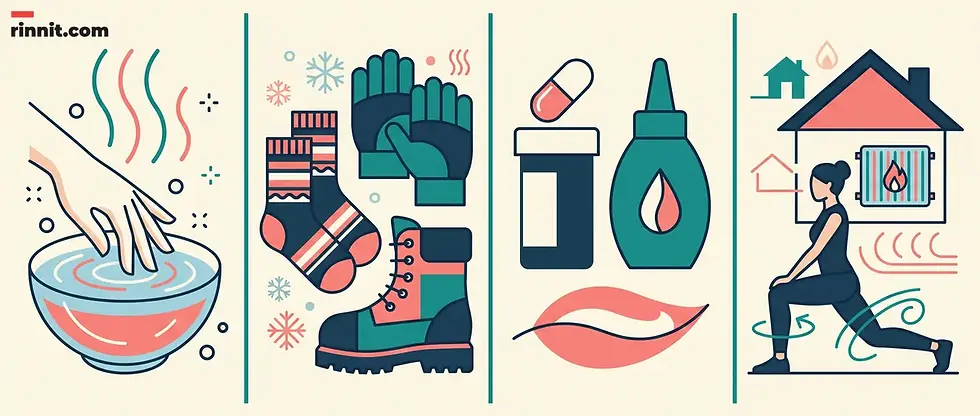
Prevention Step | What to Do |
Stay active | Get regular physical activity to improve blood flow and regulate body temperature |
Insulate your space | Make sure your home and workspace are insulated and heated |
Warm soaks | Soak your hands or feet in warm water several times a day |
Warm up gradually | Warm cold hands or feet gradually to encourage blood flow to return |
Dress warmly | Wear thick wool socks, gloves, and warm shoes whenever you're in a cold environment |
Living With Chilblain Lupus
Like other forms of skin lupus, chilblain lupus can cause uncomfortable symptoms that lead you on a wild goose chase to find a treatment that works for you. Don't give up hope. Working with a trusted healthcare provider, you can find a solution that helps clear up your condition and gets you back to living pain-free. In the meantime, look for a support group to talk to other people who share your diagnosis. They can offer ideas and insight to help you manage the disease.
Conclusion
Chilblain lupus is an uncommon but often manageable skin complication of cutaneous lupus erythematosus, and its name tells the story: these painful red or purple sores (chilblains) form or worsen after exposure to cold and wet weather. The sores cluster on the fingers, heels, soles, and toes, with blisters, ulcers, depigmentation, heel fissures, skin thickening, and Raynaud's phenomenon joining the symptom list. The cause runs along two tracks: inherited gene variants in TREX1 or SAMHD1, or a sporadic, random form that typically appears in adulthood and is linked to factors like cold climates, anorexia nervosa, intestinal lymphoma, and pregnancy. Diagnosis usually comes down to a skin biopsy reviewed under a microscope by a dermatologist or rheumatologist. Treatment starts with cold protection and quitting smoking, and escalates through antibiotics, antimalarials, calcineurin inhibitors, calcium channel blockers, and steroids, with surgery and skin grafts reserved for rare cases. While it is a lifelong condition, most people manage symptoms well, and because about 18% of non-inherited cases go on to develop systemic lupus erythematosus, staying connected with a healthcare provider matters.
Want to explain health topics like this one visually? Understanding health topics is easier when they're presented visually. Rinnit's infographic templates can help you turn complex skin and immune condition information into clear, shareable explainers for yourself and your community.
Frequently Asked Questions
What is chilblain lupus?
Chilblain lupus is an uncommon type of lupus that affects your skin (cutaneous lupus erythematosus), causing painful red or purple sores and discolored skin patches.
What is another name for chilblain lupus?
The small sores it causes are called chilblains, and the condition is a complication of cutaneous lupus erythematosus (CLE).
Is chilblain lupus rare?
Yes. It is a rare complication of cutaneous lupus erythematosus.
What does "chilblain" mean?
The word "chilblain" comes from words that mean "cold" and "sore."
What are the main symptoms of chilblain lupus?
Painful red or purple sores and discolored patches (plaques) of skin that form or worsen after cold exposure.
Where do chilblain lupus sores usually appear?
On the fingers, heels, soles of the feet, and toes.
Can sores appear elsewhere?
Less commonly, on the palms of the hands, knees, nose, or ears.
What triggers chilblain lupus sores?
Exposure to cold temperatures. Sores typically appear or worsen in cold or wet weather.
What are blisters or ulcers in chilblain lupus?
Open sores caused by poor blood circulation, one of the additional symptoms.
What is depigmentation in chilblain lupus?
Patches of skin lightening or losing color.
What are heel fissures?
Deep cracks in the skin on your heels.
What is hyperkeratosis?
Skin thickening, one of the possible symptoms.
What is Raynaud's phenomenon?
A temporary blood restriction in your fingers and toes, which can accompany chilblain lupus.
Are chilblain lupus sores painful?
Yes. The sores and plaques are painful, and they can also be itchy and raised.
What causes chilblain lupus?
Chilblain lupus can be inherited (genetic) through gene variants, or sporadic (random), usually developing later in life as an adult.
Which genes cause inherited chilblain lupus?
A change in either the TREX1 or SAMHD1 gene can lead to chilblain lupus.
What does the TREX1 gene do?
The TREX1 gene helps with DNA repair.
What does the SAMHD1 gene do?
The SAMHD1 gene plays a role in your immune response.
Who gets inherited chilblain lupus?
People who have a biological family history of the disease or who develop it as children.
What is sporadic chilblain lupus?
A random (non-inherited) form where you develop the condition later in life, usually as an adult. Researchers don't know why it occurs.
Who is most likely to get chilblain lupus?
Anyone can develop it, but it is most common in adults.
Does climate matter?
Yes. People who live in cold, wet climates may be more likely to have chilblain lupus.
Does anorexia nervosa raise the risk?
Yes. Anorexia nervosa, a life-threatening eating disorder, can increase the chances of getting chilblain lupus.
Does pregnancy raise the risk?
Yes. Pregnancy is listed among conditions that can increase the chances of getting chilblain lupus.
Is chilblain lupus linked to systemic lupus?
Yes. For many people it develops after being diagnosed with systemic lupus erythematosus (SLE), and it can also lead to SLE.
What are the complications of chilblain lupus?
Without treatment, skin lesions can get infected. People have higher risks of bacterial skin infections (cellulitis), and the condition can lead to systemic lupus erythematosus.
How is chilblain lupus diagnosed?
A dermatologist or rheumatologist usually diagnoses it with a skin biopsy, a small skin sample examined under a microscope in a laboratory.
Which doctors treat chilblain lupus?
A dermatologist or a rheumatologist.
How is mild chilblain lupus treated?
By protecting yourself from cold temperatures and, if you smoke, by quitting, since smoking constricts blood vessels and makes symptoms worse.
Why should I quit smoking with chilblain lupus?
Smoking constricts your blood vessels, which can make chilblain lupus symptoms worse.
Which antibiotics are used?
Dicloxacillin (Dycill) or erythromycin (Ilosone), which treat bacterial skin infections.
Which antimalarial agents are used?
Hydroxychloroquine (Plaquenil), which fights fatigue, reduces inflammation, and decreases joint pain.
What are calcineurin inhibitors?
Drugs like tacrolimus, often used as an ointment (Protopic), that decrease inflammation by lowering your immune system response. Mycophenolate mofetil (CellCept) is a different immune-lowering drug that may also be used.
Why are calcium channel blockers used?
Medications like nifedipine (Adalat) encourage your blood vessels to open.
Which steroid ointments are used?
Fluocinolone acetonide (Synalar) or hydrocortisone butyrate (Locoid), which decrease swelling and lower inflammation.
Which systemic steroids are used?
Prednisone (Deltasone), swallowable pills that reduce inflammation and swelling.
Is surgery ever used?
Rarely. A provider may surgically remove chilblain sores and perform a skin graft, transferring a small amount of healthy skin from one body part to another.
Is chilblain lupus curable?
No. It is a lifelong condition, but with treatment and proper cold protection, many people manage symptoms well.
What percentage of non-inherited cases develop SLE?
About 18% of people who developed chilblain lupus randomly (not genetically) will go on to develop systemic lupus erythematosus.
How can I prevent chilblain lupus sores?
By protecting yourself from cold temperatures: regular physical activity, an insulated and heated home and workspace, warm water soaks for hands or feet, gradual warming of cold extremities, and thick wool socks, gloves, and warm shoes in cold environments.
Does exercise help?
Yes. Regular physical activity improves blood flow and regulates body temperature.
Should I soak my hands and feet?
Yes. Soaking your hands or feet in warm water several times a day is a recommended prevention step.
How should I warm cold hands or feet?
Gradually, to encourage blood flow to return.
What clothing protects me?
Thick wool socks, gloves, and warm shoes whenever you're in a cold environment.
When should I see a healthcare provider?
If you develop red or purple, itchy, or painful sores on your fingers, heels, soles of your feet, or toes. They can diagnose the condition and start treatment.
What questions should I ask my doctor?
What the most likely cause of chilblain lupus is, whether you are likely to develop systemic lupus erythematosus, how to prevent chilblain lesions from developing, and how to treat existing chilblain lesions.
Is chilblain lupus the same as systemic lupus?
No. It is an uncommon type of cutaneous (skin) lupus, though many people develop it after being diagnosed with systemic lupus erythematosus, and it can itself lead to systemic lupus.
Related Reading
References
Hedrich CM, Fiebig B, Hauck FH, et al. Chilblain lupus erythematosus: a review of literature. Clin Rheumatol. 2008;27(8):949-954. PMID: 18543054. https://doi.org/10.1007/s10067-008-0942-9
Lee-Kirsch MA, Chowdhury D, Harvey S, et al. A mutation in TREX1 that impairs susceptibility to granzyme A-mediated cell death underlies familial chilblain lupus. J Mol Med (Berl). 2007;85(5):531-537. PMID: 17440703. https://doi.org/10.1007/s00109-007-0199-9
Viguier M, Pinquier L, Cavelier-Balloy B, et al. Clinical and histopathologic features and immunologic variables in patients with severe chilblains: a study of the relationship to lupus erythematosus. Medicine (Baltimore). 2001;80(3):180-188. PMID: 11388094. https://doi.org/10.1097/00005792-200105000-00004
Shimamura Y, Ogawa Y, Takizawa H. Chilblain lupus erythematosus. JMA J. 2021;4(4):423-425. PMID: 34796299. https://doi.org/10.31662/jmaj.2021-0064
Vinister GV, Roongta R, Sinha D, Chattopadhyay A, Mondal S. Chilblain lupus. Mediterr J Rheumatol. 2023;34(2):269-270. PMID: 37654633. https://doi.org/10.31138/mjr.34.2.269
Wang WY, Lin MC. Chilblain lupus erythematosus. N Engl J Med. 2024;391(4):e6. PMID: 39047243. https://doi.org/10.1056/NEJMicm2400724
Verheyden MJ, Hadlow C. Chilblain lupus erythematosus. DermNet. Published August 2019. https://dermnetnz.org/topics/chilblain-lupus-erythematosus
Medical disclaimer
This article is for general informational purposes only and is not a substitute for professional medical advice, diagnosis, or treatment. Always consult a qualified healthcare provider with questions about a medical condition or before making decisions about treatment.



Comments