What Is a Caffeine Overdose? Symptoms, Safe Limits, and Treatment

Updated: 2 days ago
Medically reviewed by Dr. Baraa Alnahhal, MD · Last reviewed: October 17, 2026
Quick Answer: What is a caffeine overdose?
A caffeine overdose is a form of poisoning caused by consuming more caffeine than the body can safely process. [1] Most adults can safely have up to 400 mg per day; [4] exceeding this can cause a racing heart and jitters, or even seizures and heart problems. [2] [1] If you suspect an overdose, seek emergency care immediately or call Poison Help at 1.800.222.1222. [3]
What the research says
Up to 400 mg a day is supported for healthy adults. A systematic review of research published from 2001 to June 2015 screened more than 5,000 articles and included 381 studies across five outcomes (acute toxicity, cardiovascular effects, bone and calcium, behavior, and reproduction and development). It concluded that up to 400 mg of caffeine a day in healthy adults is generally not associated with overt adverse cardiovascular, behavioral, reproductive and developmental, acute, or bone effects, and it supported up to 300 mg a day in healthy pregnant women (ACOG currently advises keeping caffeine under 200 mg a day during pregnancy) and 2.5 mg/kg/day for children and adolescents (limited data) (Wikoff et al., Food Chem Toxicol, 2017) [5].
Some people react at lower doses. A meta-analysis of placebo-controlled caffeine challenges found that, among 237 patients with panic disorder in nine studies, 51.1% had a panic attack after caffeine and none did after placebo. In six studies that included healthy controls, 53.9% of patients versus 1.7% of controls had a panic attack (log RR 3.47, 95% CI 2.06–4.87), at doses of 400–750 mg — roughly five cups of coffee (Klevebrant & Frick, Gen Hosp Psychiatry, 2022) [7].
Case reports of severe poisoning point to dialysis as an option. In the largest analysis to date of published caffeine intoxication cases (216 cases), convulsions and wide-complex tachycardias were associated with a worse outcome, and hemodialysis appeared to be a safe and effective way to remove caffeine, with better survival even after severe intoxication. The authors note that no definitive treatment recommendations can be drawn from case reports alone (Uehlein et al., Dtsch Arztebl Int, 2025) [8].
Key takeaways
A caffeine overdose (caffeine toxicity) is a type of poisoning that happens when you consume more caffeine than your body can safely process. [1]
Experts estimate around 9 in 10 people [1] in the U.S. consume some caffeine every day. [1]
The FDA says most adults can safely consume 400 mg of caffeine per day — about two to three 12-ounce cups of coffee. [4]
Children under 2 should have no caffeine at all, and kids and teens should avoid highly caffeinated energy drinks. [1]
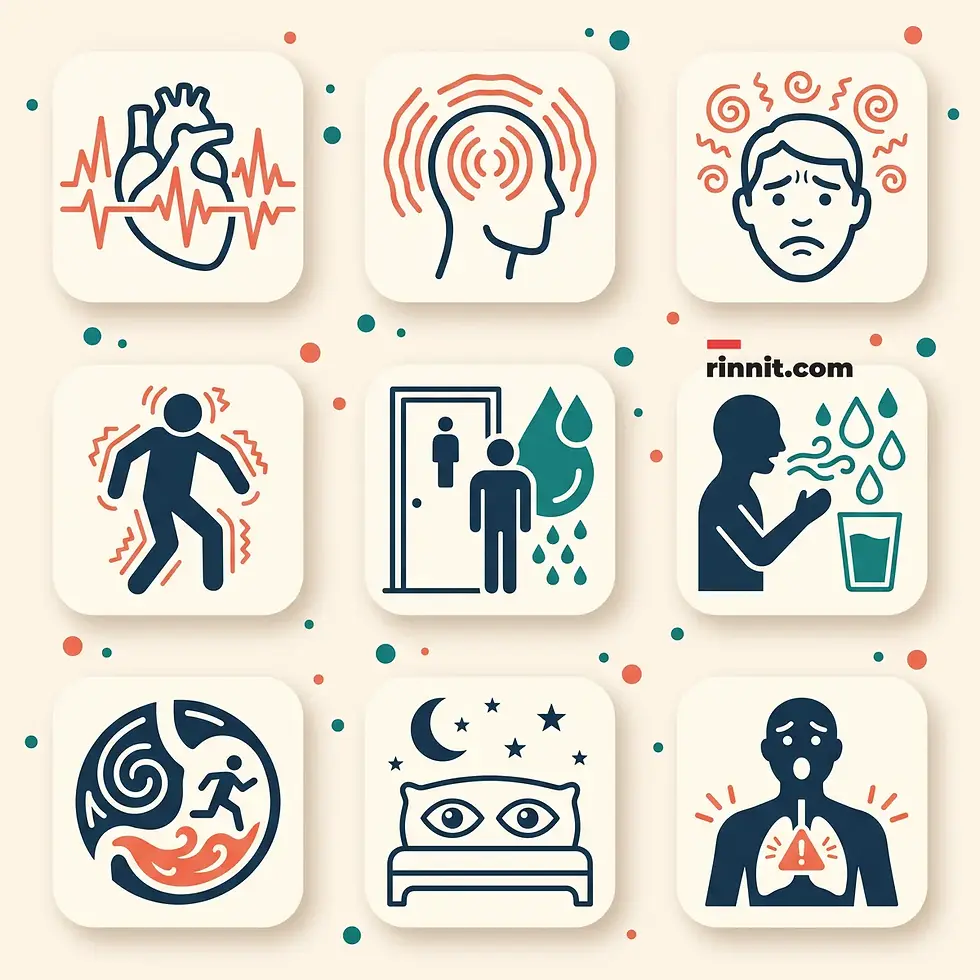
Early symptoms include racing heart, headache, anxiety, jitters, frequent urination, thirst, diarrhea, and trouble sleeping; serious symptoms include trouble breathing, sudden high blood pressure, muscle twitching, confusion, nausea/vomiting, and seizures. [1]
Severe complications (rare) include low potassium, high blood sugar, metabolic acidosis, and kidney, brain, or heart damage. [2] [1]
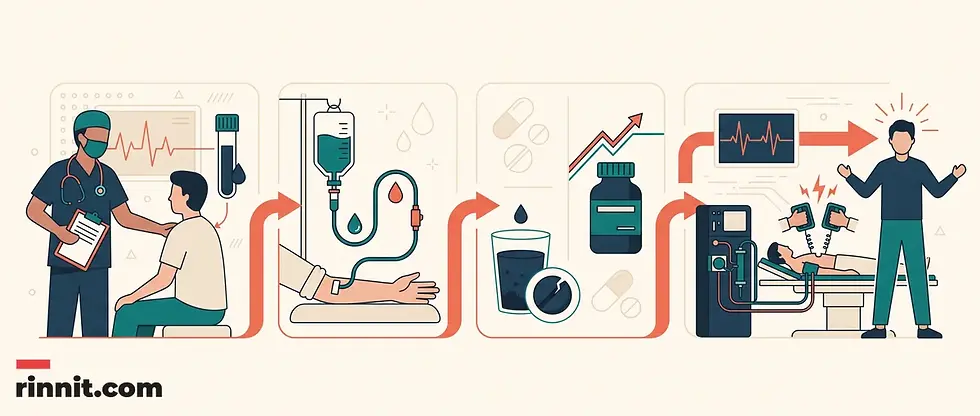
Treatment depends on severity: water and monitoring, IV fluids, blood pressure medications, activated charcoal, dialysis, or defibrillation. [1]
Caffeine usually breaks down in 3 to 10 hours, but an overdose can last longer because the stomach absorbs it very quickly. [2] [1]
Prevention centers on checking labels, using the USDA caffeine database, and asking a provider about safe amounts for you and your family. [1]
What Is a Caffeine Overdose?

A caffeine overdose happens when you consume too much caffeine and it makes you sick. Healthcare providers sometimes call it caffeine toxicity, and it is a type of poisoning. [1]
Experts estimate that around 9 in 10 people [1] in the U.S. have at least some caffeine every day. [1] In small amounts, caffeine has a stimulant effect — it can make you feel more awake, alert, or like you have extra energy.
For most people, it is perfectly safe to enjoy a coffee, tea, or soda. But there is a limit to how much caffeine your body can take in and process at once. If you have more than what is safe, you will experience symptoms that can damage your body.
How Much Caffeine Is Too Much?
The U.S. Food and Drug Administration (FDA) says that most adults can safely consume 400 milligrams of caffeine per day. That is around two or three 12-ounce cups of coffee. [4]
Group | Safe caffeine guidance |
Most adults | Up to 400 mg per day (about two to three 12-ounce cups of coffee) |
Children under 2 | No caffeine at all |
Children and teens | Avoid highly caffeinated energy drinks |
People with certain health conditions or medications | May be more sensitive — ask a healthcare provider for a personalized safe amount |
The FDA does not list a safe amount of caffeine for children. But experts say that kids younger than 2 should not have any caffeine, and children and teens should avoid highly caffeinated energy drinks. [1]
Everyone's body responds differently to caffeine. Some people naturally have a higher tolerance to its effects than others. Certain health conditions and medications can make you more sensitive to its effects. [1] Talk to a healthcare provider about how much caffeine is safe for you or your kids — they will give you a more specific amount based on your unique health.
What Are Caffeine Overdose Symptoms?
Caffeine overdose can cause lots of symptoms. You might notice any of these symptoms at first:
Early symptom | What it involves |
Increased heart rate | Heart beating faster than normal |
Heart palpitations | Feeling like your heart is racing |
Headache | Pain or pressure in the head |
Anxiety | Feelings of worry, unease, or dread |
Jittery or agitated feeling | Restlessness and nervous energy |
Increased peeing | More frequent urination |
Increased thirst (polydipsia) | Unusually strong thirst |
Diarrhea | Loose or frequent stools |
Trouble sleeping | Difficulty falling or staying asleep |
Symptoms of a more serious overdose include:
Serious symptom | What it involves |
Trouble breathing (dyspnea) | Shortness of breath or difficulty getting air |
Sudden high blood pressure (hypertension) | A sharp, unexpected rise in blood pressure |
Muscle twitching (myoclonus) | Involuntary muscle jerks |
Confusion | Trouble thinking clearly or staying oriented |
Nausea and vomiting | Sick feeling in the stomach with throwing up |
Seizures | Abnormal electrical activity in the brain |
What Causes a Caffeine Overdose?
Consuming too much caffeine causes a caffeine overdose. Caffeine occurs naturally in some plants. It can also be a human-made chemical added to foods, drinks, medications, and supplements. [2] [1]
You can probably guess some of the most well-known caffeinated drinks: coffee, tea, soda, hot chocolate, and energy drinks. Manufacturers also add caffeine to lots of other products — including some you may not think of:
Caffeine source | Examples |
Well-known drinks | Coffee, tea, soda, hot chocolate, energy drinks |
Food products | Protein bars and pre- or post-workout snacks |
Sports products | Sports or exercise recovery drinks |
Over-the-counter medications | Some decongestants and pain relievers |
Supplements | Energy supplements advertised to help keep you awake (caffeine pills) |
Diet products | OTC diet pills or appetite suppressants |
Snacks | Chewing gum |
It is more common for people to experience a caffeine overdose from supplements, or from mixing highly caffeinated drinks with medication. [1] But no matter where it comes from, if you ingest too much caffeine, your body cannot process it fast enough and you may have an overdose.
What Are Caffeine Overdose Complications?
Severe complications of a caffeine overdose are rare, but can include:
Complication | What it means |
Low potassium (hypokalemia) | Low potassium in your blood |
High blood sugar (hyperglycemia) | Higher than normal blood sugar |
Metabolic acidosis | Too much acid in your blood |
Kidney damage | Harm to the organs that filter waste |
Brain damage | Harm to brain tissue |
Heart damage | Harm to the heart muscle |
How Do Healthcare Providers Diagnose a Caffeine Overdose?
A healthcare provider will diagnose a caffeine overdose with a physical exam and some tests. They might do a neurological exam, and they will ask about your symptoms and when they first started. [2] [1]
Tell your provider anything you have drunk, eaten, or taken that has caffeine in it — and how much or how many you had. [1]
Diagnostic test | What it does |
Physical exam | Checks your overall condition and symptoms |
Neurological exam | Evaluates brain and nervous system function |
Blood tests | Checks for caffeine and/or higher levels of acid that mean your body is breaking down and processing it |
Urinalysis | Checks your urine |
EKG (electrocardiogram) | Shows how your heart is working electrically |
Chest X-ray | Provides images of your chest and heart area |
How Is a Caffeine Overdose Treated?
Your provider will suggest treatments to manage any symptoms you are experiencing and help your body process the caffeine as safely as possible. What you need will depend on how much caffeine you have had and how it is affecting you.
You might not need any specific treatment. Your provider may suggest drinking water to stay hydrated and keeping an eye on any changes in your body. [2] [1] If you do need treatment, your provider may use:
Treatment | Purpose |
Water and hydration | For mild cases, staying hydrated while monitoring changes |
Intravenous (IV) fluids | Restores hydration through a vein |
Blood pressure medications | Stabilizes your blood pressure |
Activated charcoal | Helps your body process the caffeine |
Dialysis | Filters caffeine out of the blood in severe poisoning |
Defibrillation | Restores your normal heart rate |
You might need other medications or treatments for specific symptoms. Your provider will tell you what to expect.
How Long Do Caffeine Overdose Symptoms Last?
How long a caffeine overdose lasts depends on its severity and how much excess caffeine you had. Caffeine usually takes three to 10 hours to break down in our bodies. But an overdose can last longer than that because your stomach absorbs caffeine very quickly when you first ingest it. [2] [1]
Some factors that can affect how long you experience symptoms include your age, weight, and natural caffeine tolerance. [1]
Your healthcare provider will tell you what to expect and which signs of any complications to watch out for. They will tell you when it is safe to return to eating and drinking normally and if it is safe to have caffeine again.
Can You Die From a Caffeine Overdose?
Even if you do not experience an overdose, regularly having unsafe levels of caffeine can damage your heart and central nervous system (CNS). [1]
Can You Prevent a Caffeine Overdose?
Consuming only a safe amount of caffeine each day is the best way to avoid a caffeine overdose. That might sound obvious, but lots of foods and drinks may have more caffeine in them than you realize. Check the nutrition and ingredient labels on items to see if they contain caffeine — and how much.
The U.S. Department of Agriculture (USDA) keeps a searchable database that shows how much caffeine is in foods and drinks. [1]
Help kids and teens understand the risks of having too much caffeine, and help your family make safe choices. Talk to a healthcare provider about how much caffeine is safe for you and your children.
When Should I Seek Care for a Caffeine Overdose?
Get medical attention as soon as you think you are having any symptoms of a caffeine overdose — especially if you know you have had a lot of caffeine. Go to the emergency room or call 911 (or your local emergency services number).
In the U.S., you can also call the national Poison Help hotline at 1.800.222.1222. [3] An expert will tell you what you should do and how to stay safe while you are waiting to get treatment.
When to get help right away: Call 911 or your local emergency services number as soon as you suspect a caffeine overdose — especially if you know you have consumed a large amount of caffeine. Warning signs include seizures, trouble breathing, sudden high blood pressure, confusion, or a racing heart that will not calm down.
Conclusion
Caffeine is a daily staple for most people, and in normal amounts it is safe and even helpful. But because caffeine hides in coffee, energy drinks, supplements, medications, protein bars, and even gum, it is easy to cross the line into a caffeine overdose without realizing it. The FDA's 400 mg daily guideline for adults, the zero-caffeine rule for children under 2, and simple label-checking habits are your best protection. If symptoms like a racing heart, jitters, or trouble breathing appear after heavy caffeine intake, treat it seriously — seek emergency care or call the Poison Help hotline immediately.
Want to turn health facts like these into shareable infographics for your audience? Rinnit's ready-to-edit infographic templates can help you bring your health content to life in minutes.
Frequently Asked Questions
What is a caffeine overdose?
A caffeine overdose happens when you consume too much caffeine and it makes you sick. Providers also call it caffeine toxicity, and it is a type of poisoning.
Is caffeine overdose a form of poisoning?
Yes. Because it happens when your body receives more of a substance than it can safely process, caffeine overdose is classified as a type of poisoning.
How common is caffeine use in the United States?
Experts estimate that around 9 in 10 people in the U.S. have at least some caffeine every day.
Is caffeine dangerous in normal amounts?
No. In small amounts caffeine has a stimulant effect that can make you feel more awake, alert, and energetic. For most people, coffee, tea, and soda are perfectly safe.
How much caffeine is safe for most adults per day?
The FDA says most adults can safely consume 400 milligrams of caffeine per day, which is around two or three 12-ounce cups of coffee.
How much caffeine is safe for children?
The FDA does not list a safe amount of caffeine for children. Experts say kids younger than 2 should not have any caffeine, and children and teens should avoid highly caffeinated energy drinks.
Why do caffeine limits vary from person to person?
Everyone's body responds differently to caffeine. Some people naturally have a higher tolerance than others, and certain health conditions and medications can make you more sensitive to its effects.
What are the early symptoms of a caffeine overdose?
Early symptoms include increased heart rate, heart palpitations, headache, anxiety, feeling jittery or agitated, increased peeing, increased thirst, diarrhea, and trouble sleeping.
What are the symptoms of a serious caffeine overdose?
Serious symptoms include trouble breathing or shortness of breath, sudden high blood pressure, muscle twitching, confusion, nausea and vomiting, and seizures.
What is the medical term for increased thirst caused by too much caffeine?
Increased thirst caused by a caffeine overdose is called polydipsia.
Can a caffeine overdose cause seizures?
Yes. Seizures are one of the symptoms of a more serious caffeine overdose.
What are the severe complications of a caffeine overdose?
Severe complications are rare but can include low potassium in your blood (hypokalemia), high blood sugar (hyperglycemia), too much acid in your blood (metabolic acidosis), kidney damage, brain damage, and heart damage.
How do healthcare providers diagnose a caffeine overdose?
Providers use a physical exam, possibly a neurological exam, blood tests, urinalysis, and sometimes an EKG or chest X-ray to see how your heart is working.
What do blood tests show in a caffeine overdose?
Blood tests can detect caffeine in your system and/or higher levels of acid that indicate your body is breaking down and processing it.
What should I tell my provider if I suspect a caffeine overdose?
Tell your provider anything you have drunk, eaten, or taken that contains caffeine — and how much or how many you had — plus your symptoms and when they started.
Do I always need treatment for a caffeine overdose?
No. You might not need any specific treatment; your provider may suggest drinking water to stay hydrated and monitoring changes in your body.
What treatments are used for a caffeine overdose?
Depending on severity, treatment may include IV fluids, medications to stabilize blood pressure, activated charcoal, dialysis to filter caffeine out of the blood, and defibrillation to restore a normal heart rate.
What does activated charcoal do in a caffeine overdose?
Activated charcoal helps your body process the caffeine.
Why would dialysis be needed for a caffeine overdose?
Dialysis may be used in severe or potentially lethal overdoses to filter caffeine out of the blood.
What is defibrillation used for in a caffeine overdose?
Defibrillation restores your normal heart rate when the overdose has disrupted it.
How long does caffeine take to break down in the body?
Caffeine usually takes three to 10 hours to break down in our bodies, but an overdose can last longer because the stomach absorbs caffeine very quickly at first.
What factors affect how long overdose symptoms last?
Your age, weight, and natural caffeine tolerance all affect how long symptoms last.
Can a caffeine overdose be fatal?
It is rare, but a caffeine overdose can be fatal.
Can too much caffeine damage my body even without an overdose?
Yes. Regularly having unsafe levels of caffeine can damage your heart and central nervous system even if you never experience a full overdose.
What is the safest way to prevent a caffeine overdose?
Consume only a safe amount of caffeine each day and check nutrition and ingredient labels on foods and drinks to see if — and how much — caffeine they contain.
How can I find out how much caffeine is in my food?
The USDA keeps a searchable database (fdc.nal.usda.gov) that shows how much caffeine is in foods and drinks.
Which hidden products contain added caffeine?
Manufacturers add caffeine to protein bars, pre- or post-workout snacks, sports recovery drinks, some decongestants and pain relievers, caffeine pills, diet pills, appetite suppressants, and chewing gum.
What is the most common way people experience a caffeine overdose?
It is more common for people to overdose from caffeine supplements, or from mixing highly caffeinated drinks with medication.
Should I ask my doctor about caffeine?
Yes. A healthcare provider can give you a safe amount based on your unique health, and can advise you about safe caffeine amounts for your children.
What should I do if I think I am having a caffeine overdose?
Get medical attention immediately — go to the emergency room or call 911 or your local emergency services number. In the U.S., you can also call the Poison Help hotline at 1.800.222.1222 for expert guidance while waiting for treatment.
Related Reading
References
Cleveland Clinic. Caffeine Overdose. Cleveland Clinic. Last updated December 4, 2024. https://my.clevelandclinic.org/health/diseases/caffeine-overdose
Murray A, Traylor J. Caffeine Toxicity. In: StatPearls [Internet]. Treasure Island (FL): StatPearls Publishing; 2025 Jan-. Updated February 6, 2025. PMID 30422505. https://www.ncbi.nlm.nih.gov/books/NBK532910/
National Library of Medicine (U.S.). Caffeine Overdose. MedlinePlus. Last reviewed July 1, 2025. https://medlineplus.gov/ency/article/002579.htm
U.S. Food and Drug Administration. Spilling the Beans: How Much Caffeine Is Too Much? FDA Consumer Update. Last updated August 28, 2024. https://www.fda.gov/consumers/consumer-updates/spilling-beans-how-much-caffeine-too-much
Wikoff D, Welsh BT, Henderson R, et al. Systematic review of the potential adverse effects of caffeine consumption in healthy adults, pregnant women, adolescents, and children. Food Chem Toxicol. 2017;109(Pt 1):585-648. PMID 28438661. https://doi.org/10.1016/j.fct.2017.04.002
Willson C. The clinical toxicology of caffeine: A review and case study. Toxicol Rep. 2018;5:1140-1152. PMID 30505695. https://doi.org/10.1016/j.toxrep.2018.11.002
Klevebrant L, Frick A. Effects of caffeine on anxiety and panic attacks in patients with panic disorder: a systematic review and meta-analysis. Gen Hosp Psychiatry. 2022;74:22-31. PMID 34871964. https://doi.org/10.1016/j.genhosppsych.2021.11.005
Uehlein S, Dechant K, Stahl K, et al. Caffeine intoxication: an analysis of published case reports, 1883–2023. Dtsch Arztebl Int. 2025;122(19):523-528. PMID 40632678. https://doi.org/10.3238/arztebl.m2025.0113
Medical disclaimer
This article is for general informational purposes only and does not constitute medical advice. Always consult a qualified healthcare provider for diagnosis and treatment decisions related to your individual health. If you think you or someone else is having a caffeine overdose, call 911 or your local emergency services number immediately.



Comments