Understanding Mercury Poisoning: Symptoms, Causes, and Clinical Care

Updated: 2 days ago
Medically reviewed by Dr. Baraa Alnahhal, MD · Last reviewed: September 2026
TL;DR
Mercury poisoning is a toxic reaction to excessive exposure to mercury, a metal found naturally in the Earth's crust. It most commonly occurs through the consumption of contaminated seafood or the inhalation of mercury vapors. Symptoms vary significantly based on the type of mercury involved but can include respiratory distress, neurological tremors, and gastrointestinal issues. Immediate medical intervention is critical for effective decontamination and treatment.
Quick Answer
Mercury poisoning occurs when the body is exposed to toxic levels of mercury through inhalation, ingestion, or skin contact. Common symptoms range from immediate respiratory issues and a metallic taste to long-term neurological damage like tremors and memory loss. Treatment involves decontamination and chelation therapy to remove the metal from the bloodstream. Prevention focuses on limiting high-mercury seafood consumption and following strict safety protocols for handling mercury-containing products.
Overview of Mercury Poisoning
Mercury is a unique elemental metal characterized by its shiny, silver appearance, which has earned it the nickname "liquid silver." While it occurs naturally in the Earth's crust, it is highly toxic to humans. Mercury is widely used in industrial applications, including thermometers, fluorescent lighting, and electrical switches, due to its properties as a conductor of heat and electricity. Mercury poisoning occurs when the body absorbs too much of this compound, triggering an immune response as the body attempts to expel the toxic metal.
Forms of Mercury
There are three primary forms of mercury that pose health risks to humans, each found in different environments and products:
Form of Mercury | Common Sources | Primary Exposure Route |
|---|---|---|
Elemental | Glass thermometers, fluorescent bulbs, dental fillings | Inhalation of vapors |
Inorganic | Batteries, chemistry labs, certain disinfectants | Ingestion (swallowing) |
Organic | Contaminated fish (methylmercury), coal fumes | Ingestion or skin contact |
Recognizing the Symptoms
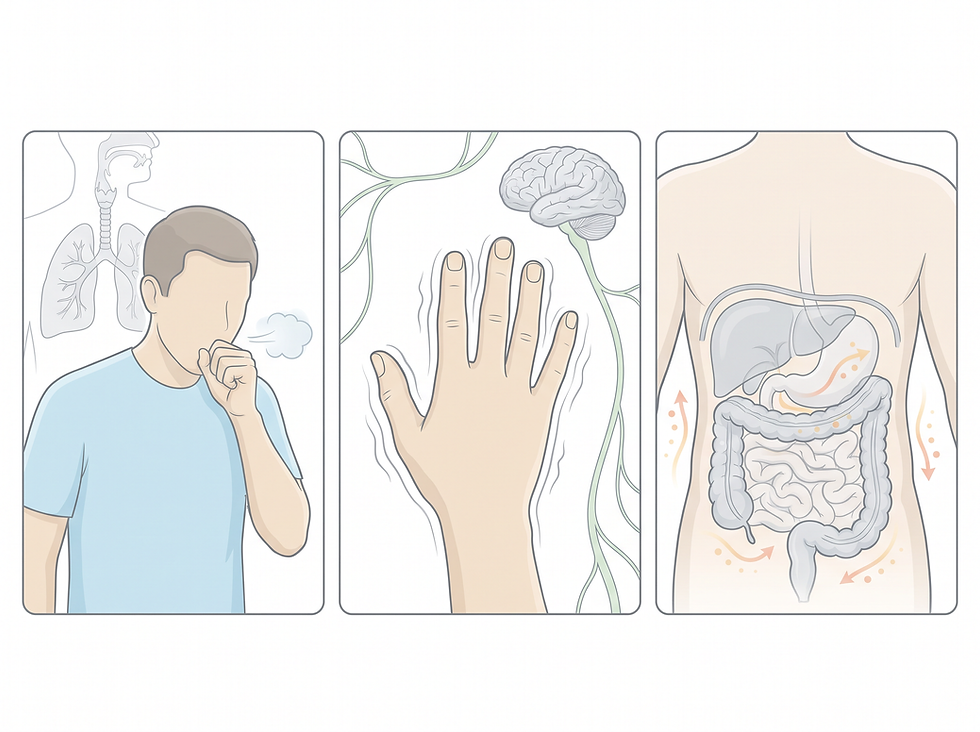
The symptoms of mercury poisoning depend heavily on the form of the metal and the method of exposure. Because mercury travels to the heart, kidneys, and central nervous system, it can cause widespread physiological distress.
Acute Inhalation (Elemental Mercury)
Inhaling mercury vapor is particularly dangerous as it enters the lungs directly. Symptoms often appear immediately and include persistent coughing, significant trouble breathing, and a distinct metallic taste in the mouth. Patients may also experience nausea, vomiting, and inflammation or bleeding of the gums.
Acute Ingestion (Inorganic Mercury)
When inorganic mercury is swallowed, it primarily attacks the brain and kidneys after entering the bloodstream. This typically results in a burning sensation in the throat and stomach, followed by severe gastrointestinal distress such as nausea, vomiting, and diarrhea. In severe cases, blood may be present in vomit or stool, and changes in urine color may indicate kidney involvement.
Long-Term Exposure (Organic Mercury)
Organic mercury poisoning, often resulting from the frequent consumption of high-mercury seafood, may not present symptoms for years or even decades. The effects are primarily neurological and can include:
Uncontrollable tremors or shaking.
An unsteady walk and loss of coordination.
Numbness or dull pain in the extremities.
Vision impairments, including blurry or double vision.
Cognitive issues such as memory loss and seizures.
Warning: High exposure to methylmercury during pregnancy is particularly dangerous as it can cause permanent brain damage to a developing fetus. Healthcare providers typically advise limiting or avoiding high-mercury fish like swordfish during pregnancy.
Causes and Risk Factors
Mercury poisoning is caused by the direct exposure of the body to the metal. While anyone can be affected, certain populations and environments carry higher risks.
Risk Factor | Description |
|---|---|
Seafood Consumption | Frequent intake of fish containing methylmercury is the most common cause globally. |
Occupational Hazards | Workers in mining or chemistry labs may face higher exposure to inorganic or elemental mercury. |
Environmental Spills | Improper cleanup of broken thermometers or fluorescent bulbs can release toxic vapors. |
Vulnerable Groups | Fetuses and young children are most susceptible to severe neurological damage. |
Diagnosis and Clinical Testing
Diagnosis typically occurs in an emergency setting following known exposure or the onset of severe symptoms. A healthcare provider will conduct a thorough physical examination and review the patient's medical and chemical exposure history. Several tests are used to confirm mercury levels and assess organ damage:
24-Hour Urinalysis: A collection of urine over a full day to measure mercury excretion.
Bloodwork: Complete blood counts and metabolic panels to check for infection and organ function.
Imaging: Chest X-rays to evaluate lung damage from inhaled vapors.
EKG: Electrocardiograms to monitor the heart's electrical activity.

Treatment and Recovery
Clinical management focuses on immediate decontamination and the removal of mercury from the body. In an emergency room, medical staff will first remove any contaminated clothing and wash the skin to prevent further absorption.
Medical Interventions
The primary treatment for systemic mercury poisoning is chelation therapy, which involves administering fluids through an IV that contain chelators, medications designed to bind to metals and facilitate their removal from the body. Other treatments may include:
Oxygen Therapy: Delivered via a face mask for respiratory distress.
Dialysis: Utilized if the kidneys have been significantly damaged.
Supportive Medication: To manage symptoms like nausea, tremors, or pain.
Surgery: In rare instances, surgical intervention may be required to remove physical deposits of mercury.
Recovery depends on the severity of the exposure. While mild cases may resolve fully with treatment, severe poisoning can lead to permanent damage to the lungs, brain, or central nervous system.

Prevention and Safety
Preventing mercury poisoning involves both dietary choices and environmental safety. Limiting the consumption of fish known to be high in mercury is a primary preventive measure, especially for pregnant or breastfeeding individuals.
Environmental Safety Protocols
If a mercury spill occurs, such as from a broken thermometer, it is vital to handle it correctly. Never use a vacuum cleaner to clean up liquid mercury, as this breaks the metal into tiny droplets that become airborne and easily inhaled. Instead, contact local health or environmental agencies for professional cleanup instructions. Additionally, replacing old dental amalgam fillings with modern alternatives can reduce long-term exposure risks.
Conclusion
Mercury poisoning is a serious medical condition that requires prompt recognition and treatment. While rare in many regions, the potential for permanent neurological and organ damage makes it a significant health concern. By understanding the common sources of exposure, such as specific types of seafood and household items, and following proper safety protocols, individuals can significantly reduce their risk of toxicity.
Call to Action
If you suspect you have been exposed to mercury or are experiencing symptoms like a metallic taste, tremors, or respiratory distress, contact your local poison control center at 1-800-222-1222 and seek emergency medical care immediately. Early intervention is the most effective way to prevent long-term health complications.
Frequently Asked Questions
1. What is the most common cause of mercury poisoning?
The most frequent cause is eating large amounts of seafood that contains high levels of methylmercury.
2. Can I get mercury poisoning from touching a broken thermometer?
While liquid mercury is not easily absorbed through the skin, the vapors it releases are highly toxic if inhaled.
3. Is mercury poisoning reversible?
Mild cases often resolve with treatment, but severe or long-term exposure can cause permanent damage to the brain, lungs, and kidneys.
4. What fish should I avoid to prevent mercury exposure?
Large predatory fish like swordfish, king mackerel, and shark tend to have higher mercury levels.
5. What is chelation therapy?
It is a medical treatment using IV fluids and specialized medications (chelators) to bind to and remove heavy metals from the body.
6. Can mercury poisoning be fatal?
Yes, extremely high levels of exposure or untreated chronic poisoning can lead to death.
7. How long does it take for symptoms to appear?
Symptoms of inhaled elemental mercury can appear immediately, while organic mercury symptoms may take years to develop.
8. Is it safe to have dental fillings that contain mercury?
While common in the past, many people choose to replace amalgam fillings with safer alternatives to minimize long-term exposure.
9. What should I do if I spill mercury at home?
Do not vacuum it. Open windows for ventilation and contact your local health department for cleanup guidance.
10. Does mercury poisoning affect children differently?
Children and fetuses are much more vulnerable to the neurological effects of mercury, which can lead to permanent brain damage.
11. Can mercury poisoning cause vision loss?
Yes, long-term exposure to organic mercury can lead to blurry vision, double vision, or even total blindness.
12. What are the signs of mercury poisoning in the mouth?
Common oral symptoms include a metallic taste and bleeding or swollen gums.
13. Is mercury found in batteries?
Yes, inorganic mercury is often used in the manufacturing of certain types of batteries.
14. Can mercury be absorbed through the skin?
While elemental mercury is poorly absorbed, organic mercury can cause symptoms if it comes into contact with the skin.
15. How do doctors test for mercury?
Physicians typically use blood tests, 24-hour urine collections, and imaging like chest X-rays to confirm poisoning.
Medical Disclaimer: The information provided in this article is for educational purposes only and should not be used as a substitute for professional medical advice, diagnosis, or treatment. Always seek the advice of a qualified healthcare provider with any questions you may have regarding a medical condition.
Comments