Understanding Melanin: The Biology of Pigmentation and Protection

Updated: 2 days ago
Medically reviewed by Dr. Baraa Alnahhal, MD · Last reviewed: September 2026
TL;DR
Melanin is a complex biological pigment responsible for the color of your skin, hair, and eyes. Beyond aesthetics, it serves as a critical shield against harmful ultraviolet (UV) radiation and supports the health of various internal organs, including the brain and inner ear. Understanding how melanin works can help you better manage skin health and recognize related conditions.
Quick Answer
Melanin is a natural substance produced by specialized cells called melanocytes. Its primary role is to provide pigmentation to the body, but it also acts as a powerful antioxidant and UV absorber. By neutralizing reactive oxygen species and shielding cellular DNA from sun damage, melanin serves as one of the body's most essential protective mechanisms against environmental stressors and premature aging.
What Is Melanin?
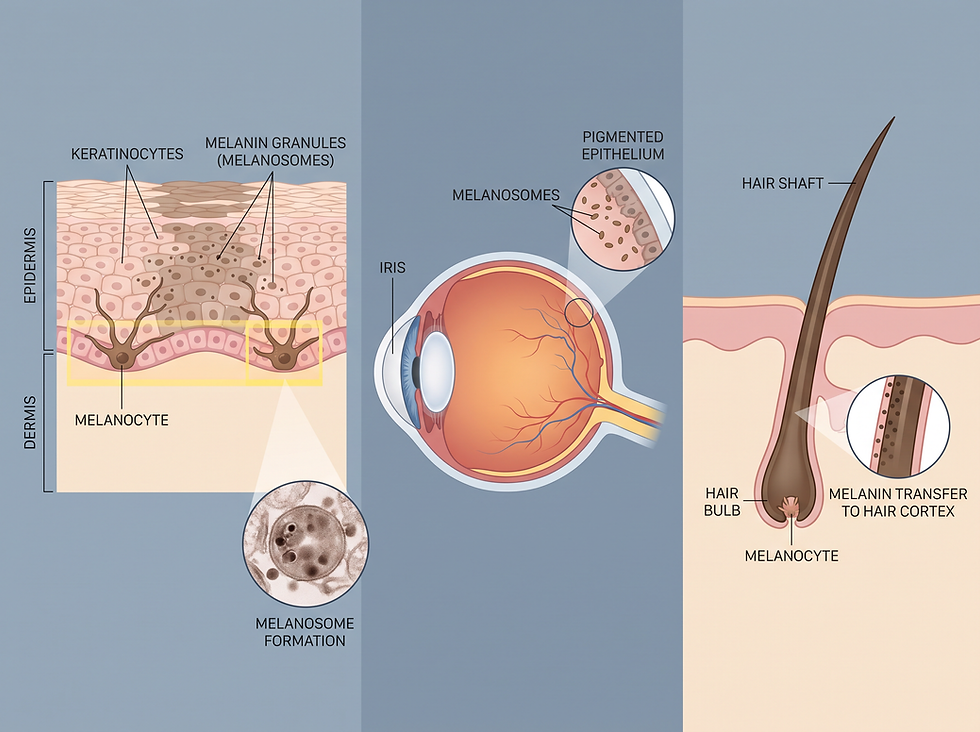
Melanin is a complex polymer derived from the amino acid tyrosine, serving as the primary agent for pigmentation in humans and many animals. While most commonly associated with skin tone, this substance is found throughout the body, including the innermost layers of the skin, hair follicles, the irises of the eyes, and even specific regions of the brain and adrenal glands. The unique combination of melanin types and their concentration determines an individual's specific physical characteristics.
The Primary Types of Melanin
The human body utilizes three distinct forms of melanin, each serving a specific biological purpose and contributing to different physical traits. Eumelanin is the most prevalent type, existing in brown and black variations that provide dark pigmentation to the skin and hair. Pheomelanin, in contrast, produces pinkish or reddish hues found in the lips and nipples; individuals with red hair typically possess equal amounts of eumelanin and pheomelanin. The third type, neuromelanin, is not visible externally but is crucial for the coloration and health of neurons within the brain.
Eumelanin: Produces brown and black colors; found in skin, hair, and eyes.
Pheomelanin: Produces pink and red colors; found in lips, nipples, and red hair.
Neuromelanin: Produces dark pigmentation; found in the brain (substantia nigra).
Biological Functions and Protection
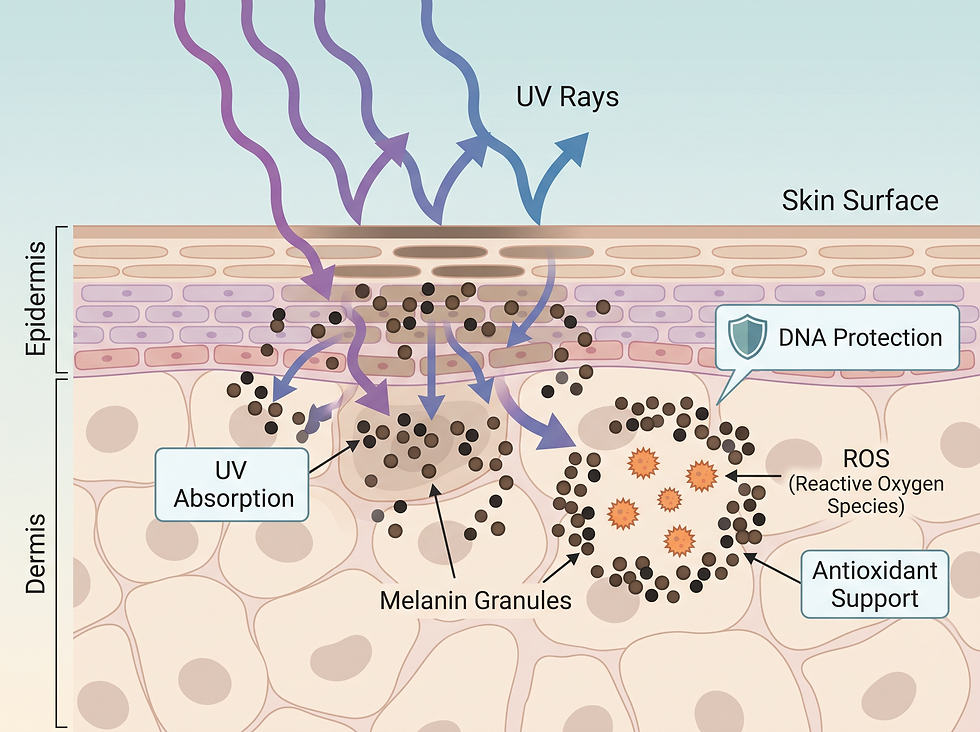
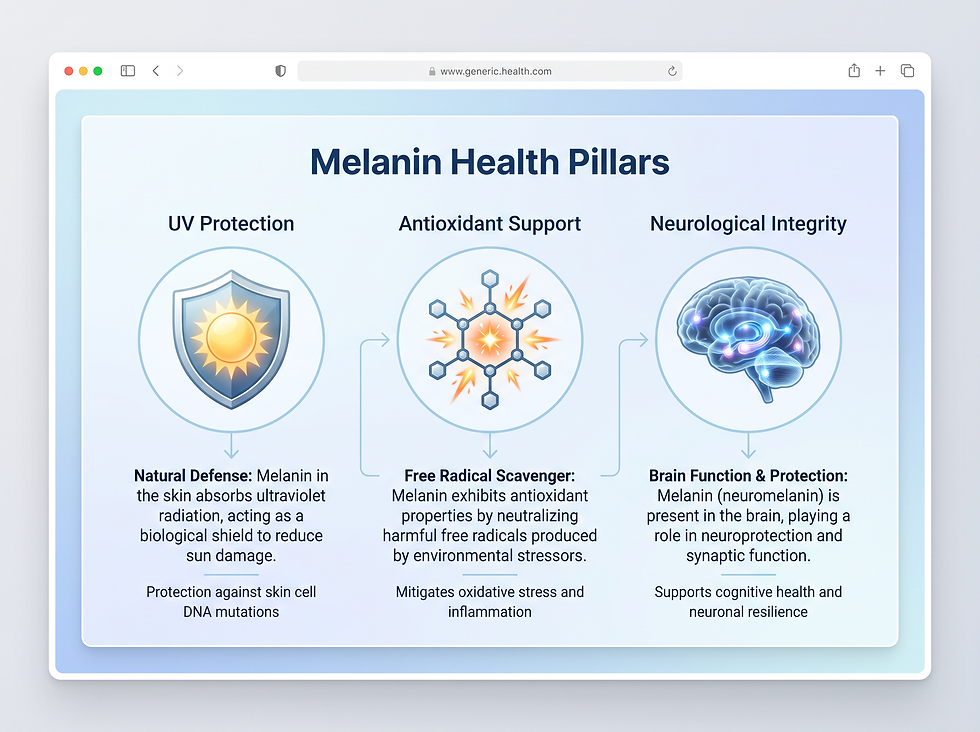
The most well-known function of melanin is its ability to absorb ultraviolet (UV) radiation from the sun. By redistributing this light toward the upper layers of the skin, melanin protects the genetic material stored within cells from potentially cancerous mutations. Additionally, melanin acts as a scavenger for reactive oxygen species (ROS). These chemical byproducts can lead to cellular stress and are linked to chronic conditions such as diabetes and cancer if allowed to accumulate.
Conditions Related to Melanin Production
Disruptions in how the body produces or maintains melanin can lead to various health conditions. Some disorders involve a total or partial lack of pigment, while others result from an overproduction in specific areas. Understanding these conditions is vital for proper diagnosis and long-term management of skin and neurological health.
Vitiligo: White patches on the skin, caused by the immune system destroying melanocytes.
Albinism: Pale skin, white hair, and blue eyes, caused by a genetic lack of melanin production.
Melasma: Brown or blue-gray facial patches, caused by hormonal changes or sun exposure.
Hyperpigmentation: Darker patches of skin, caused by localized excess melanin production.
Neurological and Sensory Connections
Melanin's presence extends beyond the skin and into critical sensory and neurological systems. In the inner ear, melanin is found in the stria vascularis, where it supports hearing function; a deficiency in this area has been linked to an increased risk of hearing loss. Furthermore, the loss of neuromelanin in the brain's substantia nigra is a hallmark of Parkinson's disease, highlighting the pigment's essential role in maintaining cognitive and motor integrity as the body ages.
Common Questions and Misconceptions
There is often confusion between melanin and melatonin, but they serve entirely different roles. While melanin is a physical pigment, melatonin is a hormone produced in the brain that regulates sleep-wake cycles. Additionally, while tanning is often viewed as a way to "build" melanin, it is actually a sign of skin damage and significantly increases the risk of developing skin cancer. Proper sun protection, including clothing and SPF 30+ sunscreen, remains necessary regardless of an individual's natural melanin levels.
Frequently Asked Questions
What exactly is melanin? Melanin is a complex natural pigment produced from the amino acid tyrosine that gives color to your skin, hair, and eyes.
Where is melanin produced? It is produced in specialized cells called melanocytes, located in the skin, hair, eyes, and certain internal organs.
Does everyone have the same number of melanocytes? Yes, most humans have roughly the same number of melanocytes, but the amount of melanin they produce varies.
How does melanin protect against the sun? It absorbs harmful UV rays and redistributes the energy to protect cellular DNA from damage.
What are the three types of melanin? The three types are eumelanin (brown/black), pheomelanin (pink/red), and neuromelanin (brain pigment).
Can melanin levels change over time? Yes, sun exposure can temporarily increase production (tanning), and aging can decrease levels in certain areas.
What causes freckles? Freckles occur when melanocytes are clustered together in small groups rather than being spread evenly.
Is melanin found in the brain? Yes, neuromelanin is found in specific brain regions like the substantia nigra and locus coeruleus.
What is the difference between melanin and melatonin? Melanin is a skin pigment, while melatonin is a hormone that regulates sleep.
Can a lack of melanin affect hearing? Yes, melanin in the inner ear is essential for healthy hearing, and low levels are linked to hearing loss.
What is vitiligo? Vitiligo is an autoimmune condition where the body destroys its own melanocytes, leading to white patches on the skin.
Is hyperpigmentation dangerous? Generally, hyperpigmentation is harmless and refers to areas where the skin has produced excess melanin.
Does melanin affect vitamin D levels? High levels of melanin can absorb the UV rays needed to synthesize vitamin D, potentially leading to a deficiency.
Is tanning a safe way to boost melanin? No, tanning is a response to cellular damage and significantly increases skin cancer risk.
Does melanin help with aging? Yes, its antioxidant properties help eliminate free radicals that contribute to premature aging and cellular stress.
Conclusion
Melanin is far more than a determinant of physical appearance; it is a sophisticated biological system designed to protect the body from environmental and internal threats. From shielding our DNA against solar radiation to supporting the complex functions of the brain and auditory systems, this pigment is foundational to human health. By prioritizing proper skin care and understanding the role of melanin, individuals can better support their body's natural defenses and overall well-being.
Take Action Today
Prioritize Sun Protection: Always wear SPF 30+ sunscreen and protective clothing, as melanin alone cannot prevent all sun damage.
Monitor Skin Changes: Regularly check for new patches or changes in pigmentation and consult a professional if you notice unusual shifts.
Support Overall Wellness: Maintain a balanced lifestyle to help your body manage reactive oxygen species and support natural antioxidant functions.
Medical Disclaimer: The information provided in this article is for educational purposes only and is not intended as medical advice. Always consult with a qualified healthcare professional for the diagnosis and treatment of medical conditions.
Comments