Understanding Lymphangitis: Causes, Symptoms, and Recovery

Updated: 17 minutes ago
Medically reviewed by Dr. Baraa Alnahhal, MD · Last reviewed: September 2026
TL;DR
Lymphangitis is the inflammation of the lymphatic vessels, often resulting from a bacterial skin infection. Its hallmark sign is the appearance of red streaks on the skin that spread quickly from an initial wound. While it can lead to serious complications like sepsis if ignored, prompt treatment with antibiotics typically leads to a full recovery. Understanding the risks and seeking immediate medical attention for flu-like symptoms or visible streaks is essential for effective management.
Quick Answer
Lymphangitis is a clinical condition characterized by the inflammation of lymphatic vessels, most commonly triggered by bacterial infections entering through skin wounds. It presents as distinct red streaks extending from an injury toward nearby lymph nodes, often accompanied by fever and fatigue. Healthcare providers diagnose the condition through physical exams and cultures, primarily treating it with targeted antibiotics or antifungals. With early intervention, most individuals recover completely, though untreated cases risk life-threatening systemic infections.
What is Lymphangitis?
Lymphangitis occurs when the vessels of the lymphatic system become inflamed. These vessels play a critical role in human health by transporting lymphatic fluid away from tissues and returning it to the bloodstream. While the condition is frequently a complication of common skin infections, it can also arise from noninfectious sources such as certain types of tumors or cancers.
Healthcare professionals often use the term acute lymphangitis to describe cases that appear suddenly. Because the infection can travel through the lymphatic system with remarkable speed, medical experts emphasize that immediate care is vital. If the inflammation is left unmanaged, the underlying infection may enter the blood, leading to severe systemic health issues.
Identifying Symptoms and the Speed of Spread
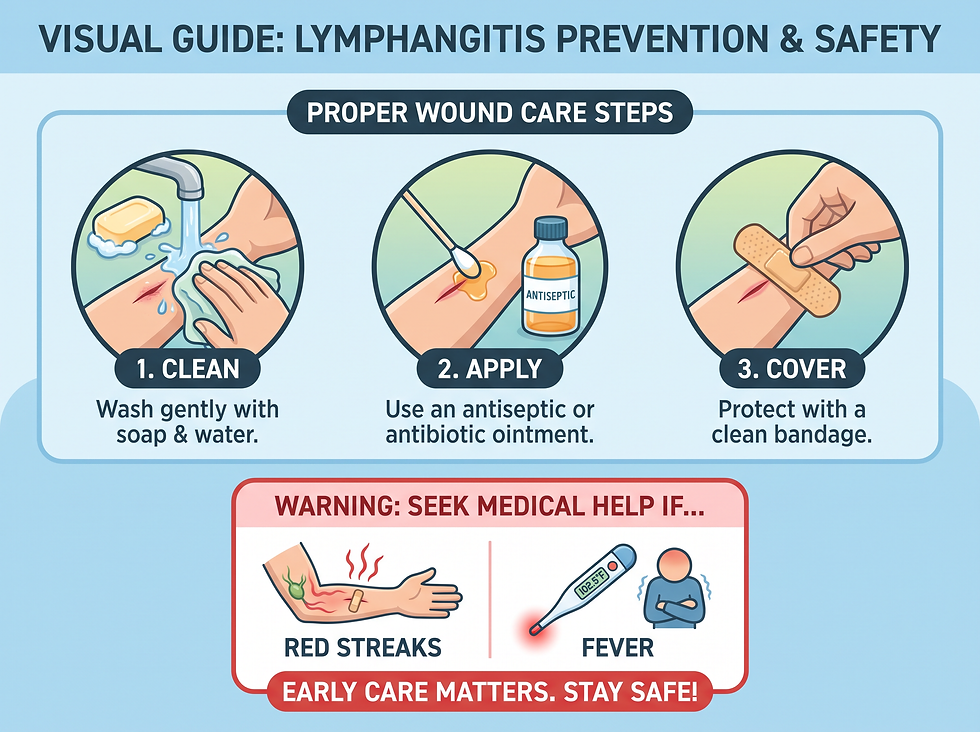
The most recognizable symptom of infection-related lymphangitis is the presence of red streaks on the skin. These streaks typically originate from a wound and move toward the lymph nodes. Patients may also experience systemic symptoms that mimic the flu, such as headaches, fever, chills, and persistent fatigue. In some cases, a slow-healing wound or swollen lymph nodes in the groin or armpit may be the first noticeable signs.
Lymphangitis moves quickly. In less than 24 hours, an infection can spread from the initial wound to several areas of your lymphatic system.
Due to this rapid progression, any individual noticing red streaks or sudden swelling should contact a healthcare provider immediately. Fast intervention is the primary method for preventing the infection from reaching the bloodstream and causing sepsis.

Common Causes and Risk Factors
Most cases of lymphangitis are caused by bacteria entering the body through a break in the skin. However, viruses and fungi can also trigger the condition. Common entry points include puncture wounds, bug bites, stings, and surgical incisions. In rare instances, the condition serves as a complication of cancer, occurring when malignant cells block the lymph vessels and cause inflammatory responses.
Infectious sources: bacteria (most common), viruses, and fungi (for example, sporotrichosis).
Skin entry points: puncture wounds, bug stings, surgical cuts, and cellulitis.
Noninfectious causes: blockages from cancerous or noncancerous tumors.
High-risk conditions: diabetes, Crohn’s disease, HIV, and suppressed immune systems.
Diagnostic Procedures
To confirm a diagnosis, healthcare providers begin with a thorough physical examination, focusing on skin changes and palpating lymph nodes for swelling. If an infection is suspected, a skin culture test may be performed to identify the specific pathogen involved. In cases where the cause of swollen nodes is unclear, a skin biopsy might be necessary. Furthermore, blood cultures are often utilized to determine if the infection has transitioned into the bloodstream.
Treatment and Management Strategies
The primary goal of treatment is to address the underlying cause of the inflammation. Depending on the results of diagnostic tests, providers will prescribe specific medications to eliminate the pathogen and manage symptoms.
Antibiotics: prescribed for bacterial infections; may be oral or intravenous.
Antifungals/antivirals: used when the inflammation is triggered by fungi or viruses.
Anti-inflammatories: medications used to reduce vessel swelling and discomfort.
Pain management: over-the-counter or prescription relievers to ease aches.
While most treatments involve medication, surgery is extremely rare and only reserved for cases where infected tissue must be physically removed. Most patients achieve a full recovery, although localized swelling may persist for several weeks following the completion of treatment.

Sclerosing Lymphangitis: A Specific Variation
A rare and distinct form of this condition, known as sclerosing lymphangitis, specifically affects the penis. Unlike acute lymphangitis, this variation typically presents as a hard, rope-like swelling just below the head of the penis. While the appearance can be concerning, it is generally harmless and often resolves without medical intervention. Experts believe it may be linked to physical trauma from intense activity or scarring from previous procedures.
Conclusion
Lymphangitis is a fast-moving condition that requires prompt clinical attention to ensure a safe recovery. By recognizing the hallmark red streaks and associated flu-like symptoms early, individuals can receive the necessary treatments to stop the spread of infection. With modern medical care, the outlook for those with lymphangitis is overwhelmingly positive.
If you observe red streaks extending from a wound or experience sudden fever and chills, seek medical evaluation immediately. Early diagnosis and the commencement of appropriate therapy are the most effective ways to prevent serious complications and ensure a swift return to health.
Frequently Asked Questions
1. What is the most common sign of lymphangitis? The most recognizable sign is the appearance of red streaks on the skin that move from a wound toward the lymph nodes.
2. How quickly does the condition spread? It can spread from an initial wound to multiple parts of the lymphatic system in less than 24 hours.
3. Is lymphangitis contagious? The inflammation itself is not contagious, but the underlying bacterial or viral infection that caused it might be transmissible through direct contact.
4. Can I treat this at home? No, lymphangitis requires professional medical diagnosis and often prescription medication like antibiotics to prevent serious complications.
5. What happens if it is left untreated? Untreated infections can spread to the bloodstream, potentially leading to life-threatening sepsis or abscesses.
6. Are there noninfectious causes? Yes, certain tumors and cancers can block lymph vessels, leading to noninfectious inflammation.
7. Who is at the highest risk? Individuals with diabetes, HIV, Crohn’s disease, or weakened immune systems are more susceptible.
8. What kind of doctor treats this? Primary care physicians, urgent care providers, or infectious disease specialists typically manage this condition.
9. Will I need surgery? Surgery is very rare and only necessary if there is infected tissue that needs to be removed.
10. How is it diagnosed? Diagnosis involves a physical exam, skin cultures, and sometimes blood tests or biopsies.
11. What is the difference between lymphangitis and cellulitis? Cellulitis is an infection of the skin itself, while lymphangitis is an inflammation of the vessels that carry lymph fluid.
12. Can bug bites cause this? Yes, bug bites and stings are common entry points for the pathogens that trigger lymphangitis.
13. Is sclerosing lymphangitis dangerous? No, it is a rare, usually harmless condition affecting the penis that typically resolves on its own.
14. How long does recovery take? While the infection usually clears quickly with treatment, swelling can sometimes last for weeks or months.
15. Can it recur? Yes, if a person experiences a new skin injury and infection, lymphangitis can occur again.
References
Medical Disclaimer: The information provided in this article is for educational purposes only and should not be considered medical advice. Always seek the counsel of a qualified healthcare professional regarding any concerns about skin infections or lymphatic health.
Comments