Understanding Hyperprolactinemia (High Prolactin)

Updated: 3 days ago
Medically reviewed by Dr. Baraa Alnahhal, MD · Last reviewed: October 2026
Quick Answer: What Is Hyperprolactinemia?
Hyperprolactinemia is a condition in which the pituitary gland makes too much prolactin, or the body does not clear it normally. The excess hormone interferes with reproductive hormones such as estrogen and testosterone. It is most often caused by a noncancerous pituitary tumor called a prolactinoma, but thyroid problems, kidney disease or certain medicines can also cause it. [1]

What the research says
Medicine controls prolactin in most people, but the problem often returns when it is stopped. A meta-analysis of 55 studies of medical treatment (3,564 patients) and 25 of transsphenoidal surgery (1,836 patients) found biochemical control in 81% of people on dopamine agonists, with side effects in 26%. Long-term remission after stopping dopamine agonists was 34%, compared with 67% after surgery. For microprolactinomas the figures were 36% and 83%. Surgery had 0% mortality, 2% permanent diabetes insipidus and 3% cerebrospinal fluid leak (Zamanipoor Najafabadi et al., Journal of Clinical Endocrinology & Metabolism, 2020) [3].
Longer treatment with cabergoline improves the odds of staying in remission. A review citing a meta-analysis reported that only 21% of patients kept normal prolactin after stopping dopamine agonists: 32% with idiopathic hyperprolactinemia, 21% with microprolactinomas and 16% with macroprolactinomas. Longer treatment was linked to success, and the chance was highest after at least 2 years of cabergoline (Pereira, Current Opinion in Endocrinology, Diabetes and Obesity, 2011) [4].
For small tumors, medicine works better at first, but surgery may last longer. In a meta-analysis of 18 studies (661 patients with microprolactinoma), the medicine group had a higher remission rate at 12 months or more (96% vs 86%). After treatment was withdrawn, the surgery group had a higher remission rate (78% vs 44%) (Lu et al., International Journal of Endocrinology, 2021) [5].
Key Takeaways
Feature | Details |
Primary Cause | Prolactinoma (a benign pituitary tumor) [1] |
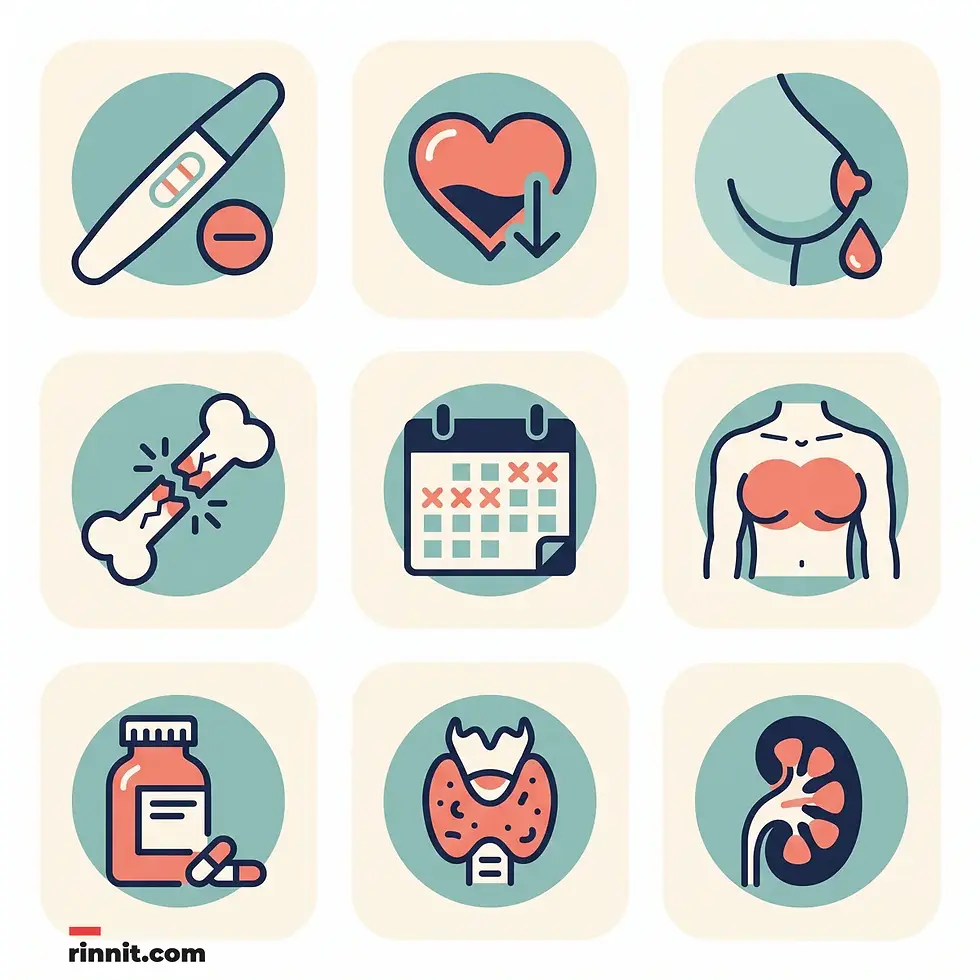
Common Symptoms | Infertility, low sex drive, galactorrhea (milky nipple discharge), low bone mass [1] |
Female Symptoms | Irregular or absent periods, vaginal dryness [1] |
Male Symptoms | Erectile dysfunction, low testosterone, gynecomastia [1] |
Main Treatment | Dopamine agonist medicines [1] |
Risk Factor | Multiple endocrine neoplasia type 1 (MEN1) [1] |
What role does prolactin play in the body?
Prolactin is made by the pituitary gland, a small pea-sized gland at the base of the brain. Its main jobs are to help breast tissue develop and to drive milk production. [1] In people who are not pregnant or breastfeeding, prolactin levels are normally low. When they rise abnormally, it can signal a problem in the endocrine system.
What commonly causes high prolactin (hyperprolactinemia)?
High prolactin can result from anything that raises prolactin or slows its clearance, and a noncancerous pituitary tumor called a prolactinoma is the most common cause. [1]
Pituitary Tumors (Prolactinomas)
A prolactinoma is a noncancerous tumor (adenoma) of the pituitary gland and the most common cause of hyperprolactinemia. [1] Tumors are grouped by size:
Microprolactinomas: smaller than 1 centimeter.
Macroprolactinomas: 1 centimeter or larger.
Other large tumors in or near the pituitary can also raise prolactin, usually by blocking dopamine from reaching the gland. [1] Radiation therapy to the area can have a similar effect. [1]
Medications and Dopamine
Dopamine is a brain chemical that normally keeps prolactin low. [1] Medicines that affect dopamine can make prolactin rise. They include:
Antipsychotics: such as risperidone and haloperidol. [1]
Antidepressants: including SSRIs and tricyclic antidepressants. [1]
Blood pressure medicines: such as verapamil and methyldopa. [1]
Heartburn and reflux medicines: H2 antihistamines. [1]
Hormonal medicines: birth control pills and estrogen therapy. [1]
Other drugs: medicines for nausea and vomiting (antiemetics) and opioid pain relievers. [1]
Prolactin usually returns to normal about three to four days after the medicine is stopped. [1] Never stop a prescribed medicine unless your healthcare provider tells you to.
Other Health Conditions
Hypothyroidism: an underactive thyroid can cause high prolactin. [1]
Chronic kidney disease: can cause high prolactin. [1]
Chronic liver disease: can cause high prolactin. [1]
Cushing disease and polycystic ovary syndrome: both can be linked to high prolactin. [1]
Chest wall injury: fractured ribs or breastbone, or shingles on the chest, can raise prolactin. [1]
Sometimes no cause is found. This is called idiopathic hyperprolactinemia, and it usually goes away without treatment after several months. [1]
What are the symptoms of hyperprolactinemia?
Symptoms vary by sex and by how high prolactin is. Some people have mild symptoms or none at all. [1]
Shared Symptoms
Sex-Specific Symptoms
How is hyperprolactinemia diagnosed and tested?
If hyperprolactinemia is suspected, providers follow a stepwise approach. The Endocrine Society guideline covers how to assess the cause, handle drug-induced cases, and manage prolactinomas in pregnant and nonpregnant people (Melmed et al., Journal of Clinical Endocrinology & Metabolism, 2011) [2].
Prolactin (PRL) blood test: the main test to confirm high levels. [1]
Medical history review: checking for medicines and conditions such as thyroid disease or pregnancy.
MRI: if levels are significantly high, an MRI of the brain looks for a pituitary tumor.
Vision testing: large tumors can press on the optic nerves, so peripheral vision may be checked.
How is hyperprolactinemia treated and managed?
The goals are to bring prolactin back to normal, restore reproductive function, and shrink any tumor. If prolactin is high but there are few or no symptoms, treatment may not be needed. [1]
Medication (Dopamine Agonists)
This is the first-line treatment for most people. [5] Drugs such as cabergoline and bromocriptine act like dopamine and tell the pituitary to make less prolactin. They are very effective at shrinking prolactinomas. [1]
Surgery
Surgery, usually through the nose, may be considered if:
Medicines are not tolerated or do not work. [1]
A large tumor is seriously affecting vision.
The person is planning a pregnancy and wants to avoid long-term medicine.
Radiation therapy is a rare third option when other treatments fail. [1]
Managing Secondary Causes
If a medicine is the cause, the doctor may switch to another drug. [1] Treating an underactive thyroid often brings prolactin back to normal without further treatment.

Conclusion
Hyperprolactinemia is a manageable condition that mainly affects reproductive health and bone density. With early diagnosis, usually from a simple blood test, and effective treatment, most people can restore hormone balance and resolve symptoms such as infertility and irregular cycles.
Frequently Asked Questions
Is hyperprolactinemia a form of cancer?
No. The most common cause, a prolactinoma, is a benign (noncancerous) tumor. [1]
Can high prolactin cause weight gain?
Weight gain is not a classic symptom, but hormone imbalances can sometimes affect metabolism and appetite. Ask your doctor if you are concerned.
Can men get hyperprolactinemia?
Yes, although it is diagnosed more often in women. [1] In men it often shows up as low sex drive, erectile dysfunction, low testosterone or breast enlargement.
How long does treatment take?
Medicine can lower prolactin within weeks, but shrinking a tumor can take several months of regular treatment.
Can I get pregnant with hyperprolactinemia?
High prolactin often causes infertility, but once levels are brought back to normal with treatment, many people are able to conceive.
What happens if I don’t treat it?
Untreated hyperprolactinemia can cause ongoing infertility and irregular periods, and it can lead to low bone mass (osteopenia) over time. [1]
Does stress cause high prolactin?
Physical or emotional stress can cause a temporary, mild rise in prolactin.
Is galactorrhea always a sign of a tumor?
No. It can also be caused by medicines, stimulation of the chest wall or hormonal changes.
Are there natural ways to lower prolactin?
Lifestyle changes can help with stress and general health, but medical treatment is needed for tumors or significant hormone imbalances.
Can birth control pills cause high prolactin?
Yes. Birth control pills are among the medicines that can raise prolactin in some people. [1]
What is the difference between a micro- and a macroprolactinoma?
A microprolactinoma is smaller than 1 cm, and a macroprolactinoma is 1 cm or larger.
Can high prolactin affect my vision?
Only if a large pituitary tumor (macroprolactinoma) grows enough to press on the optic nerves.
Is cabergoline better than bromocriptine?
Cabergoline is often preferred because it is usually taken less often and tends to have fewer side effects. Your doctor will choose what suits you.
Can hypothyroidism cause hyperprolactinemia?
Yes. An underactive thyroid raises thyrotropin-releasing hormone (TRH), which can stimulate prolactin release. Treating the thyroid often brings prolactin back to normal.
Can I stop my medicine once my levels are normal?
Never stop on your own. High prolactin often returns after dopamine agonists are stopped, and a review of the evidence found the best chance of lasting remission after at least 2 years of cabergoline. [4] Your doctor will decide if and when stopping is reasonable.
Does high prolactin cause acne?
Hormone changes can sometimes affect the skin, but acne is not a main symptom.
Can exercise affect prolactin levels?
Intense exercise can cause a short rise in prolactin, which is usually not clinically important.
What is MEN1?
Multiple endocrine neoplasia type 1 is an inherited condition that raises the risk of tumors of the pituitary and other endocrine glands. It is the only known risk factor for hyperprolactinemia. [1]
Is hyperprolactinemia hereditary?
Usually not, unless it is part of a genetic syndrome such as MEN1.
Can vitamin B6 lower prolactin?
Evidence is limited. Some studies suggest a mild effect, but vitamin B6 is not a substitute for prescribed dopamine agonists.
Does high prolactin cause headaches?
Large tumors can cause headaches by pressing inside the skull. The hormone itself does not typically cause them.
Can I breastfeed if I have a history of hyperprolactinemia?
Often yes, but talk with your obstetrician and endocrinologist first.
Does high prolactin cause vaginal dryness?
Yes. By lowering estrogen, high prolactin can cause vaginal dryness and thinning, which may make sex painful.
Can nipple piercings cause high prolactin?
Repeated stimulation of the chest wall, including from piercings or tight clothing, can occasionally raise prolactin.
What is idiopathic hyperprolactinemia?
It means the cause of the high prolactin cannot be found. Cleveland Clinic notes it usually goes away without treatment after several months. [1]
Can kidney failure cause high prolactin?
Yes. Chronic kidney disease can raise prolactin levels. [1]
Is there a specific diet for hyperprolactinemia?
There is no special diet. A balanced diet supports overall hormone and bone health.
Can high prolactin cause hot flashes?
It can. Because it lowers estrogen, it can cause symptoms like those of menopause, including hot flashes.
How often should I get my blood tested?
Often every few weeks or months at first until levels settle, then once or twice a year. Your doctor will set the schedule.
Can dopamine agonists cause mood changes?
Some people have behavior changes or impulse-control problems on these medicines. Report them to your doctor.
Is surgery for prolactinoma dangerous?
Most pituitary surgery is done through the nose (transsphenoidal). In a meta-analysis of 25 surgical studies, there was no mortality, permanent diabetes insipidus occurred in about 2% and cerebrospinal fluid leak in about 3%. [3]
Can high prolactin cause gynecomastia in men?
Yes. The hormone imbalance can lead to breast tissue growth in males. [1]
Does prolactin affect testosterone?
Yes. High prolactin suppresses the hormones that signal the testes to make testosterone.
Can shingles cause high prolactin?
Yes, especially if the shingles rash is on the chest wall. [1]
What is a normal prolactin level?
Typical reference values are below about 25 ng/mL for women and below about 20 ng/mL for men, though ranges vary between laboratories.
Can I drink alcohol while taking cabergoline?
It is best to limit alcohol, because it may add to dizziness and other side effects.
Does high prolactin cause depression?
The hormone imbalance and its effects, such as infertility, can contribute to low mood. Talk to your doctor if you feel depressed.
Can a macroprolactinoma be treated without surgery?
Yes. Many macroprolactinomas shrink with medicine alone, and surgery is usually kept for tumors that do not respond or cause problems such as vision loss.
Is prolactin made only in the pituitary?
The pituitary is the main source, but smaller amounts are made elsewhere, such as in the uterus and immune cells.
Can high prolactin cause hair loss?
It is not a common symptom, but thyroid problems, which can occur together with it, can cause hair thinning.
Can I take antidepressants if I have hyperprolactinemia?
Often yes, but some antidepressants can raise prolactin, so your doctor may choose one that is less likely to.
Does high prolactin affect sleep?
There is no clear direct link, but the underlying causes or symptoms may disturb sleep.
Can high prolactin cause breast pain?
Yes. Breast stimulation can cause tenderness or discomfort.
Is there an age limit for prolactinomas?
They can occur at any age but are most often diagnosed in women between 20 and 50.
Can high prolactin cause night sweats?
Like hot flashes, night sweats can occur because high prolactin lowers estrogen.
What is the “hook effect” in testing?
It is a laboratory effect in which extremely high prolactin levels read falsely low. Labs correct for it by diluting the sample.
Can a prolactinoma cause weight loss?
Weight loss is not a typical symptom of prolactinoma.
Does high prolactin affect bone density?
Yes. Low bone mass (osteopenia) is a recognized long-term effect.
Can I take cabergoline while pregnant?
Medicine is often stopped once pregnancy is confirmed, but the plan depends on the size of the tumor and must be managed by an endocrinologist.
Can high prolactin cause heart palpitations?
It is not a direct symptom, but anxiety about the condition or other hormone changes might cause them.
Related Reading
References
Cleveland Clinic. Hyperprolactinemia: What It Is, Symptoms & Treatment. Cleveland Clinic. Last updated December 24, 2024. https://my.clevelandclinic.org/health/diseases/22284-hyperprolactinemia
Melmed S, Casanueva FF, Hoffman AR, et al. Diagnosis and treatment of hyperprolactinemia: an Endocrine Society clinical practice guideline. J Clin Endocrinol Metab. 2011;96(2):273-288. PMID 21296991. https://doi.org/10.1210/jc.2010-1692
Zamanipoor Najafabadi AH, Zandbergen IM, de Vries F, et al. Surgery as a viable alternative first-line treatment for prolactinoma patients: a systematic review and meta-analysis. J Clin Endocrinol Metab. 2020;105(3):e32-e41. PMID 31665485. https://doi.org/10.1210/clinem/dgz144
Pereira AM. Update on the withdrawal of dopamine agonists in patients with hyperprolactinemia. Curr Opin Endocrinol Diabetes Obes. 2011;18(4):264-268. PMID 21844709. https://doi.org/10.1097/MED.0b013e328347c94a
Lu J, Cai L, Wu Z, et al. Surgery and medical treatment in microprolactinoma: a systematic review and meta-analysis. Int J Endocrinol. 2021;2021:9930059. PMID 34504526. https://doi.org/10.1155/2021/9930059
Disclaimer
This article is for informational purposes only and does not constitute medical advice. If you suspect you have hyperprolactinemia or a pituitary problem, talk to a healthcare professional promptly.



Comments