Understanding Hemicrania Continua: A Guide to Persistent One-Sided Headaches

Updated: 2 days ago
Medically reviewed by Dr. Baraa Alnahhal, MD · Last reviewed: October 2026
Quick Answer: What is Hemicrania Continua?
Hemicrania continua is a rare, side-locked headache disorder that causes constant, dull pain on one side of the head, occasionally interrupted by sharp, stabbing attacks. Unlike many other headaches, it is not triggered by stress or lack of sleep, but alcohol or intense physical activity can worsen it. A prompt, complete response to the NSAID indomethacin supports the diagnosis.
What the research says
The indomethacin response is the hallmark. A 2023 review states that a dramatic response to indometacin, not seen in migraine or the other trigeminal autonomic cephalalgias, is the hallmark of the diagnosis, and that for hemicrania continua the main differential is migraine. There are few effective alternatives to indometacin; the most effective are other NSAIDs, including COX-2 inhibitors (Bahra, Cephalalgia, 2023) [2].
Diagnosis can take years, even in teenagers. In a retrospective case series of 8 adolescents with indomethacin-responsive headaches (6 with hemicrania continua), the median time to diagnosis was 15 months. It was a small, single-center series (Miller et al., Journal of Child Neurology, 2026) [4].
Alternatives exist but evidence is limited. In a clinic case series of 7 people with hemicrania continua, prophylactic treatment was effective in 66.6% of cases with amitriptyline, 20% with gabapentin and 10% with topiramate. The authors noted that long-term indomethacin carries significant risks (Moura et al., Revista Brasileira de Anestesiologia, 2012) [3].
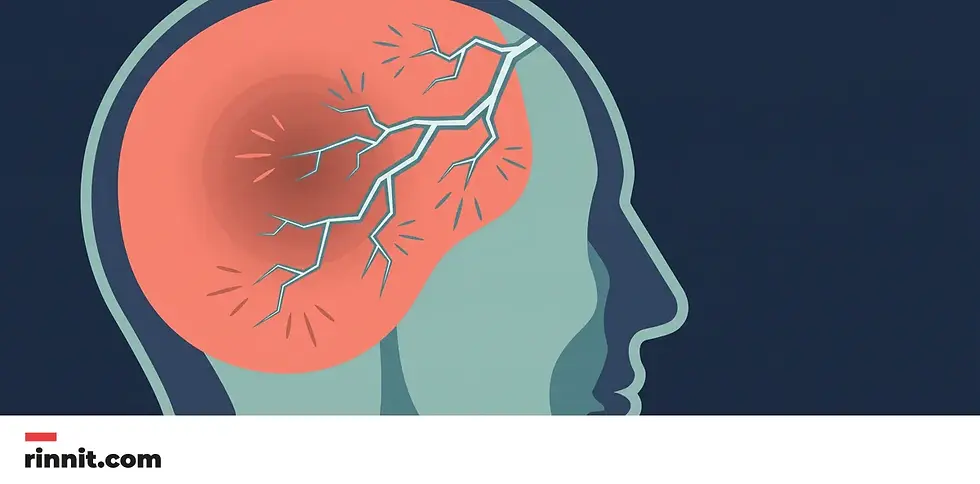
Hemicrania continua is a distinct primary headache disorder, meaning it occurs on its own and is not caused by another underlying medical condition. The name comes from Latin: "hemicrania" means "one side of the head" and "continua" means "continuous." Its "side-locked" nature is a hallmark: the pain stays on the same side of the face and head [1].
The condition has two main types. Chronic hemicrania continua involves constant, daily headaches without significant breaks. Remitting hemicrania continua involves daily headaches that may last up to six months, followed by a remission of weeks or months before symptoms return.
Key Takeaways: Hemicrania Continua at a Glance
Feature | Description |
|---|---|
Primary Symptom | Constant, dull pain on one side of the head and face. |
Duration Requirement | Pain must persist for at least three months for diagnosis. |
Attack Frequency | Severe stabbing attacks occur 3 to 5 times daily. |
Autonomic Signs | Drooping eyelid, red eyes, tearing, and nasal congestion. |
Primary Treatment | Indomethacin (a prescription NSAID). |
Common Triggers | Alcohol consumption and intense physical exertion. |
What are the symptoms of hemicrania continua?
The defining feature is a continuous, dull headache strictly on one side of the head. This baseline pain is often punctuated by short bursts of severe, stabbing pain, typically three to five times per day. These attacks can be debilitating and are often accompanied by autonomic symptoms [1].
Autonomic symptoms are reactions of the involuntary nervous system and usually occur on the same side as the pain. They include a drooping eyelid (ptosis), redness or tearing of the eye, nasal congestion or a runny nose. Some people also have migraine-like symptoms such as nausea, vomiting, and sensitivity to light (photophobia) or sound.
In short: the headache is continuous, strictly one-sided, present for at least three months, fluctuates in intensity, and comes with at least one autonomic feature [1].
Common Autonomic and Systemic Symptoms
Drooping eyelid (ptosis) on the affected side.
Redness or tearing of the eye (conjunctival injection).
Nasal congestion or a runny nose.
Nausea and vomiting, particularly during severe attacks.
Sensitivity to light or sound, mimicking migraine features.

What triggers or worsens hemicrania continua?
Unlike many primary headache disorders, hemicrania continua is not affected by common triggers such as emotional stress or lack of sleep. Alcohol is a frequently reported trigger that can increase intensity, and intense physical exertion can worsen the baseline pain or bring on a stabbing attack [1].
What causes hemicrania continua, and who is at risk?
The exact cause is unknown. Because it is a primary headache disorder, it is not a symptom of an underlying tumor, infection or structural problem. Theories include inflammation in the cavernous sinus, widening of certain brain arteries, or dysfunction of the trigeminal nerve, which carries sensation from the face. It is more commonly diagnosed in females [1].
How is hemicrania continua diagnosed with the indomethacin test?
Diagnosis involves a physical examination and a detailed headache history. Providers often recommend a headache diary to track frequency, location, intensity and accompanying symptoms. MRI or CT scans are performed to rule out other causes of one-sided head pain, not to diagnose the condition itself [1].
A distinctive step is the "indomethacin test." Because hemicrania continua responds so completely to this medication, a clear reduction or resolution of symptoms within a few days of starting it is strong evidence for the diagnosis. It should only be done under a doctor's supervision.
Diagnostic Criteria Checklist
Pain is strictly one-sided and continuous for more than three months.
Moderate intensity with exacerbations of severe pain.
At least one autonomic symptom (for example tearing or congestion).
Complete response to therapeutic doses of indomethacin.

How is hemicrania continua managed and treated?
The primary treatment is indomethacin, a potent nonsteroidal anti-inflammatory drug (NSAID). Most people notice relief within 24 hours to one week. Treatment usually starts at a low dose taken three times daily with meals to limit stomach upset. Once the headache is controlled, the provider may try to lower the dose to the minimum that maintains relief [1].
Potential Side Effects of Indomethacin
Indomethacin can cause side effects, particularly with long-term use, so monitoring is needed:
Gastrointestinal issues: constipation, diarrhea or stomach pain.
Neurological symptoms: dizziness or ringing in the ears (tinnitus).
Serious reactions: difficulty breathing, fast heartbeat or vision changes. Seek urgent care. Like all NSAIDs, indomethacin carries an FDA boxed warning for stomach bleeding and for heart attack and stroke; get emergency care for black or bloody stools, vomiting blood, chest pain, or sudden weakness or trouble speaking.
If indomethacin is not tolerated or not suitable (for example, with stomach ulcers), alternatives may be considered. These include amitriptyline, gabapentin or topiramate, and more advanced options such as vagus nerve stimulation or deep brain stimulation [1][3].
Frequently Asked Questions
What is the main symptom of hemicrania continua?
A constant, dull pain on only one side of the head that lasts for at least three months.
Is hemicrania continua a type of migraine?
No. It is a separate primary headache disorder, though it can share symptoms such as nausea and light sensitivity.
What does "side-locked" mean?
Side-locked means the pain always stays on the same side of the head and does not move to the other side.
Can hemicrania continua be cured?
There is no permanent cure, but it is usually treatable and manageable with the right medication.
Why is indomethacin used for diagnosis?
Hemicrania continua responds completely to indomethacin, which is not typical of migraine or most other headache disorders, so the response helps confirm the diagnosis.
Are there different types of this headache?
Yes. The chronic form is constant, and the remitting form has pain-free periods.
Does stress cause these headaches?
Stress is not a known trigger for hemicrania continua.
Is alcohol a trigger?
Yes. Drinking alcohol can make the pain worse.
Can exercise trigger an attack?
Intense physical activity can worsen the pain for some people.
Is the condition life-threatening?
No. Hemicrania continua is not dangerous or life-threatening, although it can be disabling without treatment.
Who is most likely to get these headaches?
Hemicrania continua is more commonly diagnosed in females, though it can affect anyone.
How long does it take for treatment to work?
Most people feel relief within 24 hours to a week of starting indomethacin.
What are autonomic symptoms?
Autonomic symptoms are involuntary signs such as a drooping eyelid, a runny nose or a red, tearing eye on the same side as the headache.
Can I take other NSAIDs instead of indomethacin?
Some other NSAIDs, including COX-2 inhibitors, may help some people, but indomethacin is the standard treatment and the diagnostic test. Discuss any alternative with your doctor.
What if I can't take indomethacin?
Your doctor may consider alternatives such as amitriptyline, gabapentin or topiramate, or nerve stimulation therapies.
Is imaging required for diagnosis?
MRI or CT scans are usually done to rule out other causes of one-sided head pain, not to confirm hemicrania continua itself.
What is the "indomethacin test"?
The indomethacin test is a supervised trial of indomethacin. A clear reduction or resolution of symptoms within a few days supports the diagnosis.
Should I take indomethacin with food?
Yes. It is usually taken with meals to reduce the risk of stomach upset.
Can children get hemicrania continua?
Hemicrania continua can occur at any age but is more commonly diagnosed in adults.
Is the pain always severe?
The baseline pain is usually dull to moderate, but it is interrupted by sharp, stabbing attacks.
How many attacks occur per day?
Severe stabbing attacks typically occur three to five times a day.
What causes the drooping eyelid?
The drooping eyelid is an autonomic symptom linked to the involuntary nervous system's response during the headache.
Is nausea common?
Many people have nausea, and some vomit, during severe attacks.
Can lack of sleep make it worse?
Lack of sleep is not a known trigger for hemicrania continua.
Is there a genetic link?
The exact cause is unknown, and a clear genetic link has not been established.
What is the cavernous sinus?
The cavernous sinus is an area in the head that houses nerves and blood vessels. Inflammation there is one suspected cause.
Can I return to work with this condition?
Most people can return to normal routines once the pain is controlled with treatment.
How long do remissions last?
In the remitting form, pain-free periods can last for weeks or months.
What is ptosis?
Ptosis is the medical term for a drooping upper eyelid.
Is hemicrania continua rare?
Yes. It is a relatively rare headache disorder compared with migraine or tension-type headache.
Can it affect both sides of the head?
No. By definition it is strictly one-sided (unilateral).
Does the side ever switch?
No. The pain stays on the same side, which is why it is called side-locked.
What are COX-2 inhibitors?
COX-2 inhibitors are a type of NSAID that may be considered as an alternative to indomethacin in some people.
Is botox used for treatment?
Botulinum toxin injections are sometimes considered by specialists when standard medicines are not effective or tolerated.
What is vagus nerve stimulation?
Vagus nerve stimulation is a therapy that uses electrical impulses to stimulate the vagus nerve and may be considered when medicines are not suitable.
Can I take melatonin for this?
Melatonin has been reported as an alternative option in some cases. Ask your doctor first.
What is the trigeminal nerve?
The trigeminal nerve is the major nerve of the face. Dysfunction of the trigeminal pathway is a suspected factor in these headaches.
Is it related to cluster headaches?
Hemicrania continua belongs to the same group of headaches (trigeminal autonomic cephalalgias) but has distinct features.
How is the dose of medication determined?
Doctors aim for the lowest dose that still keeps the headache controlled.
Are there long-term risks with medication?
Long-term NSAID use carries risks for the stomach and kidneys, so regular medical monitoring is needed.
Can I drink coffee?
Caffeine is not a recognized primary trigger, but monitor your own response.
Does weather affect it?
Weather is not typically reported as a trigger.
Is it a sign of a brain tumor?
Hemicrania continua is a primary headache disorder, not a tumor. Doctors use scans to rule out other causes before confirming the diagnosis.
What is photophobia?
Photophobia is extreme sensitivity to light.
What is a headache diary?
A record of when your headaches occur, their intensity and any other symptoms.
What should I do if I have these symptoms?
See a healthcare provider or headache specialist for a proper evaluation.
Is there a support group?
Many headache organizations offer resources and support for rare headache disorders.
Conclusion and Next Steps
Hemicrania continua is persistent and often misunderstood, but with proper diagnosis and management most people achieve significant relief. If you have constant, one-sided head pain, see a healthcare professional to explore treatment options. Knowing your triggers and keeping a consistent medication schedule are key steps toward reclaiming your quality of life.
Disclaimer: The information provided in this article is for educational purposes only and should not be considered medical advice. Always consult with a qualified healthcare professional for diagnosis and treatment of any health condition.
Related Reading
Paroxysmal Hemicrania: Understanding Severe One-Sided Headaches covers a related one-sided headache that also responds to indomethacin.
Cluster Headache: Understanding the Most Painful Headache, and What Treatment Can — and Can't — Do explains cluster headaches and how they differ from other one-sided headaches.
New Daily Persistent Headache (NDPH): A Complete Guide to Constant Headaches describes another daily headache that starts suddenly and does not stop.
Medication-Overuse Headache: When Your Headache Medicine Becomes the Problem, and How to Break the Cycle explains how frequent pain medicine use can cause rebound headaches.
References
Cleveland Clinic. Hemicrania Continua. Cleveland Clinic. Last updated January 31, 2025. https://my.clevelandclinic.org/health/diseases/21538-hemicrania-continua
Bahra A. Paroxysmal hemicrania and hemicrania continua: review on pathophysiology, clinical features and treatment. Cephalalgia. 2023;43(11):3331024231214239. PMID 37950675. https://doi.org/10.1177/03331024231214239
Moura LMVR, Bezerra JMF, Fleming NRP. Treatment of hemicrania continua: case series and literature review. Revista Brasileira de Anestesiologia. 2012;62(2):173-187. PMID 22440373. https://doi.org/10.1016/S0034-7094(12)70116-2
Miller AK, Jackman CT, Remster EM, Stokes MA. Indomethacin-responsive headaches in children and adolescents: a pearls and pitfalls case series. Journal of Child Neurology. 2026;41(3):330-335. PMID 40717615. https://doi.org/10.1177/08830738251360177



Comments