Understanding Hemarthrosis: Causes, Symptoms, and Joint Health Management

Updated: 2 days ago
Medically reviewed by Dr. Baraa Alnahhal, MD · Last reviewed: October 2026
Quick Answer: What is Hemarthrosis?
Hemarthrosis is bleeding inside the cavity of a synovial joint, the type of joint that allows movement. Blood in the joint causes significant inflammation and pressure. It can occur in any mobile joint but is most common in weight-bearing joints like the knees. Treatment focuses on stopping the bleed and addressing its cause, such as injury, chronic illness or medication.
What the research says
Blood inside a joint is not harmless. A review found that hemarthrosis has been implicated in the degeneration of joint tissues, that the joint damage of hemophilic arthropathy shares features with osteoarthritis, and that meniscus injuries often occur together with ACL injuries and produce a bloody joint effusion (Lyons et al., Osteoarthritis and Cartilage, 2021) [2].
In hemophilia, preventing bleeds protects the joints. A review of severe hemophilia A reports that two prospective randomized trials, the European ESPRIT study and the US Joint Outcome Study, confirmed that regular factor prophylaxis prevents hemarthroses and arthropathy (Rossbach, Vascular Health and Risk Management, 2010) [3].
Rehabilitation may help, within limits. In a randomized single-blind trial of 69 people with hemophilic elbow arthropathy, three sessions of myofascial release over 3 weeks reduced the frequency of elbow bleeds and improved joint status and pain (P < .001 for each). It was a small trial in people with hemophilia only, so it does not apply directly to injury-related hemarthrosis (Cuesta-Barriuso et al., Medicine, 2021) [4].
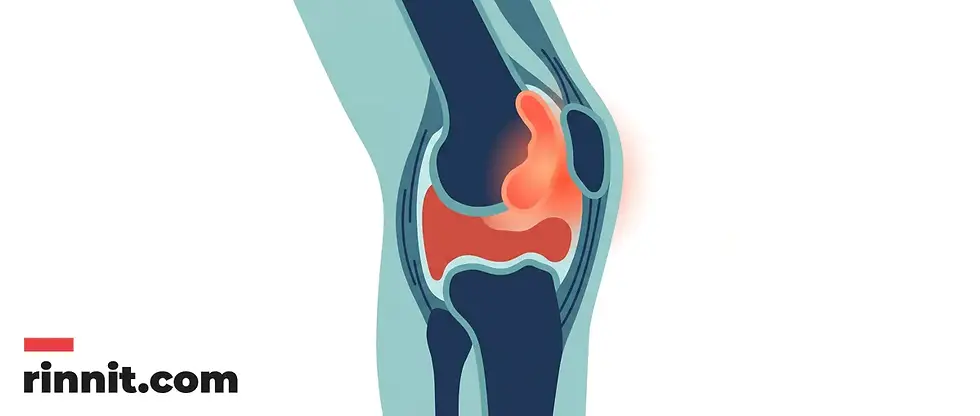
What is hemarthrosis (bleeding into a joint)?
Synovial joints are complex structures where bones meet to facilitate movement. These joints are protected by a thin barrier known as the synovial membrane, which works alongside cartilage, tendons, and ligaments to minimize friction during activity [1]. Hemarthrosis occurs when this protective environment is breached, allowing blood to accumulate within the joint cavity.
Healthcare providers typically categorize the condition into two forms:
Acute Hemarthrosis: Temporary bleeding often resulting from a specific injury or short-term illness.
Chronic Hemarthrosis: Recurrent bleeding episodes, usually associated with long-term bleeding disorders.
Common Sites of Occurrence
Although any synovial joint can be affected, hemarthrosis most frequently develops in the following areas:
Joint Type | Frequency and Impact |
Knees | The most common site, often linked to ligament tears (e.g., ACL) or arthritis. |
Elbows | Frequently affected in individuals with chronic bleeding disorders. |
Hips | Can cause significant mobility issues due to the deep location of the joint. |
Shoulders | Often resulting from sports-related trauma or falls. |

What are the symptoms and triggers of hemarthrosis?
The onset of hemarthrosis is usually marked by distinct physical changes around the affected joint. Early recognition is vital to prevent long-term joint damage, especially in chronic cases.
Primary Symptoms
Patients experiencing joint bleeding typically report a combination of the following:
Visible Swelling: Rapid inflammation around the joint area.
Intense Pain: Significant discomfort caused by internal pressure.
Restricted Mobility: Difficulty or total inability to move the joint through its normal range.
Discoloration: Bruising or a reddish-purple hue appearing on the skin surface.
Localized Warmth: The joint area may feel significantly warmer than the surrounding skin.
Underlying Causes
Hemarthrosis is rarely a primary condition; it is almost always a symptom of an external event or an internal health issue [1].
Traumatic Injury: Falls, vehicular accidents, and sports-related impacts (such as ACL tears) account for a large percentage of cases.
Bleeding Disorders: Conditions like hemophilia or Vitamin K deficiency significantly increase the risk of spontaneous joint bleeds.
Medical Side Effects: Anticoagulant medications (blood thinners) can make the body more prone to internal bleeding.
Health Conditions: Autoimmune diseases, liver disease, and certain types of cancer can compromise joint integrity.
Post-Surgical Complications: Procedures such as joint replacements or arthroscopies may occasionally lead to localized bleeding during recovery.
How is hemarthrosis diagnosed?
To confirm a diagnosis of hemarthrosis, healthcare providers utilize a combination of physical assessments and advanced imaging. This process is often part of a "differential diagnosis," where providers rule out other causes of swelling, such as joint effusion (fluid buildup not involving blood) [1].
Key Diagnostic Tools
Physical Examination: Assessing range of motion and comparing the affected joint to its healthy counterpart.
Imaging Tests: X-rays, MRIs, CT scans, and ultrasounds are used to visualize the extent of the bleeding and identify structural damage.
Arthrocentesis (Joint Aspiration): A procedure where excess fluid is removed from the joint cavity for laboratory analysis.
Blood Analysis: Testing for infections or underlying bleeding disorders that might be triggering the episodes.

How is hemarthrosis managed, and what helps recovery?
Effective treatment requires a two-pronged approach: stopping the active bleed and managing the resulting symptoms. In severe cases, a blood transfusion may be necessary to stabilize the patient.
The RICE Method for Home Care
While professional medical intervention is required to address the cause, the RICE method is the standard for managing symptoms at home:
Rest: Complete avoidance of weight-bearing activities on the affected joint.
Ice: Applying cold packs (wrapped in a towel) for 20 minutes several times a day to reduce inflammation.
Compression: Using an elastic bandage to provide support, ensuring it is not tight enough to restrict circulation.
Elevation: Keeping the joint positioned above the level of the heart to encourage fluid drainage.
Caution Regarding Medication: It is critical to consult a healthcare provider before taking over-the-counter pain relievers. Common NSAIDs like aspirin, ibuprofen, and naproxen can thin the blood, potentially worsening the internal bleed [1].
Recovery Timeline
Recovery duration varies significantly based on the severity and cause of the bleed. While minor cases may resolve within a few days once the bleeding is controlled, trauma-related hemarthrosis involving bone fractures can take several weeks to heal completely. Patients are typically advised to follow a structured rehabilitation plan, including physical therapy, to restore joint function and strength.
Conclusion
Hemarthrosis is a significant medical event that requires prompt attention to protect long-term joint mobility. Whether caused by an unexpected injury or a chronic health condition, understanding the signs and following professional medical advice is essential for a full recovery. By combining clinical treatment with diligent home care, most individuals can successfully manage the symptoms and return to their daily activities.
Frequently Asked Questions
What exactly is hemarthrosis?
Hemarthrosis is the medical term for bleeding that occurs inside a joint space, specifically within the synovial membrane.
Is hemarthrosis the same as a bruised joint?
While both involve blood, hemarthrosis refers specifically to blood pooling inside the joint cavity, whereas a bruise is usually bleeding within the skin or muscle tissues.
Which joints are most commonly affected?
The knees are the most frequent site, followed by elbows, hips, and shoulders.
Can hemarthrosis happen without an injury?
Yes, it can occur spontaneously in people with bleeding disorders like hemophilia or as a side effect of certain medications.
What are the first signs of a joint bleed?
Rapid swelling, a feeling of warmth, and a tingling or painful sensation inside the joint are common early indicators.
How is it different from joint effusion?
Joint effusion is a general term for any fluid buildup in a joint. Hemarthrosis is a specific type of effusion where the fluid is blood.
Can an ACL tear cause hemarthrosis?
Yes, ACL tears and other ligament injuries are responsible for approximately half of all hemarthrosis cases in the knee.
Is hemarthrosis an emergency?
If you experience sudden, severe swelling or cannot move a joint after an injury, you should seek immediate medical attention.
How do doctors treat the bleeding?
Treatment depends on the cause but often involves factor replacement therapy for hemophilia, stopping certain medications, or surgical intervention.
What is arthrocentesis?
Arthrocentesis is a diagnostic procedure where a needle is used to drain fluid from the joint for testing or to relieve pressure.
Can I use a heating pad for the pain?
No, heat can increase blood flow to the area and worsen the bleeding. Cold packs are recommended instead.
Why should I avoid aspirin if I have a joint bleed?
Aspirin and other NSAIDs can interfere with blood clotting, which may cause the joint to continue bleeding.
How long does recovery take?
Recovery ranges from a few days to several weeks, depending on whether the cause was a minor injury or a major trauma like a fracture.
Will I need physical therapy?
Most patients require some form of physical therapy to regain their full range of motion and strengthen the muscles around the joint.
Can children get hemarthrosis?
Yes, it can affect people of all ages, particularly those with congenital bleeding disorders or those active in sports.
Does hemarthrosis cause permanent damage?
If left untreated or if it occurs frequently (chronic), it can lead to permanent joint damage and a condition known as hemophilic arthropathy.
What is the synovial membrane?
The synovial membrane is a thin layer of tissue that lines the joint and produces fluid to help the joint move smoothly.
Can Vitamin K deficiency cause joint bleeding?
Yes, Vitamin K is essential for blood clotting, and a deficiency can lead to spontaneous bleeding episodes.
Is joint bleeding common after surgery?
Joint bleeding can be a complication after procedures like knee replacements, but surgeons take steps to minimize this risk.
What does "acute" hemarthrosis mean?
Acute hemarthrosis refers to a single, temporary episode of bleeding, usually caused by a specific trauma.
What does "chronic" hemarthrosis mean?
Chronic hemarthrosis refers to recurrent bleeding episodes in the same joint, often seen in patients with chronic health conditions.
Can liver disease lead to hemarthrosis?
Yes, the liver produces many of the proteins needed for blood clotting; liver disease can impair this process.
How do X-rays help diagnose joint bleeding?
X-rays can help identify bone fractures or other structural issues that might be causing the bleeding.
Can an ultrasound detect blood in a joint?
Yes, ultrasound is a very effective way to visualize fluid and blood within the joint space.
What is "range of motion"?
Range of motion is the measurement of how far a joint can comfortably move in different directions.
Why is elevation important in treatment?
Elevating the joint helps reduce swelling by using gravity to move fluid away from the affected area.
Can I walk on a knee with hemarthrosis?
It is generally advised to avoid putting weight on the joint until a healthcare provider has assessed the situation.
What is hemophilia?
Hemophilia is a genetic disorder where the blood does not clot properly, leading to an increased risk of internal bleeding.
Are there different types of hemophilia?
Yes, the most common are Hemophilia A and Hemophilia B, both of which can cause hemarthrosis.
Can arthritis cause joint bleeding?
Yes, certain types of inflammatory arthritis can damage the synovial membrane and lead to bleeding.
What is a synovial joint?
A synovial joint is a type of joint found between bones that move against each other, such as the joints in the limbs.
Can blood thinners cause spontaneous joint bleeds?
Yes, medications like warfarin or newer anticoagulants can increase the risk of bleeding even without a major injury.
What is a "differential diagnosis"?
A differential diagnosis is a systematic method used by doctors to distinguish between two or more conditions that share similar symptoms.
Can hemarthrosis be prevented?
While trauma is unpredictable, managing underlying conditions like hemophilia can significantly reduce the risk.
Is it safe to exercise after a joint bleed?
Only after a healthcare provider has cleared you to do so, as premature activity can re-trigger the bleeding.
Does joint bleeding cause bruising on the skin?
Joint bleeding can, but the primary issue is the blood trapped inside the joint, which may not always be visible as a surface bruise.
What happens if the blood isn't drained?
The body eventually reabsorbs the blood, but the iron in the blood can damage the cartilage if bleeds are frequent.
Is hemarthrosis painful?
Yes, the pressure from the blood expanding the joint capsule is usually very painful.
Can a car accident cause hemarthrosis?
Yes, the high-impact trauma of a vehicle accident is a common cause of acute joint bleeding.
What is "articular bleeding"?
Articular bleeding is another term for hemarthrosis, referring to bleeding within the articulation (joint).
Can an infection cause joint bleeding?
Yes, certain bacterial infections can cause septic arthritis, which may include bleeding into the joint.
How does ice help?
Cold temperatures constrict blood vessels, which can help slow down active bleeding and reduce swelling.
Can hemarthrosis affect the spine?
Hemarthrosis primarily affects synovial joints in the limbs; while the spine has synovial joints (facet joints), hemarthrosis there is extremely rare.
Is a joint bleed always warm to the touch?
Localized warmth is a very common sign of the inflammation associated with internal bleeding.
Can hemarthrosis cause a fever?
A low-grade fever can sometimes occur as the body responds to significant internal inflammation.
What is a "synovial cavity"?
A synovial cavity is the fluid-filled space between the articulating bones of a synovial joint.
Can hemarthrosis lead to arthritis?
Yes, recurrent joint bleeds are a major cause of secondary osteoarthritis.
How do I know if the swelling is getting worse?
Increased pain, tighter skin over the joint, and further loss of movement are signs of worsening inflammation.
Can I wrap the joint too tightly?
Yes, if the wrap causes numbness, tingling, or increased pain, it is too tight and should be loosened.
Who should I see for joint bleeding?
An orthopaedic surgeon, a hematologist (for bleeding disorders), or an emergency room physician are the appropriate providers.
Disclaimer: The information provided in this article is for educational purposes only and should not be considered medical advice. Always consult with a qualified healthcare professional for diagnosis and treatment of any health condition.
References
Cleveland Clinic. Hemarthrosis (Joint Bleeding). Cleveland Clinic. Last updated September 29, 2022. https://my.clevelandclinic.org/health/diseases/24225-hemarthrosis-joint-bleeding
Lyons LP, Weinberg JB, Wittstein JR, et al. Blood in the joint: effects of hemarthrosis on meniscus health and repair techniques. Osteoarthritis and Cartilage. 2021;29(4):471-479. PMID 33307179. https://doi.org/10.1016/j.joca.2020.11.008
Rossbach HC. Review of antihemophilic factor injection for the routine prophylaxis of bleeding episodes and risk of joint damage in severe hemophilia A. Vascular Health and Risk Management. 2010;6:59-68. PMID 20234780. https://doi.org/10.2147/vhrm.s5217
Cuesta-Barriuso R, Pérez-Llanes R, Donoso-Úbeda E, et al. Effects of myofascial release on frequency of joint bleedings, joint status, and joint pain in patients with hemophilic elbow arthropathy: a randomized, single-blind clinical trial. Medicine. 2021;100(20):e26025. PMID 34011108. https://doi.org/10.1097/MD.0000000000026025



Comments