Understanding Heartburn During Pregnancy: Causes, Symptoms, and Relief

Updated: 3 days ago
Medically reviewed by Dr. Baraa Alnahhal, MD · Last reviewed: October 2026
Quick Answer
Heartburn during pregnancy is a burning sensation in the chest and throat caused by stomach acid flowing back into the esophagus [1], driven by rising progesterone and pressure from the growing uterus [1]. Symptoms include a sour taste and bloating and typically worsen in the third trimester [1] [2]. Small, frequent meals, avoiding trigger foods and raising the upper body during sleep help [1].

What the research says
Heartburn is common and becomes more frequent as pregnancy goes on. A systematic review and meta-analysis of 21 studies with 9,497 pregnant participants found that 40.96% had gastroesophageal reflux symptoms overall (43.81% for heartburn), rising from 26.12% in the first trimester to 33.40% in the second and 55.93% in the third. Pregnant women were also far more likely to have symptoms than non-pregnant controls (odds ratio 8.37, 95% CI 2.93 to 23.89) (Khurmatullina et al., BMC Pregnancy and Childbirth, 2025) [2].
Lifestyle changes come first, then antacids. A review of treatment evidence reports that reflux occurs in about two-thirds of pregnancies and that around 25% of pregnant women have heartburn daily. It recommends a step-up approach that starts with lifestyle changes, then calcium-containing antacids as the preferred medicine (Grade A recommendation), with sucralfate, histamine-2 blockers, and proton pump inhibitors added only if symptoms persist (Altuwaijri, Medicine, 2022) [3].
Evidence on stronger acid-reducing medicines is mixed, so choose them with your provider. A meta-analysis of 11 observational studies (5,618 exposed pregnancies) found that first-trimester proton pump inhibitor use was not associated with a significant increase in major congenital malformations (odds ratio 1.10, 95% CI 0.95 to 1.26) (Peron et al., Reproductive Toxicology, 2023) [4]. An earlier meta-analysis of 26 observational studies found a small association (odds ratio 1.28, 95% CI 1.09 to 1.52) and no association for histamine-2 blockers (Li et al., Alimentary Pharmacology & Therapeutics, 2020) [5]. Both note that observational data can be biased.
Key Takeaways: Pregnancy Heartburn Overview
Feature | Details |
Primary Cause | Hormonal changes (progesterone) and physical pressure from the uterus [1]. |
Common Timing | |
Prevalence | Affects an estimated 30% to 80% of pregnant people [1]. |
Main Symptoms | Burning in the chest and throat, sour taste, bloating, and regurgitation [1]. |
Immediate Relief | Milk, yogurt, honey stirred into warm milk, or chewing gum [1]. |
Prevention | Small meals, avoiding triggers, and sitting upright after eating [1]. |
How does heartburn happen during pregnancy?
Heartburn, also known as acid indigestion, is one of the most common physical discomforts of pregnancy. Although the name suggests a heart problem, the sensation is entirely digestive [1]. It occurs when the lower esophageal sphincter (LES), a muscular valve that normally keeps stomach contents in place, relaxes too much or is forced open, allowing stomach acid to travel up into the sensitive lining of the esophagus (the food tube) [1].
Acid reflux can affect anyone, but the unique environment of pregnancy makes it more frequent and more severe [1]. Researchers estimate that between 30% and 80% of pregnant people experience these symptoms at some point, and the likelihood increases as the pregnancy progresses [1] [2].
Why does pregnancy trigger heartburn?
Heartburn in pregnancy is rarely due to a single factor. Changes in hormones and in body shape both play a part, and a few diet and lifestyle changes can usually prevent and relieve symptoms.
1. Hormonal Shifts
During pregnancy, the body produces higher levels of progesterone. This hormone relaxes the lower esophageal sphincter [1]. When this valve fails to seal tightly, stomach acid can easily escape into the esophagus. Hormones also slow the whole digestive process, so food stays in the stomach longer, which gives reflux more time to occur [1].
2. Physical Pressure
As the fetus grows, the uterus expands significantly. By the third trimester, the enlarged uterus crowds the abdomen and can push on the stomach [1]. This pressure can force stomach acid upward, which is why heartburn is so common in the later months of pregnancy.
3. Digestive Slowdown
The same hormonal changes that relax muscles also slow peristalsis, the wave-like contractions that move food through the digestive tract. This slowdown can cause bloating and a feeling of fullness [1], which further contribute to the upward movement of acid.

What are the symptoms of heartburn during pregnancy?
Heartburn symptoms usually show up within 30 minutes to an hour after eating [1], although sometimes there is a delay. Certain movements can make the discomfort worse, such as bending over, lifting something, or lying down after a meal [1].
Common signs of pregnancy heartburn include:
Chest and throat burning: A burning feeling in the chest that may rise through the throat [1].
Sour or bitter taste: Acid or partially digested food at the back of the throat [1].
Abdominal bloating: A feeling of pressure or fullness in the belly [1].
Frequent burping: More gas and regurgitation of swallowed food [1].
Nausea: A general feeling of sickness, often together with the burning sensation [1].
How can you relieve and prevent heartburn during pregnancy?
Managing heartburn in pregnancy focuses on reducing acid reflux and preventing acid from flowing upward. Natural remedies can bring quick relief, while long-term management usually depends on consistent lifestyle adjustments.
Natural and Immediate Relief
If you want immediate comfort without medication, these simple options can help:
Lifestyle and Dietary Adjustments
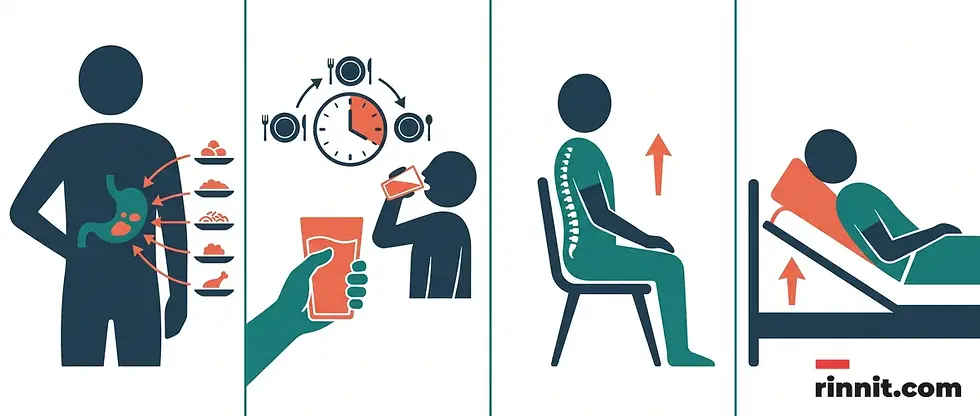
Prevention is the most effective way to handle persistent heartburn. These habits can reduce how often episodes happen:
Strategy | Implementation Tip |
Meal frequency | Eat several small meals throughout the day instead of three large ones [1]. |
Eating speed | Eat more slowly than you are used to [1]. |
Fluid intake | Drink between meals rather than during them [1]. |
Posture | Sit up straight while eating, and wait at least two hours after eating before lying down (three hours before going to bed) [1]. |
Sleep positioning | Keep the head of your bed higher than the foot, or place pillows under your shoulders to raise your upper body [1]. |
Identifying and Avoiding Triggers
Certain foods and substances can make heartburn worse. Common triggers to limit or avoid include:
Fried, spicy, and fatty foods: These are harder to digest and more likely to cause irritation [1].
Citrus fruits and juices: Acidic fruits can worsen the burning sensation [1].
Carbonated drinks: Fizzy drinks can add bloating and pressure [1].
Caffeine: Coffee, tea, and chocolate contain caffeine, which you should limit [1].
Alcohol and tobacco: Both can cause heartburn and can harm the developing baby, so avoid them [1].
When should you see a doctor about heartburn during pregnancy?
Most heartburn is harmless, but talk to your healthcare provider if it persists despite lifestyle changes [1]. They can recommend or prescribe medicines that are safe to take during pregnancy [1].
Important safety note: Talk to your provider before taking antacids such as Tums® or Maalox®, or any other heartburn medicine [1] [7]. Safety depends on the specific ingredients and the stage of pregnancy [1]. Some are fine in small amounts, while others should be avoided completely.
When to Contact Your Healthcare Provider
Call your provider if you have:
Heartburn can have symptoms similar to a heart attack [1]. If you have never had heartburn before and you have chest pain, call your provider or go to the nearest emergency room [1].
Conclusion
Heartburn is a temporary but challenging part of pregnancy for many people. By understanding the hormonal and physical causes, you can take proactive steps to reduce discomfort. With a few dietary changes and mindful positioning, most people find significant relief, and symptoms usually settle after the baby is born [1].
Frequently Asked Questions
What is the main cause of heartburn during pregnancy?
Hormonal changes (progesterone) that relax the esophageal valve, together with the physical pressure of the growing uterus on the stomach.
When does heartburn usually start in pregnancy?
It can start at any time, but it is most common in the third trimester.
Is heartburn a sign of a boy or a girl?
There is no evidence that heartburn reveals the baby's sex. In one small study, heartburn severity was unrelated to fetal sex (Costigan et al., Birth, 2006).
Can heartburn hurt the baby?
Heartburn itself is a digestive problem for the mother and does not harm the fetus, but tell your provider if it keeps you from eating or sleeping well.
Why is heartburn worse at night?
Lying flat lets stomach acid flow into the esophagus more easily.
How can I stop heartburn immediately?
Drinking milk, eating yogurt, or chewing gum can provide quick relief.
Are antacids safe during pregnancy?
Some are, but check with your provider first, because safety depends on the ingredients and the stage of pregnancy.
Does drinking water help heartburn?
Drink fluids between meals rather than during them, because large amounts with a meal can overfill the stomach.
Can spicy food cause permanent damage?
An occasional spicy meal causes temporary discomfort. If heartburn is frequent or severe, talk to your provider.
What foods should I avoid to prevent heartburn?
Fried, spicy, and fatty foods, citrus fruits and juices, carbonated drinks, and caffeine.
Does pregnancy heartburn go away after birth?
Things usually return to normal after you have your baby, so if you did not have heartburn before pregnancy, you probably will not have it afterward.
Can stress make heartburn worse?
Stress can make symptoms feel worse for some people, so relaxation techniques may help.
Is it okay to lie down after eating?
It is best to wait at least two hours after eating before lying down, and three hours before going to bed.
How does progesterone affect digestion?
It relaxes smooth muscles, which slows the movement of food through the digestive tract.
Can I take Tums while pregnant?
Tums are often recommended, but check the dose and safety with your provider first.
Is heartburn a symptom of preeclampsia?
Sometimes, but only together with other symptoms such as high blood pressure, headaches, blurry vision, or pain on your right side. If burning in your chest is your only symptom, it is most likely just heartburn. If you are unsure, contact your provider.
Does chewing gum really help?
Yes. Chewing gum increases saliva, which helps neutralize acid.
Can I drink coffee if I have heartburn?
It is best to limit caffeine, because it can trigger heartburn.
What is the "two-hour rule"?
Wait at least two hours after eating before lying down so your food has time to digest.
Should I eat three large meals or many small ones?
Several small meals are better, because they do not overfill the stomach.
Does elevating my head help?
Yes. Keeping the head of your bed higher than the foot, or using pillows under your shoulders, helps keep acid from traveling up.
Can I eat fruit?
Yes, but avoid highly acidic citrus fruits and juices such as oranges, lemons, and grapefruit.
Is honey safe for heartburn?
Honey stirred into warm milk is a traditional remedy for immediate relief.
Can exercise help?
Gentle movement can support digestion, but avoid vigorous exercise right after eating and ask your provider what is right for you.
What does "acid reflux" mean?
It is the backward flow of stomach acid into the esophagus (the food tube).
What is the difference between GERD and heartburn?
Heartburn is a symptom of acid reflux. GERD is a more severe, chronic form of acid reflux.
Can I drink soda?
Carbonated drinks can add bloating and pressure, so they are best avoided.
Does smoking affect heartburn?
Yes. Smoking and vaping can cause heartburn and also cause health problems for the baby. Ask your provider for help with a plan to quit.
Is yogurt better than milk for relief?
Either can help, so choose whichever works for you.
Can I lose weight because of heartburn?
If heartburn keeps you from eating and you are losing weight, call your provider.
What if I have trouble swallowing?
This is a warning sign, so contact your provider promptly.
Does heartburn mean my baby will have a lot of hair?
This is a well-known pregnancy folk belief. One small study of 64 women did find that more severe heartburn was linked to more newborn hair (Costigan et al., Birth, 2006), but that does not mean heartburn says anything about your baby's health.
Can I take baking soda for heartburn?
It is not recommended without medical advice, because baking soda is high in sodium.
Is ginger good for heartburn?
Ginger helps some people with nausea, but for others it may trigger heartburn.
How common is heartburn in the first trimester?
It is less common than in the third trimester, but reflux symptoms were reported by roughly 26% of pregnant people in the first trimester in one meta-analysis (Khurmatullina et al., BMC Pregnancy and Childbirth, 2025).
Can I drink tea?
Caffeinated tea can trigger heartburn. Ask your provider which herbal teas are safe during pregnancy.
What is regurgitation?
It is when swallowed food or acid comes back up into the mouth.
Does wearing tight clothes make it worse?
Tight waistbands can put extra pressure on the stomach and may make symptoms worse.
Is heartburn worse if I'm having twins?
It may be, because two fetuses can put more pressure on the stomach.
Can I take apple cider vinegar?
There is limited evidence about its safety or benefit during pregnancy, so ask your provider first.
What should I do if heartburn wakes me up?
Sip a little milk, sit upright for a while, and keep your head and shoulders raised when you go back to sleep. Call your provider if heartburn keeps waking you at night.
Does papaya help?
Some people find relief with papaya enzymes, but the evidence is limited. Check with your provider first.
Can I eat chocolate?
Chocolate contains caffeine and fat that can trigger reflux in some people.
Is heartburn a sign of labor?
No. It is a general pregnancy symptom and not a specific sign of labor.
What is the esophageal sphincter?
It is a ring of muscle that acts as a valve between the esophagus and the stomach.
Can I drink almond milk instead of cow's milk?
Milk and yogurt are the options usually suggested. There is little research on plant milks, so ask your provider if you are unsure.
How does posture affect heartburn?
Slumping puts pressure on the stomach, while sitting up straight gives it more room.
Can I take Pepcid while pregnant?
Acid-reducing medicines such as histamine-2 blockers are sometimes used, but only under your provider's guidance.
Is it okay to use multiple pillows?
Yes, as long as they support your shoulders and head so your upper body stays raised.
When will I feel normal again?
Heartburn usually settles after you have your baby.
Helpful Resources
References
Cleveland Clinic. Heartburn During Pregnancy. Cleveland Clinic. Last updated April 26, 2024. https://my.clevelandclinic.org/health/diseases/12011-heartburn-during-pregnancy
Khurmatullina AR, Andreev DN, Maev IV, et al. Global prevalence and risk of gastroesophageal reflux disease symptoms in pregnancy: a systematic review and meta-analysis. BMC Pregnancy and Childbirth. 2025;26(1):44. PMID 41366751. https://doi.org/10.1186/s12884-025-08569-x
Altuwaijri M. Evidence-based treatment recommendations for gastroesophageal reflux disease during pregnancy: a review. Medicine (Baltimore). 2022;101(35):e30487. PMID 36107559. https://doi.org/10.1097/MD.0000000000030487
Peron A, Ripoche E, Picot C, et al. Use of proton pump inhibitors during pregnancy: a systematic review and meta-analysis of congenital malformations. Reproductive Toxicology. 2023;119:108419. PMID 37269915. https://doi.org/10.1016/j.reprotox.2023.108419
Li CM, Zhernakova A, Engstrand L, et al. Systematic review with meta-analysis: the risks of proton pump inhibitors during pregnancy. Alimentary Pharmacology & Therapeutics. 2020;51(4):410-420. PMID 31909512. https://doi.org/10.1111/apt.15610
Costigan KA, Sipsma HL, DiPietro JA. Pregnancy folklore revisited: the case of heartburn and hair. Birth. 2006;33(4):311-314. PMID 17150070. https://doi.org/10.1111/j.1523-536X.2006.00128.x
U.S. Food and Drug Administration, Office of Women's Health. Medicine and Pregnancy. FDA. Content current as of February 3, 2025. https://www.fda.gov/consumers/womens-health-topics/medicine-and-pregnancy
Disclaimer
The information provided in this article is for educational purposes only and should not be considered medical advice. Always consult with a qualified healthcare professional regarding any pregnancy symptoms or before starting new treatments.



Comments