Sneddon Syndrome: Symptoms, Causes, and Management

Updated: 2 days ago
Medically reviewed by Dr. Baraa Alnahhal, MD · Last reviewed: October 17, 2026
Quick Answer: What is Sneddon syndrome?
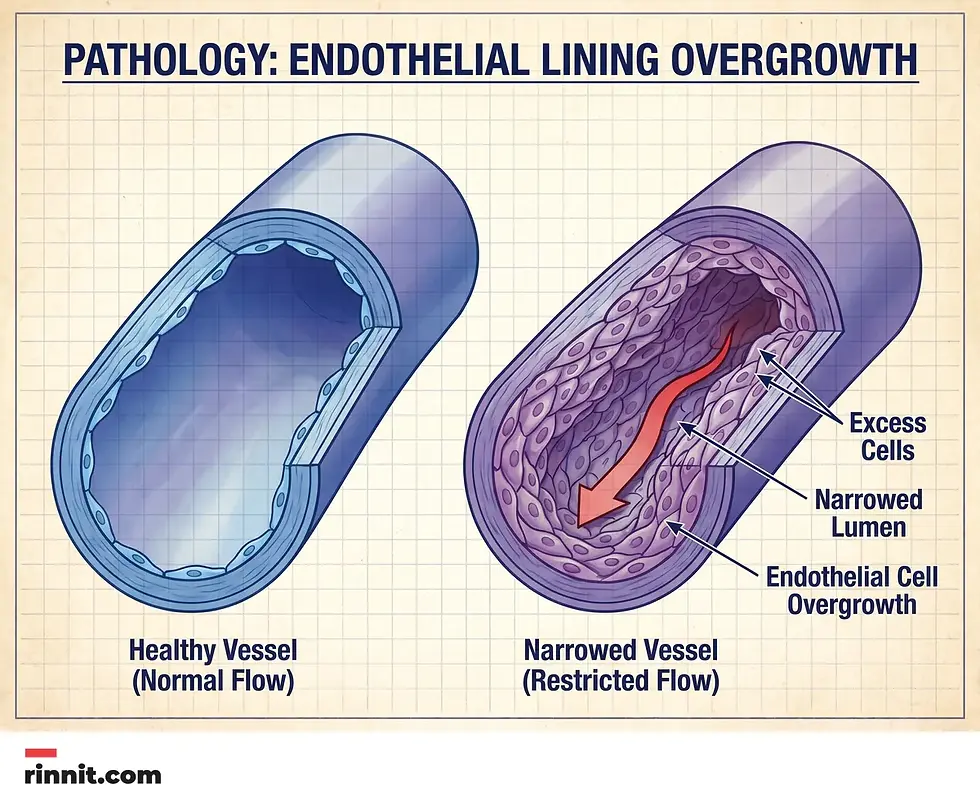
Sneddon syndrome is a rare vascular disorder in which the lining of small and medium blood vessels overgrows, narrowing them and restricting blood flow. It often causes a net-like skin rash called livedo reticularis plus serious neurological problems such as strokes and memory changes. Imaging and skin biopsy aid diagnosis, and management includes blood thinners and lifestyle changes. [1]
Know the stroke warning signs
Call emergency services immediately if you or someone with Sneddon syndrome has sudden vision changes, numbness on one side of the body, trouble speaking, or trouble walking. [1] Early treatment can limit long-term damage.
What the research says
The skin rash typically comes first, often by many years. A comprehensive review reports that about 80% of people with Sneddon syndrome are women, with a median age at diagnosis of 40, and that livedo racemosa precedes recurrent strokes by more than 10 years. Neurological symptoms usually unfold in three phases: headaches and dizziness, recurrent strokes, and early-onset dementia (Samanta et al., Journal of Stroke and Cerebrovascular Diseases, 2019) [2].
Treatment evidence is thin. The same review notes that treatment is based mainly on anecdotal reports. Antiplatelet and antithrombotic medicines are used to prevent further strokes, a recent study showed a lower stroke recurrence rate when they were used universally, and routine use of anti-inflammatory or immunosuppressive therapy remains controversial (Samanta et al., 2019) [2].
It is easy to miss. A case-based review described a 36-year-old woman with four transient ischemic attacks whose new skin findings and biopsy led to a diagnosis of Sneddon syndrome secondary to antiphospholipid syndrome, highlighting how the disease’s variability makes it hard to diagnose (Kong et al., Rheumatology International, 2021) [3].
What Is Sneddon Syndrome?
Sneddon syndrome is a rare, progressive condition that mainly affects the small and medium-sized blood vessels throughout the body. It involves an overgrowth of the endothelium, the inner lining of these vessels. [1] As excess cells build up, they can narrow the vessels, limiting blood flow and making blood clots more likely.
It is also known as Sneddon-Champion syndrome and livedo reticularis racemosa. [1] It is extremely rare, affecting roughly 4 in every 1 million people each year. [1] It occurs much more often in women, who make up nearly 80% of cases, and diagnosis typically happens around age 40. [1] [2]
Recognizing the Symptoms
Symptoms are varied and often affect both the skin and the nervous system. One of the most recognizable signs is a painless, net-like or snake-like skin rash. [1] It comes in two forms:
Livedo reticularis: usually appears on the arms or legs, is often triggered by cold, and fades when the skin is warmed.
Livedo racemosa: a more persistent pattern, usually on the trunk or buttocks, that stays visible regardless of temperature.

Neurological symptoms are common and can be severe. They include chronic headaches, dizziness, and more serious events such as strokes or transient ischemic attacks (TIAs). Over time, people may notice personality changes, memory loss, and difficulty speaking, and the condition can progress to early-onset dementia. [1] Skin symptoms often appear years before any neurological event.
Symptom Category | Common Signs | Key Characteristics |
Skin | Net-like rash | Livedo reticularis (limbs) or racemosa (trunk) |
Neurological | Strokes, TIAs | Often preceded by years of skin changes |
Cognitive | Memory loss, personality changes | Can progress to cognitive decline |
General | Headaches, dizziness | Persistent or intermittent |
Causes and Associated Conditions
The exact cause is unknown, so the condition is considered idiopathic. [1] Because it has occurred in some families, a genetic component is suspected. [1]
Sneddon syndrome is sometimes linked to autoimmune disorders [1], in which the immune system mistakenly attacks the body’s own tissues. People with Sneddon syndrome may also have conditions such as lupus, antiphospholipid syndrome, Behçet’s disease, or mixed connective tissue disease. [1] Smoking and estrogen-containing oral contraceptives are known to make the condition worse and raise the risk of complications.
Diagnostic Procedures
Because Sneddon syndrome is rare and overlaps with other conditions, providers use several tests to reach a diagnosis:
Blood tests: to look for markers of autoimmune disease or underlying clotting problems. [1]
Imaging: MRI and CT scans to look for brain damage or strokes, and angiograms to see blood flow through the vessels.
Skin biopsy: a small skin sample is examined under a microscope for the vascular changes typical of the syndrome. [1]
Heart evaluations: tests to check that blood flows correctly through the heart and nearby vessels. [1]
Diagnostic Test | Primary Purpose | Significance |
MRI / CT Angiogram | Brain and vessel imaging | Identifies strokes and vascular blockages |
Skin Biopsy | Microscopic analysis | Confirms the characteristic endothelial overgrowth |
Autoimmune Screening | Blood analysis | Checks for associated conditions such as lupus |
Management and Treatment Strategies
There is currently no known cure. [1] Because the condition is so rare, standard treatment protocols have not been established through large clinical trials. [1] Providers instead focus on managing specific symptoms and preventing new blood clots. Commonly used treatments include:
Lifestyle changes matter too. People with Sneddon syndrome are strongly advised to avoid smoking and to talk with their healthcare provider about avoiding estrogen-containing contraceptives, since both can raise the risk of vascular complications.

Long-Term Outlook and Living With the Disease
Sneddon syndrome is progressive, so symptoms, especially neurological ones, may worsen over time. [1] Regular follow-up with your healthcare team is essential to track the disease and adjust treatment.
Stay alert for signs of a stroke, such as sudden vision changes, numbness on one side of the body, or difficulty speaking. [1] Acting quickly is vital to limit long-term damage. Heart-healthy habits and taking medication as prescribed can help manage the condition and improve quality of life.
Conclusion
Sneddon syndrome is rare and serious, but recognizing its distinctive skin pattern early can lead to earlier diagnosis and treatment. Although there is no cure, blood-thinning medicines, quitting smoking, avoiding estrogen, and regular monitoring can help lower the risk of strokes and protect long-term health.
Next Steps
If you have a persistent net-like skin rash, especially together with headaches, dizziness, or memory changes, talk to your healthcare provider about an evaluation. If you notice any stroke symptoms, call emergency services immediately.
Trusted resources: Cleveland Clinic: Sneddon Syndrome.
Frequently Asked Questions
What is the most distinctive sign of Sneddon syndrome?
A net-like or snake-like skin rash called livedo reticularis or livedo racemosa.
Who is most likely to be diagnosed with this condition?
About 80% of people diagnosed are women, typically around age 40.
How rare is Sneddon syndrome?
Sneddon syndrome is very rare, affecting an estimated 4 people per 1 million each year.
What causes the blood flow problems in Sneddon syndrome?
Overgrowth of the inner lining (endothelium) of small and medium-sized blood vessels narrows them and restricts flow.
Can Sneddon syndrome lead to a stroke?
Yes. Restricted blood flow and a tendency to form clots significantly raise the risk of strokes and TIAs.
Is there a genetic link?
The exact cause is unknown, but it has appeared in several members of some families, which suggests a possible genetic component.
What is the difference between livedo reticularis and livedo racemosa?
Livedo reticularis usually appears on the limbs and reacts to cold, while livedo racemosa persists regardless of temperature and is usually found on the trunk.
Are other conditions associated with Sneddon syndrome?
Sneddon syndrome is sometimes linked to autoimmune diseases such as lupus and antiphospholipid syndrome.
How do doctors confirm the diagnosis?
Usually with a combination of blood tests, imaging (MRI or CT), and a skin biopsy.
What medications are used for treatment?
Doctors often prescribe blood thinners (anticoagulants or antiplatelets), vasodilators, and sometimes ACE inhibitors.
Is there a cure for Sneddon syndrome?
There is currently no known cure. Treatment focuses on managing symptoms and preventing clots.
Why should patients avoid estrogen-containing contraceptives?
Estrogen can increase the risk of blood clots, which is already a major concern in Sneddon syndrome. Talk with your provider about alternatives.
Can Sneddon syndrome cause memory loss?
Yes. Progressive neurological damage can lead to memory loss, difficulty speaking, and early-onset dementia.
What lifestyle changes are recommended?
Quitting smoking, avoiding estrogen-containing contraceptives, and keeping up heart-healthy habits.
When should a person with Sneddon syndrome seek emergency care?
Immediately if stroke symptoms occur, such as sudden numbness, vision loss, or trouble speaking or walking.
References
Cleveland Clinic. Sneddon Syndrome. Cleveland Clinic Health Library. Last reviewed May 5, 2022. https://my.clevelandclinic.org/health/diseases/22957-sneddon-syndrome
Samanta D, Cobb S, Arya K. Sneddon syndrome: a comprehensive overview. J Stroke Cerebrovasc Dis. 2019;28(8):2098-2108. PMID 31160219. https://doi.org/10.1016/j.jstrokecerebrovasdis.2019.05.013
Kong SS, Azarfar A, Bhanusali N. Sneddon syndrome: under diagnosed disease, complex clinical manifestations and challenging diagnosis. A case-based review. Rheumatol Int. 2021;41(5):987-991. PMID 32533291. https://doi.org/10.1007/s00296-020-04625-1
Medical Disclaimer
This article is for informational purposes only and does not constitute medical advice. Sneddon syndrome is a rare and serious condition. Always consult a qualified healthcare provider for diagnosis and treatment. If you experience symptoms of a stroke, call emergency services immediately.



Comments