Ranidaphobia Explained: Understanding the Intense Fear of Frogs and Toads

Updated: 1 hour ago
Medically reviewed by Dr. Baraa Alnahhal, MD · Last reviewed: September 2026
Ranidaphobia is an intense, irrational fear of frogs and toads. As a specific phobia and type of anxiety disorder, it can cause severe physical and emotional symptoms, such as panic attacks, nightmares, and avoidance behaviors. While the exact cause is unknown, it is often linked to genetics, cultural superstitions, or past traumatic experiences. Most cases, especially in children, can be successfully managed through therapies like Cognitive Behavioral Therapy (CBT) and exposure therapy.
Quick answer: What is ranidaphobia?
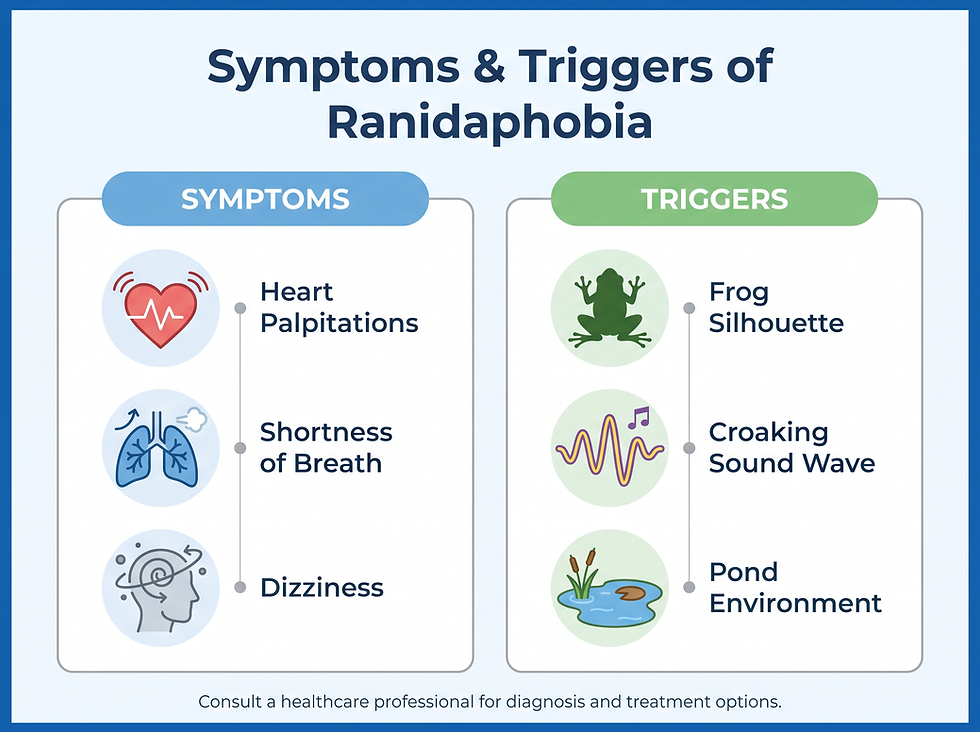
Ranidaphobia is a specific phobia characterized by an overwhelming fear of frogs or toads. Individuals with this condition may believe these amphibians are harmful, diseased, or even cursed. The fear is often triggered by seeing a frog (even in cartoons), hearing a croaking sound, or simply thinking about them.
Key distinctions include:
Batrachophobia: A broader fear of all amphibians (newts, salamanders, etc.).
Bufonophobia: A specific fear focused exclusively on toads.
Symptoms can range from mild anxiety to full-blown panic attacks, including dizziness, heart palpitations, and trembling. While it is more common in children and adolescents, it can persist into adulthood. Diagnosis is based on the intensity and duration of the fear (at least six months) and its impact on daily life. Treatment is highly effective, with exposure therapy helping over 90% of those who practice it regularly.
Symptoms and Impact
Ranidaphobia symptoms can be both physical and behavioral, often occurring instantly upon exposure or thought.
Physical Symptoms
Symptom Type | Common Reactions |
Cardiovascular | Heart palpitations, chest tightness. |
Respiratory | Shortness of breath (dyspnea). |
Gastrointestinal | Nausea, upset stomach, indigestion. |
Neurological | Dizziness, lightheadedness, trembling, chills. |
General | Excessive sweating (hyperhidrosis). |
Behavioral Impact
Avoidance: Refusing to visit parks, ponds, or wooded areas.
Lifestyle Changes: Choosing where to live based on the absence of amphibians.
Social/Educational Withdrawal: Skipping field trips or science classes that involve frogs.
Media Avoidance: Avoiding books, movies, or even cartoon depictions of frogs.
Causes and Diagnosis
Healthcare providers believe a combination of factors contributes to the development of this specific phobia.
Primary Causes
Genetics: A family history of anxiety disorders or specific fears.
Cultural Superstitions: Stories linking frogs to diseases, warts, or bad omens.
Traumatic Experiences: A frightening encounter in childhood, such as a frog jumping on someone or witnessing a gruesome event involving one.
Misconceptions: Irrational beliefs that frogs can "overtake" humans or spread curses.
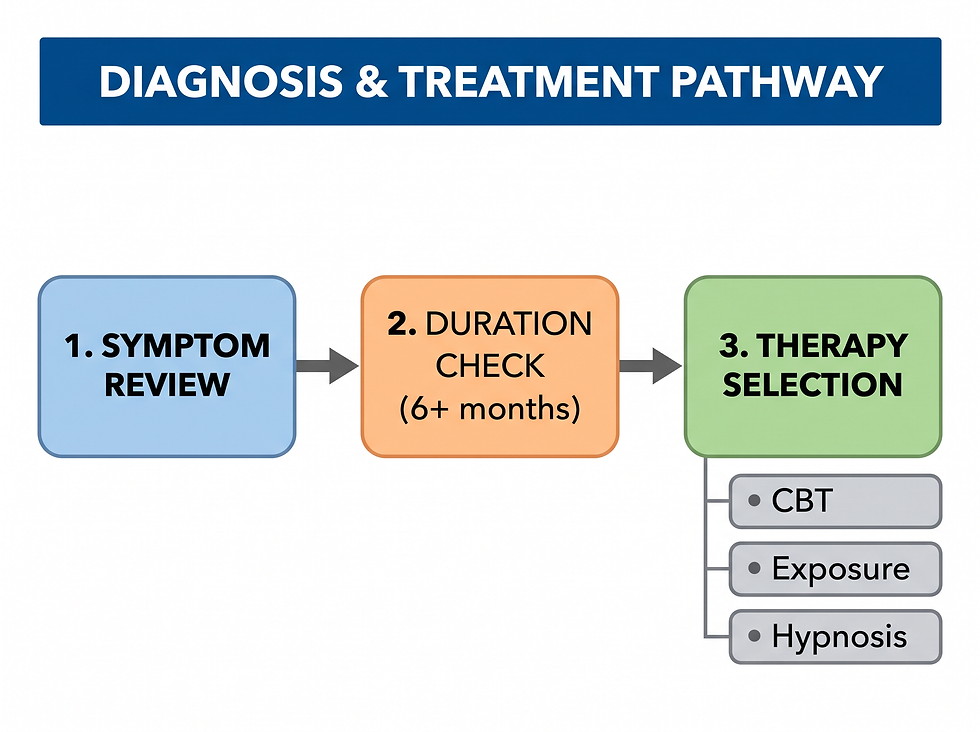
Diagnostic Criteria
A healthcare provider will diagnose ranidaphobia if the fear:
Has lasted for at least six months.
Is significantly out of proportion to the actual danger.
Causes immediate anxiety upon thinking about or seeing a frog.
Leads to avoidance behaviors that interfere with daily life.
Treatment and Recovery
While mild cases may not require intervention, therapy is recommended if the fear interferes with quality of life.
Effective Therapies
Cognitive Behavioral Therapy (CBT): Helps unlearn negative thought patterns and gain control over emotions.
Exposure Therapy (Desensitization): Gradual exposure to frogs in a controlled environment, starting with pictures and moving toward real-life encounters.
Hypnotherapy: Using a focused state of mind to increase openness to changing fearful beliefs.
Medications: Anti-anxiety medications can help manage physical symptoms during the recovery process.
Outlook
Many children outgrow ranidaphobia naturally. For adults, the prognosis is excellent; exposure therapy has a success rate of over 90% when practiced consistently.

Conclusion
Ranidaphobia is a treatable specific phobia. Although the fear can feel overwhelming and limit everyday activities, therapies such as CBT and exposure therapy help the vast majority of people regain control. If your fear of frogs or toads is causing panic, nightmares, or avoidance, speak with a healthcare provider or mental health professional about a personalized treatment plan.
Next Steps
If a fear of frogs is interfering with your daily life, consider scheduling an appointment with a licensed therapist to explore exposure therapy and other effective treatment options.
Frequently Asked Questions (FAQ)
Is ranidaphobia the same as batrachophobia?
Not exactly. Ranidaphobia is specifically the fear of frogs and toads, while batrachophobia is a broader fear of all amphibians, including salamanders and newts.
Can frogs actually give you warts?
No. This is a common myth. Warts are caused by human viruses, not by touching frogs or toads.
Why am I afraid of even cartoon frogs?
Specific phobias can be triggered by any representation of the feared object, as the brain reacts to the concept of the frog rather than a physical threat.
How common is the fear of frogs?
While exact numbers for ranidaphobia are unknown, specific phobias affect about 1 in 10 adults and 1 in 5 teenagers in the U.S.
Can ranidaphobia cause panic attacks?
Yes. Intense encounters or even thoughts about frogs can trigger full panic symptoms like heart palpitations and shortness of breath.
Is there a name for the fear of just toads?
Yes, the specific fear of toads is called bufonophobia.
Can a traumatic childhood event cause this?
Yes. Many phobias stem from a single frightening experience, such as a frog jumping on a child unexpectedly.
Does ranidaphobia run in families?
It can. There is often a genetic component to anxiety and the tendency to develop specific fears.
How does exposure therapy work for frogs?
It starts small, perhaps looking at a drawing of a frog, and gradually moves to looking at photos, then a real frog in a tank, until the fear becomes manageable.
Can I get over this fear without a doctor?
Mild fears might be managed with relaxation techniques, but if the fear causes nightmares or avoidance, professional therapy is highly recommended.
Are there medications for frog phobia?
Medications don't "cure" the phobia but can help reduce the physical symptoms of anxiety while you undergo therapy.
What is "dialectical behavioral therapy" (DBT)?
It is a type of CBT where you might be asked to think about the fear while practicing a "half-smile" to slowly change your emotional response.
Does hypnotherapy really work for phobias?
It can be effective for some people by making them more open to reframing their fearful thoughts while in a relaxed state.
Will I ever be able to go to a pond again?
Yes. With consistent treatment like exposure therapy, the vast majority of people can return to outdoor activities without fear.
Can ranidaphobia lead to other anxiety disorders?
If left unmanaged, people with one phobia may be at higher risk for developing other anxieties like OCD or panic disorder.
Helpful Resources
National Institute of Mental Health (NIMH): Statistics and information on specific phobias.
Anxiety and Depression Association of America (ADAA): Resources for finding a therapist.
References
Medical Disclaimer: The information provided in this article is for educational purposes only and is not intended as medical advice. Always seek the advice of your physician or other qualified health provider with any questions you may have regarding a medical condition. Never disregard professional medical advice or delay in seeking it because of something you have read here. If you think you may have a medical emergency, call your doctor or 911 immediately.
Comments