Phobophobia: Understanding the Intense Fear of Fear

Updated: 2 days ago
Medically reviewed by Dr. Baraa Alnahhal, MD · Last reviewed: October 2026
Phobophobia is a complex anxiety disorder characterized by an extreme and persistent fear of experiencing fear itself. Individuals with this condition may be terrified of the physical sensations associated with anxiety, such as heart palpitations or shortness of breath, or they may fear developing a new phobic disorder. While phobophobia can significantly disrupt daily life, it is highly manageable through evidence-based treatments like cognitive behavioral therapy (CBT) and exposure therapy, which help break the cycle of anticipatory anxiety.
Quick Answer
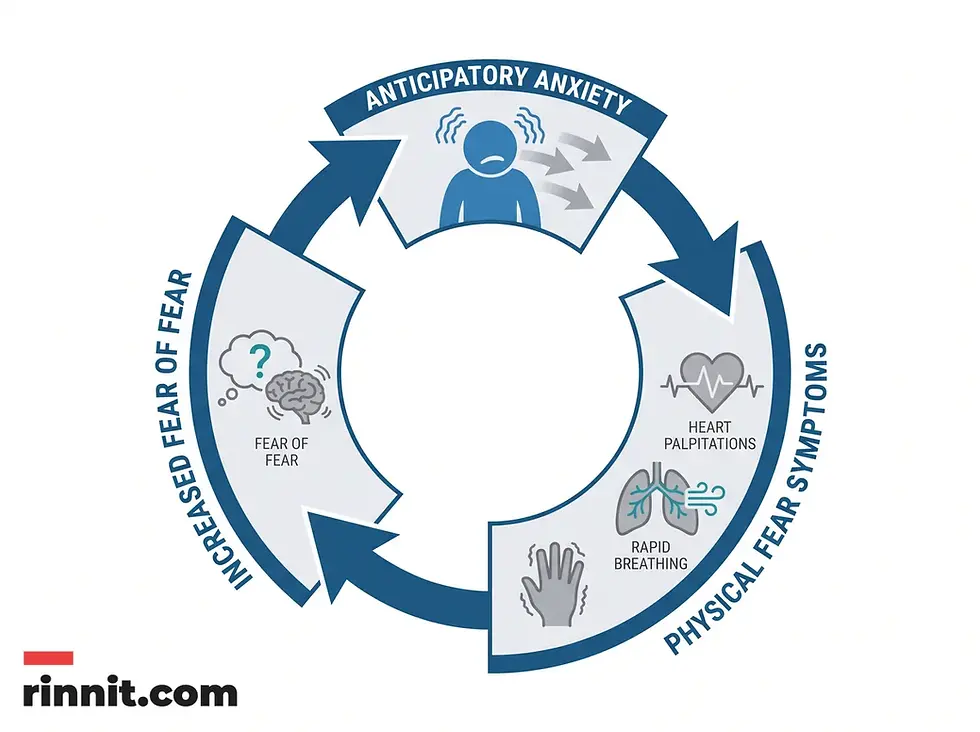
Phobophobia is an intense fear of being afraid or developing a phobia. Anticipating fear can trigger the very symptoms the person dreads, such as dizziness or rapid breathing. Diagnosis requires persistent avoidance and functional impairment lasting at least six months. Treatment focuses on desensitization through psychotherapy and stress management techniques to restore a sense of control. [1]
What the research says
Fear of anxiety symptoms can be learned from parents. A meta-analysis of 10 studies (28 identified, 11 in the systematic review) found a small but significant link between parent-to-child fear learning pathways and anxiety sensitivity, the fear of anxiety-related symptoms. The link was stronger in children and adolescents than in adults (Alcan et al., Clin Child Fam Psychol Rev, 2025).
Fear of anxiety sensations goes hand in hand with PTSD symptoms. A meta-analysis of 52 studies including 15,173 trauma-exposed adults found a medium relationship between anxiety sensitivity and PTSD symptoms (r = 0.46, 95% CI 0.41 to 0.50) (Chiu et al., J Anxiety Disord, 2024).
Exposure therapy works for specific phobias, in one session or several. A meta-analysis of 1,758 participants (30 multi-session and 55 single-session treatment groups) found large effects on approach behavior and self-reported symptoms, with no significant difference between single and multiple sessions. Single-session treatment took less total time (Odgers et al., Behav Res Ther, 2022).
Research summaries are based on article abstracts retrieved from PubMed.
What is Phobophobia?
Phobophobia is a unique and often misunderstood anxiety disorder where the primary object of fear is the sensation of fear itself. While many phobias focus on external objects like spiders or heights, phobophobia is internally focused. A person with this condition might be terrified that the physical sensations of fear, such as sweaty palms or a racing heart, could cause permanent damage or even be life-threatening. [1]
In other cases, phobophobia manifests as an overwhelming anxiety about developing a specific phobia, such as claustrophobia. This anticipatory dread can become so intense that it functions as a phobia in its own right. Although specific phobias are common, affecting approximately 1 in 10 adults at some point, phobophobia is considered a rarer and more complex variant of these disorders. [1]
What are the symptoms and physical triggers of phobophobia?
The symptoms of phobophobia often mirror those of a panic attack, as the body reacts to the thought or presence of fear. These reactions can be triggered by common "scary" situations, such as watching a horror movie, or by mundane events that might induce stress, like a job interview. [1]
Symptom Category | Common Physical Sensations |
Cardiovascular | Heart palpitations, chest tightness, and increased pulse. |
Respiratory | Shortness of breath (dyspnea) and rapid breathing. |
Gastrointestinal | Nausea, upset stomach, and indigestion. |
General Physical | Chills, dizziness, excessive sweating, and trembling. |
To avoid these distressing sensations, individuals often develop extreme avoidance behaviors. This might start with avoiding obvious triggers but can expand to include any situation where they might feel anxious. For example, someone who fears the symptoms of a flying phobia might eventually stop using cars or trains to avoid any possibility of feeling trapped or afraid. [1]
What causes phobophobia and who is at risk?
Phobophobia rarely develops in isolation and is often linked to a combination of genetic, environmental, and psychological factors. Research suggests that anxiety disorders can have a genetic component, meaning some individuals may inherit a predisposition toward phobias. [1]
Common drivers of phobophobia include:
Existing Phobias: Many people with this condition already have one or more specific phobias. The fear of their own reaction to a trigger can become more paralyzing than the trigger itself.
Traumatic Experiences: Witnessing someone else have a severe panic attack or experiencing a past trauma where the physical fear was the most memorable part can lead to a long-term fear of those sensations.
Mental Health History: Phobophobia often co-exists with other conditions such as panic disorder, PTSD, or obsessive-compulsive disorder (OCD). [1]

How is phobophobia diagnosed?
A healthcare provider typically diagnoses phobophobia when fear and avoidance behaviors significantly interfere with a person's daily life for six months or longer. Because it often overlaps with other anxiety disorders, clinicians must carefully distinguish it from panic disorder or general anxiety. [1]
During the evaluation, a provider will look for:
Persistent Avoidance: A consistent pattern of staying away from any situation that might cause fear.
Functional Impairment: Difficulty maintaining work, school, or social commitments due to anxiety.
Physical Symptom Review: Identifying the specific panic-like symptoms that occur when the individual thinks about fear. [1]
How is phobophobia managed, and what does recovery involve?
The goal of treating phobophobia is to help the individual regain control over their emotional and physical responses. The most effective approach involves psychotherapy, specifically techniques designed to desensitize the person to the feeling of fear. [1]
Primary Treatment Options
Cognitive Behavioral Therapy (CBT): This talk therapy helps individuals identify negative thought patterns and replace them with healthier coping mechanisms. Deep breathing and meditation are often taught as tools to manage immediate reactions.
Exposure Therapy: Under professional guidance, individuals gradually encounter the situations or symptoms they fear. By recreating the feeling of fear in a safe environment, the person becomes desensitized over time.
Lifestyle Management: Reducing caffeine and alcohol intake can help lower baseline anxiety levels. Building a strong support system and maintaining a balanced diet also play critical roles in long-term recovery. [1]

Conclusion
Phobophobia is a challenging condition that can make the world feel like a series of potential triggers. However, by understanding that the fear is a reaction to internal sensations rather than external threats, individuals can begin the journey toward recovery. With the right therapeutic support and a commitment to managing stress, the cycle of "fear of fear" can be broken, allowing for a return to a full and active life.
Related Reading
Frequently Asked Questions
Is phobophobia the same as a panic attack?
No, but they are related. A panic attack is a sudden episode of intense fear, while phobophobia is the long-term, persistent fear of experiencing those panic symptoms or fear itself.
Can phobophobia be cured?
While "cure" is a strong word, the condition is highly treatable. Most people can manage their symptoms through consistent therapy like CBT and exposure therapy.
Why is caffeine bad for people with phobophobia?
Caffeine is a stimulant that can mimic the physical symptoms of fear, such as a racing heart or jitters, which can trigger the anticipatory anxiety characteristic of phobophobia.
How do I know if my fear is "irrational"?
In the context of a phobia, an irrational fear is one where the level of dread is significantly higher than the actual danger posed by the situation or object.
Can children develop phobophobia?
Specific phobias are common in teenagers, with about 1 in 5 experiencing one, so fear-related disorders can begin early. Early intervention and support can help prevent these fears from becoming long-term disorders.
What is the "self-fulfilling prophecy" in phobophobia?
The "self-fulfilling prophecy" occurs when a person is so afraid of getting scared that the stress of their worry actually causes the physical symptoms of fear, making their fear come true.
Is medication necessary for treatment?
Medication is typically not the primary treatment for phobias but may be used to manage co-existing conditions like severe anxiety, panic disorder, or PTSD.
How long does treatment usually take?
The duration varies by individual. Your provider can give you an estimate based on your symptoms, your other phobias, and any co-existing conditions.
When should I see a doctor about my fear?
You should reach out to a healthcare provider if your anxiety interferes with your ability to sleep, work, or maintain social relationships, or if you experience regular panic attacks.
Can self-help steps ease phobophobia?
Yes, they can help. Slow breathing, meditation and cutting back on caffeine and alcohol can lower everyday anxiety. These steps work best alongside therapy such as CBT, not in place of it.
References
Cleveland Clinic. Phobophobia (Fear of Fear). Cleveland Clinic Health Library. Last updated March 15, 2022. https://my.clevelandclinic.org/health/diseases/22520-phobophobia-fear-of-fear
Alcan E, Gessner J, Stangier G, et al. The association between parent-to-child fear learning pathways and anxiety sensitivity: a systematic review and meta-analysis. Clin Child Fam Psychol Rev. 2025;28(2):322-348. PMID: 40254673. DOI: 10.1007/s10567-025-00517-7
Chiu HTS, Low DCW, Chan AHT, et al. Relationship between anxiety sensitivity and post-traumatic stress symptoms in trauma-exposed adults: a meta-analysis. J Anxiety Disord. 2024;103:102857. PMID: 38507961. DOI: 10.1016/j.janxdis.2024.102857
Odgers K, Kershaw KA, Li SH, et al. The relative efficacy and efficiency of single- and multi-session exposure therapies for specific phobia: a meta-analysis. Behav Res Ther. 2022;159:104203. PMID: 36323055. DOI: 10.1016/j.brat.2022.104203
Medical disclaimer
This article is for informational purposes only and is not a substitute for professional medical advice, diagnosis, or treatment. Always seek the advice of your physician or other qualified health provider with any questions you may have about a medical condition.



Comments