Nipah Virus: Symptoms, Transmission, and Prevention Strategies

Updated: 2 days ago
Medically reviewed by Dr. Baraa Alnahhal, MD · Last reviewed: October 19, 2026
Quick Answer: What is Nipah Virus?
Nipah virus is a life-threatening virus that spreads between animals and people, first identified in 1999. It is mainly carried by fruit bats, which can infect pigs or humans through contaminated food and bodily fluids, and it can spread person to person. It needs immediate medical attention because it can cause severe neurological and breathing problems.
What the research says
Case fatality is high and there are still no approved treatments. A Lancet Microbe systematic review put the case-fatality rate at 38–75% and found that no therapeutics or vaccines have been approved; the evidence supports trialling the antibody candidates 1F5 and m102.4 and the antiviral remdesivir for prophylaxis and early treatment (Chan et al., Lancet Microbe, 2025). DOI [3]
In Bangladesh, raw date palm sap is the main route from bats to people. A 2024 review reports that transmission there occurs directly from bat to human, mainly through ingestion of contaminated fresh date palm sap (Faus-Cotino et al., Viruses, 2024). DOI [4]
The route of infection differs by region. In the Malaysia–Singapore outbreak transmission occurred mainly through contact with pigs, whereas in Bangladesh and India it is linked to contaminated date palm sap and human-to-human spread, and supportive care and prevention remain the mainstays of management (Ang et al., J Clin Microbiol, 2018). DOI [5]
Key Takeaways: Nipah Virus at a Glance
Feature | Details |
Primary Source | Fruit bats (flying foxes) and pigs. |
Incubation Period | 4 to 14 days after exposure. |
Common Symptoms | Fever, headache, cough, breathing difficulty, muscle pain. |
Severe Complications | Encephalitis (brain infection), seizures, coma. |
Mortality Rate | 40% to 75% depending on management. |
Treatment | Symptom management (no vaccine or specific antiviral). |
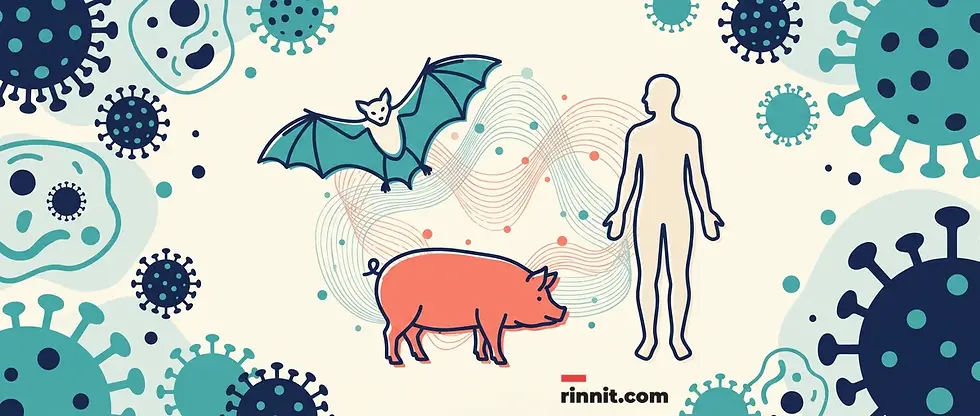
How does Nipah virus spread?
Nipah virus is a zoonotic disease, meaning it originates in animals before jumping to humans. Understanding the transmission pathways is essential for prevention.
Animal-to-Human Transmission
The virus primarily resides in fruit bats. Humans can become infected through direct contact with the blood, urine, feces, or saliva of an infected animal. Pigs often act as intermediate hosts, becoming infected by bats and then passing the virus to farmers or slaughterhouse workers.
Contaminated Food
A significant number of outbreaks have been linked to the consumption of raw date palm sap or fruit that has been contaminated by bat secretions. Bats often feed on these items, leaving behind the virus in their saliva or urine.
Person-to-Person Transmission
Once the virus enters the human population, it can spread between individuals. This typically occurs in close-contact settings, such as hospitals or homes where family members are caring for a sick relative. The virus is present in respiratory droplets and other bodily fluids, making it contagious through coughing or sneezing.
What are the symptoms of Nipah virus?
Symptoms of Nipah virus typically appear within 4 to 14 days of exposure, though the virus can sometimes remain dormant for much longer. [2] [1]
Early Warning Signs
Initial symptoms often resemble a severe case of the flu and may include:
Severe and Life-Threatening Complications
In many cases, the infection progresses to affect the central nervous system. This can lead to encephalitis, characterized by confusion, disorientation, and slurred speech. If left untreated, severe cases can result in seizures, coma, and acute respiratory distress.
Stage of Infection | Symptoms |
Early Stage | Fever, Headache, Cough, Sore Throat, Muscle Pain |
Advanced Stage | Encephalitis, Confusion, Slurred Speech, Seizures |
Critical Stage | Coma, Respiratory Distress, Potential Death |

How is Nipah virus diagnosed and managed?
Early detection is vital for managing Nipah virus and preventing further spread.
Diagnostic Testing
Healthcare providers use RT-PCR tests during the early stages of the illness to detect the virus in nasal swabs, urine, or blood. For those who have recovered or are in the later stages, antibody tests (ELISA) can confirm a previous or ongoing infection.
Treatment Options
Because there is no specific cure or vaccine for Nipah virus, medical care focuses on supportive therapy to help the body fight the infection:
Hydration and Rest: Essential for maintaining strength.
Pain and Fever Relief: Using acetaminophen or ibuprofen.
Respiratory Support: Inhalers or nebulizers for breathing difficulties.
Neurological Care: Anti-seizure medications if needed.
Experimental Therapies: Researchers are currently investigating the use of monoclonal antibodies as a potential treatment.

How can you prevent Nipah virus infection?
In the absence of a vaccine, prevention is the most effective way to combat Nipah virus. [1]
Personal Hygiene and Food Safety
Wash Hands Frequently: Use soap and water regularly, especially after being in public areas. [1]
Boil Date Palm Sap: Always boil raw sap before consumption to kill any potential virus. [1]
Wash and Peel Fruit: Thoroughly clean all produce and avoid any fruit that shows signs of animal bites. [1]
Avoid Roosting Areas: Stay away from trees or bushes where bats are known to sleep.
Infection Control in Caregiving
If you are caring for someone suspected of having Nipah virus, strict adherence to personal protective equipment (PPE) is mandatory. This includes wearing medical-grade masks, gloves, eye protection, and isolation gowns to prevent contact with bodily fluids. [1]
Conclusion
Nipah virus is a formidable health threat that requires global vigilance and local caution. While the high mortality rate and lack of a vaccine are concerning, understanding the transmission routes and practicing rigorous hygiene can significantly reduce the risk of infection. By staying informed and taking proactive safety measures, communities can better manage outbreaks and protect public health.
For more health safety guides and medical infographics, explore our infographic templates.
Frequently Asked Questions
What is the Nipah virus?
The Nipah virus is a zoonotic virus that spreads from animals to humans, causing respiratory and neurological illness.
Where did Nipah virus originate?
Nipah virus was first identified in 1999 during an outbreak in Malaysia and Singapore.
How do humans get Nipah virus?
Through contact with infected bats or pigs, contaminated food, or infected people.
Can fruit bats spread the virus?
Yes, they are the primary natural hosts of the Nipah virus.
Is there a vaccine for Nipah virus?
No, there is currently no vaccine available for humans or animals.
What are the first signs of infection?
Fever, headache, cough, and muscle pain are typical early symptoms.
What is encephalitis?
Encephalitis is inflammation of the brain, a severe and common complication of Nipah virus.
How deadly is the Nipah virus?
The mortality rate is estimated between 40% and 75%.
Is Nipah virus airborne?
Yes, it can spread through respiratory droplets when an infected person coughs or sneezes.
How long is the incubation period?
Symptoms usually appear 4 to 14 days after exposure.
Can pigs spread the virus?
Yes, pigs can act as intermediate hosts and are highly contagious to humans.
Is it safe to eat fruit in outbreak areas?
Only if it is thoroughly washed, peeled, and shows no signs of animal bites.
What is date palm sap?
A sweet liquid collected from palm trees; it is a known source of infection if contaminated by bats.
How is the virus diagnosed?
Through RT-PCR tests in the early stages and antibody tests later on.
Can the virus be dormant?
Yes, in rare cases, symptoms can appear months or years after the initial exposure.
What should I do if I suspect an infection?
Contact a healthcare provider immediately and isolate yourself from others.
Are there long-term complications?
Yes, survivors may experience personality changes or persistent convulsions.
Can I get Nipah virus from my pet?
While rare, the virus has been found in dogs and cats; avoid contact with sick animals.
What is PPE?
Personal Protective Equipment, such as masks and gloves, used to prevent infection.
Does boiling sap kill the virus?
Yes, boiling is an effective way to neutralize the virus in food products.
Why is the mortality rate so high?
Due to the severity of the brain infection and the lack of specific antiviral treatments.
Can Nipah virus cause a pandemic?
Nipah virus has the potential due to its high mortality and person-to-person spread, though outbreaks are currently localized.
What countries are at risk?
Mainly Bangladesh and India, but also Malaysia, Singapore, and parts of Southeast Asia.
How does the virus affect the brain?
Nipah virus causes inflammation (encephalitis), leading to confusion, seizures, and coma.
Is there a cure for Nipah virus?
No, treatment is supportive and focuses on managing symptoms.
What is an intermediate host?
An animal (like a pig) that carries the virus from the primary host (bats) to humans.
Can I get the virus from touching a bat?
Yes, contact with their bodily fluids is a major risk factor.
Does handwashing help?
Yes, regular handwashing is a key preventive measure.
What is an RT-PCR test?
A molecular test used to detect the virus's genetic material.
Can I travel to areas with outbreaks?
It is advised to take extreme precautions or avoid travel to active outbreak zones.
How do pigs get the virus?
Usually by eating fruit contaminated by infected bats.
What are the symptoms of a relapse?
Encephalitis can recur, causing renewed neurological symptoms.
Can the virus spread through urine?
Yes, bat and pig urine are primary sources of contamination.
What is monoclonal antibody treatment?
An experimental therapy that uses lab-made antibodies to fight the virus.
Why do bats carry the virus without getting sick?
Bats have unique immune systems that allow them to host many viruses without disease.
Is the virus related to Ebola?
No, they are from different virus families, though both are zoonotic and deadly.
Can I get Nipah from a mosquito bite?
No, it is not spread by mosquitoes.
What should farmers do to protect their livestock?
Implement strict quarantine and sanitization protocols on farms.
How does the virus affect the lungs?
Nipah virus can cause severe respiratory distress and pneumonia-like symptoms.
Is there a specific age group at higher risk?
All ages are susceptible, but those with weakened immune systems are at higher risk for severe disease.
What is the ELISA test?
A test that looks for specific antibodies in the blood to identify a past infection.
Can I get the virus from a sneeze?
Yes, if you are in close proximity to an infected person.
Why is fruit on the ground dangerous?
Fruit on the ground is more likely to have been in contact with bat droppings or saliva.
What are “flying foxes”?
A large species of fruit bat that is the natural reservoir for Nipah virus.
How long does the virus survive on surfaces?
Nipah virus can survive for several days depending on the environment; disinfection is crucial.
What is a “zoonotic” disease?
A disease that can be transmitted from animals to humans.
Can Nipah virus cause slurred speech?
Yes, this is a sign that the infection has reached the brain.
Does acetaminophen cure the virus?
No, it only helps manage fever and pain symptoms.
How can I help prevent an outbreak?
By reporting sick animals and following public health guidelines.
Where can I get the latest updates?
Follow the World Health Organization (WHO) and local health ministries for official news.
References
World Health Organization. Nipah virus (fact sheet). World Health Organization. January 29, 2026. https://www.who.int/news-room/fact-sheets/detail/nipah-virus
Better Health Channel, Victoria State Government. Nipah virus infection. Better Health Channel. Reviewed February 4, 2026. https://www.betterhealth.vic.gov.au/health/conditionsandtreatments/nipah-virus-infection
Chan XHS, Haeusler IL, Choy BJK, et al. Therapeutics for Nipah virus disease: a systematic review to support prioritisation of drug candidates for clinical trials. Lancet Microbe. 2025;6(5):101002. PMID 39549708. https://doi.org/10.1016/j.lanmic.2024.101002
Faus-Cotino J, Reina G, Pueyo J. Nipah virus: a multidimensional update. Viruses. 2024;16(2):179. PMID 38399954. https://doi.org/10.3390/v16020179
Ang BSP, Lim TCC, Wang L. Nipah virus infection. J Clin Microbiol. 2018;56(6):e01875-17. PMID 29643201. https://doi.org/10.1128/JCM.01875-17
Disclaimer
The information provided in this article is for educational purposes only and should not be considered medical advice. Always consult with a qualified healthcare professional for diagnosis and treatment of any medical condition.



Comments