Microvascular Ischemic Disease: Symptoms, Causes, and Management

Updated: 2 hours ago
Medically reviewed by Dr. Baraa Alnahhal, MD · Last reviewed: September 2026
TL;DR: Microvascular ischemic disease is a common age-related brain condition involving changes in small blood vessels. Often called a "silent disease," it can lead to serious complications like dementia and stroke if left unmanaged. While age is the primary risk factor, conditions like high blood pressure and diabetes also contribute. Diagnosis typically relies on MRI scans, and treatment focuses on highly personalized strategies to manage risk factors through medication and lifestyle changes. Early intervention is key to slowing progression and maintaining an independent life.
Quick answer: Microvascular ischemic disease refers to narrowing and damage within the brain's small blood vessels, often resulting from wall thickening or plaque buildup. It is extremely common in older adults, affecting nearly everyone over age 90. Symptoms can be subtle, including mild memory issues or balance problems, but the condition is a major cause of dementia and stroke. Management involves controlling blood pressure, cholesterol, and blood sugar while adopting heart-healthy habits to protect long-term cognitive and physical function.
What Is Microvascular Ischemic Disease?
Microvascular ischemic disease is a broad term used to describe a variety of structural changes occurring in the small blood vessels of the brain. Also known as cerebral small vessel disease (CSVD) or chronic microvascular ischemic disease, this condition is a hallmark of the aging process. It involves the gradual narrowing of these vessels due to the thickening of their walls and the accumulation of plaque. Depending on the extent of these changes, the impact on a person's health can range from minor difficulties with concentration to life-altering events such as strokes or the development of dementia.

The prevalence of microvascular ischemic disease is directly linked to age. While it affects approximately 5% of individuals at age 50, its occurrence rises dramatically over time, reaching nearly 100% in those over the age of 90. Despite its commonality, it is often described as a "silent disease" because its early symptoms are frequently mistaken for the normal signs of aging. However, its cumulative effect is significant, as research estimates it is responsible for 45% of dementia cases and 25% of all strokes.
Recognizing Subtle Symptoms
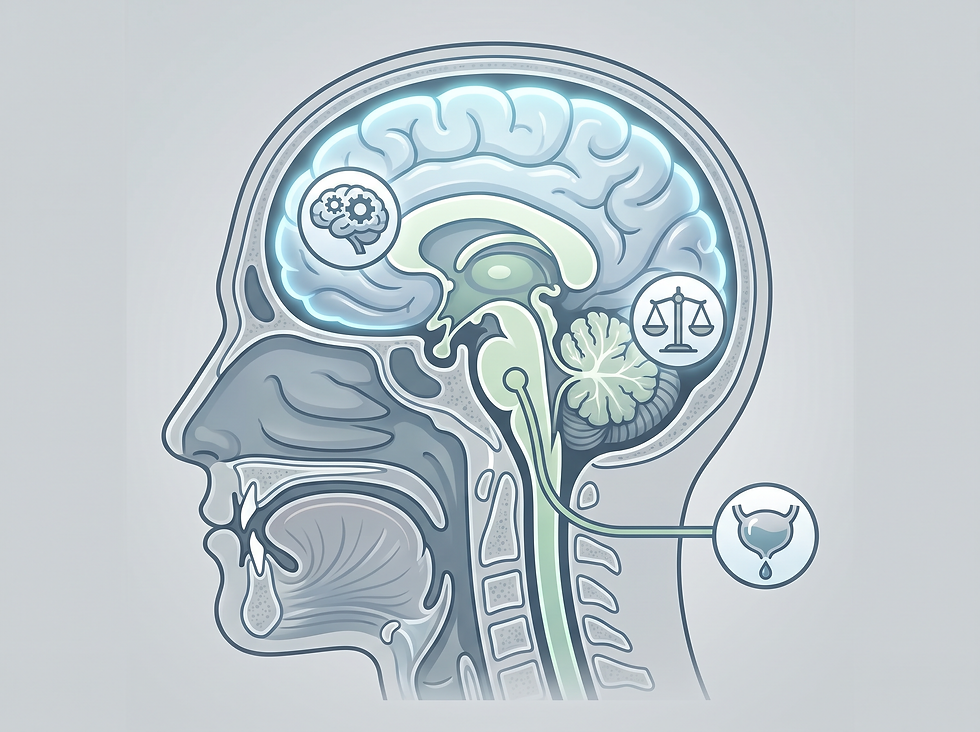
Because microvascular ischemic disease affects various systems within the body, its symptoms can be wide-ranging and subtle. Many individuals do not notice these changes until they become moderate or severe.
Cognition: difficulty focusing and mild confusion, such as slower thinking, "brain fog," or memory lapses.
Mobility: balance issues and a slow, shuffling walk, with an increased frequency of falls or instability.
Neurology: slurred speech and swallowing difficulty, as well as uncontrollable emotional outbursts (pseudobulbar affect).
Mental health: anxiety, apathy, or depression, along with irritability and persistent fatigue.
Bladder: sudden urgency and incontinence, or a reduced ability to control bladder function.
Sleep: trouble sleeping and sleep disorders, including disrupted rest patterns or daytime sleepiness.
If these symptoms are left untreated, the risk of severe cognitive decline and stroke increases significantly. Monitoring these changes is essential for maintaining independence and quality of life as one ages.
Risk Factors and Diagnostic Pathway
Advanced age is the primary driver of microvascular ischemic disease, but several other health factors can accelerate its progression. Managing these underlying conditions is the most effective way to protect brain health. Primary risk factors include:
High blood pressure: particularly arterial hypertension exceeding 140/90 mm Hg.
Metabolic health: diabetes and high cholesterol levels.
Lifestyle choices: smoking or the use of other tobacco products.
Other conditions: chronic kidney disease and obstructive sleep apnea.
To diagnose the condition, healthcare providers typically rely on magnetic resonance imaging (MRI). This painless scan allows clinicians to identify specific structural changes in the brain, such as cerebral microbleeds (bleeding in small vessels), damage to white matter (appearing as bright spots called hyperintensities), and lacunar infarcts, which are small strokes that may not have caused obvious neurological symptoms at the time they occurred.
Strategies for Management and Prevention
While some early brain changes associated with microvascular ischemic disease may be reversible, they generally become permanent as the disease progresses. There is no single specific treatment for the condition; instead, care is highly personalized and focuses on reducing risk factors to prevent complications like stroke and dementia. Effective management strategies include:
Medication adherence: Consistently taking prescribed medications to regulate blood pressure, cholesterol, and blood glucose levels.
Healthy habits: Adopting a nutrient-rich diet low in salt, saturated fats, and sugar, alongside regular physical activity that improves balance and heart health.
Smoking cessation: Utilizing support groups or counseling to quit tobacco use.
Stress management: Implementing relaxation techniques to reduce the overall physiological impact of stress.
Regular checkups and bloodwork are vital for tracking these health markers. By staying informed about your cholesterol and blood pressure numbers and managing underlying conditions like diabetes, you can effectively slow the progression of microvascular changes.

Conclusion
Microvascular ischemic disease is a significant yet often overlooked aspect of aging. While its presence is almost universal in the oldest populations, its impact does not have to be devastating. By identifying individual risk factors early and working closely with healthcare providers to develop a personalized management plan, individuals can successfully minimize the risk of stroke and cognitive decline. Protecting the brain's small blood vessels is a fundamental step toward ensuring a healthy, independent, and fulfilling life in the later years.
When to Seek Care
If you or a loved one are experiencing subtle changes in memory, balance, or bladder control, schedule a consultation with a healthcare provider for a neurological evaluation. Staying proactive with regular bloodwork and blood pressure monitoring is the most effective way to catch silent brain changes early. Prioritize your brain health today by managing your cardiovascular risks and adopting a lifestyle focused on long-term wellness.
Frequently Asked Questions
What is microvascular ischemic disease?
It is an umbrella term for changes and damage in the small blood vessels of the brain, common in older adults.
Is it the same as a stroke?
While not a stroke itself, it is a major cause of strokes and can involve "silent" mini-strokes called lacunar infarcts.
Who is most at risk for this condition?
Risk increases with age, affecting nearly 100% of people over age 90. High blood pressure and diabetes also increase risk.
Why is it called a "silent disease"?
Symptoms are often subtle or attributed to normal aging, meaning the condition can progress unnoticed for years.
Can microvascular ischemic disease cause dementia?
Yes, it is estimated to cause approximately 45% of dementia cases.
What are the most common symptoms?
Difficulty focusing, balance problems, memory issues, and sudden changes in mood or bladder control.
How do doctors diagnose it?
The primary diagnostic tool is an MRI scan, which shows structural changes like white matter damage or microbleeds.
Can the damage be reversed?
Some early changes may be reversible, but most become permanent as the disease follows its normal course.
What is the main treatment?
Treatment focuses on managing risk factors like high blood pressure, cholesterol, and diabetes through medication and lifestyle.
How does high blood pressure affect the brain's small vessels?
Chronic high pressure causes vessel walls to thicken and narrow, restricting blood flow and causing damage.
Does smoking increase the risk?
Yes, smoking is a significant risk factor that accelerates the narrowing of blood vessels.
What should I do if I have balance problems?
See a healthcare provider for an evaluation, as this can be a symptom of microvascular changes in the brain.
Are men or women more likely to have it?
The condition affects males and females equally.
What are the signs of a stroke?
Sudden dizziness, inability to talk, numbness, weakness, severe headache, or vision loss require immediate ER care.
Can exercise help prevent progression?
Yes, exercises that improve heart health, strength, and balance are key components of a management plan.
Medical disclaimer: The information provided in this article is for educational purposes only and is not intended as a substitute for professional medical advice, diagnosis, or treatment. Always seek the advice of your physician or other qualified health provider with any questions you may have regarding a medical condition.
Source date: May 5, 2022. This article is current based on the most recent available data from the primary source.
Comments