Lennox-Gastaut Syndrome (LGS): Symptoms, Causes, and Management

Updated: 3 days ago
Medically reviewed by Dr. Baraa Alnahhal, MD · Last reviewed: October 2026
Lennox-Gastaut syndrome (LGS) is a rare and severe form of childhood epilepsy that typically emerges between ages 3 and 5. Characterized by multiple types of seizures, it often leads to permanent brain damage and developmental delays. While LGS is frequently resistant to standard medications, management options include a combination of specialized drugs, dietary changes, and surgical interventions to improve quality of life [1].
Quick Answer: What is Lennox-Gastaut syndrome?
Lennox-Gastaut syndrome (LGS) is a serious type of epilepsy that primarily affects children before age 10, with multiple hard-to-control seizure types such as drop attacks. It often causes permanent brain damage and learning disabilities. Diagnosis relies on neurological exams and EEG, and treatment usually requires multiple medications. Status epilepticus is a common, life-threatening complication needing emergency care. [1]
What the research says
Add-on cannabidiol reduced drop seizures in treatment-resistant LGS. In a randomized, placebo-controlled trial of 171 patients aged 2 to 55, the median reduction in monthly drop seizures was 43.9% with cannabidiol 20 mg/kg daily versus 21.8% with placebo (estimated median difference -17.21, 95% CI -30.32 to -4.09; p=0.0135); adverse events occurred in 86% versus 69%, and 14% versus 1% withdrew because of them (Thiele et al., Lancet, 2018 [2]).
Rufinamide reduced total seizures and drop attacks. In a trial of 139 patients aged 4 to 30, median total seizure frequency fell by 32.7% with rufinamide versus 11.7% with placebo (p=0.0015), and tonic-atonic ("drop attack") seizures fell by 42.5% versus a 1.4% increase with placebo (Glauser et al., Neurology, 2008 [3]).
Clobazam reduced drop seizures in a dose-dependent way. In a phase III trial in which 238 patients were randomized, average weekly drop seizure rates fell by 12.1% with placebo versus 41.2%, 49.4%, and 68.3% with clobazam at 0.25, 0.5, and 1.0 mg/kg/day (Ng et al., Neurology, 2011 [4]).
What is Lennox-Gastaut Syndrome?
Lennox-Gastaut syndrome (LGS) represents one of the most severe forms of epilepsy that develops during childhood [1]. Unlike more common types of epilepsy, LGS is characterized by its resistance to treatment and the profound impact it has on a child's neurological development. The condition is rare: an estimated 30,000 to 50,000 people in the United States have it, and it accounts for only about 1% to 4% of childhood epilepsy cases.
The syndrome typically appears in early childhood, with most cases identified between the ages of 3 and 5. It is slightly more prevalent in male children. Because LGS involves frequent malfunctions in how brain cells send electrical signals, the resulting seizures often cause cumulative damage to the brain, leading to permanent cognitive and physical setbacks [1].
What types of seizures occur in Lennox-Gastaut syndrome (LGS)?
One of the defining features of LGS is the occurrence of several different types of seizures in a single patient [1]. These seizures can vary in intensity and physical manifestation.
Seizure Type | Physical Characteristics | Duration |
|---|---|---|
Atonic | Known as "drop attacks"; sudden loss of all muscle control leading to falls. | A few seconds |
Tonic | Uncontrollable muscle stiffness and rigidity; often occurs during sleep. | Seconds to one minute |
Atypical Absence | Open-eyed staring that may look like daydreaming; involves repetitive mouth or hand movements. | A few seconds |
Tonic-Clonic | Starts with muscle rigidity followed by rhythmic convulsions. | Up to two minutes |
Myoclonic | Brief, jerky muscle movements similar to sudden twitches. | A few seconds |
In many cases, these seizures occur in clusters, where several episodes happen in a short period. A particularly dangerous complication is status epilepticus, a medical emergency where a seizure lasts longer than five minutes or multiple seizures occur without the person regaining consciousness in between. Cleveland Clinic notes that status epilepticus occurs in more than two-thirds of people with LGS [1].
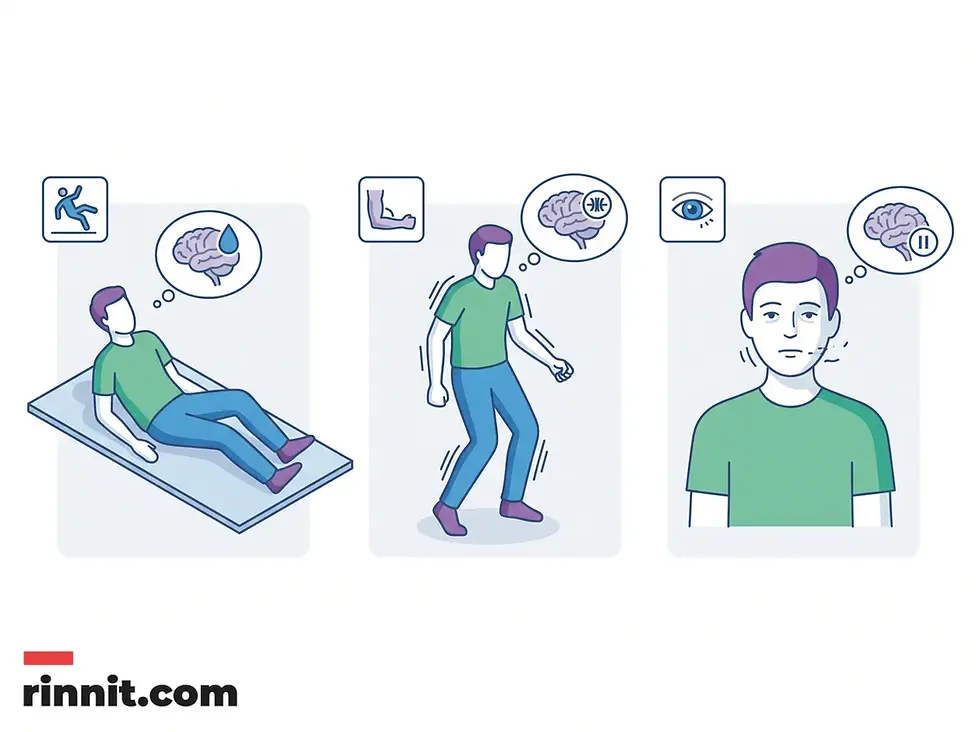
Common LGS seizure types: atonic "drop attacks" with sudden falls, tonic seizures with muscle stiffness, and atypical absence seizures with an open-eyed stare.
How does Lennox-Gastaut syndrome affect learning and behavior?
The repeated seizure activity in LGS often leads to significant learning and behavior problems [1]. These challenges typically begin shortly after the onset of seizures and may worsen over time. Many children with LGS experience developmental delays that last into adulthood, affecting their ability to communicate, form social connections, and regulate their emotions. In some instances, children may permanently lose previously acquired skills, such as the ability to walk or talk. The behavioral symptoms often mirror those observed in children on the autism spectrum.
What causes Lennox-Gastaut syndrome?
Lennox-Gastaut syndrome can arise from a variety of underlying issues, though in approximately 25% of cases, no specific cause can be identified [1]. The identified causes are generally categorized by when they occurred in the child's development.
Factors that may contribute to the development of LGS include:
Prenatal Issues: Problems with brain development before birth or a lack of oxygen (cerebral hypoxia) during the birthing process.
Childhood Trauma: Severe head injuries, concussions, or infections like meningitis and encephalitis that cause brain damage.
Underlying Conditions: Genetic disorders such as tuberous sclerosis, inherited metabolic diseases, or brain tumors.
Spontaneous Mutations: Spontaneous DNA errors, known as "de novo" mutations, have also been linked to the syndrome.
While LGS itself is not contagious, as many as 30% of people with the condition have a family history of epilepsy, suggesting that genetics may play a role in susceptibility [1].
How is Lennox-Gastaut syndrome diagnosed and tested?
Diagnosing LGS requires a comprehensive evaluation by a pediatric neurologist [1]. The process usually involves a detailed review of the child's seizure history and developmental progress, followed by specialized testing.
The primary diagnostic tool is the electroencephalogram (EEG), which uses electrodes to monitor and record the brain's electrical activity. Healthcare providers look for specific patterns, such as slow spike-wave activity, that are characteristic of LGS. In addition to the EEG, neurological exams are conducted to assess cognitive function and physical coordination. An MRI, laboratory tests, and genetic testing may also be used to look for the cause and rule out similar conditions [1].
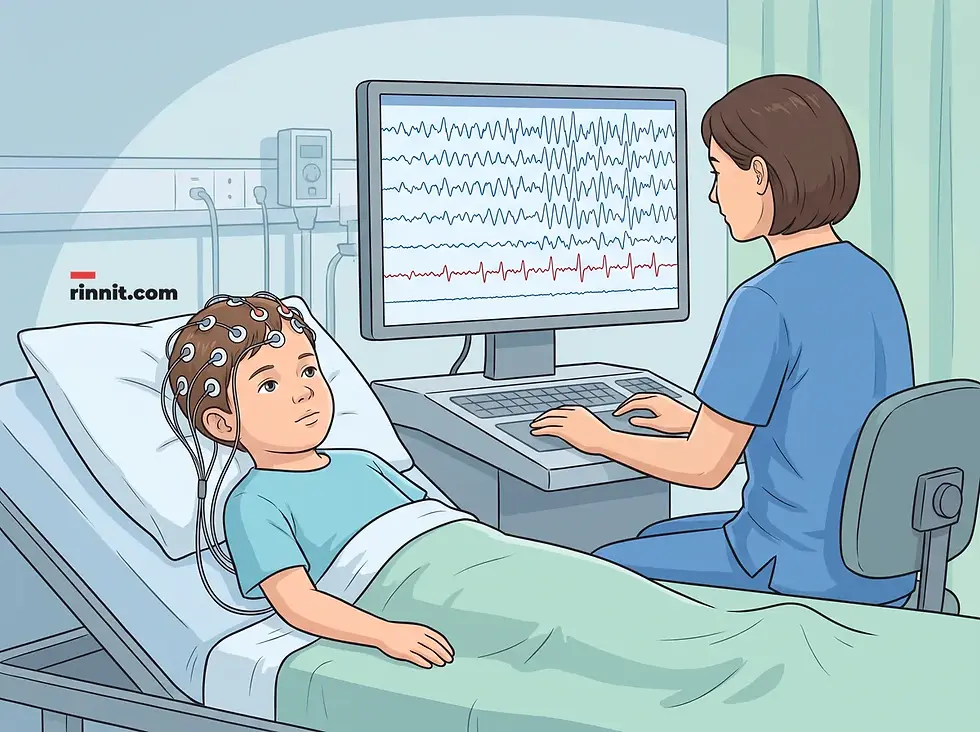
An EEG records the brain's electrical activity through electrodes on the scalp and helps identify the characteristic patterns of LGS.
How is Lennox-Gastaut syndrome managed and treated?
Treating LGS is challenging because the condition is often resistant to standard antiepileptic drugs [1]. A successful management plan usually involves a combination of therapies tailored to the child's specific needs.
Medical and surgical options include:
Pharmacological Intervention: Most patients require multiple medications to manage their seizures. While these drugs can reduce the frequency of episodes, they rarely stop them entirely.
Ketogenic Diet: A high-fat, low-carbohydrate diet has been shown to help control seizures in some children with LGS.
Implanted Devices: Vagus nerve stimulation (VNS) involves a device that sends regular electrical pulses to the brain to disrupt seizure activity.
Brain Surgery: In severe cases, surgical procedures may be performed to prevent the spread of electrical malfunctions between the brain's hemispheres.
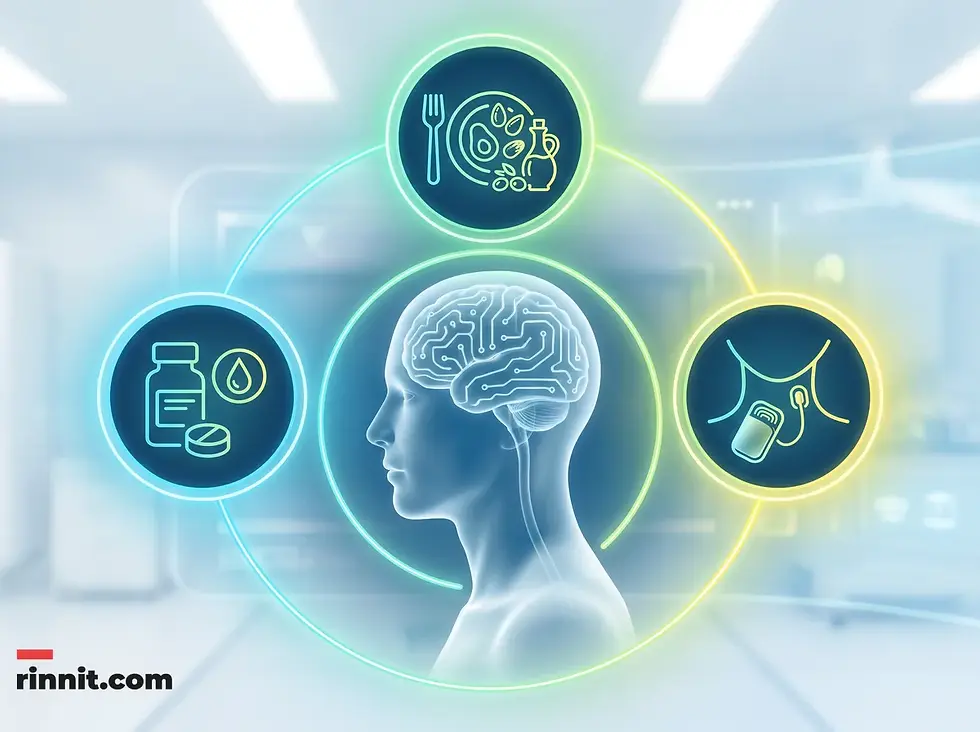
LGS is usually managed with a combination of medication, dietary therapy, and implanted devices or surgery.
What is the bottom line on Lennox-Gastaut syndrome?
Lennox-Gastaut syndrome is a complex and severe form of epilepsy that requires lifelong management and support. While the condition poses significant challenges to a child's development and quality of life, early diagnosis and a multidisciplinary treatment approach can help manage symptoms and reduce the risk of severe injuries. Ongoing research into spontaneous genetic mutations and new pharmacological treatments continues to provide hope for better control of this rare disorder [1].
Your next step: if your child is experiencing unexplained staring spells, sudden falls, or developmental setbacks, consult a pediatric neurologist promptly. Early intervention is critical for managing LGS and mitigating its long-term impact on cognitive function. Go to the nearest emergency room if a seizure lasts longer than five minutes or seizures follow one another without recovery in between.
Frequently Asked Questions
What is Lennox-Gastaut Syndrome?
Lennox-Gastaut Syndrome is a rare and severe type of childhood epilepsy characterized by multiple seizure types and developmental delays.
When does LGS typically start?
LGS almost always begins before age 10, with most children diagnosed between the ages of 3 and 5.
What are "drop attacks"?
Drop attacks are atonic seizures where a child suddenly loses muscle control and falls, which can lead to serious injury.
Is LGS contagious?
No, it is a neurological condition and cannot be passed from one person to another.
What causes LGS?
Causes include brain development issues, lack of oxygen during birth, head injuries, infections, and genetic mutations. About one in four cases has no identifiable cause.
How is LGS diagnosed?
Diagnosis involves a neurological exam and an electroencephalogram (EEG) to monitor brain activity patterns.
Can LGS be cured?
There is currently no cure, but treatments can help manage seizure frequency and intensity.
What is status epilepticus?
Status epilepticus is a medical emergency involving a prolonged seizure or a cluster of seizures without recovery in between.
Does LGS affect intelligence?
Yes, the condition often causes permanent brain damage leading to learning disabilities and cognitive setbacks.
What treatments are available besides medicine?
Non-medication options include the ketogenic diet, implanted VNS devices, and brain surgery.
References
Cleveland Clinic. Lennox-Gastaut Syndrome (LGS). Cleveland Clinic. June 2, 2022. https://my.clevelandclinic.org/health/diseases/23171-lennox-gastaut-syndrome-lgs
Thiele EA, Marsh ED, French JA, et al. Cannabidiol in patients with seizures associated with Lennox-Gastaut syndrome (GWPCARE4): a randomised, double-blind, placebo-controlled phase 3 trial. Lancet. 2018;391(10125):1085-1096. PMID 29395273. https://doi.org/10.1016/S0140-6736(18)30136-3
Glauser T, Kluger G, Sachdeo R, et al. Rufinamide for generalized seizures associated with Lennox-Gastaut syndrome. Neurology. 2008;70(21):1950-1958. PMID 18401024. https://doi.org/10.1212/01.wnl.0000303813.95800.0d
Ng YT, Conry JA, Drummond R, et al. Randomized, phase III study results of clobazam in Lennox-Gastaut syndrome. Neurology. 2011;77(15):1473-1481. PMID 21956725. https://doi.org/10.1212/WNL.0b013e318232de76
Medical disclaimer
This article is for informational purposes only and is not a substitute for professional medical advice, diagnosis, or treatment. The clinical information in this guide reflects source material last reviewed in June 2022.



Comments