Hypopnea: Understanding Shallow Breathing and Sleep Health

Updated: 2 days ago
Medically reviewed by Dr. Baraa Alnahhal, MD · Last reviewed: October 2026
Quick Answer: What Is Hypopnea?
Hypopnea is a sleep disorder where a person experiences episodes of shallow breathing that last at least 10 seconds. [1] These events reduce the amount of oxygen in the blood and can cause the person to wake up frequently throughout the night, often leading to excessive daytime sleepiness and other health complications. [1]

What the research says
Using CPAP consistently matters more than owning the machine. An individual-participant meta-analysis of 4,186 adults with heart disease and obstructive sleep apnea (average apnea-hypopnea index 31.2 events per hour) found no difference in major cardiovascular events between CPAP and usual care overall (hazard ratio 1.01). Among people who used CPAP at least 4 hours a day, the risk was lower (hazard ratio 0.69, 95% CI 0.52-0.92) (Sánchez-de-la-Torre et al., JAMA, 2023) [2].
A higher apnea-hypopnea index goes with higher stroke risk. A meta-analysis of 5 studies (8,435 participants) linked obstructive sleep apnea to incident stroke (odds ratio 2.24, 95% CI 1.57-3.19), and the likelihood of stroke or cardiovascular events rose as the apnea-hypopnea index increased (Loke et al., Circulation: Cardiovascular Quality and Outcomes, 2012) [3].
Treatment clearly improves sleepiness and quality of life. A review for the US Preventive Services Task Force (86 studies, 11,051 people) found that positive airway pressure lowered Epworth Sleepiness Scale scores by 2.33 points (47 trials, 7,024 participants) and mandibular advancement devices by 1.67 points (10 trials). Positive airway pressure lowered blood pressure only slightly (2-3 mm Hg), and no trial showed a clear benefit on mortality (Feltner et al., JAMA, 2022) [4].
Key Takeaways
Understanding Hypopnea
During a hypopnea event, the intake of air is reduced but not completely blocked. [1] This shallow breathing causes the body’s blood oxygen levels to drop, which often triggers the brain to briefly wake the person up to resume normal breathing. These micro-awakenings can occur dozens of times per hour, severely disrupting the quality of restorative sleep.
Types of Hypopnea
There are three primary classifications of hypopnea based on the underlying cause:
Obstructive Hypopnea: Caused by a physical blockage in the airway, such as body tissue. [1]
Central Hypopnea: Occurs when the brain fails to send proper signals to the muscles responsible for breathing. [1]
Mixed Hypopnea: A combination of both obstructive and central factors contributing to shallow breathing. [1]
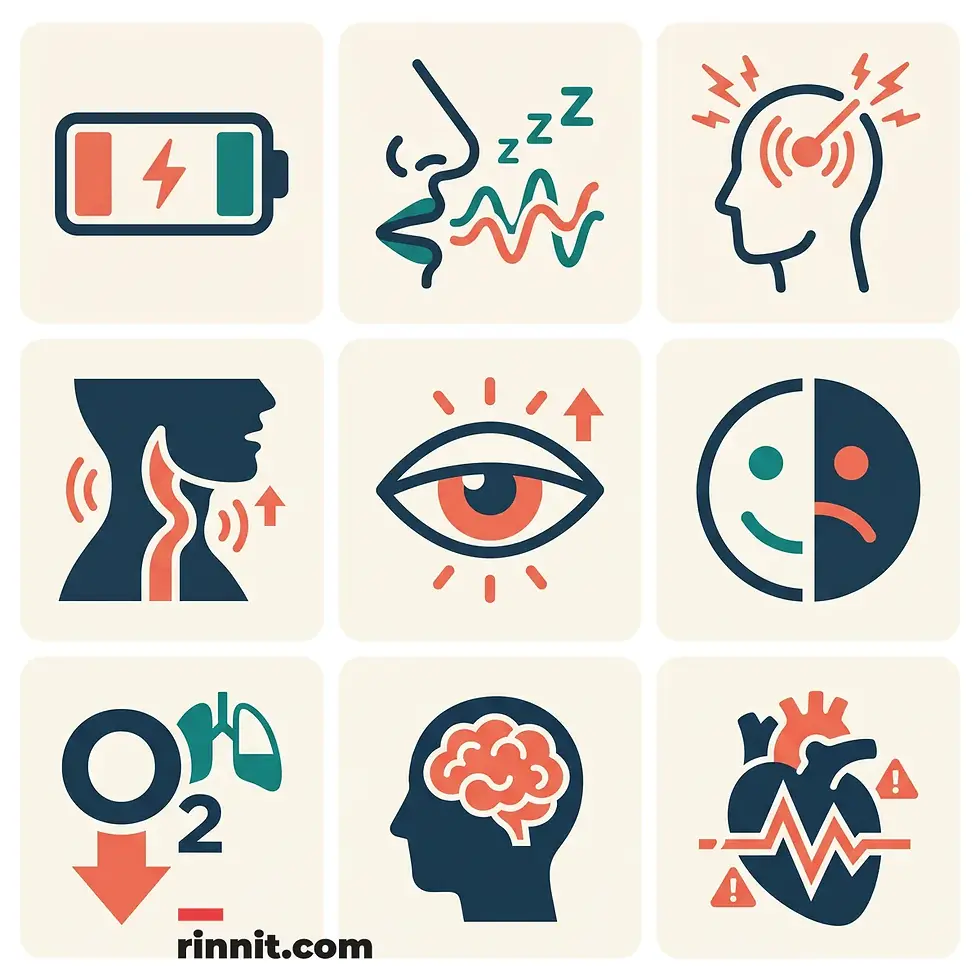
Symptoms and Warning Signs
The symptoms of hypopnea are often first noticed by a sleeping partner rather than the individual themselves. Common nighttime and daytime signs include:
Causes and Risk Factors
Hypopnea can be triggered by various physical and neurological factors. Obstructive events are often linked to the physical structure of the airway, while central events relate to the nervous system.
Common Risk Factors
Obesity: Excess weight can narrow the airway. [1]
Physical Structure: The shape of the jaw or size of the tonsils can impact airflow. [1]
Lifestyle Factors: Smoking, alcohol use, and the use of sedatives can relax airway muscles.
Underlying Conditions: Hypothyroidism and certain heart or brainstem issues may contribute to breathing irregularities. [1]
Diagnosis and Treatment
A healthcare provider typically diagnoses hypopnea through a comprehensive sleep study (polysomnography). This test monitors heart rate, breathing patterns, and blood oxygen levels throughout the night to determine the Apnea-Hypopnea Index (AHI) score. [1]
Treatment Options
Treatment focuses on maintaining an open airway and improving oxygen saturation during sleep:
CPAP Therapy: A Continuous Positive Airway Pressure machine uses mild air pressure to keep airways open. [1]
Oral Appliances: Custom mouthpieces that hold the jaw or tongue forward to prevent airway collapse. [1]
Lifestyle Changes: Weight management and quitting smoking. [1]
Surgery: In some cases, procedures to remove airway blockages may be necessary. [1]

Conclusion
Hypopnea is a manageable condition that, if left untreated, can increase the risk of serious health issues like heart attack and stroke. [1] By recognizing the signs of shallow breathing and seeking professional evaluation, individuals can significantly improve their sleep quality and overall long-term health.
Frequently Asked Questions
What is the difference between apnea and hypopnea?
Apnea is a complete stop in breathing, while hypopnea is abnormally shallow breathing. [1]
How long does a hypopnea event last?
It must last for at least 10 seconds to be classified as an event. [1]
Can children have hypopnea?
Yes, children can experience hypopnea, often due to enlarged tonsils or adenoids.
Is snoring always a sign of hypopnea?
Not always, but loud snoring combined with daytime fatigue is a common indicator.
What is the AHI?
The Apnea-Hypopnea Index measures the number of events per hour of sleep. [1]
Can weight loss cure hypopnea?
For many, weight loss significantly reduces the severity of obstructive hypopnea.
Is CPAP the only treatment?
No, oral appliances and lifestyle changes are also effective for many patients.
Does alcohol affect hypopnea?
Yes, alcohol relaxes the throat muscles, increasing the risk of airway collapse.
Can hypopnea cause headaches?
Yes, morning headaches are a common symptom due to low oxygen levels.
Is hypopnea dangerous?
Untreated, it can lead to cardiovascular issues, including heart attack and stroke. [1]
What happens during a sleep study?
Sensors monitor your heart rate, breathing, and blood oxygen while you sleep. [1]
Can I use an at-home sleep test?
Some at-home tests can detect hypopnea, but a lab study is often more comprehensive.
What is central hypopnea?
It is shallow breathing caused by a lack of signals from the brain to the breathing muscles. [1]
What are oral appliances?
They are mouthguards that keep the airway open by positioning the jaw forward. [1]
Does smoking increase risk?
Yes, smoking causes inflammation and narrowing of the upper airway.
How does a CPAP machine work?
It blows a steady stream of air through a mask to keep the airway from collapsing.
What is mixed hypopnea?
It is a combination of obstructive and central breathing issues. [1]
Can side-sleeping help?
For some, sleeping on their side can prevent the tongue from blocking the airway.
What are the long-term effects of untreated hypopnea?
Increased risk of heart disease and stroke. [1]
Can sedatives make hypopnea worse?
Yes, they can over-relax the muscles that keep the airway open.
Is daytime sleepiness always present?
Many people feel exhausted, but some may not realize how tired they are until they receive treatment.
What is the normal range for AHI?
An AHI of less than 5 is generally considered normal.
Can surgery fix central hypopnea?
Surgery is usually for obstructive cases; central cases may require different interventions.
How often should I follow up with my doctor?
Regular check-ups are important to monitor the effectiveness of your treatment plan.
Can hypopnea affect mood?
Yes, sleep deprivation often leads to irritability and depression.
What is the role of oxygen levels in diagnosis?
A drop in blood oxygen (desaturation) is a key indicator of an event.
Are there different types of CPAP masks?
Yes, ranging from full-face masks to nasal pillows.
Can allergies cause hypopnea?
Nasal congestion from allergies can contribute to airway narrowing.
What is the most common cause of obstructive hypopnea?
Excess body weight and neck circumference.
Can heart failure cause hypopnea?
Yes, heart problems are a known cause of central sleep breathing issues. [1]
What is the “choking” sound people hear?
It is the sound of the airway partially reopening after an event.
Can hypopnea be prevented?
Maintaining a healthy weight and avoiding risk factors like smoking can help.
Is hypopnea related to age?
Risk increases as you age, though it can affect people of all ages.
Can I drive if I have hypopnea?
Untreated hypopnea can cause dangerous daytime sleepiness; treatment is essential for safety.
How long does it take to get used to CPAP?
It can take a few weeks to adjust to wearing the mask.
What if I can’t tolerate CPAP?
Talk to your doctor about alternatives like oral appliances or surgery.
Can hypopnea affect sexual health?
Yes, it has been linked to sexual dysfunction in some individuals. [1]
Is hypopnea more common in men?
It is generally more common in men and postmenopausal women.
Can a narrow jaw cause hypopnea?
Yes, structural features of the jaw can limit airway space.
What is polysomnography?
The technical term for a comprehensive, overnight sleep study.
Can brainstem injuries cause hypopnea?
Yes, structural problems in the brainstem can lead to central hypopnea. [1]
Does hypopnea cause loud snoring?
Yes, it is one of the most common signs.
Can I die from a hypopnea event?
While the event itself usually ends when you wake up, the long-term strain on the heart is dangerous.
How do I know if my treatment is working?
You should feel more rested and have fewer daytime symptoms.
What is the AHI for moderate hypopnea?
Generally, an AHI between 15 and 30.
Can hypothyroidism cause hypopnea?
Yes, it can lead to changes that narrow the airway.
What is the best sleeping position?
Side sleeping is often recommended to improve airflow.
Can I use a humidifier with CPAP?
Yes, most machines have built-in humidifiers to prevent dryness.
Does hypopnea affect blood pressure?
Yes, the repeated drops in oxygen can lead to hypertension.
When should I see a doctor?
If you experience chronic fatigue or your partner notices breathing pauses during sleep.
Related Reading
References
Cleveland Clinic. Hypopnea: What It Is, Causes, Symptoms & Treatment. Cleveland Clinic. Last updated July 22, 2025. https://my.clevelandclinic.org/health/diseases/hypopnea
Sánchez-de-la-Torre M, Gracia-Lavedan E, Benitez ID, et al. Adherence to CPAP Treatment and the Risk of Recurrent Cardiovascular Events: A Meta-Analysis. JAMA. 2023;330(13):1255-1265. PMID: 37787793. https://doi.org/10.1001/jama.2023.17465
Loke YK, Brown JWL, Kwok CS, et al. Association of obstructive sleep apnea with risk of serious cardiovascular events: a systematic review and meta-analysis. Circulation: Cardiovascular Quality and Outcomes. 2012;5(5):720-728. PMID: 22828826. https://doi.org/10.1161/CIRCOUTCOMES.111.964783
Feltner C, Wallace IF, Aymes S, et al. Screening for Obstructive Sleep Apnea in Adults: Updated Evidence Report and Systematic Review for the US Preventive Services Task Force. JAMA. 2022;328(19):1951-1971. PMID: 36378203. https://doi.org/10.1001/jama.2022.18357
Disclaimer
The information provided in this article is for educational purposes only and should not be used as a substitute for professional medical advice, diagnosis, or treatment. Always seek the advice of your physician or other qualified health provider with any questions you may have regarding a medical condition.



Comments