Hormonal Acne: Causes, Symptoms, and Management Strategies

Updated: 3 days ago
Medically reviewed by Dr. Baraa Alnahhal, MD · Last reviewed: October 2026
Quick Answer: What is hormonal acne?
Hormonal acne, also known as adult acne, is acne that affects adults between the ages of 20 and 50 and can occur at any point in adulthood. [1] It is linked to hormonal shifts that increase skin oil production. [1] That oil mixes with dead skin cells and bacteria in hair follicles, causing red, inflamed and sometimes painful lesions. [1]

What the research says
Diet is linked to adult acne, but the evidence is observational. In a French cohort of 24,452 adults, 46% reported past or current acne. Current acne was associated with eating more fatty and sugary products (adjusted odds ratio 1.54, 95% CI 1.09 to 2.16), sugary beverages (adjusted odds ratio 1.18, 95% CI 1.01 to 1.38), and milk (adjusted odds ratio 1.12, 95% CI 1.00 to 1.25). The study was cross-sectional, so it shows an association rather than proof of cause, and the authors call for larger studies (Penso et al., JAMA Dermatology, 2020) [3].
Spironolactone has support for adult women with moderate to severe acne, but the evidence is limited. A meta-analysis of randomized trials found that spironolactone significantly increased the odds of treatment success compared with placebo or doxycycline (pooled odds ratio 2.51), particularly in hormonally driven cases (Kow et al., Australasian Journal of Dermatology, 2025) [4]. An earlier systematic review of 10 randomized trials and 21 case series rated the quality of evidence as low or very low, and found menstrual side effects were more common at 200 mg a day and could be reduced by also using a combined oral contraceptive (Layton et al., American Journal of Clinical Dermatology, 2017) [5].
Key Takeaways
Category | Details |
Primary cause | Hormonal changes that increase sebum (oil) production, which mixes with dead skin cells and bacteria and clogs pores [1] |
Who is affected | |
How common | About 50% of women in their 20s and 25% of women in their 40s [1] |
Common locations | Cheeks most often; also the face, neck, back, shoulders, and chest [1] |
Lesion types | Whiteheads, blackheads, papules, pustules, and cysts [1] |
Treatment | Topical retinoids, antibiotics, benzoyl peroxide, isotretinoin, birth control, and steroid injections for cysts, depending on severity [1] |
Time to improvement | Generally up to four to six weeks after starting treatment [1] |
What can worsen it |
Understanding the Mechanisms of Hormonal Acne
Acne is the most common skin condition in the U.S., affecting nearly 80% of the population during their lifetime. [1] Hormonal acne develops when hormonal changes increase the amount of oil your skin produces. Sebum is made by the sebaceous glands in the middle layer of your skin. It is meant to lubricate the skin, but it becomes a problem when it mixes with dead skin cells and bacteria and clogs the hair follicles. [1]
Some adults continue to get acne well into their 30s, 40s, and even 50s, and it is possible to get acne for the first time as an adult, which dermatologists call adult-onset acne. [2] It is most common among women going through menopause. [2]
Who Is Most at Risk?
Hormonal acne affects both men and women, but most cases occur in women, pregnant women, and women going through menopause. [1] About 50% of women in their 20s and 25% of women in their 40s get hormonal acne. [1] Situations that shift hormone levels include [1] [2]:
Menstrual cycles: Around your period and with irregular periods.
Pregnancy: Hormonal fluctuations can cause acne, and it often gets better as the pregnancy progresses.
Peri-menopause and menopause: Changing hormone levels can trigger breakouts.
Starting or stopping birth control pills.
Testosterone treatment in men.
Medical conditions: Polycystic ovary syndrome (PCOS), other ovarian conditions, and metabolic conditions.
Identifying Symptoms and Lesion Types
Acne causes lesions that can become inflamed and be red, painful, or sore. They are most likely to appear on your cheeks, but may also appear on the face, neck, back, shoulders, and chest. [1]
Lesion Type | Description |
Whiteheads | Small bumps where the pore is completely blocked. |
Blackheads | Open pores where trapped oil has darkened. |
Papules | Raised skin tissue, 2 to 5 mm in diameter, that can be red and tender. |
Pustules | Skin bumps that contain pus, 2 to 5 mm in diameter. [1] |
Cysts | Pockets under the skin that contain fluid. [1] |
Triggers and Aggravating Factors
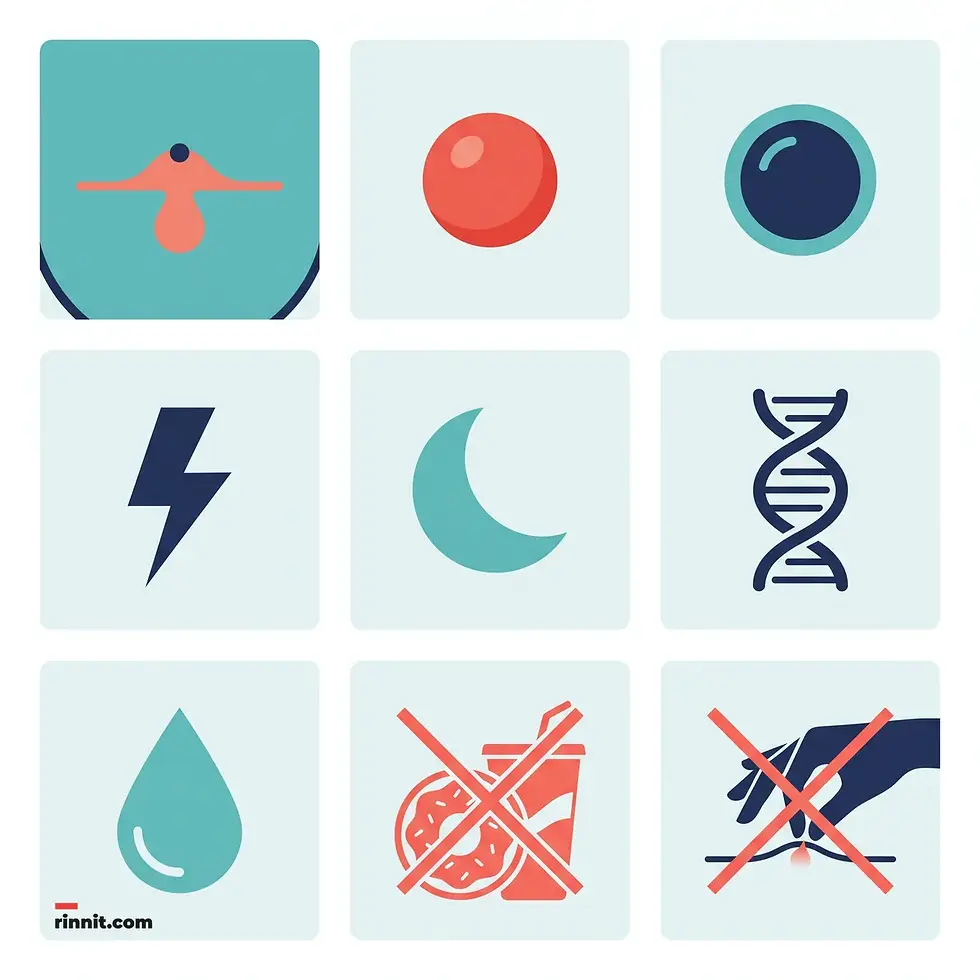
Some causes of hormonal acne are within your control [1]:
Changing hormone levels, including around your period, during pregnancy and menopause, or after stopping birth control.
Testosterone treatment in men.
Family history of acne (genetic predisposition).
Side effects of medicines such as steroids.
Medical conditions such as PCOS, other ovarian conditions, and metabolic conditions.
Things that can make hormonal acne worse include stress, high humidity, squeezing or picking at blemishes, and refined sugars and carbs. [1]
Diagnosis
A healthcare provider diagnoses hormonal acne with a physical exam and an assessment of contributing factors. This includes discussing the skin care products you use regularly, your stress and sleep habits, the medications you use, and changes in your health such as hormonal changes. [1] Sometimes acne is a sign of an underlying medical condition, and once the condition is diagnosed and treated, the acne often clears. [2]
Management and Treatment Options
Based on the severity of your acne, different treatments are available to reduce sebum production, pimple formation, and painful inflammation [1]:
Blackheads and whiteheads: A topical cream such as tretinoin.
Inflammatory acne: A topical retinoid and/or topical antibiotic and/or benzoyl peroxide.
Moderate to severe acne: An antibiotic and/or isotretinoin, a retinoid.
Cystic acne: A steroid injection (intralesional triamcinolone).
Other treatments include daily skin cleansing, birth control (oral contraceptives), changes in diet, and laser or light therapy. [1] For adult women with moderate to severe acne, dermatologists may also consider spironolactone. Evidence for it is promising but of limited quality, as the research box above explains. [4] [5] Often a dermatologist will use two or more treatments, and with their help and some patience, virtually every case of acne can be controlled. [2]
It is recommended to treat acne when it begins, to stop breakouts from continuing, which could lead to permanent scarring and self-esteem issues if left untreated. [1] If you are pregnant, some treatments should be avoided, including topical retinoids, salicylic acid, and isotretinoin, so ask your provider about the safest option. [1]
Lifestyle and Preventive Care
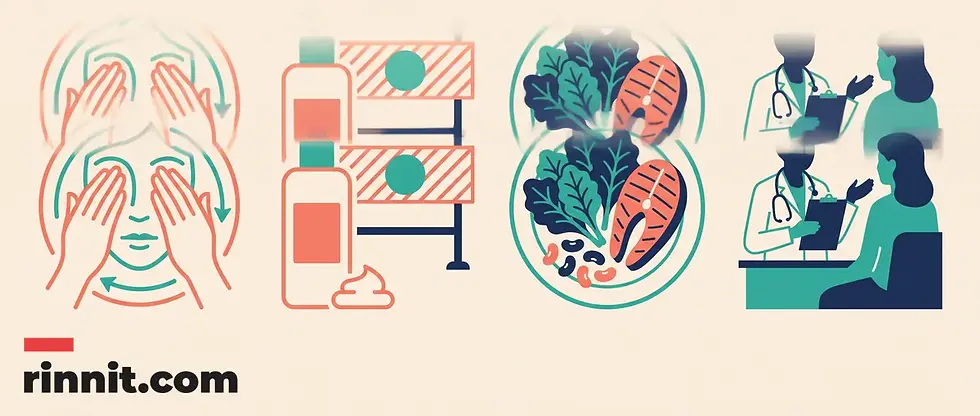
Though hormonal acne can be unavoidable, these steps can help reduce your risk of breakouts [1] [2]:
Reduce stress, sleep better, and eat a healthy diet.
Choose products that will not clog pores. Make sure every skin care and hair care product, including moisturizer, cleanser, and sunscreen, says non-comedogenic, non-acnegenic, oil-free, or won't clog pores.
Do not squeeze or pick at blemishes.
Cleanse your skin daily.
Talk to your healthcare provider about persistent acne.
Outlook
Acne affects each person differently. A breakout can last as little as a few days to a few weeks, and untreated acne can persist for months at a time. [1] Generally, it can take up to four to six weeks to see improvement after you begin treatment. Even if you do not notice that treatment is clearing your skin, it is recommended that you continue it to prevent new acne from forming. [1] If your acne is not going away or is getting worse, see a dermatologist. [1]
Conclusion
Hormonal acne is manageable, though it often takes patience and a combination of skin care, lifestyle changes, and medical treatment. Understanding what drives your breakouts, choosing non-comedogenic products, avoiding picking, and starting treatment early can help prevent scarring and the distress that adult breakouts can bring. If your acne persists, a dermatologist can build a plan that fits you.
Frequently Asked Questions
What is the main cause of hormonal acne?
Hormonal changes that increase the amount of oil (sebum) your skin produces. The oil interacts with dead skin cells and bacteria in the hair follicles and clogs pores. [1]
Is hormonal acne the same as adult acne?
Yes. Cleveland Clinic uses the terms hormonal acne and adult acne for the same thing. [1] Adult acne can continue from the teen years or start in adulthood. [2]
Does diet affect hormonal acne?
Refined sugars and carbs are listed among the things that can make hormonal acne worse. [1] In a large French study, current acne was associated with fatty and sugary foods, sugary drinks, and milk, but the study shows association, not proof of cause. [3]
Can men get hormonal acne?
Yes. Hormonal acne affects both men and women, though most cases occur in women. [1] Men undergoing testosterone treatment can also develop it. [1]
How do I know if my acne is hormonal?
A healthcare provider diagnoses it with a physical exam and by discussing the skin care products you use, your stress and sleep habits, your current medications, and any hormonal changes in your health. [1]
Can stress cause hormonal acne?
Stress can contribute. Under stress, the body produces more androgens, hormones that stimulate the oil glands and hair follicles, which can lead to acne. [2] Stress is also listed as something that can make acne worse. [1]
Are blackheads a type of hormonal acne?
Yes. Hormonal acne can appear as whiteheads, blackheads, papules, pustules, and cysts. [1]
What are the common treatments?
Treatment depends on severity. Options include a topical retinoid such as tretinoin, topical antibiotics, benzoyl peroxide, oral antibiotics, isotretinoin, and steroid injections for cystic acne. [1] Birth control pills, diet changes, daily cleansing, and laser or light therapy are other options. [1]
Can birth control help with acne?
Birth control (oral contraceptives) is listed among treatments for hormonal acne. [1] Starting or stopping birth control pills can also shift hormone levels and trigger breakouts. [2] Ask your provider what suits you.
How long does it take for treatment to work?
Generally, it can take up to four to six weeks to see improvement after you begin treatment. Continue treatment even if you do not notice results, to prevent new acne from forming. [1]
Should I pop hormonal pimples?
No. Squeezing or picking at blemishes can make hormonal acne worse [1], and untreated or moderate to severe acne can lead to scarring [1].
What is cystic acne?
Cysts are pockets under the skin that contain fluid. A steroid injection (intralesional triamcinolone) is a treatment for cystic acne. [1]
Is hormonal acne genetic?
Family history of acne (genetic predisposition) is one cause you cannot change. [1] Research suggests some people have a genetic predisposition to acne. [2]
Can pregnancy cause acne?
Yes, hormonal fluctuations during pregnancy can cause acne. Often it gets better as the pregnancy progresses. [1]
Are there safe acne treatments during pregnancy?
Some treatments should be avoided, including topical retinoids, salicylic acid, and isotretinoin. Ask your healthcare provider about the safest treatment for you. [1]
Does menopause cause acne?
It can. Fluctuating hormones during peri-menopause and menopause can trigger acne, and adult-onset acne is most common in women going through menopause. [2]
What does non-comedogenic mean?
It means a product is made not to clog pores. Look for the terms non-comedogenic, non-acnegenic, oil-free, or won't clog pores on skin care and hair care products. [2]
Can lack of sleep cause hormonal acne?
Lack of sleep is listed among the causes of hormonal acne that you can control. [1]
What is the difference between fungal acne and hormonal acne?
Fungal acne occurs when excess yeast develops, while hormonal acne is caused by excess sebum. Fungal acne can cause whiteheads and itchiness, and it often becomes red, irritated, and inflamed. [1]
Does humidity affect acne?
High humidity is listed among the things that can make hormonal acne worse. [1]
Can steroids cause acne?
Yes. Acne can be a side effect of a medication such as steroids. [1] If you suspect a medicine is triggering your acne, keep taking it but talk with the doctor who prescribed it. [2]
What are papules?
Papules are raised bits of skin tissue about 2 to 5 mm in diameter, and they can be red and tender.
What are pustules?
Pustules are skin bumps that contain pus and are about 2 to 5 mm in diameter. [1]
How often should I wash my face?
Daily skin cleansing is part of the recommended care. [1] Your dermatologist can tell you how often is right for your skin.
Can makeup and skin products cause hormonal acne?
Using skin care products that are not oil-free or non-comedogenic is listed among the causes you can control. [1] Make sure your moisturizer, cleanser, sunscreen, and other products carry a term such as non-comedogenic or oil-free. [2]
Is laser therapy used for acne?
Laser or light therapy is listed among other treatments for hormonal acne. [1] Ask a dermatologist whether it suits your skin and your type of acne.
What is sebum?
Sebum is the oily substance made by the sebaceous glands in the middle layer of your skin. Excess sebum is the direct cause of hormonal acne. [1]
Where are the sebaceous glands?
In the middle layer of your skin. [1]
Does hormonal acne cause scarring?
It can. Moderate to severe acne and untreated acne can lead to scarring where the lesions formed. [1]
Do I need to see a doctor for hormonal acne?
If your acne is not going away or is getting worse, see a dermatologist, who can offer more advanced treatment. [1] If nothing clears your acne, a dermatologist can help, and often uses two or more treatments. [2]
What is tretinoin?
Tretinoin is a topical cream, a retinoid, used for blackheads and whiteheads. [1]
Is salicylic acid safe?
Salicylic acid is one of the treatments to avoid during pregnancy. [1] Ask your provider whether it is right for you.
Can hair products cause acne?
Yes, they can. Check the labels on your skin and hair care products for terms such as non-comedogenic or oil-free. [2]
What is PCOS?
Polycystic ovary syndrome is a condition affecting the ovaries and hormones. Cleveland Clinic lists polycystic ovary syndrome and other ovarian and metabolic conditions among the medical conditions that can contribute to hormonal acne. [1]
Does hormonal acne appear on the back?
It can. Lesions are most likely on the cheeks, but may also appear on the face, neck, back, shoulders, and chest. [1]
Is hormonal acne contagious?
No. It is caused by hormones, oil, dead skin cells, and bacteria in the pores, not by catching it from someone.
Can adult acne start in your 30s?
Yes. Some adults get acne well into their 30s, 40s, and 50s, and it is possible to get acne for the first time as an adult. [2]
What is a dermatologist?
A dermatologist is a medical doctor who specializes in the skin, hair, and nails. [2]
Is there a link between dairy and acne?
One large French study found that current acne was associated with milk intake (adjusted odds ratio 1.12, 95% CI 1.00 to 1.25). It was an observational study, so it cannot prove that milk causes acne. [3]
What can make hormonal acne worse?
Stress, high humidity, squeezing or picking at blemishes, and refined sugars and carbs. [1]
Is isotretinoin the same as Accutane?
Isotretinoin is the medicine, and Accutane was a well-known brand name for it. It is a retinoid used for moderate to severe acne [1], and it should be avoided during pregnancy [1].
Can hormonal acne be cured?
It can be treated, and treatment helps prevent future breakouts [1]. With a dermatologist's help and some patience, virtually every case of acne can be controlled. [2] Because hormones keep shifting over time, breakouts may return.
Can hormonal acne be itchy?
Hormonal acne lesions are usually red, painful, or sore. [1] Itchiness and whiteheads are more typical of fungal acne. [1]
What is spironolactone?
Spironolactone is an oral medicine that dermatologists sometimes use for acne in adult women. A meta-analysis found higher odds of treatment success than placebo or doxycycline in moderate to severe acne [4], but an earlier review rated the quality of the evidence as low or very low. [5]
Can untreated acne affect self-esteem?
Cleveland Clinic notes that leaving acne untreated can lead to permanent scarring and potential self-esteem issues, which is why it recommends treating acne when it begins. [1]
Does acne ever signal another health problem?
Sometimes acne is a sign of an underlying medical condition, and once that condition is diagnosed and treated, the acne often clears. [2]
When should I see a doctor?
See a dermatologist if your acne is not going away, is getting worse, or is leaving scars or affecting your self-esteem. [1]
References
Cleveland Clinic. Hormonal Acne: What Is It, Treatment, Causes & Prevention. Cleveland Clinic. Last updated September 10, 2021. https://my.clevelandclinic.org/health/diseases/21792-hormonal-acne
American Academy of Dermatology Association. Adult acne. American Academy of Dermatology. Accessed October 15, 2026. https://www.aad.org/public/diseases/acne/really-acne/adult-acne
Penso L, Touvier M, Deschasaux M, et al. Association between adult acne and dietary behaviors: findings from the NutriNet-Santé prospective cohort study. JAMA Dermatology. 2020;156(8):854-862. PMID 32520303. https://doi.org/10.1001/jamadermatol.2020.1602
Kow CS, Ramachandram DS, Hasan SS, Thiruchelvam K. Spironolactone for the treatment of moderate to severe acne in adult women: a systematic review and meta-analysis of randomised controlled trials. Australasian Journal of Dermatology. 2025;66(3):165-168. PMID 39912292. https://doi.org/10.1111/ajd.14428
Layton AM, Eady EA, Whitehouse H, Del Rosso JQ, Fedorowicz Z, van Zuuren EJ. Oral spironolactone for acne vulgaris in adult females: a hybrid systematic review. American Journal of Clinical Dermatology. 2017;18(2):169-191. PMID 28155090. https://doi.org/10.1007/s40257-016-0245-x
Disclaimer
The information provided in this article is for educational purposes only and is not intended as medical advice, diagnosis, or treatment. Always seek the advice of your physician or other qualified health provider with any questions you may have regarding a medical condition. Never disregard professional medical advice or delay in seeking it because of something you have read in this article.



Comments