Understanding Prenatal Depression: Symptoms, Risks, and Recovery

Updated: 2 days ago
Medically reviewed by Dr. Baraa Alnahhal, MD · Last reviewed: September 2026
Prenatal depression is a common medical condition characterized by persistent sadness, anxiety, and fatigue during pregnancy. Unlike the temporary "baby blues," it requires clinical treatment to prevent complications for both the parent and the developing fetus. Management typically involves therapy, medication, and lifestyle adjustments, with most individuals seeing significant improvement through professional care.
Quick answer: Prenatal depression is a clinical mood disorder occurring during pregnancy, marked by extreme sadness, anxiety, and a loss of interest in daily life. Affecting approximately 5% of adults in the U.S., it stems from hormonal shifts, chemical imbalances, and stressful life events. Professional diagnosis is essential, as untreated symptoms can persist for months and increase the risk of postpartum depression. Effective treatments include cognitive behavioral therapy and safe antidepressant medications.
Understanding Prenatal Depression
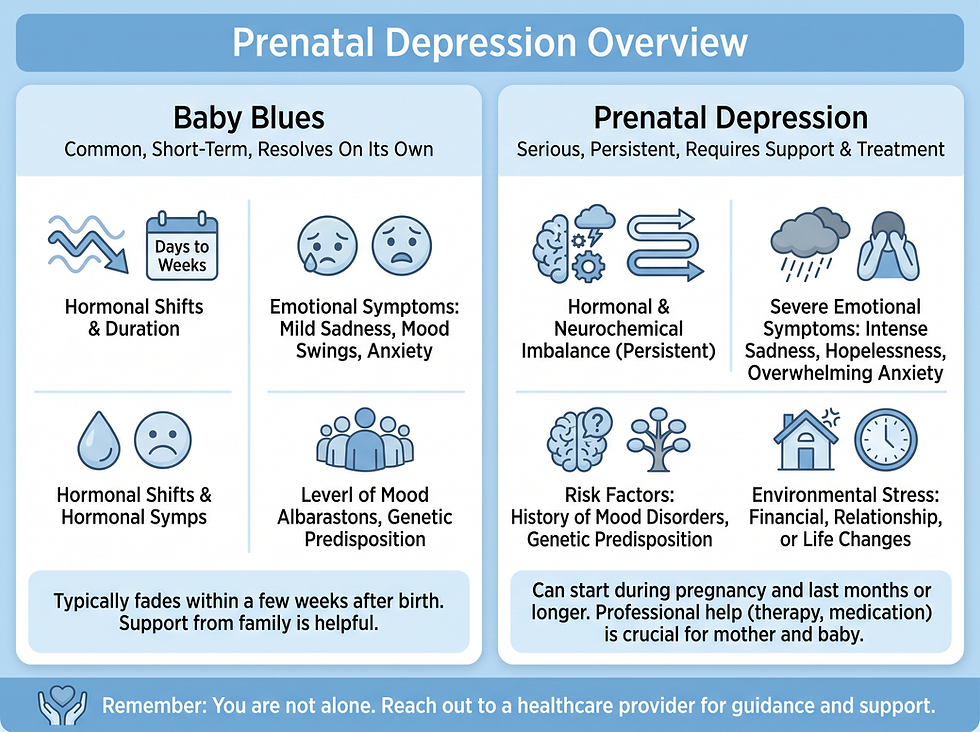
Prenatal depression is a clinical mood disorder that develops during pregnancy, manifesting as ongoing or extreme sadness that interferes with daily functioning. While many expecting parents experience occasional worry, this condition is characterized by symptoms that persist for weeks or months and may worsen without intervention. It is distinct from the "baby blues," which typically resolve within two to three weeks after delivery; prenatal depression requires active medical management to ensure the safety of both the parent and the developing fetus.
The condition is remarkably common, with researchers identifying it as one of the most frequent health challenges faced during pregnancy. It can affect anyone, regardless of their background, though certain biological and environmental factors can increase susceptibility. Understanding the triggers and identifying early warning signs are the first steps toward securing effective treatment and maintaining a healthy pregnancy.
Risk Factors and Triggers
A variety of factors contribute to the development of depression during pregnancy. A significant driver is a personal or family history of mood disorders, including general depression, postpartum depression, anxiety, or obsessive-compulsive disorder. During pregnancy, rapid hormonal shifts can significantly impact brain chemistry, potentially leading to the chemical imbalances that trigger depressive episodes.
Environmental stressors also play a critical role. Individuals facing financial instability, work-related trouble, or stressful life events like divorce are at a higher risk. Additionally, the lack of a supportive partner or social network can make the physical and emotional changes of pregnancy feel overwhelming. The following table outlines key groups who may face an increased risk of developing this condition.
Risk Category | Specific Factors |
Medical History | Personal or family history of depression, PPD, anxiety, or OCD. |
Pregnancy Complexity | Carrying multiples (twins/triplets) or a child with special health needs. |
Environmental Stress | Financial issues, divorce, lack of social support, or work stress. |
Reproductive History | History of infertility or unplanned pregnancy. |
Recognizing the Symptoms
Identifying prenatal depression involves looking for persistent changes in mood, behavior, and physical health. Symptoms often go beyond simple sadness and can include intense anxiety, irrational thoughts, and a total loss of interest in previously enjoyed activities. Many individuals also report physical manifestations, such as unexplained muscle aches or gastrointestinal problems, that do not have a clear medical cause.
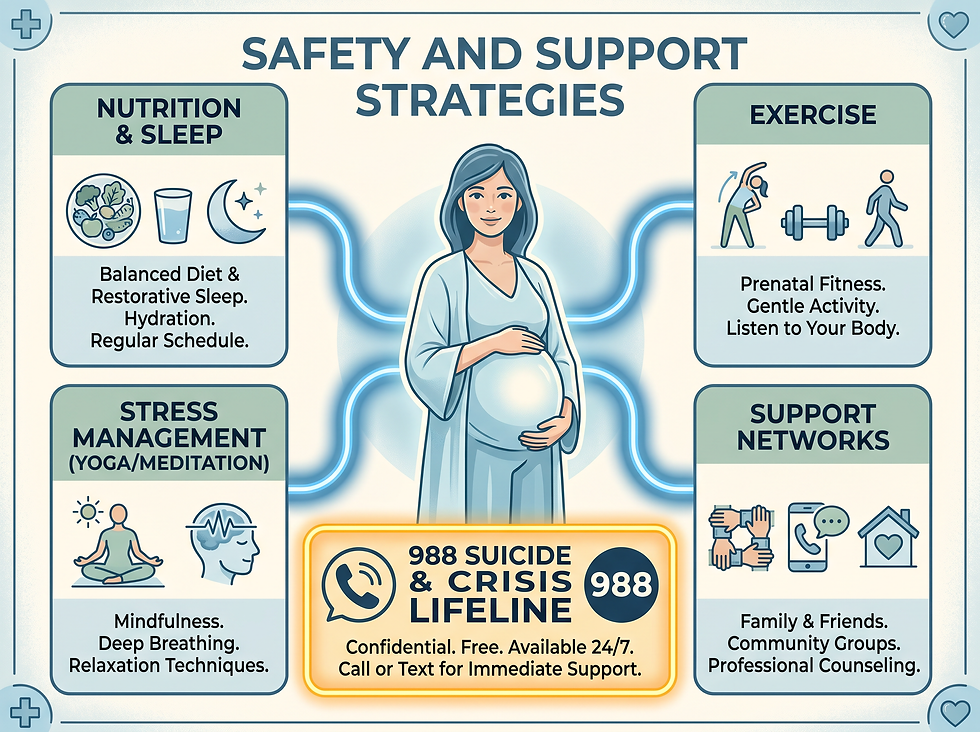
Severe cases of prenatal depression can lead to thoughts of self-harm or suicide. If these thoughts occur, immediate intervention is necessary. The National Suicide and Crisis Lifeline can be reached by calling 988 for 24/7 confidential support.
Common Signs and Indicators
The symptoms of prenatal depression can be categorized into emotional, cognitive, and physical changes. The following table summarizes these indicators to help expecting parents and their families recognize when to seek professional help.
Symptom Category | Common Indicators |
Emotional | Sadness, numbness, hopelessness, guilt, or intense irritability. |
Cognitive | Trouble concentrating, memory problems, and difficulty making decisions. |
Physical | Fatigue, insomnia, appetite changes, headaches, and muscle aches. |
Social | Withdrawing from friends/family and loss of interest in sex. |
Diagnosis and Treatment Options
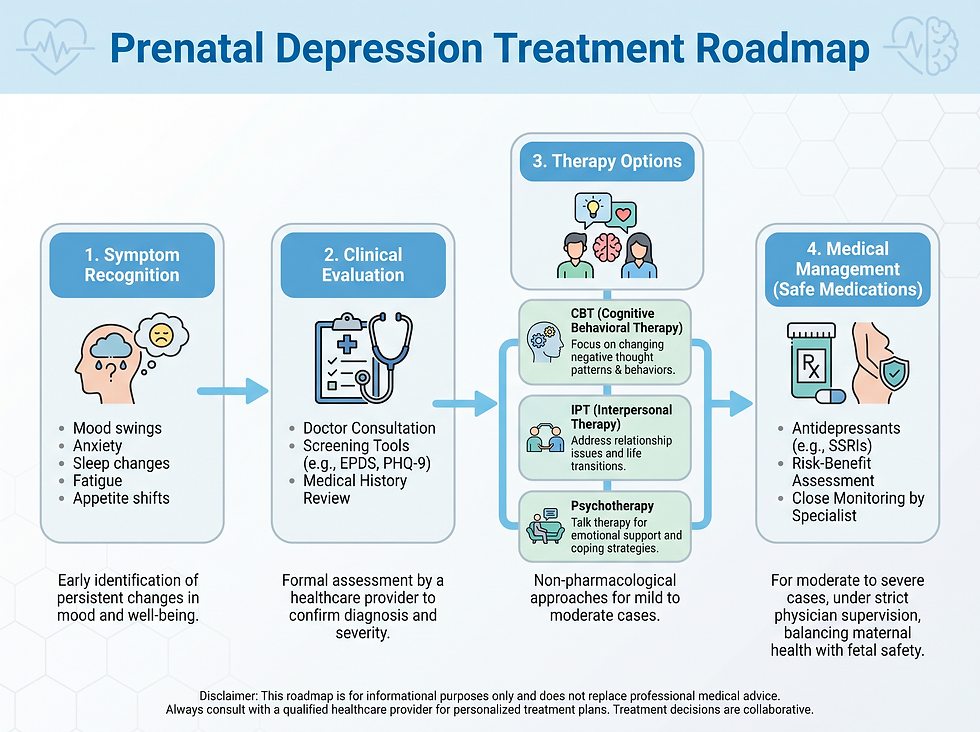
Securing a diagnosis begins with a clinical evaluation by a healthcare provider. They will assess the frequency and duration of symptoms and may provide a referral to a mental health professional, such as a psychologist or counselor. A comprehensive evaluation often includes a review of both personal and family medical histories to identify underlying predispositions.
Treatment for prenatal depression is highly effective and usually involves a combination of therapy and medication. Cognitive Behavioral Therapy (CBT) is frequently used to help individuals identify and change negative thinking patterns. Interpersonal Therapy (IPT) focuses on improving social interactions and building stronger relationships. In many cases, providers may also prescribe antidepressants that are safe for use during pregnancy and breastfeeding.
Management and Self-Care Strategies
Beyond clinical treatment, lifestyle adjustments can significantly improve mental health outcomes. Prioritizing physical health through proper nutrition, regular exercise, and adequate sleep creates a stronger foundation for emotional well-being. Stress management techniques, such as yoga, meditation, and deep breathing exercises, are also highly recommended to help manage the anxieties associated with pregnancy.
Building a supportive network is equally vital. Connecting with other expecting parents through support groups allows for the sharing of concerns and the discovery of shared experiences. Furthermore, staying active and maintaining social connections with friends and family can prevent the isolation that often exacerbates depressive symptoms.
Conclusion
Prenatal depression is a manageable medical condition that requires professional attention to ensure a healthy pregnancy and transition into parenthood. By recognizing the symptoms early and engaging in a combination of therapy, medication, and self-care, most individuals can achieve a significant improvement in their mental health. Early intervention not only supports the parent's well-being but also promotes a safer environment for the developing child.
When to See a Doctor
If you or a loved one are experiencing persistent feelings of sadness, anxiety, or withdrawal during pregnancy, do not wait for symptoms to worsen. Contact your healthcare provider today to schedule a mental health evaluation and discuss the support options available to you.
Frequently Asked Questions
How is prenatal depression different from the "baby blues"?
The "baby blues" are temporary feelings of sadness or worry that typically resolve within two to three weeks after delivery. Prenatal depression occurs during pregnancy and requires professional treatment to resolve.
Can prenatal depression affect the baby?
In severe cases, untreated prenatal depression can lead to self-harm or harm to the fetus. It also increases the risk of developing postpartum depression after the baby is born.
Is it safe to take antidepressants during pregnancy?
Many antidepressants are considered safe during pregnancy. You must consult with your healthcare provider to determine the best medication and dosage for your specific situation.
What are the first signs I should look for?
Early signs include persistent sadness, excessive worrying, changes in sleep or appetite, and withdrawing from social activities or loved ones.
Can hormonal changes cause depression?
Yes, the rapid shift in hormone levels during pregnancy can affect brain chemistry and contribute to mood disorders.
Who is most at risk for prenatal depression?
Those with a personal or family history of mood disorders, high stress levels, or a lack of social support are at an increased risk.
How common is this condition?
It is very common; researchers believe it is one of the most frequent health issues faced by pregnant individuals.
What types of therapy are most effective?
Cognitive Behavioral Therapy (CBT) and Interpersonal Therapy (IPT) are both highly effective in treating prenatal depression.
Can lifestyle changes cure prenatal depression?
While lifestyle changes like better nutrition and exercise can improve symptoms, they are often used alongside professional therapy and medication for full recovery.
Should I see a specialist for diagnosis?
Your primary provider can perform an initial evaluation, but they will often refer you to a mental health professional for a complete assessment and treatment plan.
Does having prenatal depression mean I will get postpartum depression?
Untreated prenatal depression increases the risk of postpartum depression, but early treatment can help mitigate this risk.
Are there support groups for this?
Yes, many hospitals and community centers offer support groups specifically for expecting parents dealing with mood disorders.
Can stress at work trigger prenatal depression?
Yes, significant environmental stressors, including work-related issues or financial concerns, are known risk factors.
Is fatigue a symptom of depression or just pregnancy?
While fatigue is common in pregnancy, extreme or persistent exhaustion combined with other mood changes may indicate depression.
What should I do if I have thoughts of self-harm?
Seek immediate help by calling 988 or contacting your healthcare provider or emergency services right away.
Related Reading and Resources
Medical Disclaimer: This content is for informational purposes only and does not constitute medical advice. Always seek the advice of a qualified healthcare professional regarding any medical condition or treatment.
Comments