Understanding Methemoglobinemia: Causes, Symptoms, and Treatment

Updated: 2 days ago
Medically reviewed by Dr. Baraa Alnahhal, MD · Last reviewed: September 2026
TL;DR
Methemoglobinemia is a rare blood disorder where hemoglobin, the oxygen-carrying protein in red blood cells, is unable to release oxygen to the body's tissues. This condition, which can be acquired through certain substances or inherited genetically, primarily causes cyanosis, a blue or gray tint to the skin and lips. While many cases are treatable with medication like methylene blue, severe forms require immediate medical intervention to prevent life-threatening complications.
Quick Answer
Methemoglobinemia (MetHb) occurs when hemoglobin turns into methemoglobin, a form that cannot effectively release oxygen. This leads to cyanosis, where the skin, lips, and nailbeds appear blue, purple, or gray. The condition can be triggered by exposure to specific drugs and chemicals or passed down through genetics. Treatment typically involves medications like methylene blue or vitamins to restore normal oxygen delivery and manage underlying causes.
Methemoglobinemia, often abbreviated as MetHb, is a rare but significant blood disorder that fundamentally changes how red blood cells function. Normally, red blood cells use a protein called hemoglobin to transport and release oxygen throughout the body. In individuals with methemoglobinemia, a chemical reaction or a genetic mutation transforms this protein into methemoglobin. Unlike normal hemoglobin, methemoglobin is unable to release oxygen to the organs, muscles, and tissues that need it to function.
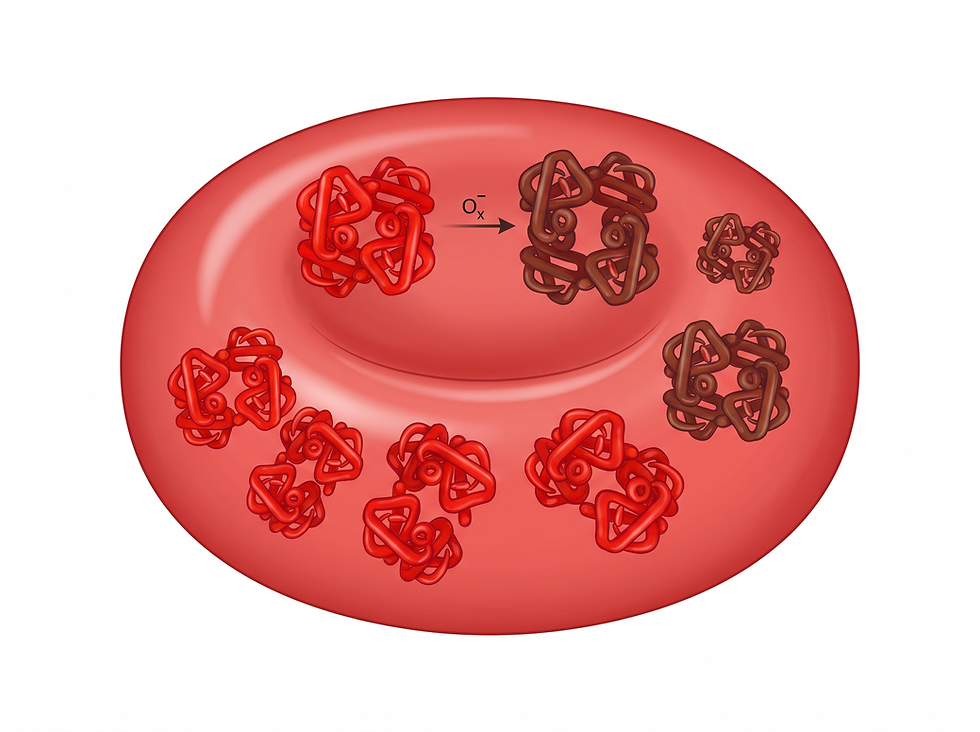
The most visible sign of this lack of oxygen delivery is cyanosis. This symptom causes the skin, lips, nailbeds, and tongue to take on a light blue or purple hue. In individuals with darker skin tones, these areas may appear gray or light gray. Cyanosis serves as a critical indicator that the body's tissues are not receiving an adequate oxygen supply, and its presence often prompts the initial medical investigation into the condition.

Types of Methemoglobinemia
Methemoglobinemia is classified into two primary categories based on how it is developed. Acquired methemoglobinemia is the most common form and develops during a person's lifetime, usually due to exposure to specific triggers. In contrast, congenital methemoglobinemia is present at birth and is caused by inherited genetic changes.
Acquired MetHb: Develops during life, usually from recreational drugs, certain medications, or chemical exposure.
Congenital MetHb: Present at birth, caused by inherited genetic variations (Type 1, Type 2, or HbM disease).
Symptoms and Severity
The symptoms of methemoglobinemia vary widely depending on the type of the disorder and the levels of methemoglobin in the blood. Individuals with low levels may remain asymptomatic, while those with high levels can face life-threatening emergencies.
For those with the acquired form, common symptoms include fatigue, weakness, and a very pale skin tone (pallor) alongside cyanosis. In more severe cases, high methemoglobin levels can affect the central nervous system, leading to extreme drowsiness, slurred speech, and slow reflexes. If the condition causes metabolic acidosis, a chemical imbalance in the blood, patients may experience rapid breathing, an increased heart rate, and confusion. Loss of consciousness and seizures are also possible in critical situations.
Congenital methemoglobinemia presents differently depending on its subtype. While Type 1 and Hemoglobin M disease primarily cause cyanosis without other major health issues, Type 2 is much more severe. Infants with Type 2 MetHb may experience neurological complications such as microcephaly (a smaller-than-usual head), uncontrolled muscle movements (dystonia), seizures, and intellectual disabilities.
Common Causes and Triggers
The acquired form of the condition is typically triggered by a chemical reaction caused by specific substances. Recreational drugs like volatile nitrites (poppers) and nitrous oxide are frequent causes. Certain medical treatments, including the antibiotic dapsone and local anesthetics like benzocaine and lidocaine, can also induce the reaction. Environmental exposure to herbicides or high levels of nitrites and nitrates found in food, water, and soil can further contribute to the development of the condition.
Genetic variations are the root cause of the congenital form. Types 1 and 2 result from changes in the CYB5R gene, which are typically passed down from both biological parents. Hemoglobin M disease, however, is caused by a change in an alpha globin gene and can be inherited from just one parent.
Diagnosis and Testing
Healthcare providers use several specialized tests to diagnose methemoglobinemia. A physical exam and a review of medical history, including potential exposure to drugs or chemicals, are the first steps. An arterial blood test is particularly revealing; if the arterial blood appears dark brown, it is a clear sign that the blood is not carrying oxygen properly.
Additional diagnostic tools include:
MetHb Evaluation: A test that directly measures the level of methemoglobin in the blood.
Enzyme Activity Tests: Checking for lower-than-normal CYB5R enzyme activity to identify congenital types.
Hemoglobin Electrophoresis: A method to check the specific types of hemoglobin present in a baby's red blood cells.
Genetic Testing: Analyzing blood or saliva to pinpoint the exact genetic mutation responsible for the condition.
Management and Treatment Strategies
Treatment for methemoglobinemia is focused on lowering methemoglobin levels and restoring the blood's ability to transport oxygen. The most common medication used is methylene blue, which often eases symptoms of cyanosis within hours. For individuals with a G6PD deficiency, where methylene blue could cause complications, Vitamins C and B2 are used as alternative treatments.
Methylene Blue: Lowers methemoglobin levels. It is the standard treatment and acts quickly to restore oxygen flow.
Vitamins C and B2: Reduce methemoglobin, used primarily as an alternative for G6PD-deficient patients.
Emergency Support: Manages severe complications, including oxygen therapy, IV hydration, and seizure management.
Ongoing Care: Neurological support, required for infants with the severe Type 2 congenital form.

Outlook and Prognosis
The long-term outlook for individuals with methemoglobinemia depends heavily on the subtype. Those with Type 1 congenital MetHb or Hemoglobin M disease typically have a normal life expectancy and can manage the condition effectively. The prognosis for severe acquired cases depends on how quickly medical intervention is received. Unfortunately, Type 2 congenital methemoglobinemia is often fatal for infants due to the serious neurological issues it causes, requiring intensive and specialized care from birth.
Conclusion
Methemoglobinemia is a complex blood disorder that highlights the critical role of hemoglobin in human health. While the condition can be life-threatening, especially in its severe acquired and Type 2 congenital forms, prompt diagnosis and treatment with medications like methylene blue are highly effective for many patients. Understanding the triggers and genetic roots of the disease is essential for providing timely care and managing the long-term needs of those affected by this rare condition.
When to Seek Care
If you or someone you are with experiences sudden blue or gray skin discoloration, extreme fatigue, or confusion, seek emergency medical care immediately. For families with a history of congenital blood disorders, consulting with a specialist for genetic testing and personalized care planning can help manage potential risks and ensure the best outcomes for your children.
Frequently Asked Questions
What is methemoglobinemia?
It is a rare blood disorder where hemoglobin turns into methemoglobin, preventing the blood from releasing oxygen to tissues.
What does "cyanosis" mean in this condition?
Cyanosis is the blue, purple, or gray discoloration of the skin, lips, and nails caused by a lack of oxygen in the blood.
What is the most common cause of acquired methemoglobinemia?
The most common cause is the use of certain recreational drugs or exposure to specific medications and chemicals.
Can babies be born with methemoglobinemia?
Yes, the congenital form is present at birth and is caused by inherited genetic changes from one or both parents.
Is methemoglobinemia contagious?
No, it is not a contagious disease. It is either acquired through substance exposure or inherited genetically.
What is methylene blue?
Methylene blue is the primary medication used to treat methemoglobinemia by helping red blood cells release oxygen again.
Why is Type 2 congenital methemoglobinemia so serious?
Type 2 affects the central nervous system, leading to severe neurological issues like microcephaly and intellectual disabilities.
What are "poppers" and how do they relate to this condition?
Poppers are volatile nitrites used recreationally that can trigger a chemical reaction leading to acquired methemoglobinemia.
How do doctors test for this disorder?
Doctors use arterial blood tests, methemoglobin level evaluations, enzyme activity tests, and genetic analysis.
Can methemoglobinemia be fatal?
Yes, severe acquired cases and Type 2 congenital cases can be fatal if not treated promptly or if complications are severe.
What are the symptoms of metabolic acidosis in this condition?
Symptoms include rapid breathing, increased heart rate, and confusion due to a chemical imbalance in the blood.
Are there alternatives to methylene blue?
Yes, Vitamins C and B2 can be used, especially for patients with a G6PD deficiency who cannot take methylene blue.
What is Hemoglobin M disease?
It is a congenital type caused by a change in an alpha globin gene, where babies are born with high methemoglobin levels.
How long does recovery take after treatment?
Methylene blue can improve symptoms within hours, though recovery from severe complications may take much longer.
What should I do if I suspect someone has severe methemoglobinemia?
Call 911 or emergency services immediately, as severe cases are medical emergencies requiring intensive care.
Medical Disclaimer
The information provided in this article is for educational purposes only and is not intended as a substitute for professional medical advice, diagnosis, or treatment. Always seek the advice of your physician or other qualified health provider with any questions you may have regarding a medical condition.
Comments